

The Significance of RACE Accreditation in Veterinary Medicine
The Registry of Approved Continuing Education, managed by the AAVSB, serves as the national standard for the evaluation and quality control of veterinary continuing education. For a program to receive RACE approval, it must undergo a rigorous peer-review process to ensure that the content is scientifically sound, educationally effective, and free from commercial bias. The approval of the "Clinical Medicine in Bearded Dragons" webinar underscores the clinical relevance of reptile medicine in the modern veterinary landscape.
Continuing education is a mandatory requirement for the renewal of veterinary licenses in nearly all North American jurisdictions. By providing an accredited hour of study on bearded dragons (Pogona vitticeps), the program allows practitioners to fulfill their legal obligations while simultaneously enhancing their clinical proficiency in a niche yet rapidly expanding field. This dual benefit is particularly vital as the standard of care for exotic pets continues to evolve toward the level of sophistication seen in canine and feline medicine.
The Rising Popularity of Bearded Dragons and Clinical Demand
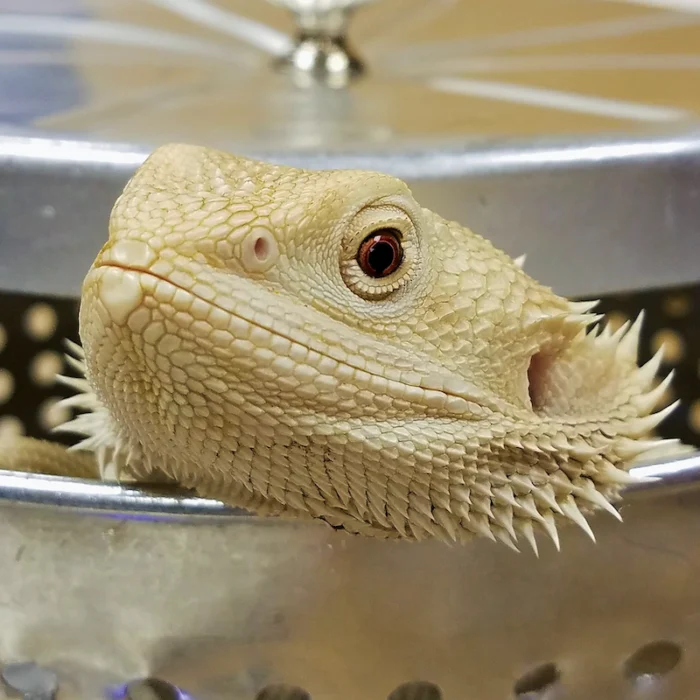
The decision to focus on bearded dragon medicine is supported by current trends in pet ownership. According to data from the American Pet Products Association (APPA) and the American Veterinary Medical Association (AVMA), reptiles have seen a steady increase in domestic popularity over the last decade. Bearded dragons, in particular, are frequently cited as the most popular lizard species kept as pets due to their docile temperament and relatively manageable size.
However, their popularity has not always been matched by a corresponding level of medical expertise in general practice. Many bearded dragons are presented to veterinary clinics with complex conditions stemming from improper husbandry, nutritional deficiencies, or infectious diseases. The "Clinical Medicine in Bearded Dragons" webinar addresses this gap, providing practitioners with the diagnostic tools and therapeutic strategies necessary to treat these ectothermic patients effectively.
Comprehensive Curriculum and Learning Objectives
While the source content serves as an access portal for members, the clinical scope of such RACE-approved webinars typically encompasses the full spectrum of reptilian healthcare. The curriculum for this specific program is designed to guide the practitioner through the unique physiological and anatomical considerations of the bearded dragon.
Key areas of focus within the webinar likely include:
- Husbandry and Preventative Medicine: Since a vast majority of reptile illnesses are environmental in origin, the course emphasizes the importance of ultraviolet (UV) lighting, thermal gradients, and calcium-to-phosphorus ratios.
- Diagnostic Procedures: Instruction on safe venipuncture sites, such as the ventral tail vein, and the interpretation of reptilian hematology and biochemistry.
- Common Pathologies: Detailed analysis of Metabolic Bone Disease (MBD), follicular stasis in females, respiratory infections, and the increasingly prevalent Nannizziopsis guarroi (Yellow Fungus Disease).
- Pharmacology and Anesthesia: Guidance on the metabolic rates of reptiles and how temperature affects drug distribution and recovery from anesthesia.
By mastering these topics, veterinary professionals can transition from basic stabilization to advanced long-term management of bearded dragon patients.
Chronology of Exotic Veterinary Education Development
The path toward standardized exotic animal education has been a decades-long endeavor. In the late 20th century, reptile medicine was often relegated to the margins of veterinary curricula.
- 1980s-1990s: The emergence of the Association of Reptilian and Amphibian Veterinarians (ARAV) began the formalization of the field, establishing journals and annual conferences.
- 2000s: As pet reptiles became more common in suburban households, general practitioners began seeking more accessible CE options outside of major national conferences.
- 2010s: The rise of digital learning platforms allowed for the dissemination of high-quality, peer-reviewed video content. Organizations like LafeberVet became central repositories for this specialized knowledge.
- 2020-Present: The COVID-19 pandemic accelerated the shift toward virtual CE, leading the AAVSB to expand its criteria for distance learning, ensuring that webinars like the one on bearded dragons carry the same weight as in-person seminars.
This timeline illustrates a shift from "specialist-only" knowledge to a requirement for "general practitioner" competency in reptile medicine.
Supporting Data: The Veterinary Knowledge Gap
Industry surveys indicate a significant disparity between the number of households owning exotic pets and the number of veterinarians who feel "very comfortable" treating them. A study published in the Journal of Herpetological Medicine and Surgery noted that while nearly 5% of U.S. households own a reptile, less than 20% of general practices feel fully equipped to handle advanced reptile surgeries or complex internal medicine cases.
Furthermore, data suggests that educational interventions like RACE-approved webinars significantly improve clinical outcomes. Practitioners who engage in regular exotic animal CE report higher confidence levels in performing physical exams and a greater likelihood of recommending preventative wellness screenings for reptile clients. The availability of a one-hour, accessible webinar provides a low-barrier entry point for busy professionals to begin closing this knowledge gap.
Official Responses and Professional Implications
While formal statements from the AAVSB are typically limited to accreditation notices, the broader veterinary community has reacted positively to the expansion of online reptile CE. Board-certified specialists in herpetology often advocate for these programs, noting that when general practitioners are better educated, the quality of referrals to specialty centers improves.
"The goal of continuing education in exotic medicine is not necessarily to turn every veterinarian into a specialist, but to ensure that every bearded dragon that enters a clinic receives a standard of care based on current scientific evidence," noted a representative of the exotic animal medical community in a recent trade publication discussion.
For veterinary technicians, the approval of this webinar is equally impactful. Technicians are often the primary point of contact for client education regarding husbandry. By earning RACE credit in bearded dragon medicine, technicians are better prepared to assist in triage, anesthesia monitoring, and the communication of complex care instructions to pet owners.
Broader Impact on Animal Welfare and Industry Standards
The clinical medicine of bearded dragons is inextricably linked to animal welfare. Because reptiles are masters of "masking" illness—an evolutionary trait to avoid predation—they are often in advanced stages of disease by the time they are presented to a veterinarian. Accredited education focuses on early detection and the nuances of reptilian pain management, which are frequently misunderstood by those trained primarily in mammalian medicine.
Furthermore, the existence of such accredited courses puts pressure on the pet trade industry to align their care recommendations with veterinary standards. When veterinarians are equipped with the latest RACE-approved data, they can more effectively counter misinformation often found in non-professional care guides.
Conclusion and Future Outlook
The accreditation of the "Clinical Medicine in Bearded Dragons" webinar by the AAVSB RACE program is a reflection of the maturing field of exotic animal practice. It acknowledges that the medical needs of a lizard are as complex and deserving of rigorous study as those of a dog or cat. As the veterinary profession continues to embrace digital specialized learning, the barriers to high-quality education are being dismantled, allowing for a more informed and capable global veterinary workforce.
For members of LafeberVet and the wider veterinary community, this program offers a streamlined, scientifically validated method to enhance their practice. As the population of pet bearded dragons continues to grow, the integration of such specialized knowledge into general veterinary medicine will remain an essential component of professional development and animal advocacy. The requirement of a post-test ensures that the one-hour credit is not merely a formality but a true measure of knowledge acquisition, upholding the integrity of the veterinary profession and the safety of the patients it serves.
