

The program, hosted by LafeberVet, is structured as an evidence-based deep dive into the physiological and pathological impacts of UVB lighting on reptiles, birds, and some small mammals. Participants are required to engage with the instructional material and complete a post-test with a passing grade to receive their certification. This accreditation underscores a broader shift within the veterinary community toward recognizing that environmental factors—specifically lighting—are as fundamental to health as nutrition and pharmacological intervention.
The Biological Necessity of UVB Radiation in Exotic Species
To understand the significance of the "Sunburned!" webinar, one must first examine the biological role of ultraviolet radiation. For the majority of captive exotic species, particularly diurnal reptiles and many avian species, UVB radiation (wavelengths of 290–315 nanometers) is the primary catalyst for the synthesis of Vitamin D3. This process begins when 7-dehydrocholesterol in the skin is converted into pre-vitamin D3 upon exposure to UVB. Subsequent thermal energy converts this into Vitamin D3, which is then metabolized by the liver and kidneys into calcitriol, the hormone responsible for regulating calcium absorption in the gut.
Without adequate UVB exposure, these animals cannot effectively utilize dietary calcium, leading to Nutritional Secondary Hyperparathyroidism, commonly known as Metabolic Bone Disease (MBD). MBD remains one of the most prevalent and preventable conditions seen in exotic veterinary practices, manifesting as bone fractures, tremors, soft shells in chelonians, and eventual organ failure. Conversely, as the title of the webinar suggests, excessive or inappropriate UVB exposure can lead to "sunburn" or phototoxicity, causing ophthalmic damage such as photokeratitis and integumentary lesions.
Historical Chronology of UVB Application in Herpetoculture
The history of UVB lighting in captivity has transitioned through several distinct phases, moving from anecdotal "common sense" to the current era of precision measurement.
In the 1970s and 1980s, the understanding of UVB requirements was rudimentary. Many keepers relied on unfiltered sunlight through glass—which actually filters out most UVB—or used industrial lights that were not designed for biological use. This era was marked by high rates of MBD and a general lack of longevity in captive exotic species.
The 1990s saw the introduction of specialized "reptile bulbs," primarily T8 fluorescent tubes. While a significant improvement, these early bulbs often had low output and short effective lifespans, frequently losing their UVB-emitting properties within six months despite still producing visible light. This created a false sense of security for owners and veterinarians alike.
The early 2000s marked a turning point with the research of Dr. Gary Ferguson and his team. Their work established what are now known as "Ferguson Zones," a classification system that categorizes species based on their natural basking behaviors and the corresponding UV Index (UVI) they would encounter in the wild. This provided the first evidence-based framework for recreating natural light cycles in a clinical or home setting.
The current era, which this webinar addresses, focuses on the "Evidence-Based Update." This includes the adoption of high-output T5 bulbs, the emergence of LED technology in the UV spectrum, and the use of Solarmeters to provide real-time data on bulb decay and output. The focus has shifted from merely "providing light" to "managing a radiation gradient."
Supporting Data: The Ferguson Zones and UV Indexing
A central component of modern UVB management discussed in contemporary veterinary education is the application of the UV Index (UVI). The Ferguson Zones provide a quantitative guide for practitioners:
- Zone 1 (Shade Dwellers/Crepuscular): Species like leopard geckos or certain amphibians require a UVI range of 0.0 to 0.7.
- Zone 2 (Partial Sun/Occasional Baskers): Species such as box turtles or emerald tree boas require a UVI range of 0.7 to 1.0.
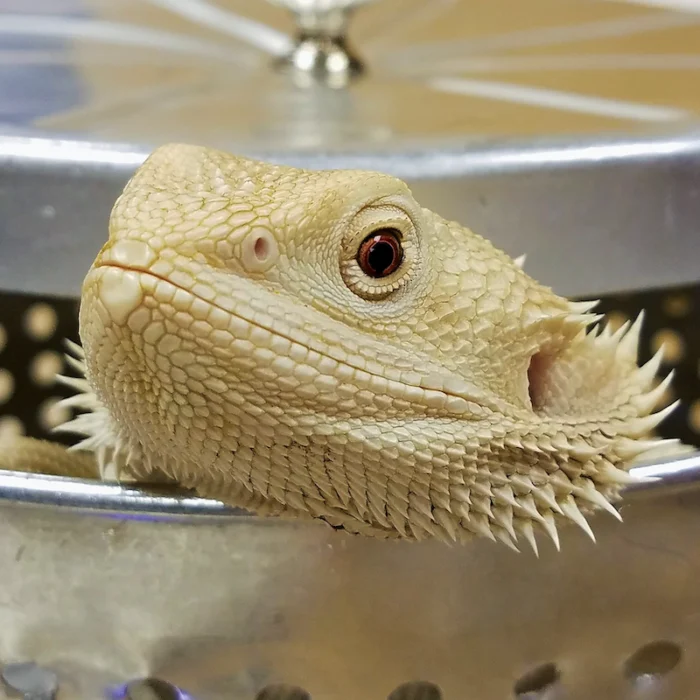
- Zone 3 (Open or Partial Sun Baskers): Bearded dragons and green iguanas fall into this category, requiring a UVI of 1.0 to 2.6.
- Zone 4 (Mid-day Sun Baskers): Highly active baskers like Uromastyx or Chuckwallas require a UVI of 2.6 to 7.4.
The "Sunburned!" webinar highlights the dangers of placing a Zone 1 animal in a Zone 4 environment. When the intensity of UVB radiation exceeds a species’ biological threshold, the protective mechanisms of the skin and eyes are overwhelmed. This results in cellular damage and DNA mutations, which can lead to squamous cell carcinomas or chronic ocular inflammation.
Technical Implications and Official Standards
The AAVSB RACE approval of this course reflects the high standard of technical knowledge now required of veterinary staff. It is no longer sufficient for a technician to ask a client if they have a "UV bulb." Instead, clinical staff must be prepared to discuss the specific type of lamp (Linear Fluorescent vs. Mercury Vapor vs. Metal Halide), the distance from the basking site, and the presence of obstructions like mesh screens, which can filter out up to 50% of available UVB.
Professional reactions from the exotic veterinary community suggest that this data is vital for preventative medicine. Experts in the field argue that "lighting is a nutrient," and like any nutrient, it must be dosed correctly. The consensus among specialists is that many chronic health issues in exotics are sub-clinical until they reach a crisis point; proper UVB management is the first line of defense against these "invisible" illnesses.
The webinar also addresses the "decay" factor. Unlike visible light, UVB output diminishes long before the filament or gas in a bulb fails. Scientific data indicates that most T8 bulbs require replacement every six months, while high-quality T5 bulbs may last 12 months. Without the use of a radiometer (such as a Solarmeter Model 6.5), owners and veterinarians are essentially "flying blind," unable to determine if the radiation being emitted is therapeutic or negligible.
Broader Impact on Veterinary Practice and Animal Welfare
The implications of this evidence-based update extend beyond the walls of the exam room. By educating veterinarians and technicians, the program facilitates better client communication. Practitioners can now provide specific, measurable instructions to pet owners, reducing the incidence of husbandry-related diseases that often lead to euthanasia or surrender of exotic pets.
Furthermore, the accreditation of such niche topics by the AAVSB indicates a growing professionalization of exotic pet care. As these animals become more popular—with millions of households now keeping reptiles and birds—the demand for specialized medical knowledge is at an all-time high. The "Sunburned!" webinar serves as a critical tool in ensuring that the standard of care for a bearded dragon or a parrot is as rigorous and data-supported as the care provided to a dog or a cat.
The move toward "Evidence-Based Updates" also encourages manufacturers of pet lighting to be more transparent with their data. As veterinarians become more educated on UVI and spectral power distribution, they are better equipped to recommend products that meet the biological needs of their patients, rather than relying on marketing claims.
Conclusion and Future Outlook
The "Sunburned! An Evidence-Based Update on UVB Lighting for Captive Exotic Species" webinar represents a vital intersection of herpetological research and veterinary clinical practice. By providing accredited, high-level education on the nuances of ultraviolet radiation, LafeberVet and the AAVSB are helping to usher in a new era of exotic animal welfare—one defined by precision, safety, and a deep respect for the natural history of the species in our care.
As research continues, it is expected that even more specific data will emerge regarding the "non-calcemic" benefits of UVB, including its role in immune system modulation and circadian rhythm regulation. For now, the focus remains on the critical balance of providing enough radiation to sustain life without crossing the threshold into the "sunburned" territory of tissue damage. For the veterinary professional, staying current with these updates is not merely a matter of earning CE credits; it is an essential component of modern, ethical practice in the complex world of exotic medicine.
