

The Critical Role of UVB in Exotic Animal Medicine
The emergence of this webinar comes at a pivotal time for herpetological and avian medicine. For decades, the specific requirements for ultraviolet B (UVB) radiation among captive exotic species were poorly understood, often leading to anecdotal husbandry practices that resulted in chronic health issues. UVB radiation, specifically within the 290 to 320 nanometer range, is essential for the endogenous synthesis of Vitamin D3 in the skin of many reptiles, birds, and even some small mammals. This process is the primary driver for calcium metabolism; without adequate UVB exposure, these animals cannot properly absorb dietary calcium, leading to the development of Metabolic Bone Disease (MBD), nutritional secondary hyperparathyroidism, and catastrophic skeletal failure.
The "Sunburned!" program addresses the dual nature of ultraviolet exposure: the necessity of radiation for health and the inherent risks of overexposure. While deficiency leads to metabolic collapse, excessive or improper UVB application can lead to photokeratitis, skin damage, and thermal burns—the namesake "sunburn" of the webinar. By focusing on an evidence-based update, the program bridges the gap between laboratory research and clinical application, providing practitioners with the tools to prescribe specific lighting regimens tailored to the unique evolutionary history of their patients.
Chronology of UVB Research and Implementation
The history of UVB lighting in veterinary medicine has transitioned from broad generalizations to high-precision categorization. In the late 20th century, captive lighting was often limited to "full-spectrum" bulbs that provided little more than visible light and heat. The early 2000s saw the introduction of compact fluorescent and linear fluorescent bulbs designed specifically for reptiles, but these early models often suffered from inconsistent output and rapid decay of UVB intensity.
A major turning point occurred in 2010 with the publication of research regarding "Ferguson Zones." Named after Dr. Gary Ferguson, this system categorized reptiles into four distinct zones based on their basking behaviors and daily UV exposure in the wild. This classification allowed veterinarians to move away from a "one-size-fits-all" approach. The timeline of lighting technology has since advanced to include High-Output (HO) T5 fluorescent tubes and specialized LED arrays, which offer more stable and directed UV gradients. The current webinar represents the latest stage in this chronology, incorporating data from the last five years of clinical observation and technological refinement to update the standards of care for 2024 and beyond.
Supporting Data: The Science of the Ferguson Zones
The webinar leans heavily on the data derived from the Ferguson Zone system, which remains the gold standard for prescribing UVB levels. Understanding these zones is critical for any veterinary professional treating exotic species:
- Zone 1 (Shade Dwellers): Species such as crepuscular geckos or forest-floor amphibians. These animals require a UVI (Ultraviolet Index) range of 0.0 to 0.7.
- Zone 2 (Partial Sun/Occasional Basking): Species like box turtles and certain colubrid snakes. These require a UVI of 0.7 to 1.0.
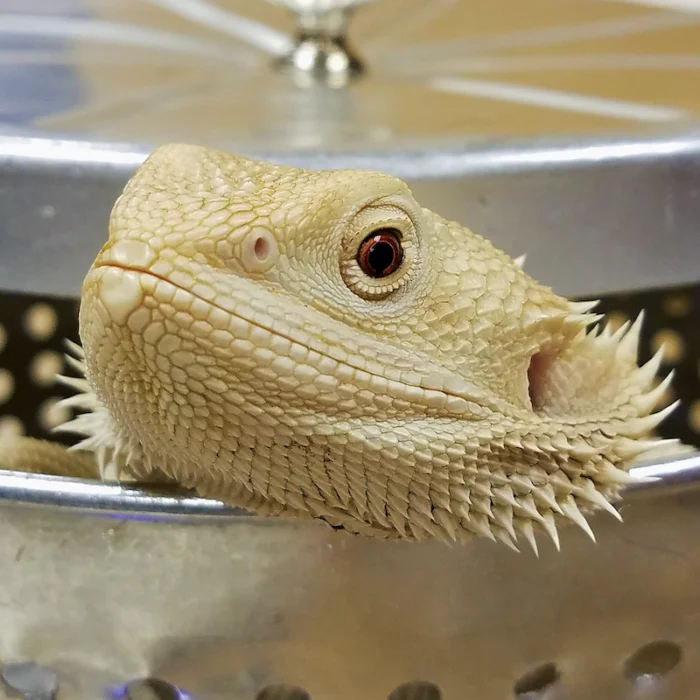
- Zone 3 (Open or Partial Sun Basking): Common pet species like bearded dragons and green iguanas. They require a UVI of 1.0 to 2.6.
- Zone 4 (Mid-day Sun Basking): High-intensity species such as uromastyx and certain desert-dwelling tortoises, requiring a UVI of 2.6 to 7.4 or higher.
Recent clinical data suggests that providing a "UV gradient" rather than a uniform blast of radiation is essential for animal welfare. Animals must be able to self-regulate their exposure, moving in and out of the light just as they would in their natural habitats. The webinar provides data-driven guidelines on how to measure these levels using Solarmeters, emphasizing that visual light output does not equate to UV output.
Veterinary Requirements and Educational Standards
The AAVSB RACE program is the benchmark for quality in veterinary continuing education. For a program like "Sunburned!" to receive approval, it must undergo a rigorous review process to ensure the content is scientifically sound, free from commercial bias, and relevant to the practice of veterinary medicine. This accreditation is vital for practitioners in the United States and Canada, where state and provincial boards require a specific number of CE hours for license renewal.
To secure the one-hour credit, participants must engage with the digital material and pass a post-test. This assessment ensures that the practitioner has not only viewed the material but has also synthesized the core concepts of UV physiology, equipment selection, and safety protocols. The provision of three attempts for the post-test acknowledges the technical complexity of the subject matter, which involves understanding the inverse square law of light, the physics of reflection, and the biological pathways of cholecalciferol synthesis.
Implications for Practice and Patient Welfare
The broader implications of this evidence-based update extend beyond the classroom and into the daily operations of exotic animal clinics. When veterinarians are equipped with the latest UV data, they can move from reactive treatment to proactive prevention. Instead of treating a turtle for a soft shell after the damage has been done, a RACE-educated veterinarian can audit a client’s husbandry setup during a wellness exam and correct lighting deficiencies before clinical symptoms manifest.
Furthermore, this update has significant ethical implications. As our understanding of animal sentience and welfare evolves, providing "the basics" is no longer considered sufficient. Modern veterinary ethics suggest that captive animals should be provided with environments that allow for natural behaviors, including the biological drive to bask. Proper UVB lighting is now viewed not as an "extra" or an "accessory," but as a fundamental biological requirement akin to water and oxygen.
Official Responses and Industry Impact
While official statements from the AAVSB are generally limited to the technicalities of accreditation, the veterinary community has responded with high demand for such specialized content. Leading exotic animal practitioners have noted that lighting remains one of the most misunderstood aspects of pet ownership. By centralizing this information on a platform like LafeberVet, the industry is creating a unified voice on standards that were previously fragmented across various hobbyist forums and outdated textbooks.
Manufacturers of reptile lighting are also taking note of these educational shifts. The emphasis on "evidence-based" updates puts pressure on manufacturers to provide more transparent data regarding their products’ UV output over time (decay rates) and the specific spectral power distribution of their bulbs. This creates a feedback loop where better education leads to better consumer demand, which in turn leads to higher-quality products available on the market.
Analysis of Future Trends in Exotic Lighting
Looking forward, the "Sunburned!" webinar sets the stage for the next generation of captive care: the integration of smart technology. We are seeing the beginning of automated systems that can mimic the rising and setting of the sun, including the gradual increase and decrease of UV intensity throughout the day. However, as the webinar highlights, technology is only as good as the knowledge of the person operating it.
The move toward LED-based UVB is another area of intense interest. While currently in its infancy compared to traditional fluorescent technology, LEDs offer the potential for much longer lifespans and more energy-efficient operation. However, the evidence-based approach cautioned in this update reminds practitioners that the narrow-band output of some LEDs may not yet provide the full biological benefits of broader-spectrum fluorescent options.
Conclusion
Sunburned! An Evidence-Based Update on UVB Lighting for Captive Exotic Species serves as more than just a continuing education module; it is a comprehensive manifesto for the modern treatment of exotic animals. By grounding husbandry in the hard sciences of physics and biology, the program empowers veterinary professionals to provide a higher standard of care. As the AAVSB RACE-approved credit suggests, the mastery of light is no longer a niche interest for specialists—it is a core competency for any veterinarian tasked with the health and longevity of the world’s most unique and sensitive species. Through programs like this, the veterinary community continues to illuminate the path toward better animal welfare, ensuring that the "sun" provided in captivity is as safe and effective as the one found in the wild.
