


Birds are among the most ubiquitous wild animals that people encounter on a daily basis. They are a constant, often overlooked, presence in our lives, hopping across lawns, perching on fences, congregating in parking lots, and singing from nearby trees. While many individuals notice these feathered visitors regularly, they may not always know their names or appreciate their prevalence. For those who have ever paused to wonder about the birds gracing their surroundings, you are far from alone. Across the United States, regardless of whether one resides in bustling cities, sprawling suburbs, or quaint small towns, a consistent group of avian species dominates our shared landscapes. This guide aims to illuminate these twenty birds, providing the knowledge to recognize them and understand their significant presence in our daily lives.

The Ubiquitous Backyard Aviary
The familiarity of these common birds serves as a gateway into the broader world of ornithology and wildlife observation. For many, the journey into birdwatching doesn’t begin with a dedicated expedition but rather with a simple curiosity about the creatures that inhabit their immediate environment. The American Robin, for instance, is often the first bird that truly captures attention once an individual starts to observe more closely. Its distinctive hopping gait across lawns, punctuated by sudden pauses and head tilts in pursuit of unseen prey, makes it an easily observable subject, even for the novice observer. The robin’s bright orange breast and upright stance provide a clear visual contrast against the greens of grass and the grays of pavement, cementing its place in the minds of new bird enthusiasts. These birds are commonly found in yards, parks, and along sidewalks, demonstrating a remarkable comfort level around human activity, often continuing their foraging habits even in close proximity to people. Their active, visible, and predictable nature makes them memorable. Once a robin is recognized, its frequency becomes apparent, highlighting how much time it spends on the ground compared to many other species.
A Spectrum of Familiar Faces
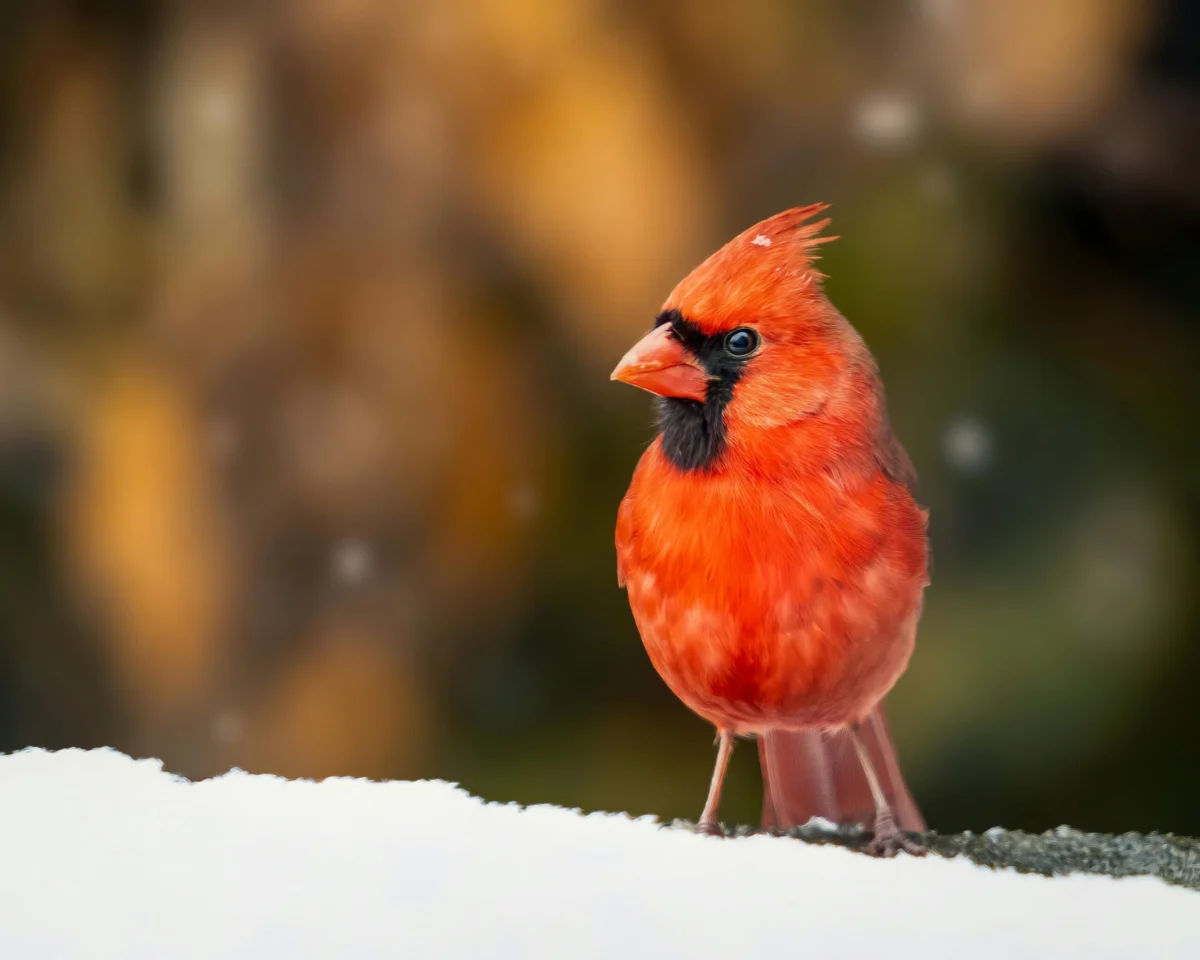
Beyond the robin, a host of other species consistently appear in backyards and urban green spaces across the nation. The Northern Cardinal, with its striking crimson plumage, is an undeniable beacon in the avian landscape. Male cardinals are particularly arresting, their vivid color making them a focal point whether perched in a shrub, visiting a feeder, or navigating low branches. Even those with no particular interest in birds often notice cardinals due to their unmistakable brilliance. These birds are frequently found in yards adorned with bushes, hedges, or feeders, and they tend to linger longer in view than many smaller, more skittish species. Their deliberate movements and conspicuous presence contribute to their easy identification and memorability.

Another common sight is the Mourning Dove, recognized for its gentle and calm demeanor. Larger than many common backyard birds, they tend to walk with a deliberate slowness across the ground, a stark contrast to the hopping of robins. Their soft, melancholic coo is a sound familiar to many, even if the source isn’t immediately identified. Mourning Doves are often observed on lawns, driveways, fences, and power lines, displaying a comfort with open spaces and frequently appearing in pairs or small groups. Their tranquil behavior and noticeable size make them a memorable species for beginners.
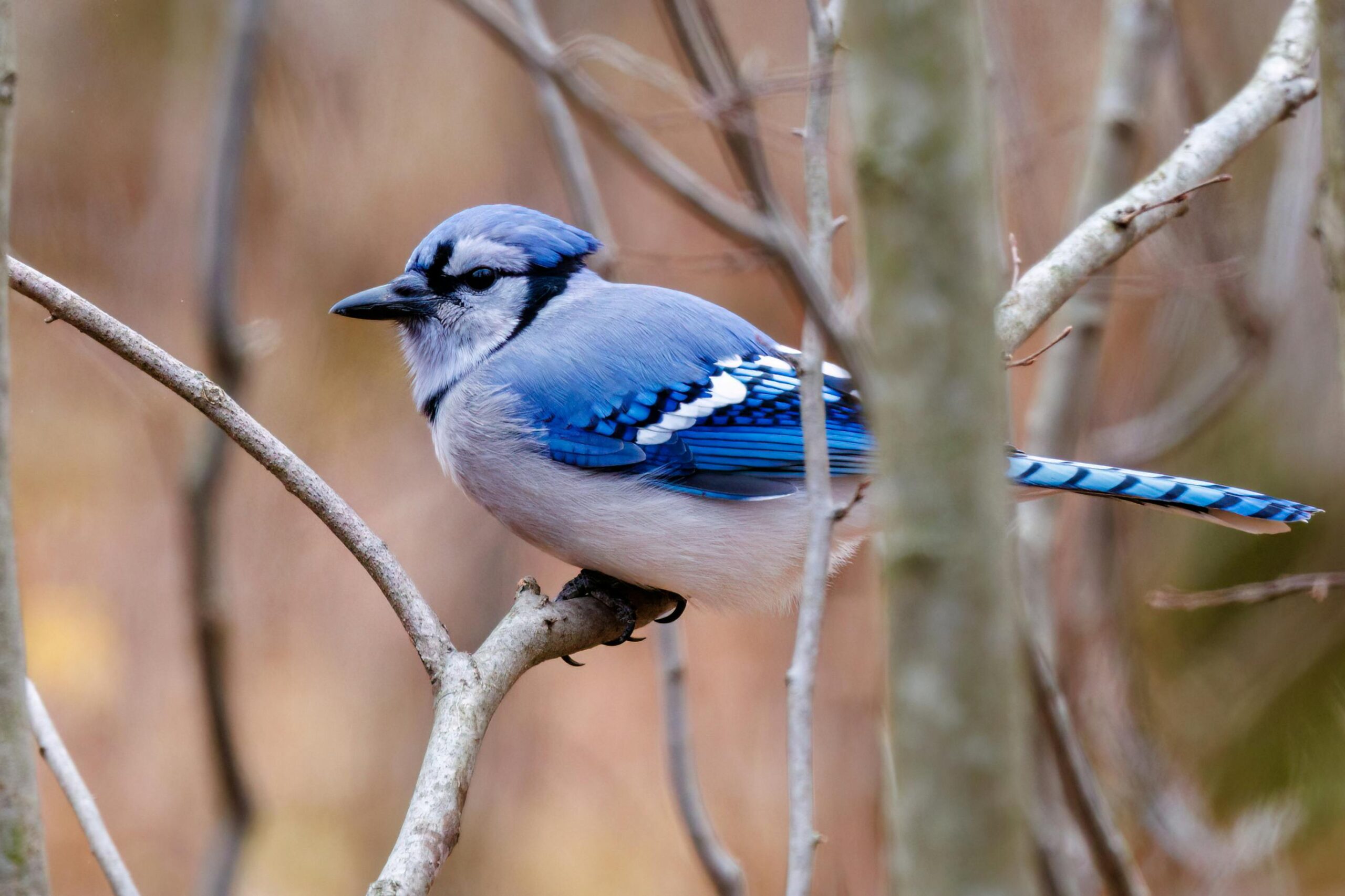
The Blue Jay is equally difficult to overlook, its vibrant blue coloration, bold markings, and loud, distinctive calls immediately drawing attention. Many people become aware of Blue Jays through their calls echoing through neighborhoods before they even catch sight of the bird. These intelligent corvids are frequently seen traversing between trees, frequenting feeders, or perching high above open areas. Their confident demeanor and vocal nature make them prominent figures in any local bird population.

Equally recognizable is the American Crow. These large, uniformly black birds are often observed soaring overhead or gathering in open areas. Their raucous calls and gregarious behavior make them noticeable even to those not actively seeking out birds. Crows are adaptable and can be found in virtually any environment, from city streets to suburban gardens and rural fields, often traveling in groups and perching on rooftops, trees, or utility poles. Their intelligence and expressive interactions contribute to their lasting impression on observers.
Small Birds, Big Presence
Among the smaller species, the House Sparrow and the European Starling are remarkably widespread. House Sparrows, often overlooked due to their commonality, are frequently seen hopping along sidewalks, congregating near buildings, or foraging in small groups on the ground. Their ability to blend into urban surroundings can lead to them being noticed without specific identification. These birds thrive in close proximity to humans, making yards, parking lots, and outdoor seating areas their preferred habitats. Recognizing House Sparrows helps beginners distinguish background movement from intentional observations, revealing their sheer frequency.

European Starlings are also notable for their group behavior and constant movement. They often appear in flocks, moving rapidly across lawns, rooftops, and open spaces. Their dark plumage can appear glossy or speckled depending on the light, sometimes leading to confusion. Starlings are ubiquitous in urban and suburban areas, commonly found near buildings, fields, and parking lots. Their ceaseless activity and social nature make them hard to miss once they are identified.
The Black-Capped Chickadee, despite its small size, possesses a significant presence. These active, curious birds are frequent visitors to feeders, darting in to snatch food before retreating to nearby branches. Their distinctive black and white markings aid in their identification. Chickadees are most often found in yards with trees or feeders, displaying a comfortable proximity to people. Their boldness and vocal nature make them memorable for beginners.
The Downy Woodpecker, the smallest of North America’s woodpeckers, is often the first of its kind encountered by beginners. Its small size and black-and-white pattern, coupled with its habit of climbing tree trunks or visiting feeders, make it recognizable. Many people hear the characteristic tapping sound before spotting the bird. Downy Woodpeckers are common in yards with trees and are frequently seen ascending branches and trunks. Recognizing a Downy Woodpecker can serve as an introduction to identifying other woodpecker species.
Notable Visitors to Feeders and Gardens
The House Finch, a common visitor to feeders and open yards, is often seen in small groups. Males are distinguished by their reddish heads and chests, a feature that helps them stand out. These finches are comfortable around people and are frequently observed near homes, gardens, and sidewalks, their regular appearance and visibility making them easy for beginners to recognize.

The Dark-Eyed Junco, often more noticeable during cooler months, is a small gray bird that spends considerable time hopping on the ground, frequently in groups. The flash of its white outer tail feathers when it flies is a distinctive characteristic. Juncos are commonly found in yards, parks, and near shrubs, foraging on the ground. Their ground-dwelling habits and distinct movement set them apart for new observers.
The White-Breasted Nuthatch is memorable for its unique locomotion, often observed climbing headfirst down tree trunks, a behavior that often surprises novice birdwatchers. Their sharp calls also help draw attention. Nuthatches are commonly seen on trees in yards and parks and are frequent visitors to feeders. Once noticed, their unusual movement makes them easy to re-identify.

The American Goldfinch is renowned for its vibrant coloration. During warmer months, males are a vivid yellow, making them highly conspicuous. In winter, their plumage becomes more muted, which can be a point of interest for beginners. Goldfinches are often seen in small flocks flying between plants and feeders, particularly in open yards. Their seasonal color change is a unique characteristic that helps beginners remember them.
The Tufted Titmouse, a small gray bird with a distinctive crest, is a frequent visitor to feeders and often travels with chickadees. They move quickly between trees and feeding stations and are most commonly seen in wooded yards and suburban neighborhoods. Once the crest and characteristic behavior are recognized, titmice become easily identifiable.

The Song Sparrow, a small brown bird, is often found near shrubs and low vegetation, spending much of its time on the ground or in dense cover, hopping in and out of view. They are common in yards, gardens, and parks but can be easily overlooked until one begins to notice movement near bushes.
The Northern Mockingbird is often recognized by its remarkable vocalizations. These birds sing loudly and frequently, often from prominent perches like rooftops or fences, their songs audible day and night. Mockingbirds are common in open yards and urban areas, and their bold, vocal nature makes them memorable.

The Red-Winged Blackbird is frequently observed near open areas and wetlands. Males are particularly striking due to their red and yellow shoulder patches, which are visible when they move or call. They are commonly seen perched on fences or flying low over fields, their distinctive markings and loud calls making them memorable.
The Common Grackle is a larger bird than many people initially realize. They often gather in noisy flocks and are frequently seen in parking lots, lawns, and open spaces. Their glossy feathers, which shine in the light, make them stand out once noticed. Beginners may initially confuse them with starlings until they observe differences in size and behavior.

The Northern House Wren, though small, possesses a powerful voice. These birds are often heard singing loudly from shrubs, fences, or small trees before they are seen. They are common in yards with dense vegetation or nesting boxes, and their song’s volume relative to their size is a memorable characteristic.
The Eastern Bluebird is often spotted perched in open areas, its bright blue and rusty orange coloring making it stand out when visible. Bluebirds are commonly seen on fence posts or wires in open yards and fields. Their striking coloration and calm presence make them easily remembered.

The Ecological and Social Significance of Common Birds
The prevalence of these twenty bird species is not merely a matter of casual observation; it reflects their remarkable adaptability and their integral role within various ecosystems. These birds, often referred to as urban or suburban dwellers, have successfully integrated into human-modified landscapes, demonstrating a resilience that allows them to thrive alongside us. Their presence offers tangible benefits, contributing to insect control in gardens, aiding in seed dispersal, and acting as indicators of environmental health.
The study of these common species provides a crucial foundation for understanding broader ecological principles. For instance, the varying dietary habits of these birds—from the insectivorous American Robin and House Wren to the seed-eating House Finch and American Goldfinch—illustrate niche partitioning within shared environments. Their nesting behaviors, whether in trees, shrubs, or cavities, highlight diverse reproductive strategies.

Furthermore, the increasing human encroachment on natural habitats has, in many cases, favored species that can adapt to urban and suburban settings. The success of birds like the House Sparrow and European Starling, while sometimes viewed as a nuisance, is a testament to their ability to exploit human-provided resources and modified landscapes. This adaptability, however, can also lead to competition with native species, underscoring the complex interplay between introduced and indigenous wildlife.
The phenomenon of these birds becoming more noticeable as one begins to pay attention is a testament to the power of focused observation. This process mirrors the fundamental practices of ecological monitoring and citizen science. When individuals start identifying these common species, they are engaging in a form of data collection that, when aggregated, can provide valuable insights into bird populations, migration patterns, and habitat usage. Organizations like the Cornell Lab of Ornithology, through initiatives like eBird, rely heavily on the observations of backyard birdwatchers to track bird populations on a continental scale. These common birds, therefore, are not just passive observers of human life; they are active participants in our environment, offering opportunities for learning, engagement, and conservation.

The continued presence and visibility of these twenty species underscore their importance in fostering a connection between people and the natural world. They are the readily accessible ambassadors of wildlife, inviting curiosity and encouraging a deeper appreciation for the biodiversity that surrounds us, even in the most developed areas. Recognizing them is the first step in understanding and protecting the intricate web of life that sustains our planet.
