


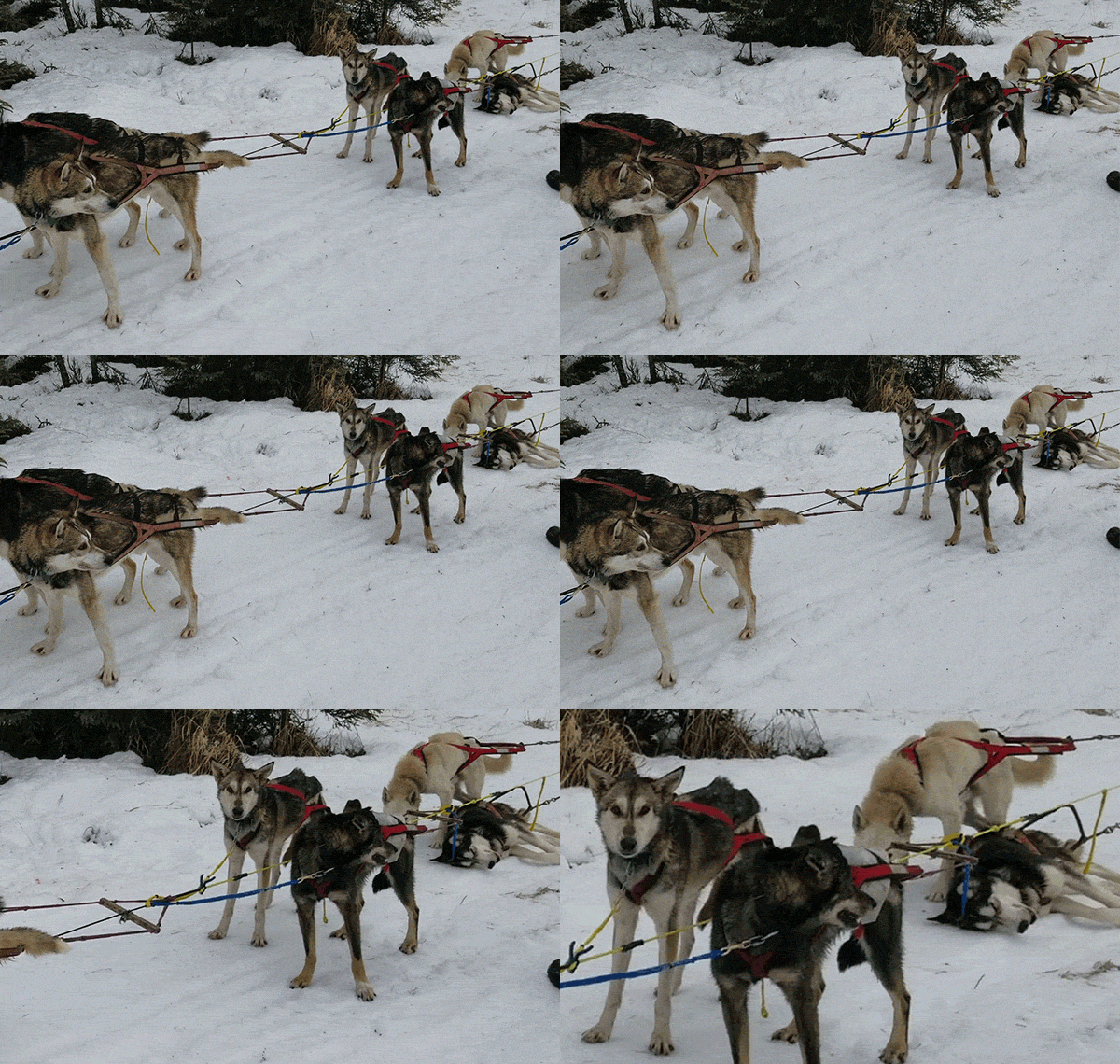
The 2026 Iditarod Trail Sled Dog Race, a nearly 1,000-mile endurance test across the unforgiving Alaskan wilderness, has reached its conclusion in Nome, yet the finish line festivities have been overshadowed by reports of dog deaths, widespread illness, and intense scrutiny from animal rights organizations. As the 54th running of the "Last Great Race on Earth" comes to a close, the event faces a pivotal moment in its history, caught between the preservation of Alaskan tradition and a modern global shift in animal welfare standards. While mushers celebrated their arrival on the Bering Sea coast, the logistical and ethical reality of the race has sparked a renewed debate regarding the physical toll the competition exacts on the canine athletes at its center.
A Fatal Toll on the Trail
The most somber development of the 2026 race was the confirmed death of Charley, a four-year-old female dog competing on the team of veteran musher Mille Porsild. Charley collapsed and died after being forced to run more than 800 miles through some of the trail’s most grueling sections. According to reports from the trail, Charley’s death is consistent with a pattern of fatalities in long-distance sledding often attributed to aspiration pneumonia—a condition where dogs inhale their own vomit due to extreme physical exertion—or sudden cardiac failure.
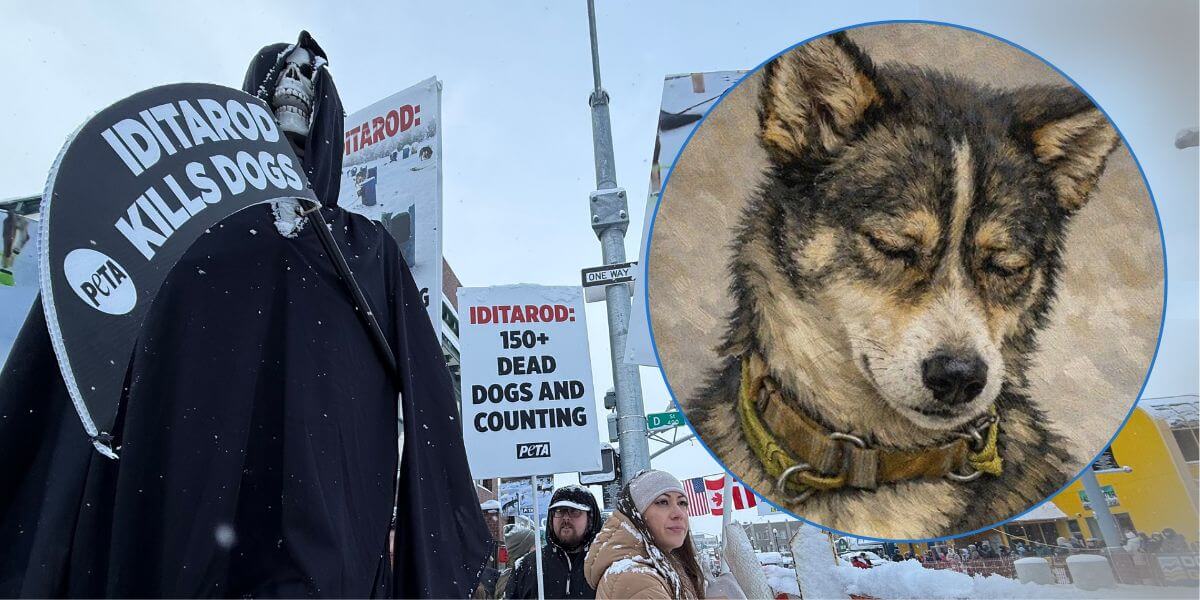
Charley’s death marks another addition to a historical tally that animal rights groups claim exceeds 150 canine fatalities since the race’s inception in 1973. Veterinary experts noted that before Charley’s collapse, Porsild had already dropped two other dogs from her team due to exhaustion or injury, a common practice that critics argue places an increased physical burden on the remaining dogs, who must pull the same sled weight with fewer resources.
Competitive Highlights and Controversy
The 2026 winner, Jessie Holmes, crossed the finish line to claim the title, but his victory has not been without controversy. Holmes, a well-known figure in the mushing community, completed the race with a diminished team after four of his dogs were removed at various checkpoints due to illness or injury. Holmes has previously faced criticism for his training methods and kennel management. In 2019, he drew fire for a video showing dogs forced to navigate neck-deep floodwaters while hauling equipment, and in 2022, he was involved in an incident where several of his dogs were loose in a hotel parking lot, leading to the death of a local resident’s companion animal.
Further complicating the optics of this year’s race was the participation of Kjell Røkke, a Norwegian billionaire who reportedly paid the Iditarod Trail Committee (ITC) upwards of $300,000 to enter an "expedition" class. Røkke was the first to reach Nome, but his journey followed a different set of regulations than the competitive mushers. As an expedition entrant, Røkke was permitted to swap dogs out at checkpoints and was not subject to the same mandatory rest requirements or minimum dog counts as the professional field. Critics, including PETA, argued that Røkke’s entry effectively commodified the suffering of the dogs for a "vanity expedition," noting that his partner, Thomas Waerner, was forced to withdraw after several dogs contracted kennel cough.
Chronology of the 2026 Race Incidents
The 2026 Iditarod was defined by a series of logistical failures and health crises that began almost immediately after the ceremonial start in Anchorage.
March 6–8: The Ceremonial Start and Early Protests
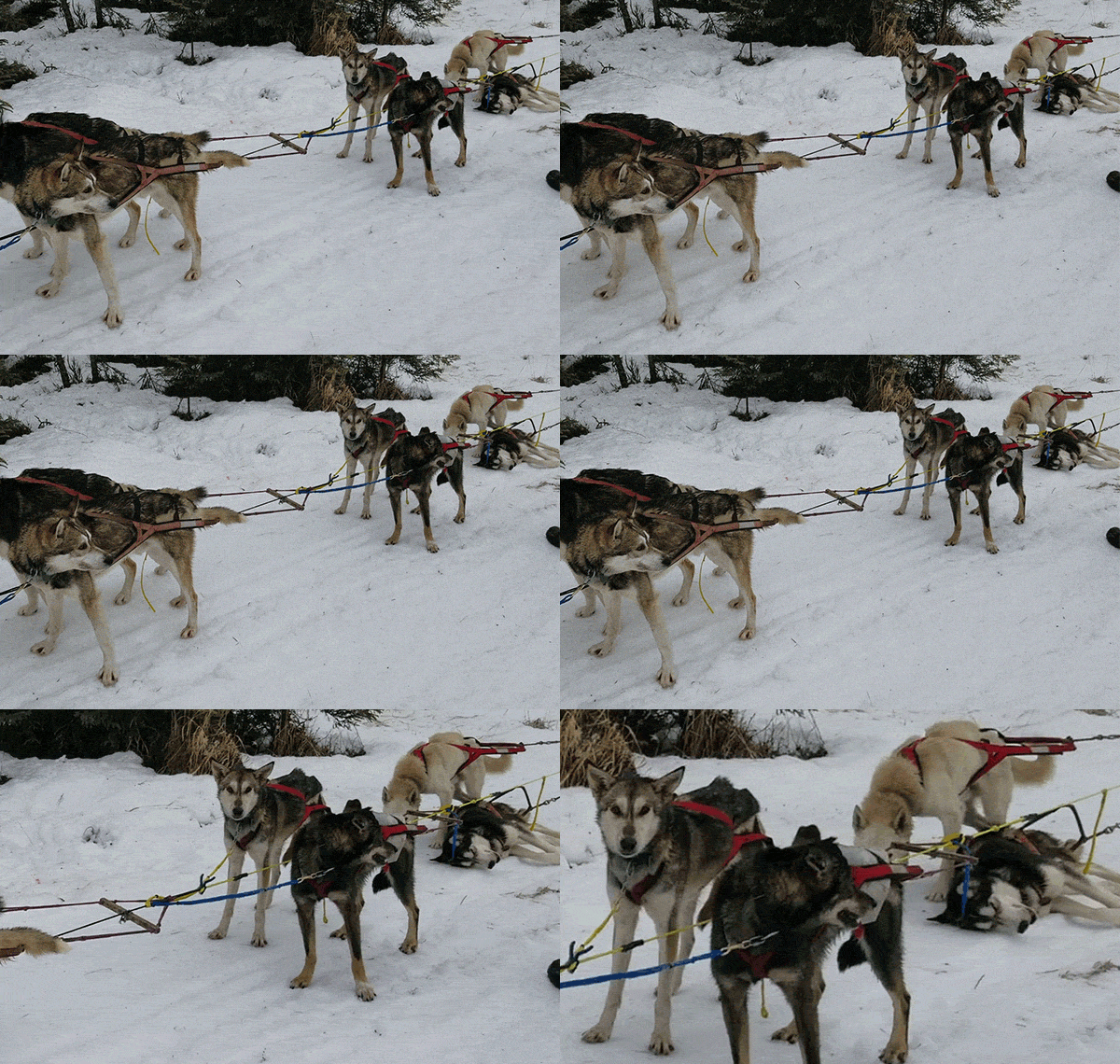
The race began under the shadow of heavy protests. Activists dressed as Grim Reapers gathered at the Mushers Banquet Gala and the official restart in Willow, signaling a grim outlook for the dogs. Within the first 48 hours, reports emerged of high winds exceeding 60 miles per hour, which battered teams and caused several mushers to lose their bearings.
March 11–13: Extreme Weather and Injuries
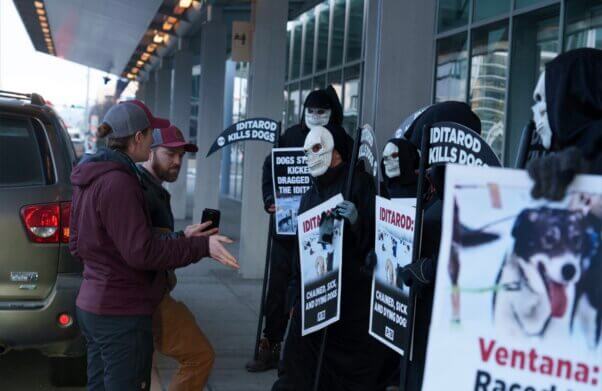
As the teams moved into the Alaskan interior, the physical toll became apparent. Musher Jessie Royer reportedly lost control of her team three separate times, once walking over a mile in the snow to recover her dogs after a crash. During this period, more than 70 dogs were officially "dropped" (removed from the race) at checkpoints. Injuries ranged from ripped-off claws to severe skin infections caused by the abrasive ice and extreme cold. Musher Jeff Deeter was noted for continuing to run a dog with known neck and shoulder issues before eventually being forced to leave the animal at a checkpoint.

March 14–16: The Spread of Respiratory Illness
Midway through the race, a highly contagious respiratory infection, identified by many as kennel cough, began circulating through the dog lots. Thomas Waerner and Jody Potts-Joseph were among those who withdrew to prevent further spread, but other mushers admitted that viruses were active in teams that continued to Nome. Meanwhile, musher Jason Mackey reported that multiple dogs on his team had developed pneumonia, a life-threatening complication in the sub-zero environment.
March 17–20: The Conclusion and Post-Race Evidence
Following the finish, eyewitness video emerged showing dogs in Nome shivering violently, crying, and being dragged by their collars. The footage, disseminated by animal welfare advocates, aimed to counter the "heroic" narrative of the race by showing the exhaustion and distress of the animals post-competition.
Supporting Data and Veterinary Concerns
The Iditarod Trail Committee maintains that it employs a rigorous system of veterinary checks, with dozens of volunteer veterinarians stationed at checkpoints to monitor the health of the dogs. However, a recent white paper released by animal welfare researchers provides a different perspective on the long-term health impacts of endurance racing. The study suggests that the "canine athlete" model used by the Iditarod masks systemic physical damage, including:
- Stomach Lesions: Up to 60% of dogs who complete high-intensity sled races show evidence of gastric erosions or ulcers.
- Muscle Breakdown: Chronic inflammation and muscle fiber damage are common, often persisting for weeks after the race concludes.
- Cardiac Strain: Endurance dogs frequently exhibit heart muscle scarring and rhythm irregularities not seen in non-working dogs.
- Aspiration Pneumonia: This remains the leading cause of death on the trail, often occurring silently until the dog collapses.
In the 2026 race alone, over 180 dogs were pulled from the trail before reaching Nome. While the ITC characterizes these removals as a sign that the safety system is working, critics argue that the sheer volume of removals—nearly 50% of the starting canine population in some years—indicates that the race is fundamentally incompatible with animal safety.
Shifting Sponsorship and Economic Pressure
The economic foundation of the Iditarod has seen significant erosion over the last decade. Historically, the race was backed by major American corporations, but a sustained campaign by PETA and other organizations has led to a mass exodus of sponsors. Brands such as Alaska Airlines, Chrysler, Coca-Cola, ExxonMobil, and Wells Fargo have all severed ties with the event in recent years.
The remaining sponsors face increasing pressure. In 2026, activists focused their efforts on the hospitality industry and local Alaskan businesses, arguing that the "blood on the trail" makes the race a liability for any modern brand. The entry of high-net-worth individuals like Kjell Røkke suggests a potential shift in the race’s funding model toward private patronage as corporate dollars become harder to secure.

Broader Impact and Implications
The 2026 Iditarod highlights a growing cultural rift. To many Alaskans, the race is a tribute to the 1925 "Serum Run" to Nome and a celebration of the unique bond between humans and working dogs in the Arctic. To a global audience, however, the spectacle of dogs running to the point of collapse for a cash prize is increasingly viewed as an anachronism.
The death of Charley and the high rate of illness in this year’s race will likely fuel legislative efforts to implement stricter oversight of the event. While the Iditarod has survived decades of criticism, the combination of declining sponsorship, visible animal suffering, and the rise of digital media—which allows for real-time documentation of trail conditions—presents an existential threat to the race’s future.
As the mushers return to their kennels and the dogs begin a period of recovery, the conversation remains focused on whether the "Last Great Race" can evolve or if the 2026 edition has brought it one step closer to a permanent finish line. The Iditarod Trail Committee has yet to release a comprehensive post-race report regarding the total number of injuries, but the evidence gathered by observers on the ground suggests that the 2026 race was one of the most taxing in recent memory. For now, the debate over the ethics of long-distance mushing continues, with the memory of Charley serving as a catalyst for those demanding an end to the tradition.
