


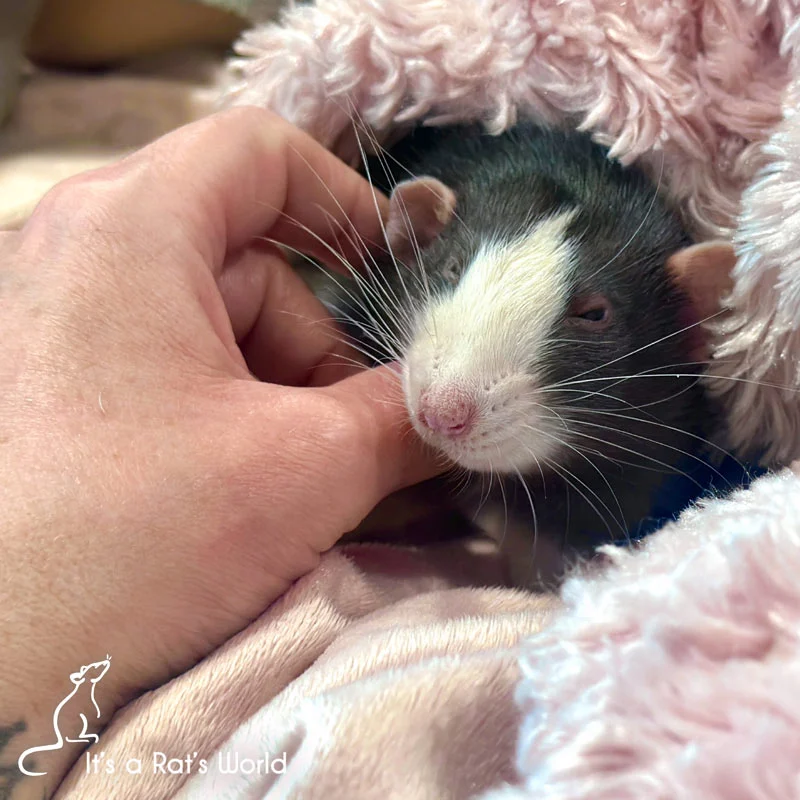
For many, the idea of petting a rat conjures images of unease, stemming from widespread misconceptions about these intelligent and social creatures. However, for those who have welcomed rats into their homes as companions, the experience is often profoundly therapeutic, offering a unique form of stress relief and emotional connection. The gentle feel of their fur, the velvety texture of their ears, and the subtle tickle of their whiskers can indeed provide a deeply soothing sensation, akin to a form of personal therapy. This sentiment is not merely anecdotal; scientific research increasingly supports the notion that interacting with animals, including rats, offers tangible therapeutic benefits, not only for humans but also for the animals themselves.
The Evolving Perception of Rats as Companions
Historically, rats have been relegated to the periphery of human society, often associated with disease and infestation. This negative perception, perpetuated through centuries of folklore and media portrayals, has made it challenging for their positive attributes as pets to gain mainstream recognition. However, in recent decades, a growing community of rat enthusiasts and owners has emerged, championing these animals for their intelligence, trainability, and capacity for deep affection. This shift in perception is crucial for understanding why many rats not only tolerate but actively seek out physical interaction with their human caregivers.
The domestication of rats for companionship is a relatively recent phenomenon compared to that of dogs or cats. Selective breeding has enhanced their docility and social tendencies, making them well-suited for close interaction. This evolution in their role within human households has paved the way for a deeper understanding of their communication signals and preferences regarding touch.
Do Rats Enjoy Being Handled? Decoding Their Affectionate Signals
For newcomers to rat ownership, the initial interactions can sometimes be met with apprehension from the animals. New rats may appear skittish or jumpy, leading to questions about whether they genuinely enjoy being petted. The consensus among experienced owners and animal behaviorists is a resounding yes, with most rats expressing enjoyment of physical contact in various ways.
Rats are inherently tactile creatures, accustomed to frequent physical interaction within their own social groups. This innate need for physical connection extends to their relationships with humans. Domesticated rats often actively seek out affection from their owners, sometimes expressing their contentment through specific behaviors. The most notable of these are "bruxing," a gentle grinding of their teeth, and "boggling," a rhythmic vibration of their eyes. These behaviors are widely interpreted as indicators of deep pleasure and relaxation, analogous to a cat’s purr.
However, it is important to acknowledge that not all rats will immediately embrace petting. Just as with any sentient being, individual personalities vary. Rats that exhibit skittishness or try to evade touch are not necessarily uninterested; they may simply be more cautious or require a more gradual approach to building trust. Understanding these individual differences is key to successful interaction.
To navigate these nuances, resources such as Brandi Saxton’s article, "Honoring Your Rat’s Personal Space," offer invaluable insights. This piece delves into the specific ways rats communicate their preferences for touch, exploring the underlying reasons for these preferences. It emphasizes the importance of daily physical contact for even the most independent or timid rats, while stressing the necessity of respecting their boundaries. Furthermore, Saxton’s article, "Helping A Scared Pet Rat," provides practical strategies for building trust and encouraging shy rats to become more outgoing.
The Art of Petting: Identifying Preferred Spots and Techniques
Determining where and how a rat enjoys being petted is an art that requires observation and a willingness to experiment. While general preferences exist, each rat possesses a unique set of likes and dislikes.
Commonly Preferred Petting Areas:
- Head and Face: Many rats enjoy gentle strokes on their head, particularly across the bridge of their nose and behind their ears. Soft massages at the base of the skull can also be very soothing.
- Back and Shoulders: The broad surface of their back and shoulders are often prime spots for petting. Long, smooth strokes can be particularly enjoyable.
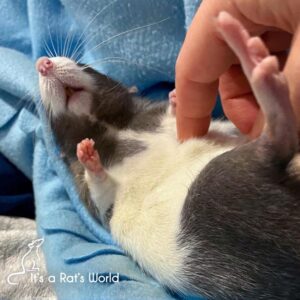
- Stomach: While some rats are more sensitive about their undersides, many revel in gentle tummy rubs. This area can be particularly rewarding for bonding.
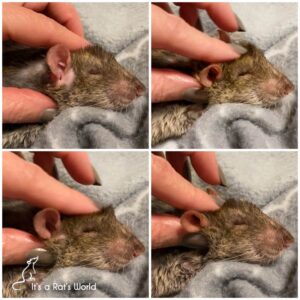
- Ears and Feet: The delicate ears and small feet of rats can also be receptive to gentle massage.
- Tail: Some rats tolerate, and even enjoy, having their tails gently stroked from base to tip. It’s important to note that stroking against the natural growth of the tail’s hair can be uncomfortable.
Interpreting Their Signals:
Rats are adept at communicating their comfort levels. If a rat pulls away, squirms, or uses its tiny hands to gently push your fingers away, it’s a clear indication that they are not enjoying the touch or are in a specific area they prefer not to have touched at that moment. While these rejections can feel disappointing, they are crucial for learning your rat’s individual preferences.
Individual Preferences and the Spectrum of Rat Personalities
The individuality of rats is perhaps one of their most charming traits. Some rats may adore having their heads stroked but become agitated when their backs are petted. Conversely, others might be indifferent to head scratches but enthusiastically accept tummy rubs. Some rats are more receptive to petting when they are in their cage or sitting beside their owner, while others only enjoy it when being held.
This variability can extend to their mood. A rat that might reject petting one moment could become insistent on receiving attention seconds later, especially if they observe their cage mates receiving affection. This "jealousy" can manifest in charmingly assertive ways, such as nudging their head under your hand or even playfully pushing a sibling aside to get their share of attention. Anecdotal evidence, such as videos of rats engaging in minor sibling rivalries for petting time, highlights their strong desire for social interaction and affection.
The Science Behind Pet Therapy and Animal Well-being
The therapeutic benefits of animal interaction are well-documented. Petting animals has been shown to lower blood pressure, reduce stress hormones like cortisol, and increase the release of oxytocin, a hormone associated with bonding and well-being. This effect is reciprocal; animals also benefit from positive human interaction. For rats, gentle petting and grooming can alleviate anxiety, strengthen their bond with their owner, and contribute to their overall mental and emotional health.
Research published in journals such as Anthrozoös has explored the physiological effects of human-animal interaction. Studies have indicated that the simple act of petting a companion animal can lead to measurable reductions in heart rate and blood pressure in humans. This biological response is thought to be mediated by the parasympathetic nervous system, promoting relaxation and a sense of calm.
For rats, this interaction can also reinforce their social bonds, which are crucial for their well-being. In their natural state, rats are highly social animals, living in complex hierarchies and relying on mutual grooming and physical proximity for social cohesion. Domesticated rats retain these social needs, and positive physical interactions with their human caregivers fulfill these requirements, leading to a more contented and well-adjusted pet.
Techniques for Effective and Enjoyable Rat Petting
When approaching your rat for petting, gentleness and attentiveness are paramount. Rats are delicate creatures, and their comfort should always be the priority.
Back and Body Strokes:
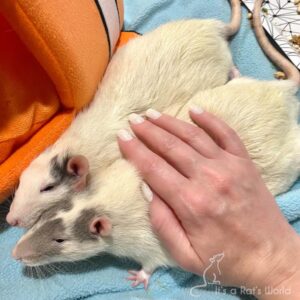
For their backs, you can either run your fingers through their fur or use your entire hand for long, sweeping strokes from the base of their tail towards their shoulders. Going against the direction of fur growth is generally not an issue for most rats. For hairless rats, treat their skin with the same gentle touch you would use on a human arm. When a rat is particularly relaxed and lying flat ("pancaking"), extending your palm over their entire back and shoulders can be very comforting.
Head and Face Petting:
When interacting with their face, using one or two fingers is advisable. Gently trace the bridge of their nose or lightly sweep your fingers across their face, following the direction of their whiskers. If their eyes are closed, you can delicately pet over them. Some rats even enjoy gentle facial massages or specific attention to their nose.
Ears, Feet, and Tail:
The ears and feet can be gently massaged between your thumb and forefinger. During moments of deep relaxation or sleep, you might find your rat allows you to gently stroke their tail from base to tip. Avoid stroking against the grain of the tail’s hair.
Massage and Relaxation:
Many rats respond exceptionally well to gentle massage, particularly around their shoulders and the base of their head, just behind their ears. Massaging them while they are lying on their backs can be a particularly effective way to induce a state of deep relaxation.
The Profound Impact on Bonding and Well-being
The act of petting your rat is more than just a physical interaction; it is a fundamental aspect of building a strong and trusting bond. Consistent, gentle, and respectful physical contact helps your rat learn to trust you implicitly. This trust translates into a deeper relationship, characterized by mutual understanding and affection.
Moreover, taking the time to be present in these quiet moments with your rat offers significant benefits for your own well-being. In our fast-paced world, these interactions provide a valuable opportunity to de-stress, disconnect from daily pressures, and cultivate a sense of calm and mindfulness. The quiet companionship of a contented rat, perhaps dozing in your lap while you gently stroke their fur, can be a profoundly rewarding experience, offering solace and a renewed sense of connection to the natural world.
The consistent practice of bonding through touch not only strengthens the human-animal connection but also contributes to the rat’s overall quality of life. A rat that feels safe, loved, and understood is more likely to exhibit positive behaviors, maintain good health, and live a longer, happier life. This reciprocal relationship, built on the foundation of gentle touch and mutual respect, underscores the often-overlooked emotional depth and capacity for affection found in these remarkable rodents.
In conclusion, the "art" of petting rats is intrinsically linked to the science of animal behavior and the profound benefits of human-animal interaction. By understanding their communication, respecting their individuality, and employing gentle techniques, owners can unlock a deeply rewarding dimension of companionship, fostering a bond that enriches both human and rodent lives.
