


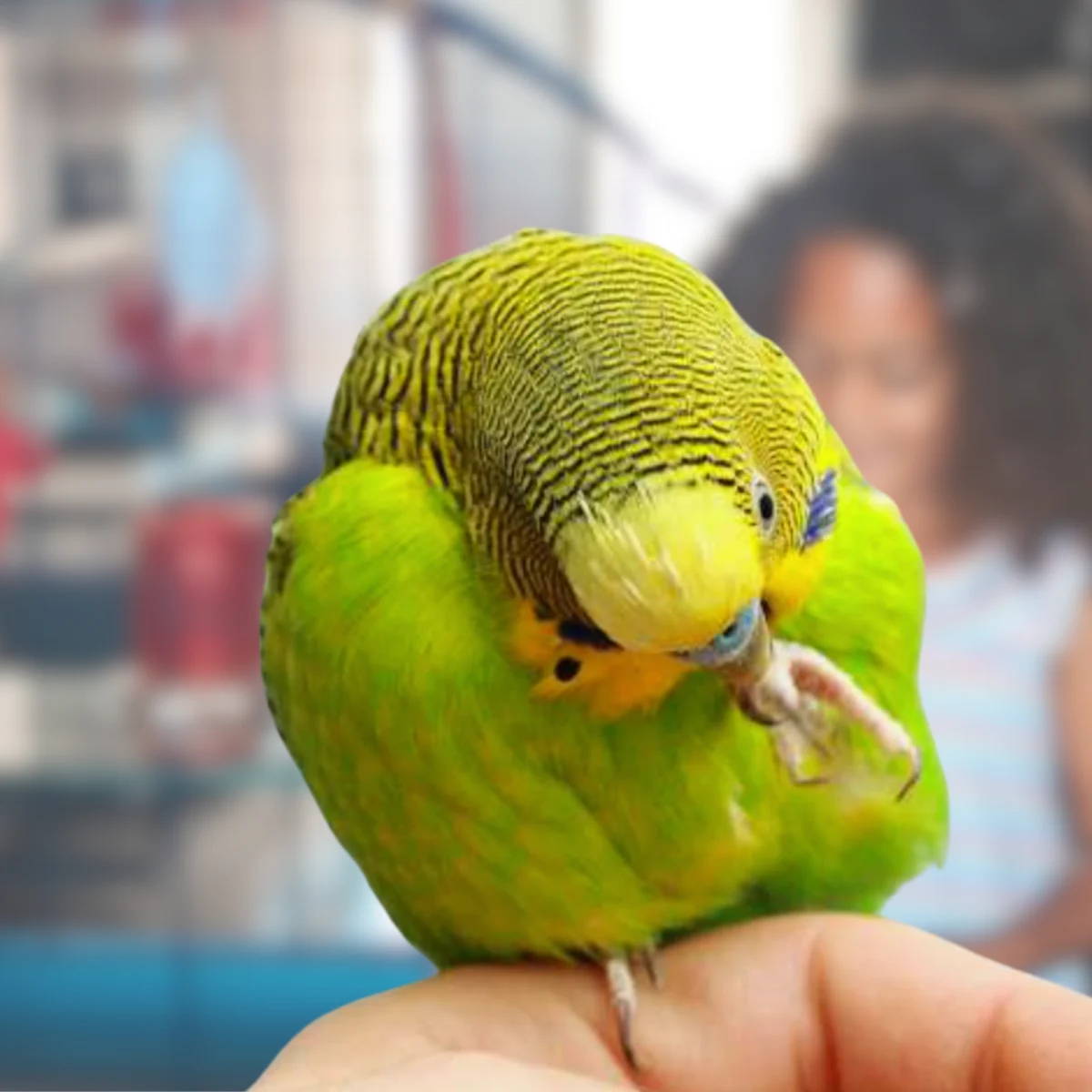
When a bird begins to chew its own feet, it signals a grave underlying issue demanding immediate attention from pet owners. This distressing behavior, while less common than feather plucking, serves as a critical red flag indicating pain, severe stress, or illness, and can rapidly escalate into a life-threatening emergency. Unlike the sometimes chronic and less immediately destructive nature of feather plucking, foot chewing carries a heightened risk of rapid tissue damage, open wounds, infection, and profound systemic distress. Published on June 3, 2025, with the latest update on December 27, 2025, this comprehensive guide, informed by avian wellness expert Diane Burroughs, aims to equip bird parents with the knowledge and initial steps to address this crisis, ease their bird’s suffering, and navigate towards professional veterinary care.
Understanding the Alarming Phenomenon of Avian Pododermatitis and Self-Mutilation
Bird foot chewing is a form of self-mutilation, a severe behavioral manifestation that underscores significant distress within an avian companion. Birds, by their very nature, are masters at concealing illness and pain, a survival instinct honed over millennia in the wild to avoid appearing vulnerable to predators. This innate ability makes it particularly challenging for owners to detect early signs of discomfort, often meaning that by the time a bird resorts to self-chewing, its suffering has reached a critical threshold. The foot, being constantly used for perching, gripping, and movement, is highly susceptible to rapid deterioration once injured or inflamed. Even minor irritation can quickly transform into a painful, debilitating wound, opening the door to secondary bacterial or fungal infections that can spread systemically, posing a grave threat to the bird’s overall health and even its life.
Avian experts and behavioral studies indicate that while exact percentages for all species are not uniformly documented, foot chewing is universally recognized as a major red flag. It is not merely a "quirky" habit but a desperate plea for help, signaling deep-seated pain, chronic irritation, or profound psychological anxiety. The urgency associated with foot chewing surpasses that of feather plucking because the physical damage can occur much faster and more severely, potentially compromising the bird’s ability to perch, move, and even feed itself. Prompt and informed intervention is paramount.
Decoding the Root Causes: Why Birds Engage in Self-Destructive Foot Chewing
The reasons behind a bird chewing its feet are multifaceted and often interconnected, falling broadly into categories of pain, stress, or illness. Identifying the specific trigger is crucial for effective treatment and long-term prevention.
1. Physical Pain and Injury:
This is perhaps the most direct cause. Birds may chew their feet due to:
- Trauma: Accidental injuries from falls, collisions, entanglement in toys or cage bars, or even aggressive interactions with other birds.
- Burns: Contact with hot surfaces, heated perches, or even certain chemicals.
- Puncture Wounds/Splinters: From rough perches, broken toys, or foreign objects in the cage.
- Infections: Bacterial, fungal, or viral infections affecting the skin, nails, or deeper tissues of the foot. These can stem from untreated wounds, unsanitary conditions, or systemic disease.
- Pododermatitis (Bumblefoot): A common inflammatory condition of the footpads, often caused by inappropriate perches (too smooth, too rough, wrong diameter), obesity, or vitamin A deficiency. If left untreated, bumblefoot can lead to deep abscesses and bone infections.
- Arthritis or Gout: Degenerative joint diseases or metabolic disorders that cause painful inflammation in the joints, including those in the feet.
- Nail Problems: Overgrown, broken, or ingrown nails can cause discomfort and lead to chewing.
- Insect Bites or Parasites: Irritation from mites or other external parasites can lead to intense itching and subsequent chewing.
2. Environmental and Psychological Stress:
Birds are highly intelligent and sensitive creatures, susceptible to stress that can manifest physically:
- Boredom and Lack of Enrichment: A common issue in captivity. Birds need constant mental and physical stimulation. A lack of appropriate toys, foraging opportunities, or social interaction can lead to profound boredom and anxiety, redirected towards self-mutilation.
- Environmental Changes: A new pet, a change in household dynamics, relocation, loud noises, or even subtle shifts in routine can be highly stressful.
- Social Isolation or Over-Stimulation: Some species thrive in social groups and suffer from loneliness, while others may become stressed by constant human interaction or an overly busy household.
- Inadequate Cage Size or Perching: A cage that is too small restricts movement, and inappropriate perches can cause discomfort and stress over time.
- Poor Sleep Patterns: Birds require significant undisturbed sleep. Disrupted sleep due to light, noise, or irregular schedules can lead to chronic stress.
- Specific Species Predisposition: Certain species, particularly highly intelligent and emotionally complex parrots like Cockatoos and African Greys, are known to be more prone to self-mutilation behaviors when their psychological and environmental needs are not met. Their high intelligence and sensitivity can make them particularly susceptible to anxiety and boredom.
3. Systemic Illness:
Sometimes, foot chewing is a symptom of a broader health issue:
- Nutritional Deficiencies: Lack of essential vitamins (e.g., Vitamin A) or minerals can compromise skin integrity, immune function, and overall health, making feet more susceptible to problems.
- Kidney or Liver Disease: These conditions can lead to poor circulation, nerve damage, or toxin buildup, causing discomfort or itching in the extremities.
- Circulatory Problems: Conditions that impair blood flow to the feet can cause pain, tingling, or numbness, prompting the bird to chew.
- Metabolic Disorders: Issues like hypocalcemia can affect bone and nerve health, indirectly leading to foot problems.
Early Detection: Recognizing the Critical Warning Signs of Serious Foot Problems
Being a diligent bird parent requires keen observation, as birds excel at masking pain. Recognizing the early signs of serious foot problems is crucial for timely intervention. Owners must adopt a "detective" mindset, carefully observing their bird’s behavior and physical condition.
Beyond the obvious act of chewing, look for these critical indicators:
- Bleeding or Open Wounds: Any visible blood, raw spots, or breaks in the skin are an immediate emergency.
- Redness or Swelling: Inflammation around the toes, joints, or footpads.
- Discoloration: Unusual color changes, such as dark spots (bruising) or pale areas (poor circulation).
- Missing Nails or Scabby Spots: Indicates chronic damage or previous injury.
- Limping or Avoiding Pressure: The bird may favor one foot, shift weight frequently, or refuse to put pressure on the affected limb.
- Reluctance to Perch: Preferring to sit at the bottom of the cage or on a flat surface.
- Changes in Perching Behavior: Clasping perches unusually tightly, or constantly repositioning feet.
- Feather Ruffling or Hunching: General signs of discomfort or illness.
- Decreased Activity or Appetite: Indicating systemic illness or severe pain.
- Changes in Vocalization: Increased chirping, squawking, or, conversely, unusual silence.
- Foul Odor: A sign of infection.
- Pus or Discharge: Indicates a serious infection.
Immediate Response: First Aid Protocols for an Injured Avian Foot
While not a substitute for professional veterinary care, immediate first aid can stabilize your bird, prevent further damage, and provide crucial time before an avian vet appointment.
1. Handle with Care and Calm Your Bird:
- Minimize Stress: Approach your bird calmly and speak softly. Stress can exacerbate chewing.
- Gentle Restraint: Carefully wrap your bird in a soft towel, ensuring its head is uncovered and breathing is unrestricted. This not only protects you but also helps immobilize the bird for inspection and treatment. Gently inspect both feet.
2. Stop Any Bleeding:
- Apply Pressure: For minor bleeding, gentle pressure with a clean cloth can be effective.
- Cornstarch or Styptic Powder: If there is active bleeding, apply a small amount of cornstarch or commercial styptic powder directly to the bleeding site. These agents help to clot the blood. Do not use baking flour as it can harbor bacteria.
3. Clean the Wound:
- Rinse Gently: Using warm, filtered water or a bird-safe saline solution (e.g., sterile saline for contact lenses, without preservatives), gently rinse the affected foot. This helps remove debris and potential contaminants.
- Avoid Harsh Cleaners: Do not use hydrogen peroxide, alcohol, or scented soaps. These can be irritating, damaging to delicate avian tissues, and toxic if ingested.
4. Soothe Irritation with a DIY Salt Soak:
A warm salt soak can provide antiseptic properties and soothe inflammation.
- Preparation: Combine 1 cup of warm, filtered water with 1/8 teaspoon of plain, non-iodized sea salt in a clean, shallow bowl. For enhanced antiseptic properties, 2 tablespoons of pure aloe vera juice (without additives) can be added.
- Application: Gently dip the affected foot into the solution for 30-60 seconds. If your bird becomes distressed, do not force it. Instead, soak a soft cloth or cotton ball in the solution and gently dab the foot.
- Drying: Pat the foot dry with a clean cloth; avoid rubbing, which can irritate the wound.
- Frequency: Perform this once or twice a day. Crucially, ensure your bird does not drink the solution, as excessive salt intake can be harmful.
5. Apply a Bird-Safe Topical Treatment:
Once the foot is clean, apply a protective and healing topical agent.
- Pure Aloe Vera: Apply a thin layer of 100% pure aloe vera gel (ensure it contains no alcohol, dyes, or additives). Aloe is known for its soothing, anti-inflammatory, and healing properties.
- Vetericyn Spray: This is a veterinary-approved, non-toxic, and non-irritating antimicrobial solution that is safe for birds and promotes healing.
- Manuka Honey: A small dab of medical-grade Manuka honey can be applied. It possesses strong antibacterial and anti-inflammatory properties. Ensure it is applied sparingly and does not become sticky or attract debris.
- Avoid: Neosporin or similar human antibiotic ointments. These often contain ingredients that can be toxic to birds if ingested, and antibiotics may not be appropriate for all types of infections.
Creating a Conducive Healing Environment: Protecting the Injured Foot
After initial first aid, creating an optimal healing environment is critical to prevent further self-mutilation and promote recovery.
1. The Recovery Cage:
- Smaller and Safe: Move your bird to a smaller, hospital-style cage or carrier. This limits movement, reducing the risk of re-injury.
- Soft Surfaces: Line the bottom of the cage with soft, clean towels or paper towels instead of newspaper or substrate, which can harbor bacteria or cling to wounds.
- Modified Perches: Remove all hard or abrasive perches. Replace them with flat surfaces, such as towel-wrapped platforms, or soft, natural branches with varied diameters to reduce pressure points. Ensure perches are low to the ground to prevent falls.
2. Environmental Control:
- Warmth: Maintain a consistent, comfortable temperature. A heat lamp placed at one end of the cage (allowing the bird to move away if too warm) can provide crucial support for a compromised bird.
- Low Light and Quiet: Keep the recovery area dim and quiet to minimize stress and encourage rest.
- Humidity: If the environment is dry, a slight increase in humidity can help prevent skin from cracking and aid healing. A humidifier nearby or a shallow dish of water in the cage can help.
3. Physical Barriers:
- Bird-Safe Soft Collars: If the bird continues to chew despite other interventions, a bird-safe soft collar (like those offered by UnRuffledRx) may be necessary. These collars are designed to block access to the feet without causing further stress or restricting movement excessively. Proper fitting is crucial to ensure the bird can eat, drink, and move comfortably while being prevented from self-harm.
Beyond First Aid: Comprehensive Veterinary Intervention and Diagnosis
Even if initial first aid appears to calm the chewing and the wound seems to improve, consulting an avian veterinarian is absolutely non-negotiable. Self-treatment can only address superficial symptoms; an expert is needed to diagnose and treat the underlying cause.
1. The Critical Role of Avian Vets:
- Specialized Expertise: Avian vets possess specific knowledge of bird anatomy, physiology, and diseases that general practitioners may lack. They are equipped to handle the unique challenges of avian medicine. Resources like aav.org can help locate certified avian veterinarians.
2. Diagnostic Process:
Upon arrival, the vet will likely:
- Thorough Physical Exam: Assess the bird’s overall condition, examining both feet, legs, and the rest of the body for other signs of illness or injury.
- History Taking: Ask detailed questions about the bird’s diet, environment, recent changes, and the onset/progression of chewing behavior.
- Imaging: X-rays may be performed to check for fractures, bone infections (osteomyelitis), foreign bodies, or signs of arthritis or gout.
- Blood Work: Complete blood count (CBC) and biochemistry panels can reveal signs of infection, inflammation, organ dysfunction (kidney, liver), or nutritional deficiencies.
- Culture and Sensitivity Tests: If an infection is suspected, samples from the wound may be cultured to identify the specific pathogen (bacteria, fungi) and determine the most effective antibiotic or antifungal treatment.
- Biopsy: In some cases, a small tissue sample may be taken for microscopic examination.
3. Treatment Options:
Based on the diagnosis, treatment may include:
- Prescription Medications: Oral or injectable antibiotics for bacterial infections, antifungals, anti-inflammatories, and pain relief.
- Surgical Intervention: For severe wounds, abscesses, or foreign bodies.
- Specialized Wound Care: Regular bandage changes, antiseptic flushes, and debridement of necrotic tissue.
- Dietary Adjustments: Supplementation for nutritional deficiencies.
- Environmental Modifications: Specific recommendations for cage setup, perches, and enrichment.
- Behavioral Therapy: Referral to an avian behaviorist if the root cause is psychological.
Long-Term Management and Prevention: Addressing Behavioral and Environmental Factors
Once the immediate crisis is managed and the underlying medical issues are addressed, focus shifts to long-term prevention to ensure the bird’s sustained well-being.
1. Habitat Optimization:
- Cleanliness: Regular and thorough cleaning and disinfection of the cage, perches, and all accessories are vital to prevent the buildup of bacteria and fungi.
- Appropriate Perches: Provide a variety of natural branches (e.g., java, manzanita, fruitwood) of different diameters and textures. This promotes foot health, prevents pressure sores, and exercises foot muscles. Avoid dowel rods as the sole perch type.
- Cage Size: Ensure the cage is adequately sized to allow the bird to fully stretch its wings and move comfortably.
2. Environmental Enrichment:
- Foraging Opportunities: Engage your bird’s natural foraging instincts by hiding food in toys, shreddable materials, or puzzle feeders. This combats boredom and provides mental stimulation.
- Variety of Toys: Rotate toys frequently to maintain interest. Offer a mix of shreddable, chewable, puzzle, and bell toys made from bird-safe materials.
- Social Interaction: Dedicate quality time daily for interaction, training, and play, tailored to your bird’s species and individual needs.
- Environmental Stability: Maintain a consistent daily routine, provide a quiet environment, and ensure appropriate lighting cycles to support natural sleep patterns.
3. Dietary Review:
- Balanced Nutrition: A high-quality pelleted diet, supplemented with fresh vegetables, fruits, and a small amount of healthy seeds, is crucial. Consult your vet for species-specific dietary recommendations.
- Supplementation: Address any specific vitamin or mineral deficiencies identified by your vet.
4. Behavioral Modification:
- For persistent behavioral issues, working with a certified avian behaviorist (like Diane Burroughs, LCSW, who combines psychotherapy and Applied Behavior Analysis) can be invaluable. They can help identify specific stressors and develop strategies to modify behavior and build a stronger human-animal bond.
Expert Perspectives and Broader Implications
As Diane Burroughs, LCSW, emphasizes, fostering a "stronger, healthier bond" with parrots involves a deep understanding of their needs and a proactive approach to their welfare. Her work, which integrates proven behavioral science with practical strategies, highlights that bird foot chewing is not just a physical ailment but often a symptom of psychological distress. Her UnRuffledRx parrot wellness products, including vet-trusted recovery collars and supplements, are designed to support healing and prevent self-mutilation, reflecting a commitment to holistic avian care.
The implications of bird foot chewing extend beyond the immediate physical injury. It underscores the profound responsibility of pet owners to provide an environment that caters to the complex physical, psychological, and emotional needs of their avian companions. Delayed intervention can lead to chronic pain, permanent disability, and a diminished quality of life for the bird. Proactive care, vigilant observation, and a willingness to seek professional veterinary and behavioral support are the cornerstones of responsible bird ownership.
In conclusion, knowing that your bird needs calm, wound care, and behavior support is the first step. Actively helping them heal requires the right tools, accurate diagnosis, and consistent care. The emergency checklist—clean and inspect foot, try salt soak or aloe, apply safe topical, limit movement and stress, use a soft bird collar, and, critically, book a vet appointment—serves as a vital guide. By understanding the multifaceted causes and implementing comprehensive care, bird parents can navigate this alarming crisis and help their feathered companions thrive.
References:
Jenkins, D. (2011, March 19). Pain and the Avian Patient. Dr. Exotic.
Lender, S. (n.d.). Toss in Some Turmeric. O, The Oprah Magazine.
Lightfoot, T. L. (2020, January). Lung and Airway Disorders of Pet Birds. Merck Veterinary Manual.
Related Posts:
- Stabilizing your sick bird and when to see a vet
- 8 ways to tell if your bird is sick
- Why Is My Parrot Biting Its Feet?
Author Bio:
Diane Burroughs, LCSW, brings over 30 years of experience helping bird lovers build stronger, healthier bonds with their parrots. With a foundation in psychotherapy and Applied Behavior Analysis (ABA), Diane combines proven behavioral science with simple, real-life strategies anyone can use. Through her books, behavior consultations, and UnRuffledRx parrot wellness products, she’s dedicated to helping real bird owners create trust, confidence, and a lifetime of positive experiences with their feathered companions. Diane’s products have been featured in the Journal of Avian Medicine and Surgery and at ExoticsCon, a national conference for exotic animal veterinarians. Her bird collars and supplements are trusted by avian vets and stocked in vet clinics across the U.S. With thousands of individualized behavior plans under her belt, Diane’s mission is simple: to help parrots and their people thrive together.
