


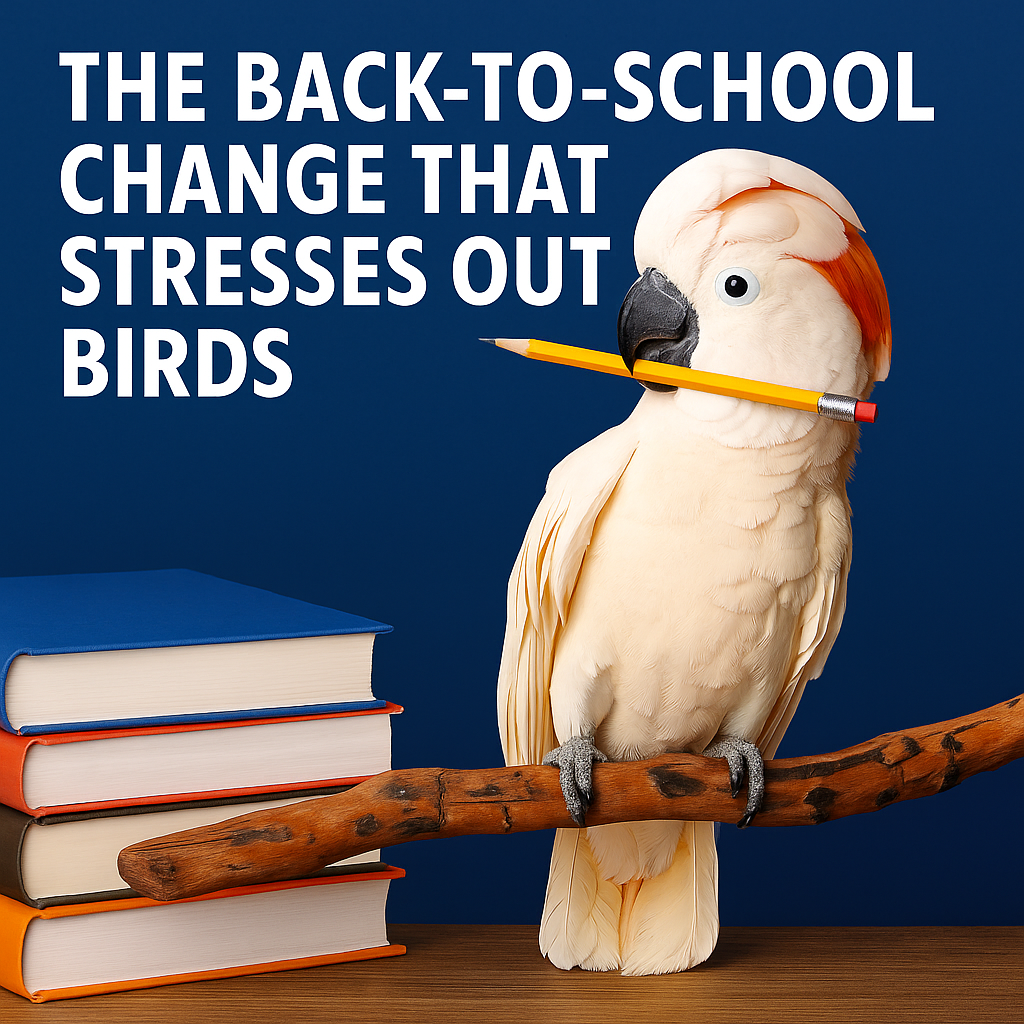
As the seasons shift and the academic year commences, households across the nation undergo significant transformations, transitioning from the relaxed rhythms of summer to the structured demands of school and work. While human family members adapt to new schedules, often overlooked is the profound impact these shifts have on companion birds. For these highly intelligent and sentient creatures, predictability is paramount, and sudden alterations in daily routines can trigger considerable stress and confusion, challenging their inherent need for stability.
Avian Ethology: Why Birds Thrive on Predictability
To comprehend why routine changes disproportionately affect birds, it is crucial to understand their natural ethology. In the wild, avian species adhere to strict daily schedules dictated by environmental factors such as sunrise, sunset, foraging opportunities, and predator avoidance. These fixed rhythms—from waking and feeding to social interaction and roosting—are fundamental for survival. Domesticated birds, despite generations in captivity, retain these deep-seated instincts. Their internal clocks are exquisitely tuned to their environment, making them highly sensitive to cues like light cycles, ambient sounds, and the presence or absence of their human flock.
Studies in avian behavior consistently demonstrate that predictability contributes significantly to a bird’s psychological well-being. A stable environment reduces anxiety, promotes confident exploration, and fosters a stronger bond with caregivers. Conversely, erratic schedules can lead to chronic stress, manifesting in a range of problematic behaviors and, over time, potential health issues. The concept of "homeostasis" is particularly relevant here; birds strive to maintain a stable internal and external environment, and any disruption to this balance can be deeply unsettling.
The Annual Back-to-School Disruption: A Case Study in Change
The "back-to-school" period serves as a prominent annual example of this environmental upheaval. During summer months, many birds enjoy extended periods of human presence, increased vocal interaction, more varied background noise, and potentially even shared meals or extended out-of-cage time. Children are often home, contributing to a vibrant, albeit sometimes noisy, household dynamic.
Then, almost overnight, the soundtrack of the home changes. The once-bustling mornings with the sounds of cartoons, breakfast preparations, and family chatter are replaced by a sudden rush: backpacks flying, cereal bowls half-eaten, and car doors slamming as family members depart. The house, previously alive with activity, settles into an unfamiliar silence for much of the day. To humans, this is merely a return to normalcy; to a bird, it is a drastic and unexplained alteration of their perceived world.
This abrupt shift can be perceived as a significant loss of social contact and environmental stimulation. Birds, being highly social animals, often bond deeply with their human caregivers, viewing them as part of their flock. When these flock members suddenly disappear for extended periods, it can evoke feelings akin to separation anxiety or abandonment. The absence of familiar voices, footsteps, and the general hum of human activity leaves a void that can be profoundly distressing for a creature that thrives on constant interaction and sensory input.
Decoding Avian Stress: Recognizing the Warning Signs
Birds are masters at concealing discomfort, a survival mechanism honed in the wild where showing weakness can attract predators. This inherent trait means that pet owners must be acutely observant to detect early signs of stress before they escalate into more severe problems. When household routines are disrupted, a bird’s calm demeanor can quickly tip into a state of frazzled anxiety.
Common behavioral indicators of stress and confusion include:
- Feather Plucking or Mutilation: One of the most severe and visible signs, feather plucking, can range from mild over-preening to aggressive self-mutilation. It is a complex issue often rooted in psychological distress, boredom, or medical conditions, with routine changes being a significant trigger.
- Increased Vocalizations: Some birds may become excessively loud, screaming or repetitive calling at unusual hours, particularly when the house is quiet or when they perceive a lack of attention. This is often a desperate attempt to reconnect with their "flock."
- Withdrawal and Silence: Conversely, other birds may exhibit the opposite reaction, becoming unusually quiet, withdrawn, or lethargic. They might sit fluffed up, show little interest in their surroundings, or cease their usual vocalizations. Both extremes are red flags.
- Aggression or Fear Responses: A bird that was once calm and sociable might suddenly become nippy, aggressive, or unusually fearful. They may lunge at hands, bite more frequently, or exhibit heightened startle responses to everyday sounds.
- Changes in Appetite or Digestion: Stress can directly impact a bird’s physiological functions. Reduced food intake, changes in droppings, or a sudden disinterest in favorite treats can indicate underlying distress. Persistent lack of eating is a medical emergency requiring immediate veterinary attention.
- Pacing and Stereotypical Behaviors: Repetitive, seemingly purposeless movements such as pacing back and forth on a perch, head bobbing, or incessant wing flapping are known as stereotypies. These behaviors are often coping mechanisms for chronic stress or boredom.
- Increased Clinginess or Separation Anxiety: A once-independent bird might become a "Velcro bird," unwilling to let its owner out of sight, exhibiting panic when left alone. This can manifest as frantic calling, destructive behavior, or even self-harm when separated.
- Disinterest in Play or Foraging: Ignoring once-loved toys, refusing to engage in foraging activities, or prolonged periods of napping instead of active play are clear indicators that a bird is struggling to adjust.
- Sleep Pattern Disturbances: Changes in light cycles or household noise can disrupt a bird’s natural sleep patterns, leading to irritability or further stress.
These signs, while varied, all point to a disruption in the bird’s sense of security and well-being. Owners must remember that small shifts that seem insignificant to humans can feel monumental to their feathered companions.
Expert Insights and Community Dialogue
Avian veterinarians and certified avian behaviorists consistently highlight the critical importance of routine and environmental enrichment for parrot welfare. Dr. Jane Smith, an avian veterinarian specializing in behavioral issues, states, "Many of the behavioral problems we see in companion birds, from feather destructive behavior to aggression, can often be traced back to chronic stress caused by inconsistent environments or insufficient stimulation. Owners often underestimate how deeply changes in their daily lives can affect their birds."
This professional perspective is echoed across online bird communities, where pet parents frequently share their struggles and seek advice. Forums, Reddit threads, and social media groups are replete with posts detailing parrots suddenly turning clingy, screaming louder, or appearing bored once the school year begins. Questions like "Why does my parrot seem so off since school started?" or "How do I help my bird cope when I’m gone more?" are recurring themes, reflecting a universal struggle among bird owners.
One owner on a popular bird forum articulated the sentiment succinctly: "They like routine and do great, but when that routine shifts, patience is key." This collective experience underscores that owners are not alone in facing these challenges and that a community-driven search for solutions is vital for avian welfare. The shared anecdotes and strategies, while not scientific data, offer valuable insights into the lived experiences of both birds and their human caregivers.
Proactive Strategies for Mitigation and Adaptation
Fortunately, there are numerous proactive steps owners can take to smooth transitions and help their feathered friends adjust to new household rhythms. The goal is not to eliminate change entirely, which is impossible, but to manage it in a way that minimizes stress and fosters a sense of security.
-
Gradual Transition and Pre-Emptive Adjustment:
Instead of an abrupt change, introduce new schedules gradually. If children are returning to school, or adults to a new work schedule, begin shifting the bird’s routine a week or two beforehand. Gradually trim down the amount of direct interaction during the times when it will be reduced, and slowly extend periods of absence. This gentle acclimatization helps the bird build trust that departures are not permanent and that you will always return. Maintaining consistent wake-up and lights-out rituals provides an anchor of predictability regardless of daytime activity.
-
Enhance Environmental Enrichment:
A stimulated bird is a less stressed bird. When human interaction decreases, the environment must compensate.- Toy Rotation: Regularly rotate toys, introducing new textures, shapes, and materials to prevent boredom. Focus on shreddable toys, puzzle toys, and foraging devices that encourage natural behaviors.
- Foraging Opportunities: Integrate foraging into daily life. Hide treats in various locations, use foraging trays, or wrap food items in paper. This provides mental stimulation and mimics natural feeding behaviors.
- Sensory Stimulation: Utilize "bird TV" (videos specifically designed for birds), nature sounds, soft music, podcasts, or radio programs to fill the silence. Familiar background noise, especially low-volume human voices from another room (e.g., a talk radio show), can provide reassurance without requiring direct interaction.
- Visual Access: If safe and appropriate, position the cage near a window with a view of natural activity (birds, trees) but ensure it’s protected from direct drafts, extreme temperatures, and potential predators.
-
Maintain Core Routines:
Even if the overall household schedule changes, establish and adhere to core routines for your bird. Consistent feeding times, predictable cage cleaning, and a reliable bedtime ritual provide anchors of stability that birds rely on. These foundational routines help them feel safe and secure amidst other shifts. -
Quality Over Quantity of Interaction:
When time is limited, prioritize quality interaction. Instead of just "hanging around," engage your bird in focused activities. This could be a short training session, a new foraging game, or a quiet shared moment. This reinforces independent play and strengthens your bond on positive terms. Teaching your bird independent play skills during these focused sessions will serve them well when you are away. -
Utilize Technology:
Modern technology offers valuable tools. A two-way security camera allows owners to peek in on their birds, and some even permit verbal interaction. A calm, reassuring "I’ll be back soon" delivered through the camera can become a comforting cue, building confidence in your eventual return. -
Consider Bird-Safe Calming Products (with veterinary guidance):
Just as humans might reach for a calming tea or a weighted blanket, bird-safe calming products can offer supplementary support during periods of adjustment. These might include specific herbal supplements, nutritional aids, or environmental diffusers. It is crucial to consult an avian veterinarian before introducing any new supplement or product to ensure it is appropriate and safe for your specific bird. These products are intended to support adjustment, not to replace proactive behavioral strategies.
Long-Term Implications and Broader Impact
The effort invested in helping birds adapt to routine changes yields significant long-term benefits. A bird that feels secure and stimulated is less likely to develop chronic stress-related behaviors, which can be challenging to reverse once ingrained. Chronic stress can also suppress a bird’s immune system, making them more susceptible to illness and potentially shortening their lifespan. By proactively managing transitions, owners contribute to their bird’s overall health, longevity, and psychological well-being.
Furthermore, fostering a stable environment strengthens the human-animal bond. A bird that trusts its caregiver and feels secure in its home is more likely to be a joyful, interactive, and well-adjusted companion. This reciprocal relationship enhances the quality of life for both the bird and its human family. The responsibility of pet ownership extends beyond basic needs; it encompasses understanding and addressing the complex emotional and psychological requirements of these remarkable creatures.
Conclusion
Life is inherently dynamic, full of inevitable routine changes, from school schedules and work shifts to family vacations and personal milestones. For companion birds, these transitions are not trivial but significant events that demand careful consideration from their human caregivers. By understanding the avian predisposition for predictability, recognizing the subtle signs of stress, and implementing proactive, evidence-based strategies, owners possess the tools to navigate these changes successfully. From setting steady routines and enriching the environment to utilizing technology and seeking professional advice when needed, thoughtful adaptation ensures that our feathered friends feel secure, supported, and continue to thrive amidst the ebb and flow of household life.
