


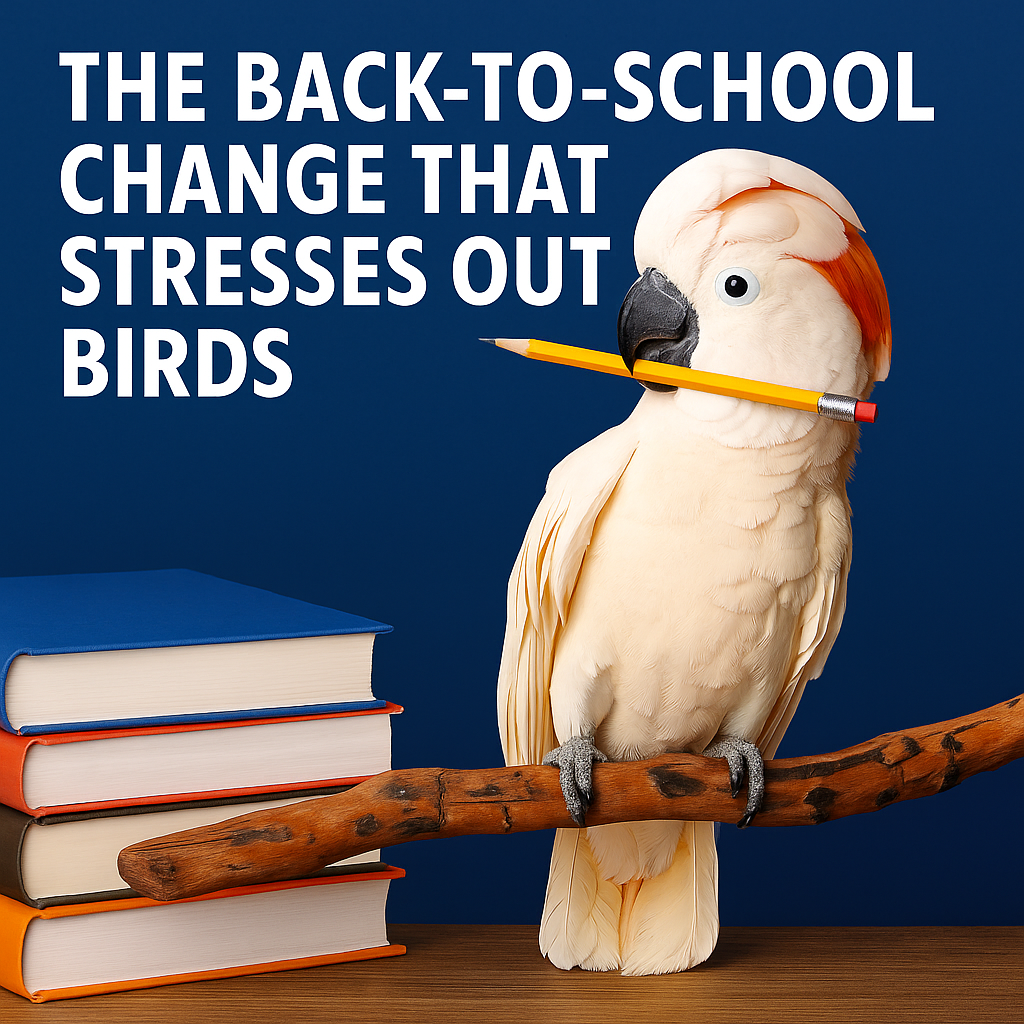
The annual transition of children returning to school, young adults departing for college, or even the fluctuating presence during family vacations can profoundly impact the domestic environment, creating significant stress for avian companions. Birds, inherently creatures of habit, thrive on predictability, and abrupt shifts in household routines often leave them disoriented and anxious. While humans adapt to new schedules with varying degrees of ease, the subtle alterations in daily life can trigger substantial emotional and behavioral responses in feathered friends. Fortunately, a structured approach incorporating minor adjustments can significantly aid avian companions in navigating these periods of change, ensuring their continued well-being and contentment.
The Avian Predilection for Predictability: Why Routine Matters
For pet birds, the rhythm of the household is not merely background noise; it forms the very fabric of their existence. Their survival instincts, honed over millennia in the wild, dictate a need for consistency. In natural habitats, predictable patterns of daylight, foraging opportunities, and flock interactions are crucial for survival, signaling safety and resource availability. This innate drive for regularity translates directly into their captive lives. The sequence of daily events – from the moment their human caregivers wake, the timing of meals, the specific sounds of breakfast preparations, to the periods of interaction and quiet – becomes deeply ingrained in their psychological framework.
When these established patterns are suddenly disrupted, as frequently occurs with the onset of the academic year, a bird’s world can feel fundamentally altered. The bustling mornings filled with familiar voices, the consistent presence of family members during the day, and the evening wind-down rituals all contribute to a sense of security. The sudden silence of an empty house, the absence of familiar sounds, or the altered timing of interactions can trigger an instinctual alarm response. This perceived unpredictability, even if benign from a human perspective, can be interpreted by a bird as a threat, leading to heightened stress levels.
Annual Rhythms and Household Transitions: A Cyclical Challenge
The "back-to-school" phenomenon represents a prime example of a recurring annual disruption for many bird-owning households. Throughout the summer months, many birds enjoy extended periods of interaction, increased ambient activity, and perhaps even shared meals with family members present for longer durations. This enrichment, while positive, establishes a new baseline expectation. When school resumes, the sudden exodus of children and adults creates an abrupt void. The morning chaos shifts from playful interaction to a hurried rush, followed by prolonged periods of quiet that can feel isolating.
Beyond school schedules, other life changes, such as adults returning to office work after periods of working from home, changes in shift work, or extended family vacations, present similar challenges. Each transition, regardless of its specific nature, introduces an element of unpredictability that avian companions struggle to process. Avian veterinarians and animal behaviorists frequently advise owners to anticipate these shifts and implement gradual changes rather than abrupt ones, recognizing the profound impact even minor adjustments can have on a bird’s psychological state.
Manifestations of Stress: Identifying Warning Signs
Birds are exceptionally adept at masking signs of illness or discomfort, a survival mechanism rooted in their status as prey animals in the wild. This evolutionary trait means that by the time stress-related behaviors become overtly noticeable, the bird may have been struggling internally for some time. It is crucial for owners to be vigilant and recognize subtle deviations from their bird’s normal demeanor.
Common behavioral indicators of stress and anxiety in birds include:
- Increased Vocalization: Excessive screaming, repetitive calling, or unusual vocal patterns that differ from their normal chatter. Conversely, some birds may become unusually quiet and withdrawn.
- Feather Plucking or Self-Mutilation: This is a severe sign of chronic stress or anxiety, where birds compulsively pull out their feathers or inflict injury upon themselves.
- Changes in Appetite or Hydration: A sudden decrease or increase in food consumption, or reluctance to drink water, can signal distress. Anorexia in birds is a critical red flag requiring immediate veterinary attention.
- Altered Sleep Patterns: Excessive napping during the day, difficulty sleeping at night, or changes in their typical sleep schedule.
- Repetitive or Stereotypic Behaviors: Pacing, bobbing, swinging, or other repetitive movements that serve no obvious purpose. These behaviors are often coping mechanisms for stress.
- Aggression or Fearfulness: Uncharacteristic biting, lunging, or displaying fear towards familiar people or objects.
- Clinginess or Withdrawal: Some birds may become overly dependent, constantly seeking attention and refusing to be left alone (often termed "Velcro bird" behavior). Others may become withdrawn, avoiding interaction and spending more time isolated in their cage.
- Lack of Interest in Toys or Activities: Disinterest in previously cherished toys, foraging puzzles, or enrichment activities.
An African Grey parrot owner, for instance, recounted how their bird abruptly ceased engaging with a favorite foraging game after the family’s daily schedule shifted. This seemingly minor change in behavior was a direct response to the broader disruption of their routine, highlighting how deeply these creatures are affected by their environment.
Veterinary Perspectives and Behavioral Science: The Expert Consensus
Avian experts universally emphasize the importance of routine for the psychological and physiological health of companion birds. Dr. Susan O’Malley, a board-certified avian veterinarian, frequently notes, "A stable routine provides a sense of security for birds, reducing cortisol levels and supporting a robust immune system. Any significant deviation can trigger a stress response that, if prolonged, can lead to serious health issues." This perspective aligns with broader animal welfare science, which recognizes environmental stability as a cornerstone of good animal husbandry.
Behavioral science, particularly Applied Behavior Analysis (ABA), provides a framework for understanding and mitigating these stress responses. Diane Burroughs, LCSW, an expert in avian behavior, highlights that "birds learn by association. When positive associations with routine disappear, and are replaced by uncertainty or loneliness, maladaptive behaviors can emerge. Our goal as caregivers is to re-establish positive associations and predictable outcomes." This involves not just managing the environment but also actively teaching birds to cope with new realities.
The Impact of Isolation and Environmental Changes
One of the most profound impacts of routine shifts, especially during back-to-school transitions, is the sudden increase in isolation. A house that was once alive with activity, conversation, and the constant presence of family members can become eerily quiet and empty for hours on end. For highly social species like parrots, who in the wild would be part of a dynamic flock, this solitude can be deeply unsettling.
The absence of familiar human voices, the lack of visual stimulation, and the cessation of spontaneous interactions contribute to a sense of abandonment. This can exacerbate separation anxiety, a condition where birds display extreme distress when left alone. Symptoms can range from incessant screaming to frantic pacing, feather destruction, or even refusing to eat until their caregivers return. The quality of the environment during these solitary periods becomes paramount, demanding thoughtful strategies to maintain mental stimulation and a sense of security.
Proactive Strategies for Mitigation: Smoothing the Transition
Addressing avian stress during routine changes requires a multi-faceted and proactive approach. The goal is to gradually re-establish a sense of predictability and security, even within a new framework.
-
Gradual Acclimation and Consistent Anchors:
- Phased Changes: Instead of an abrupt shift, begin adjusting your bird’s schedule weeks before the major change. If morning interaction time will be reduced, start shortening it incrementally over several days or weeks. This allows the bird to adapt slowly to new patterns of presence and absence.
- Core Routine Anchors: Maintain consistency in critical daily rituals. Wake-up times, feeding schedules, and bedtime routines (like lights out) should remain as stable as possible. These serve as non-negotiable anchors in their day, providing a foundational sense of security regardless of other changes.
- Verbal Cues: Birds are highly attuned to tone and specific words. A consistent, calm phrase like, "I’ll be back soon," delivered upon departure, can become a comforting cue, signaling that your absence is temporary.
-
Environmental Enrichment and Mental Stimulation:

- Rotating Toys and Foraging: Regularly introduce new toys and rotate existing ones to maintain novelty and engagement. Crucially, provide foraging opportunities that require mental effort to retrieve food. This mimics natural behaviors and keeps their minds active during periods of solitude.
- "Bird TV" and Ambient Sounds: Combat silence with appropriate background noise. Nature sounds, classical music, or familiar radio programs can provide auditory stimulation. Many owners find success with "bird TV" – videos specifically designed for avian viewing, featuring other birds, nature scenes, or even cartoons their bird has watched with them previously.
- Safe Window Views: If feasible and safe from external threats or stressors, placing the cage near a window can offer visual enrichment, allowing the bird to observe the outside world.
-
Communication and Reassurance:
- Two-Way Monitoring: Technology can be a powerful ally. A two-way security camera allows owners to monitor their bird, and crucially, to speak to them remotely. Hearing a familiar voice, even without visual contact, can provide immense reassurance.
- Quality Interaction: Upon returning home, prioritize quality interaction over simply being present. Engage in training sessions, introduce a new foraging puzzle, or offer a special treat. This reinforces positive associations with your return and encourages independent play rather than fostering clinginess.
-
Nutritional and Supplemental Support:
- Balanced Diet: Ensure your bird maintains a highly nutritious diet. A healthy body is better equipped to cope with stress.
- Calming Supplements: For birds exhibiting significant anxiety, bird-safe calming products, such as herbal supplements or pheromone sprays, can provide additional support during the adjustment phase. These are not a cure but can help take the edge off anxiety, much like a weighted blanket or calming tea for humans. Consultation with an avian veterinarian is always recommended before introducing any supplements.
Community Dialogue and Shared Experiences
The challenges of managing avian stress during routine changes are widely recognized within the pet bird community. Online forums, social media groups, and platforms like Reddit and Quora are replete with discussions from owners seeking advice and sharing their experiences. Common themes include parrots becoming more vocal, exhibiting increased clinginess, or appearing generally "off" once the academic year commences.
One frequently cited piece of advice from experienced bird owners is the importance of patience. As one owner succinctly put it, "They like routine and do great, but when that routine shifts, patience is key." This shared understanding underscores the normalcy of these avian reactions and emphasizes that owners are not alone in navigating these adjustments. The collective wisdom often points towards gradual changes, consistent enrichment, and unwavering affection as the pillars of support during these periods.
Long-Term Well-being and Owner Responsibility
Ultimately, managing routine changes for pet birds is an ongoing aspect of responsible ownership. Chronic stress can have detrimental long-term effects on a bird’s physical health, including immunosuppression, increased susceptibility to illness, and the development of severe behavioral issues like feather destructive behavior. By understanding the profound impact of these environmental shifts and proactively implementing supportive strategies, owners can significantly mitigate these risks.
The commitment to an avian companion extends beyond providing food and shelter; it encompasses nurturing their psychological well-being. This requires vigilance, empathy, and a willingness to adapt one’s own routines to ensure the bird feels secure and cherished. As life inevitably throws curveballs – new jobs, moving homes, new family members – the ability to thoughtfully transition these changes for your bird will be a testament to the strength of your bond and your dedication to their welfare.
Conclusion
Life is inherently dynamic, filled with an array of routine changes, from seasonal school schedules to career shifts and family holidays. For companion birds, these transitions, though seemingly minor to humans, can represent significant stressors. Recognizing birds’ innate need for predictability and their sensitivity to environmental shifts is the first step in fostering their resilience. By employing consistent daily rituals, providing rich sensory and mental enrichment, utilizing modern technology for connection, and considering targeted calming aids when necessary, bird owners possess a comprehensive toolkit to support their feathered friends. The journey of adaptation requires patience, keen observation, and an unwavering commitment to their emotional and physical health, ensuring that even amidst life’s inevitable changes, our avian companions can thrive.
