

For those considering the addition of a small, vibrant parrot to their household, the crimson-bellied conure (Pyrrhura perlata) presents an intriguing option. Known for its striking plumage and engaging personality, this species offers a unique blend of clownish antics and affectionate companionship, albeit with a commitment to understanding its specific needs. Prospective owners must engage in thorough research to ensure they can provide an environment conducive to the long-term well-being of these intelligent birds. This article delves into the origins, natural behaviors, care requirements, and broader implications of keeping Pyrrhura perlata, drawing on ornithological data and avian veterinary recommendations.
Scientific Classification and Taxonomy
The crimson-bellied conure, also known as the crimson-bellied parakeet, holds the scientific designation Pyrrhura perlata. It belongs to the genus Pyrrhura, a diverse group of small to medium-sized parrots commonly referred to as conures or parakeets, primarily found in Central and South America. The genus Pyrrhura is part of the larger family Psittacidae, encompassing true parrots. Historically, Pyrrhura perlata was sometimes confused with the pearly conure (Pyrrhura lepida), leading to past taxonomic revisions. However, genetic studies and detailed morphological analyses have firmly established P. perlata as a distinct species, characterized by its unique coloration patterns. This precise classification is crucial for conservation efforts and for understanding the species’ evolutionary history within the rich biodiversity of the Amazon basin.
Distinctive Appearance and Physical Characteristics
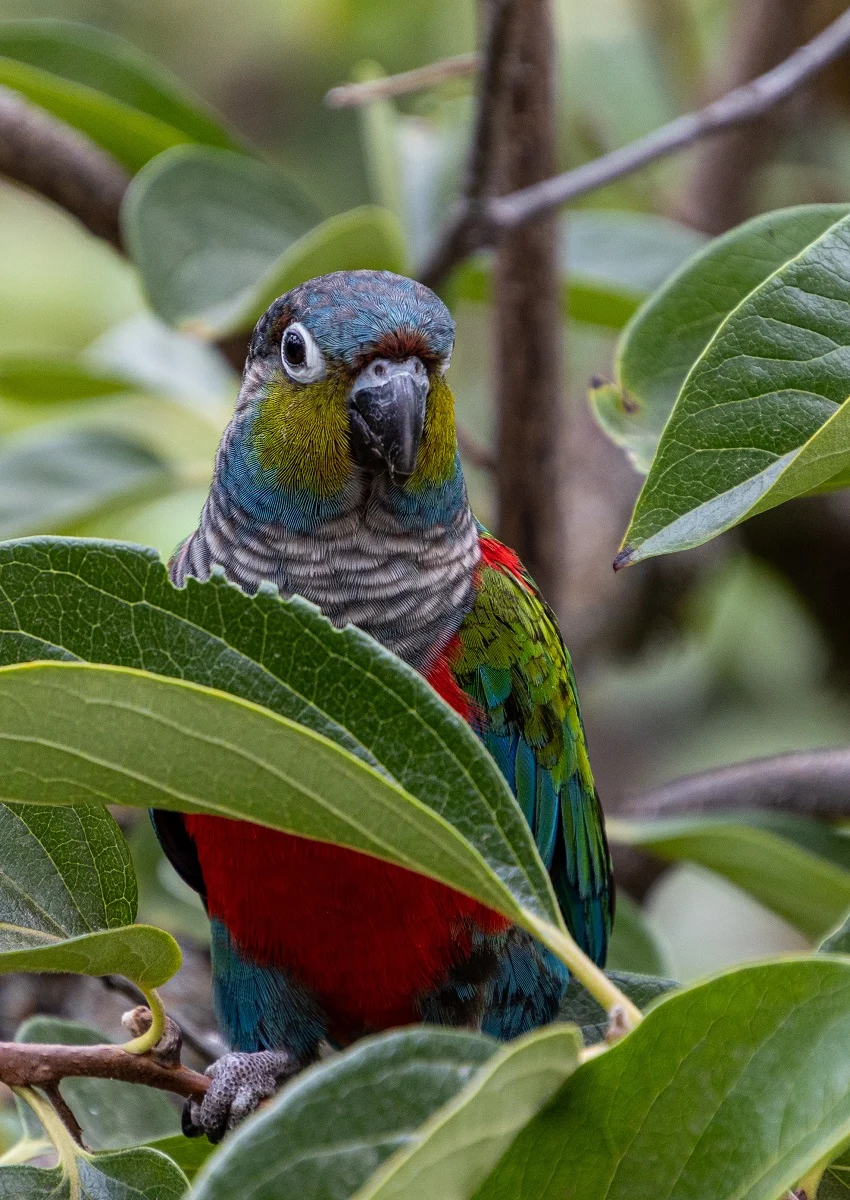
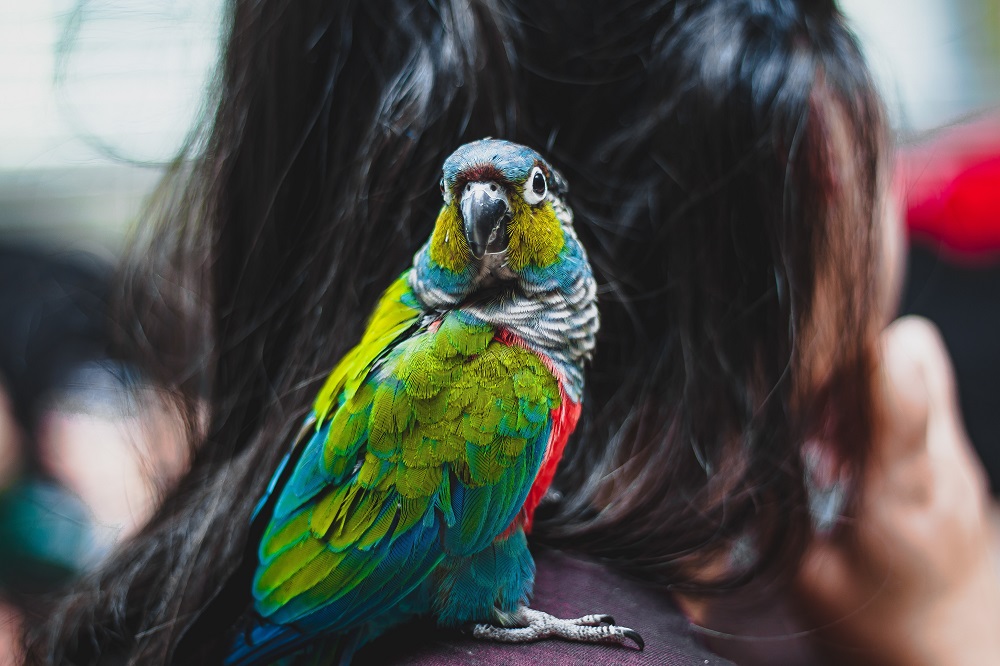
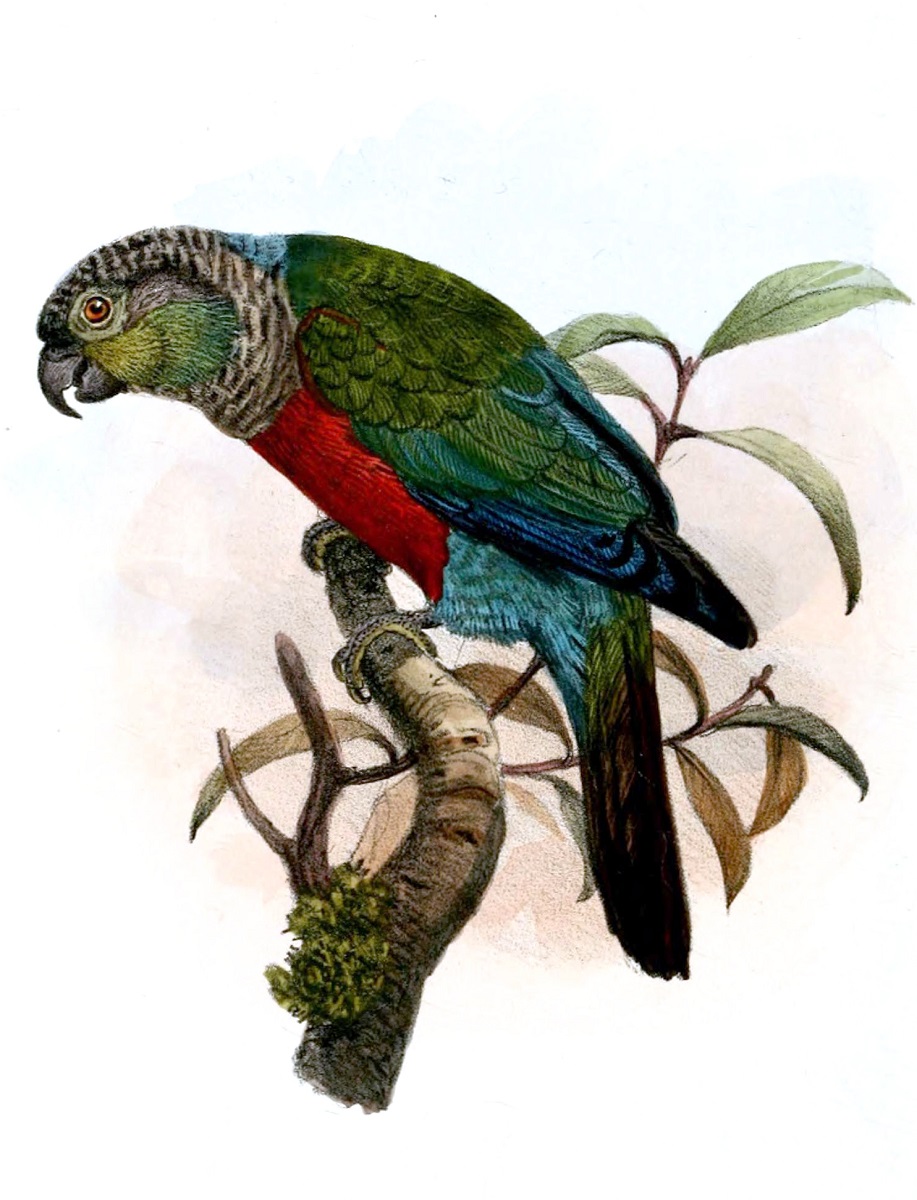
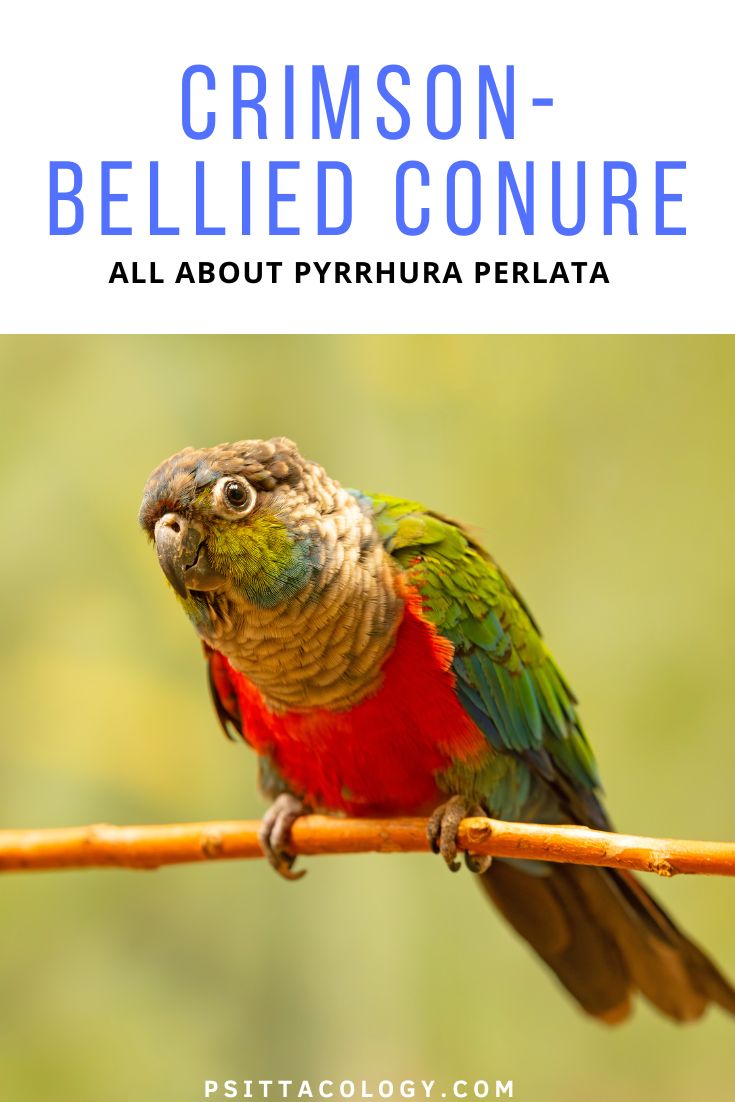
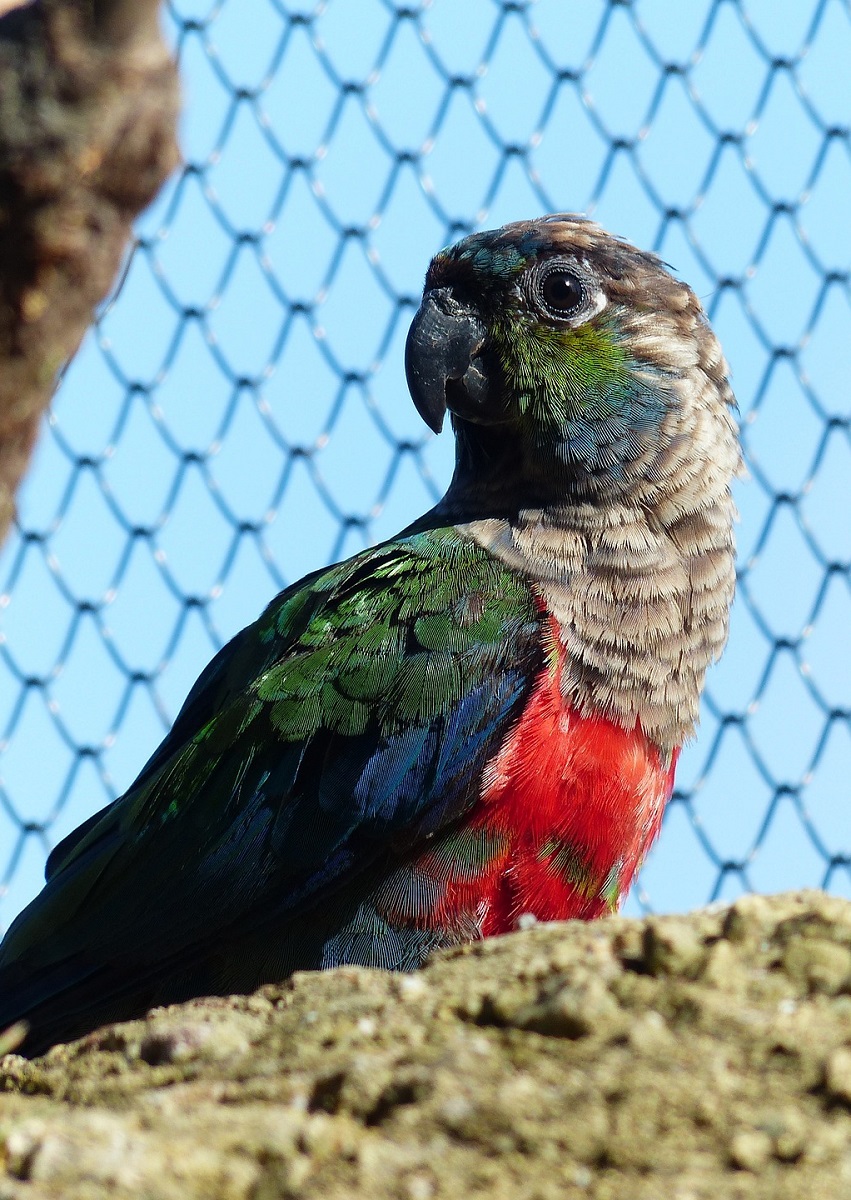
The visual appeal of the crimson-bellied conure is undeniable, making it one of the most exquisitely colorful members of the Pyrrhura genus. As its common name suggests, the defining feature is a strikingly vibrant crimson-red patch on its abdomen, a hue that intensifies with maturity. This central red expanse is bordered by a beautiful mosaic of other colors: the breast feathers display a scaly pattern of green and yellow, transitioning to a rich blue on the primary wing coverts and a dark red on the underside of the tail. The crown and nape are typically a dusky brown or blackish-brown, while the cheeks are a lighter, often yellowish-green. A prominent white ring encircles each eye, providing a sharp contrast to its otherwise dark-colored beak.
These are relatively small, long-tailed parakeets, reaching an adult length of approximately 25 centimeters (10 inches) from beak to tail tip and weighing around 90 grams. A notable aspect of their development is that the characteristic bright red belly may take up to a year to fully manifest, with juveniles displaying duller coloration. Furthermore, Pyrrhura perlata exhibits no discernible sexual dimorphism, meaning males and females are visually identical. This necessitates DNA sexing for breeding purposes or for owners wishing to confirm their bird’s sex. The intricate coloration serves not only as a striking display but also provides a degree of camouflage within the dense foliage of their natural rainforest habitat.
Natural Habitat, Range, and Ecological Role
The crimson-bellied conure is indigenous to central South America, with its primary distribution concentrated within the Brazilian Amazon Basin. Specifically, it is most prevalent in the state of Rondônia, though its geographical range extends northwest into parts of northern Bolivia. These birds predominantly inhabit "terra firme" forests—rainforests that do not experience seasonal flooding—preferring the robust, ancient growth of these ecosystems. They are adaptable, however, and can also be found at the edges of dense forests, as well as in secondary growth forests that have undergone some level of disturbance. This adaptability to varying forest types is a factor in their current conservation status.
In their natural environment, crimson-bellied conures are typically observed traveling in small, cohesive groups, a common behavior among many parrot species that aids in foraging and predator detection. They are occasionally seen co-mingling with other conure species, such as the painted conure, indicating a degree of interspecies tolerance. Their nesting sites are typically hollow trees, where pairs will raise their young.
The ecological role of Pyrrhura perlata within its habitat is significant. Like many frugivorous and granivorous birds, they act as important seed dispersers, contributing to the regeneration and biodiversity of the Amazonian rainforest. By consuming fruits and later excreting seeds in different locations, they facilitate the spread of plant species, maintaining the forest’s health and structure.
Conservation Status and Threats
The International Union for Conservation of Nature (IUCN) Red List currently classifies Pyrrhura perlata as a species of "Least Concern." This assessment, last updated in 2021, reflects a relatively widespread population that, while decreasing, is not yet considered critically endangered or vulnerable. However, the IUCN explicitly notes a declining population trend, primarily attributed to two significant anthropogenic threats: deforestation and hunting.
Deforestation in the Amazon basin is an ongoing crisis driven by various factors including cattle ranching, agricultural expansion (particularly for soy cultivation), logging, mining, and infrastructure development. The destruction of terra firme forests directly impacts the crimson-bellied conure’s habitat, fragmenting populations and reducing available nesting and foraging sites. Hunting, though less quantified, also poses a localized threat, both for sustenance and for the illegal pet trade, despite the species being captive-bred.
Conservation efforts in the Amazon are multifaceted, involving the establishment of protected areas, sustainable land management practices, and initiatives to combat illegal logging and wildlife trafficking. For Pyrrhura perlata, continuous monitoring of population trends and habitat loss is essential. While "Least Concern" status provides some reassurance, the accelerating rate of environmental degradation in their range means that vigilance and proactive conservation measures remain critical to preventing a future reclassification to a more threatened category.
Dietary Needs: Wild Foraging to Captive Care
The diverse and nutrient-rich environment of the Amazon rainforest provides wild crimson-bellied conures with a varied diet, crucial for their vibrant health. Their natural foraging habits include a wide array of plant matter: wild figs and other native fruits form a significant part of their intake, providing essential carbohydrates and vitamins. They also consume flowers, catkins (soft, downy flower clusters), and various seeds. A particularly interesting aspect of their wild diet is their visitation to natural clay licks. These sites provide vital micronutrients and minerals that may be scarce in their regular diet, and the clay itself can help neutralize toxins present in some of the fruits and seeds they consume.
In a captive setting, replicating this nutritional diversity is paramount for the health and longevity of a pet crimson-bellied conure. Avian veterinarians universally recommend a diet centered around high-quality, commercially formulated pellets, which are designed to provide a balanced spectrum of nutrients. Psittacology’s resident veterinarian, Dr. Daisy, and other avian specialists strongly advise against a seed-based diet as the primary food source, as these are typically high in fat, deficient in essential vitamins and minerals, and can lead to severe malnutrition and associated health problems like fatty liver disease and obesity.
Beyond pellets, a daily offering of fresh vegetables is crucial. This includes dark leafy greens (kale, spinach, romaine), bell peppers, carrots, broccoli, and various squashes. Fresh fruits, such as berries, apples (without seeds), bananas, and melons, should be provided regularly but in smaller quantities due to their higher sugar content. Cooked whole grains like brown rice, quinoa, and oats can also be offered as healthy additions. Foraged, pesticide-free grasses and safe branches can provide both nutritional benefits and enrichment. Occasional treats, such as a small amount of sunflower seeds or nuts, should be given sparingly as rewards, not as dietary staples. Constant access to fresh, clean water from multiple sources is non-negotiable. Understanding and implementing a comprehensive, balanced diet is fundamental to ensuring a long and healthy life for a captive crimson-bellied conure.
Housing and Environmental Provisions
Despite their relatively small size, crimson-bellied conures are incredibly active and energetic birds. Therefore, providing ample space for movement and exploration is not merely a recommendation but a necessity for their physical and psychological well-being. The largest cage that can be reasonably accommodated is always the best choice, especially if the bird will not have daily opportunities for supervised free-flight outside its enclosure. A minimum cage width of 90 cm (36 inches) is often cited, but this should be considered an absolute baseline. For birds that spend most of their time caged, a larger enclosure, ideally a full indoor aviary, is preferable to prevent lethargy and behavioral issues.

The internal setup of the cage is as important as its dimensions. Perches made from natural wood of varying diameters and textures (e.g., manzanita, java wood, fruit tree branches) are essential. These help to exercise the bird’s feet and prevent conditions like bumblefoot, which can arise from prolonged use of uniform-diameter dowel or plastic perches. The cage should also be strategically placed in a safe, central, yet not overly busy area of the home, away from drafts and direct sunlight. Providing full-spectrum UV lighting for several hours a day can mimic natural sunlight, aiding in vitamin D synthesis and overall health. Maintaining an appropriate ambient temperature and humidity level, especially in drier climates, is also beneficial. Regular cleaning of the cage, including daily spot cleaning and weekly deep cleaning, is vital for hygiene and preventing disease.
Enrichment and Behavioral Stimulation
Crimson-bellied conures, like all parrots, possess remarkable intelligence and a deep-seated need for mental and physical stimulation. A lack of enrichment can lead to severe stress, manifesting in destructive behaviors such as excessive screaming, feather plucking, aggression, and obesity due to inactivity. Owners must actively engage their birds to foster a happy and healthy environment.
Enrichment strategies are diverse and should be regularly rotated to prevent boredom. Toys are fundamental: shreddable toys made from natural fibers, wood, and paper satisfy their natural chewing instincts; foraging toys encourage problem-solving as they work to extract treats; and puzzle toys challenge their cognitive abilities. Interactive play with their human companions is also crucial, strengthening the bond and providing social stimulation. Training sessions, utilizing positive reinforcement, can teach basic commands and tricks, offering mental engagement.
Furthermore, providing opportunities for controlled, supervised free-flight within a bird-safe room allows them to stretch their wings and burn energy. Socialization with other compatible conures, if introduced carefully and ethically, can also fulfill their flocking instincts. Owners must meticulously "parrot-proof" any area their conure has access to, removing toxic plants, securing windows and doors, covering electrical cords, and eliminating small ingestible items to prevent accidents. Ensuring 10-12 hours of uninterrupted sleep in a quiet, dark environment is also critical for their overall well-being.
Temperament and Social Dynamics
Conures of the Pyrrhura genus are widely recognized as popular pet parrots, with green-cheeked conures often being the most common. However, crimson-bellied conures are gaining recognition for their unique blend of friendliness and spirited character, making them an excellent choice for the discerning owner. They are frequently described as "loveable rogues" – a testament to their playful, mischievous nature combined with a strong capacity for affection. A well-socialized crimson-bellied conure will often seek out human interaction, relishing head scratches and enjoying perching on a shoulder or lap.
Their clownish demeanor means owners can expect a fair share of antics, often involving playful chewing and exploring boundaries. While this can sometimes lead to minor chaos and the occasional damaged item, it is a reflection of their curious and active minds. Consistent positive reinforcement training from a young age is essential to channel their energy constructively and establish acceptable behaviors. They thrive on interaction and can form incredibly strong bonds with their human companions, often displaying loyalty for decades. The decision to bring a crimson-bellied conure into a home is a commitment to providing continuous engagement, patience, and understanding for their energetic and sometimes cheeky personalities. It is also prudent for owners to familiarize themselves with basic parrot emergency care, as these curious birds have a knack for getting into unexpected situations.
Vocalization and Communication
Crimson-bellied conures are not considered among the loudest conure species, a characteristic that can appeal to owners living in apartments or with noise sensitivities. However, it is crucial to understand that "not the loudest" does not equate to "quiet." Like all parrots, they possess a range of vocalizations and will certainly make their presence known. Owners can anticipate periods of loud vocalization, particularly when the bird is excited, seeking attention, feeling threatened, or expressing distress. These can include sharp chirps, squawks, and alarm calls.
Prospective owners are strongly advised to research and listen to recordings of crimson-bellied conure calls, such as those available on platforms like xeno-canto, to gauge their tolerance for the species’ typical noise levels. Visiting a current owner of a crimson-bellied conure can provide invaluable real-world exposure to their vocal habits.
Regarding speech mimicry, Pyrrhura conures, including the crimson-bellied, are generally not renowned for their talking abilities. While individual birds may learn to mimic a few words or phrases, and many will adeptly imitate household sounds like doorbells, alarms, or human laughter, they are not typically considered "talented talkers" compared to species like African Greys or Amazon parrots. Owners should not acquire a crimson-bellied conure with the expectation of it becoming a fluent speaker, but rather appreciate their natural calls and the various ways they communicate through body language and other sounds.
Health and Veterinary Care
Maintaining the health of a crimson-bellied conure requires proactive and preventative measures, including regular veterinary care. Like all parrots, they are susceptible to a range of common avian ailments. These can include Psittacosis (Chlamydiosis), a bacterial infection transmissible to humans; Psittacine Beak and Feather Disease (PBFD), a viral disease affecting feathers, beaks, and immune systems; and Pacheco’s disease, a highly contagious and often fatal herpesvirus. Nutritional deficiencies, often stemming from improper diets, can lead to a host of issues, from organ damage to weakened immune responses. Respiratory infections are also common, often exacerbated by poor ventilation or environmental stressors.
Annual check-ups with an avian veterinarian are paramount for early detection and prevention of diseases. These visits typically include a physical examination, weight monitoring, and potentially blood tests or fecal analyses. New birds should always undergo a quarantine period away from any existing birds and receive a comprehensive "new bird" veterinary check-up. Owners should also be vigilant for signs of illness, which can be subtle in parrots as they often instinctively hide symptoms of weakness. Red flags include changes in droppings, lethargy, fluffed feathers, loss of appetite, changes in vocalization, discharge from nostrils or eyes, and any sudden behavioral shifts. Prompt veterinary attention for any concerning symptoms is critical, as a parrot’s health can deteriorate rapidly.
Responsible Ownership and Ethical Considerations
Adopting a crimson-bellied conure is a significant commitment, extending potentially over two decades or more, as their average lifespan is 20+ years, with many living even longer under optimal care. This necessitates careful consideration of the long-term financial implications, including costs for high-quality food, appropriate housing, toys, enrichment items, and regular veterinary care, which can be substantial over such a lifespan. The time commitment for daily interaction, cleaning, and training is equally demanding.
Ethical sourcing of birds is also a critical consideration. Prospective owners should prioritize reputable breeders who can provide clear health histories, proper socialization, and demonstrate responsible breeding practices. Avoiding wild-caught birds is essential to discourage the illegal pet trade, which contributes to the decline of wild populations and often involves inhumane capture and transportation methods. Even for species not listed as endangered, responsible pet ownership extends to understanding the broader impact of the pet trade. Supporting parrot rescue organizations through adoption is another commendable option, offering a loving home to birds in need. Ultimately, responsible ownership means recognizing that a parrot is not merely a pet, but a sentient, intelligent being with complex needs that deserve respect and dedicated care throughout its long life.
Conclusion
The crimson-bellied conure, Pyrrhura perlata, offers a vibrant and engaging companionship for individuals prepared for the responsibilities inherent in parrot ownership. Their striking appearance, coupled with a playful yet affectionate temperament, makes them a captivating presence in any home. However, their intelligence, longevity, and specific care requirements—from a meticulously balanced diet and spacious housing to extensive enrichment and consistent veterinary attention—underscore the need for informed and dedicated care. While currently listed as "Least Concern" in the wild, the threats of habitat destruction highlight the ongoing importance of conservation efforts and ethical pet ownership. By understanding and committing to their needs, owners can ensure a fulfilling and enriching life for these remarkable "loveable rogues" for decades to come.
