


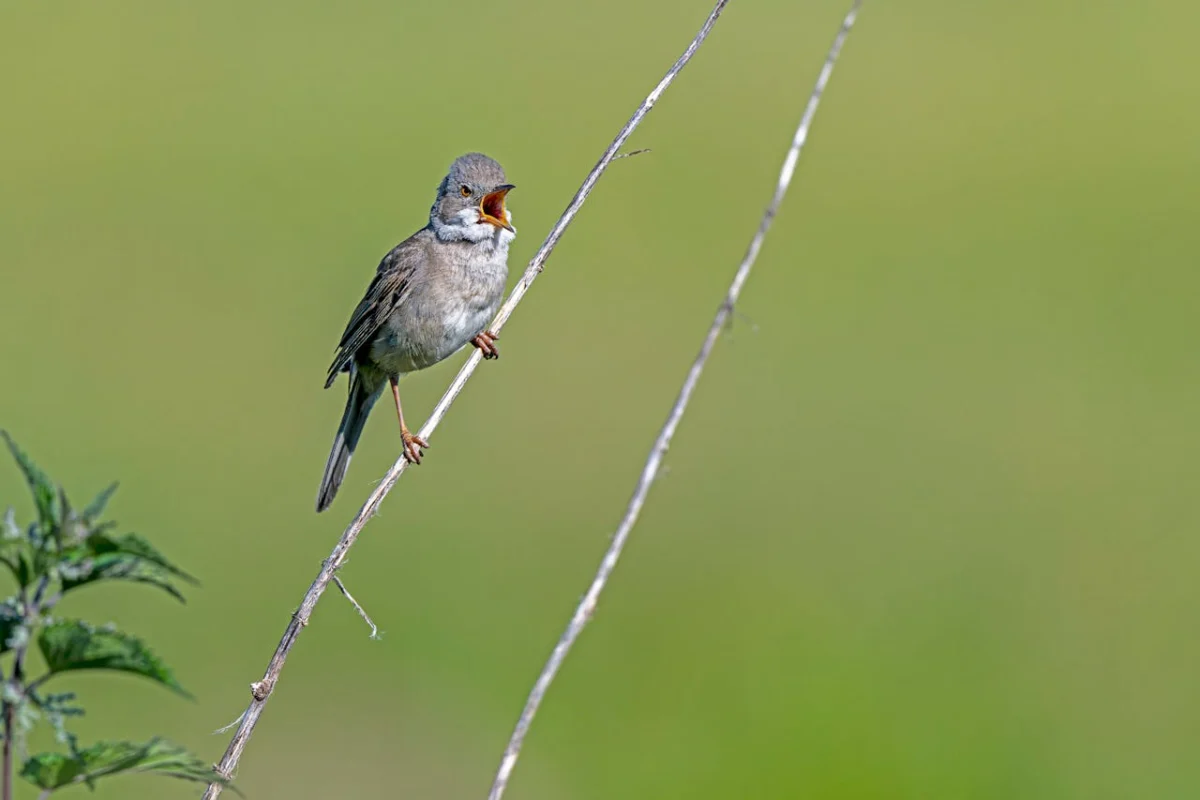
Birdwatching in the United States has undergone a profound transformation, evolving from a primarily visual pursuit to an auditory adventure. The ability to identify bird species by their unique vocalizations, once the domain of seasoned ornithologists, is now accessible to anyone with a smartphone, thanks to a new generation of powerful bird song identification applications. These innovative tools function much like Shazam for music, allowing users to record a bird’s song or call, analyze its acoustic signature, and instantly learn the species responsible. This technological leap is democratizing bird identification, making the rich tapestry of avian communication understandable to a broader audience, from casual nature enthusiasts to dedicated citizen scientists.
The functionality of these advanced bird song apps lies in their sophisticated utilization of artificial intelligence and bioacoustics. When a user records a bird’s vocalization, the app does not merely store the audio. Instead, it converts the sound waves into a visual representation known as a spectrogram, or sonogram. This detailed visual map illustrates the frequency, pitch, and temporal patterns of the bird’s call. This spectrogram is then fed into a Deep Convolutional Neural Network (CNN), a type of artificial intelligence that has been trained on millions of expertly verified bird sound recordings. These vast datasets, often sourced from renowned institutions like the Macaulay Library at the Cornell Lab of Ornithology, enable the AI to recognize the unique "visual fingerprint" of thousands of bird species.
Further enhancing identification accuracy, these apps leverage biogeographical data. By utilizing the smartphone’s GPS and the current date, the application can filter potential matches, excluding species that would not geographically be present in the user’s location or that have migrated away for the season. Some applications even provide a confidence score, indicating the AI’s certainty in its identification. This synergy of advanced bioacoustics, machine learning, and citizen-contributed data allows these apps to decipher even the most complex dawn choruses, identifying individual bird songs in near real-time. This capability is particularly significant for understanding the intricate communication networks of avian populations, offering insights into breeding territories, alarm calls, and territorial disputes.
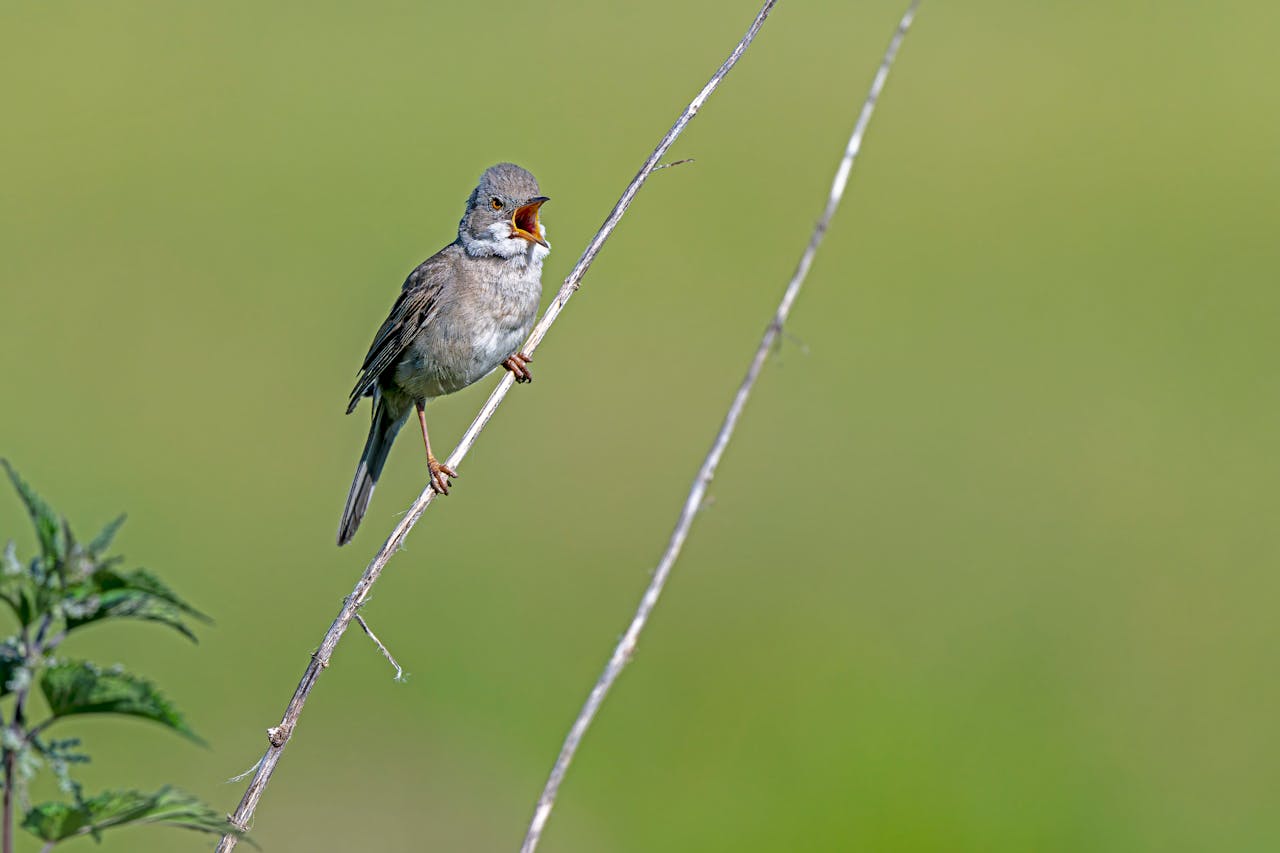
The burgeoning popularity of bird song identification apps is not merely a technological trend; it signifies a broader cultural shift towards deeper engagement with the natural world. As urban sprawl continues, these tools offer a crucial bridge for individuals seeking to connect with nature in their immediate surroundings. The ability to identify the melodies of a common robin in a city park or the distinct call of a migrating warbler on a nature trail democratizes the experience of birding, making it more inclusive and educational. This accessibility is particularly impactful for younger generations, fostering an early appreciation for biodiversity and conservation.
The Leading Contenders: A Comparative Look at Bird Song Apps
The market now offers a range of applications, each with its unique strengths and target audience. While the core functionality of sound identification is shared, differences in user interface, database size, and advanced features cater to diverse user needs.
1. Merlin Bird ID: The All-Around Champion for Beginners and Experts
Developed by the esteemed Cornell Lab of Ornithology, Merlin Bird ID stands as a frontrunner in the field of avian identification. Its widespread acclaim stems from its remarkable accuracy, user-friendly interface, and comprehensive features, making it an indispensable tool for birdwatchers of all skill levels. Available for free on both iOS and Android platforms, Merlin offers a robust digital field guide experience.
Key Features:

- Real-time Sound ID: Merlin’s standout feature allows users to record live bird songs and calls, providing immediate species suggestions. This dynamic identification process makes it feel as though a seasoned ornithologist is guiding the user.
- Extensive Global Database: The app boasts coverage of over 2,000 species, with a particular emphasis on North American birds, ensuring a broad and relevant identification scope. Regular updates keep the database current with new findings and species.
- Multi-Modal Identification: Beyond audio recognition, Merlin seamlessly integrates photo identification and descriptive keys, enabling users to identify birds through various means.
- Offline Functionality: Users can download regional bird packs, ensuring the app remains fully operational in remote areas lacking cellular service, a critical advantage for field researchers and adventurers.
- Educational Resources: Merlin provides detailed range maps, extensive sound libraries for study, and integrates with personal life lists, aiding in tracking encountered species and deepening avian knowledge.
Availability:
- iOS (iPhone / iPad): Download on the App Store
- Android: Download on Google Play
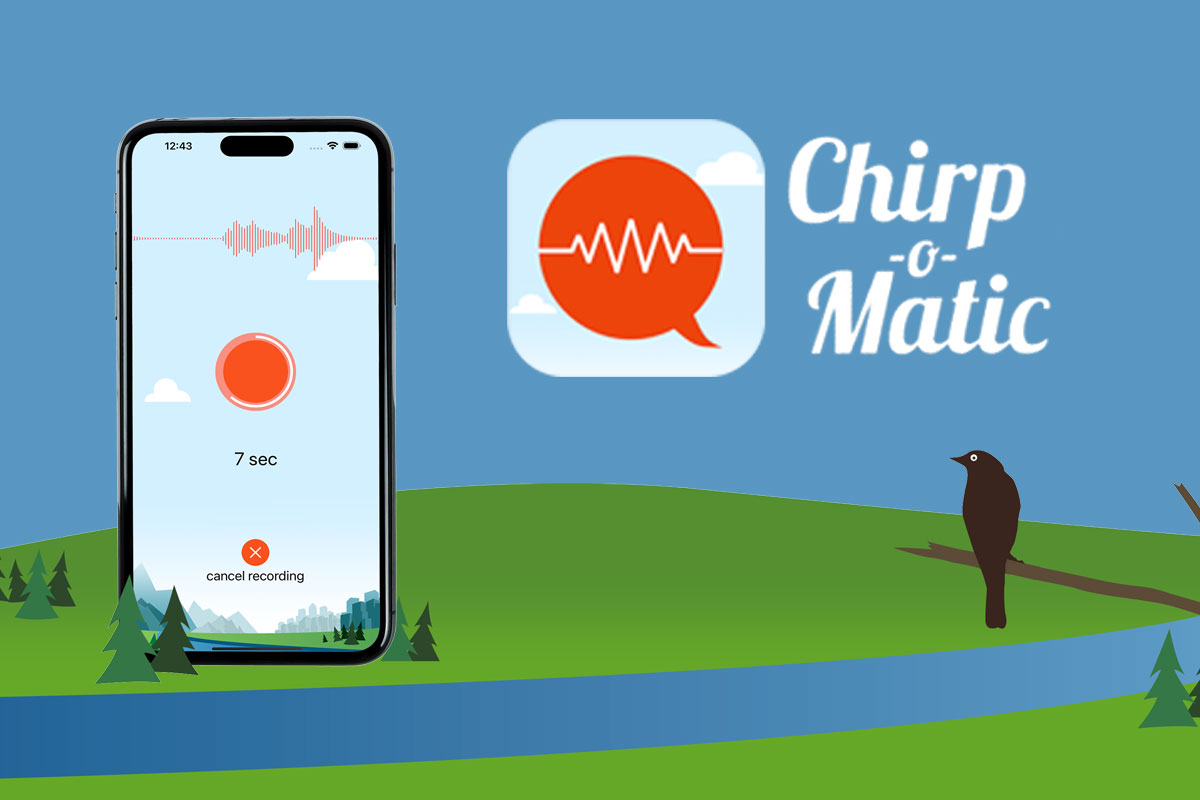
2. ChirpOMatic: Precision and Convenience for the Mobile Birder
ChirpOMatic excels in providing a swift and intuitive sound-only identification experience, making it an ideal choice for birders who prioritize speed and ease of use. Its design focuses on capturing and analyzing bird songs with minimal user input.
Key Features:
- Fast Audio Identification: The app offers rapid identification of singing birds with immediate matches from regional species libraries.
- Sensitive Microphone Analysis: ChirpOMatic is engineered to detect quieter or more distant calls that might be missed by other applications.
- Evidence Ranking System: In noisy environments, the app employs a system that presents a curated shortlist of the most likely species, allowing users to compare and confirm identifications.
- Pro Upgrade Features: The paid upgrade unlocks advanced tools, including saving, renaming, and exporting recordings for personal audio libraries, as well as interactive bird-call quizzes for skill enhancement.
- Apple Watch Integration: This unique feature allows users to record bird songs directly from their wrist, a significant convenience for hikers and those who prefer to keep their phones stowed.
- Bird-Safe Mode: The app includes a feature that prevents loud playback, ensuring that the identification process does not disturb local wildlife.
Availability:

- iOS (iPhone / iPad): Download on the App Store
- Android: Download on Google Play
3. Song Sleuth: Mastering Bird Songs Through Spectrogram Analysis
Developed in collaboration with renowned bird expert David Sibley and Wildlife Acoustics, Song Sleuth transcends basic identification by focusing on teaching users how to interpret bird sounds. It emphasizes a deeper understanding of avian vocalizations.
Key Features:
- Spectrogram Visualization: Song Sleuth’s core feature converts audio recordings into detailed sonograms, allowing users to visually analyze the structure and patterns of bird songs. This visual aid is crucial for memorizing and distinguishing subtle variations between species.
- Curated Species Library: The app features a focused library of approximately 200 common North American birds, designed to help beginners build a strong foundation without feeling overwhelmed.
- Collaborative Identification Process: Instead of a single definitive answer, Song Sleuth provides ranked suggestions, encouraging users to compare their recordings with high-quality reference samples and Sibley’s illustrations.
- Offline Functionality: All reference recordings, spectrogram tools, and species data are stored locally on the device, ensuring full functionality in areas without internet access.
Availability:
- iOS (iPhone / iPad): Download on the App Store
- Android: Not available (iOS only)
4. BirdNET: Bridging Citizen Science and Global Ornithology
BirdNET offers a scientifically driven approach to avian acoustics, serving as a vital link between casual birding and global conservation research. It is particularly suited for those interested in the scientific aspects of bioacoustics and contributing to research efforts.
Key Features:
- Probabilistic Identification: The app provides a qualitative probability score for each identification, offering users insight into the AI’s confidence level and decision-making process.
- Citizen Science Contribution: Users can submit their recordings to the BirdNET research project, directly aiding scientists in tracking migration patterns and species distribution worldwide.
- Integrated Information Resources: BirdNET provides instant links to Wikipedia and scientific databases, offering extensive information on each bird’s habitat and behavior.
- Advanced Analyzer Feature: For more technical users, the BirdNET-Analyzer allows for the processing of large audio datasets, making it valuable for researchers and bioacoustics enthusiasts.
- Global Species Database: With an extensive database, BirdNET is exceptionally effective for travelers exploring diverse global regions where more localized apps might fall short.
Availability:
- iOS (iPhone / iPad): Download on the App Store
- Android: Download on Google Play
The Technological Underpinnings: How Bird Song Apps Work
The sophisticated functionality of these applications is a testament to advancements in artificial intelligence and digital signal processing. The process begins with the user’s smartphone microphone capturing the bird’s vocalization. This raw audio data is then digitized and transformed into a spectrogram. A spectrogram is essentially a visual representation of sound, plotting frequency against time, with the intensity of the sound often depicted by color or shading. Different bird species produce distinct patterns on a spectrogram, much like different voices have unique timbres.
This visual representation is then analyzed by a machine learning algorithm, specifically a Deep Convolutional Neural Network (CNN). CNNs are adept at pattern recognition and are widely used in image analysis, such as facial recognition. In the context of bird song apps, the CNN has been trained on vast libraries of spectrograms from known bird species. By comparing the spectrogram of the recorded call to its learned patterns, the AI can identify the most probable species.

The accuracy of these AI models is further bolstered by contextual information. When a recording is made, the app also captures metadata such as the user’s location (via GPS) and the current date. This information is critical. For example, the presence of a specific species in Alaska in January might be highly improbable, while the same species in Florida during spring migration could be expected. This biogeographical filtering significantly reduces the number of potential false positives. The integration of these technologies—bioacoustics, machine learning, and geospatial data—creates a powerful system for identifying birds by sound, effectively democratizing a skill that once required years of dedicated practice.
Impact and Implications: Reshaping the Birding Landscape
The widespread adoption of bird song identification apps is fundamentally altering the practice of birdwatching in the United States. These tools have lowered the barrier to entry, making birding more accessible to a broader demographic. For newcomers, the instant gratification of identifying a bird by its song can be a powerful motivator, fostering a deeper connection with the natural world. This increased engagement has significant implications for conservation efforts.
A more informed and engaged public is more likely to support conservation initiatives and advocate for the protection of avian habitats. The data collected by these apps, particularly from platforms like BirdNET that encourage citizen science contributions, provides valuable real-time information on bird populations, migration patterns, and species distribution. This data can inform conservation strategies, identify areas in need of protection, and help scientists track the impact of environmental changes, such as climate change, on bird populations.
Furthermore, these apps are fostering a new generation of "ear-birders"—individuals who develop a keen ability to identify birds by sound. This skill is invaluable, as many bird species are heard more often than they are seen, especially in dense foliage or during challenging light conditions. The ability to identify birds by their vocalizations enriches the birdwatching experience, adding another layer of appreciation for the complexity and beauty of avian communication.

The implications extend beyond individual enjoyment. For educators, these apps provide engaging tools for teaching about biology, ecology, and the importance of biodiversity. For citizen scientists, they offer a direct avenue to contribute meaningfully to scientific research. For conservation organizations, they provide a means to mobilize a larger volunteer base for data collection and environmental monitoring.
Navigating the Digital Field: Tips for Effective App Usage
To maximize the accuracy and utility of bird song identification apps, users can adopt several best practices:
- Record Clearly: Strive to capture the clearest possible recording of the bird song. Minimize background noise from wind, traffic, or human conversation. Moving closer to the bird, if possible without disturbing it, can improve audio quality.
- Isolate the Sound: If multiple birds are singing, try to focus the recording on a single vocalization. Some apps allow for manual selection of the target sound within a longer recording.
- Consider the Environment: Be aware of your location and the time of year. This contextual information, which the apps utilize, can help refine identifications.
- Utilize Multiple Apps: For critical identifications or when encountering challenging sounds, using more than one app can provide cross-verification and different perspectives.
- Learn from the Data: Don’t just rely on the identification; explore the information provided by the app about the species. Learn about its habitat, behavior, and other vocalizations.
- Contribute When Possible: If using apps like BirdNET, consider contributing your recordings to citizen science projects. This helps advance ornithological research and conservation efforts.
The Future of Avian Appreciation
The integration of advanced technology into birdwatching signifies a dynamic evolution in how humans connect with the natural world. In 2026, the capacity to decipher the intricate language of birds is no longer a niche skill but an accessible experience, thanks to the ingenuity of smartphone applications. These digital tools are not merely identification aids; they are gateways to a deeper understanding and appreciation of the avian biodiversity that enriches our landscapes. As these technologies continue to advance, they promise to further empower individuals, foster a more informed and engaged citizenry, and ultimately contribute to the ongoing stewardship of our planet’s precious natural heritage. The dawn chorus, once a beautiful but often inscrutable symphony, is now a navigable soundscape, inviting all to listen, learn, and connect.
