


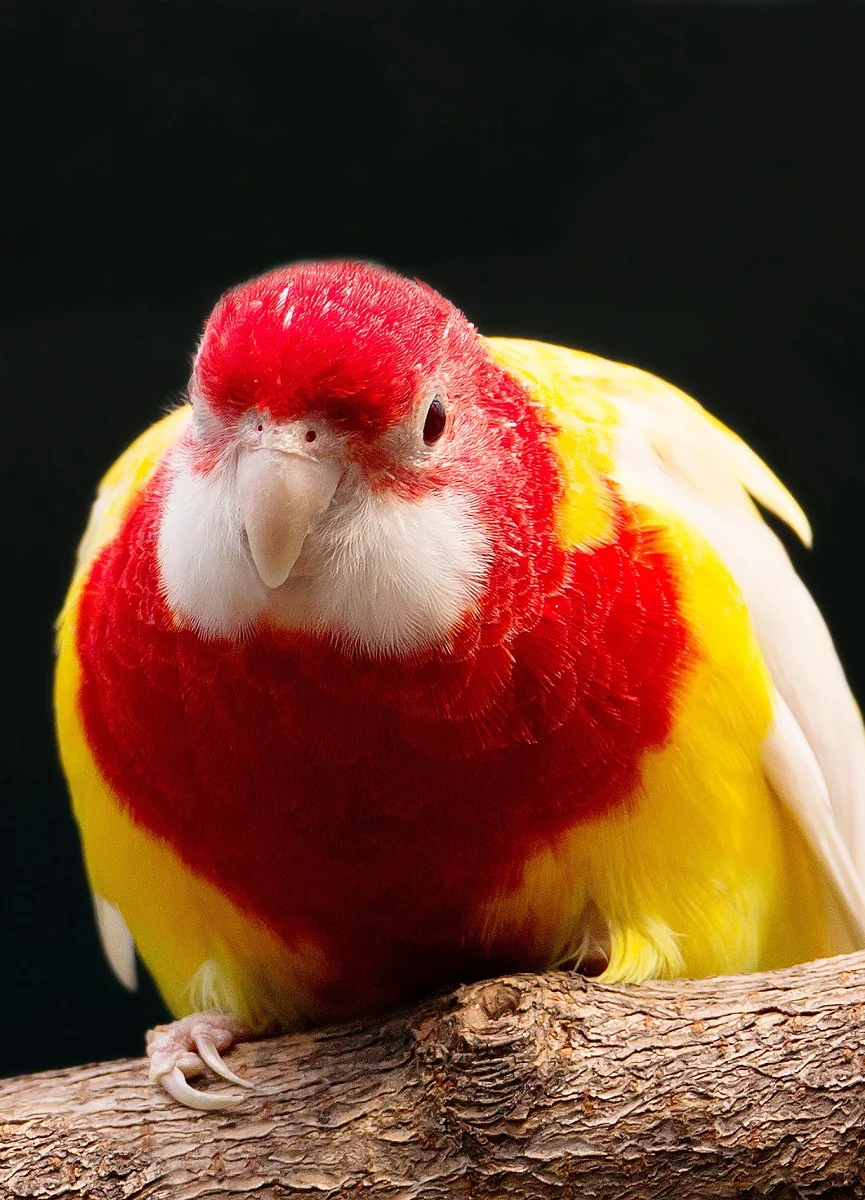
The Eastern Rosella (Platycercus eximius) stands out even among the world’s most colorful parrots, a true spectacle of nature that commands attention. Native to the southeastern reaches of Australia, this medium-sized parakeet is not merely a pretty face; it is a bird of significant ecological interest, adaptable to various landscapes, and increasingly cherished globally as a pet. Its striking plumage, combined with an engaging personality, has cemented its status as both an iconic Australian species and a sought-after companion bird. This comprehensive overview delves into the Eastern Rosella’s biology, habitat, behavior, and the nuanced considerations for its care in captivity, offering a detailed understanding of this remarkable avian species.
A Kaleidoscope of Plumage: Dissecting the Eastern Rosella’s Appearance
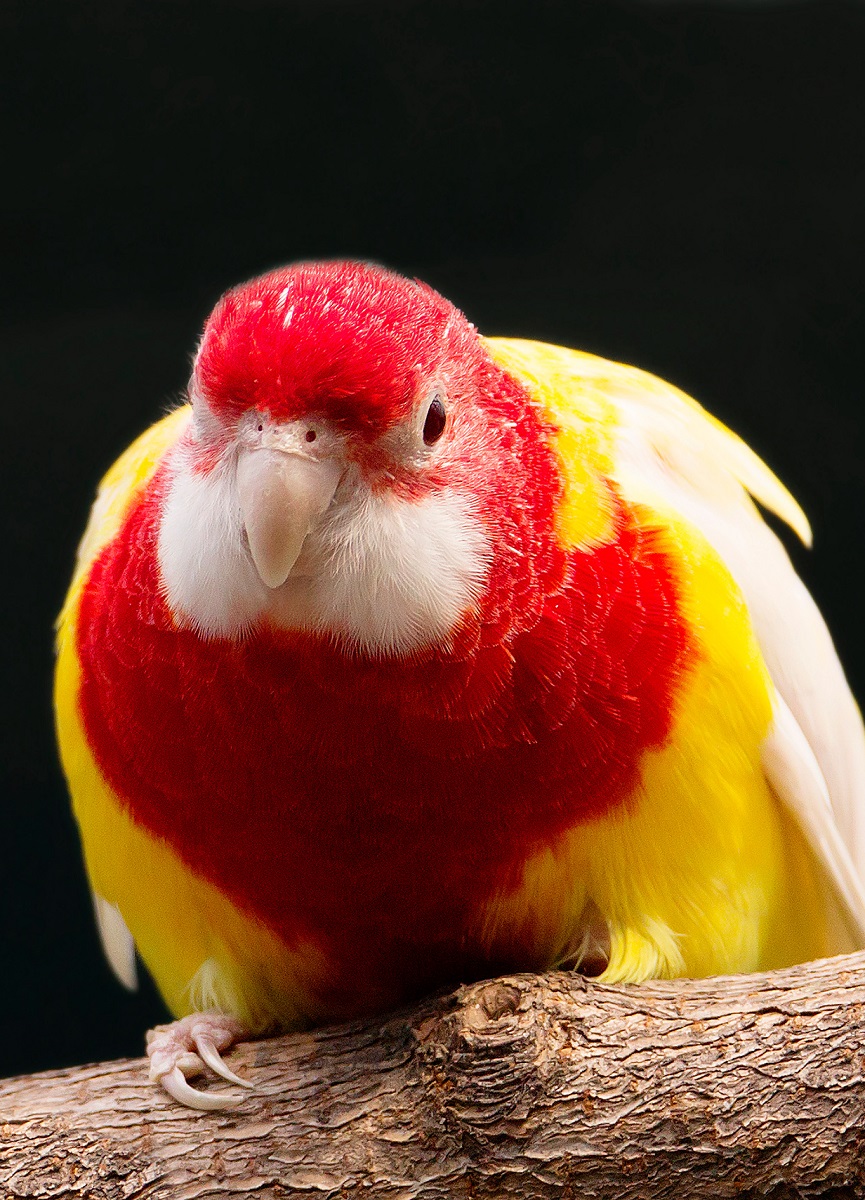
Despite its moderate size, typically reaching about 30 cm (12 inches) in length and weighing around 100 grams, the Eastern Rosella is undeniably captivating. Its vibrant coloration is a complex mosaic, making it one of the most visually distinctive parrots. The head and upper chest are adorned with a brilliant, fiery red, a hue that immediately catches the eye. This vivid red is sharply contrasted by pristine white cheek patches, creating a distinct facial mask. Below the red, the belly and ‘pants’ (thigh feathers) transition into a cheerful yellow-green, offering a delightful gradient.
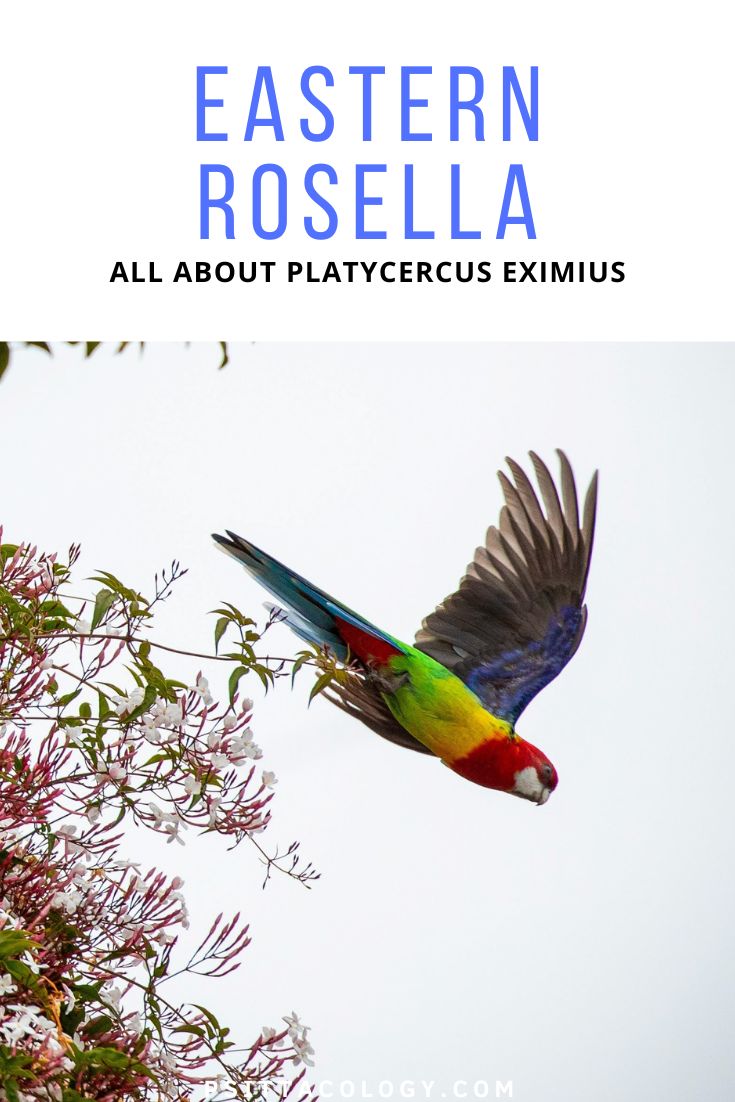
The upper wing feathers present a sophisticated pattern of scalloped yellow-green and black, while the back is a rich green. The undersides of the wings flash a vibrant blue during flight, and its notably long tail transitions from blue-green at the base to a pure blue at the tip. This intricate palette serves not only as a visual spectacle but also aids in camouflage within its varied natural habitats, blending with the dappled sunlight filtering through eucalyptus leaves.
Three recognized subspecies of the Eastern Rosella exhibit subtle variations in their plumage, often reflecting their specific geographical distributions:
- Platycercus eximius eximius (the nominate subspecies), commonly known as the Tasmanian Rosella, is found in Tasmania and southern Victoria. It typically displays slightly deeper red tones and more extensive white on the cheeks.
- Platycercus eximius elecica, the Northern Rosella, inhabits northern New South Wales and southeastern Queensland. This subspecies generally has a brighter yellow on the belly and a more pronounced blue tint to the wing patches.
- Platycercus eximius diemenensis, the Adelaidian Rosella, found in South Australia, tends to have a more subdued coloration overall, with less intense reds and greens. These variations, while subtle to the untrained eye, are crucial for ornithologists studying regional adaptations and genetic distinctions.
Juvenile Eastern Rosellas present a slightly muted version of their adult counterparts. Their colors are not as bright or defined, and their beaks are initially yellow, gradually changing to the adult’s characteristic white after their first molt. This molt typically occurs between 2 to 6 months of age, marking their transition into full adult plumage and maturity.
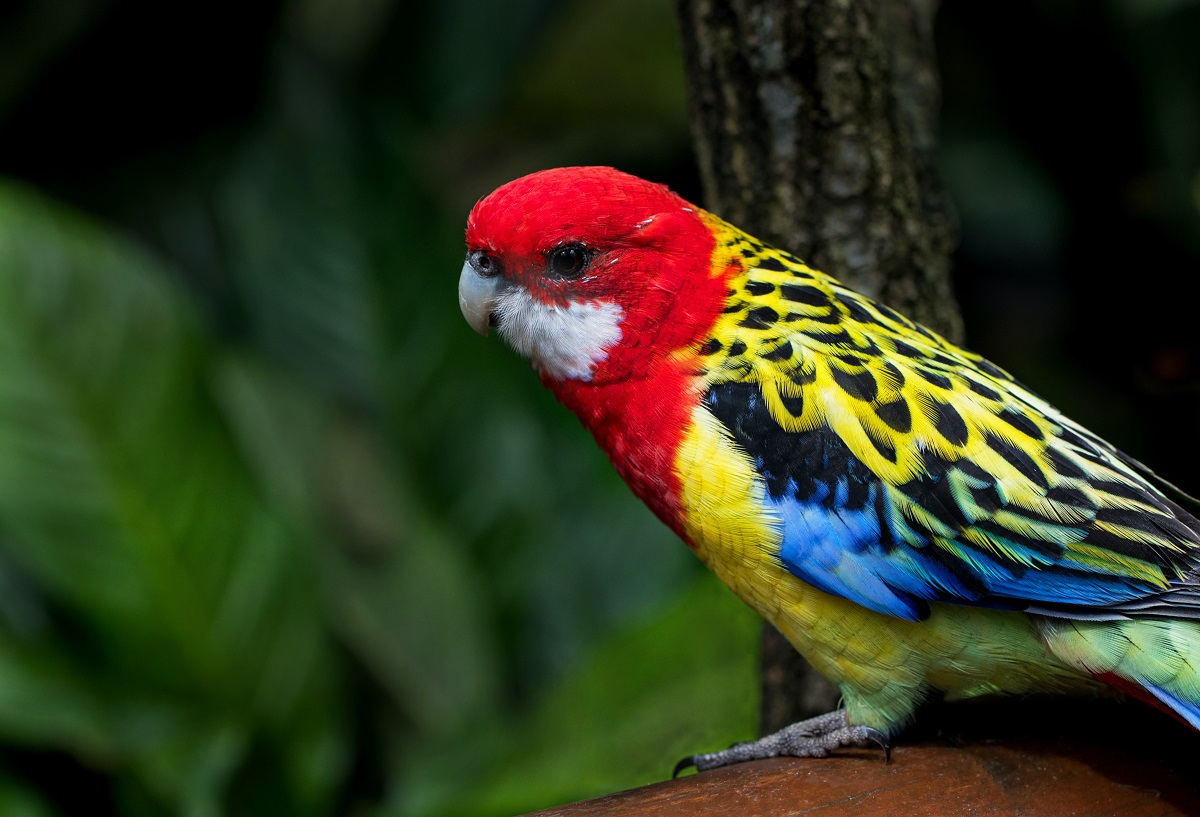
Beyond natural variations, selective breeding in captivity has introduced several color morphs into the pet trade. One of the most common and striking is the ‘Rubino’ morph. These birds are characterized by a dominant red-yellow-white coloration, entirely lacking the blue, green, or black pigments found in wild-type rosellas. Such morphs highlight the genetic diversity within the species and cater to specific aesthetic preferences among breeders and pet enthusiasts, though they rarely survive in the wild due to their conspicuousness.
The Enigma of Hybrids: Blurring Species Lines
Adding another layer of complexity to rosella identification is the phenomenon of hybridization. The genus Platycercus is known for its members’ ability to interbreed, leading to visually distinct hybrid birds in areas where their ranges overlap. Common hybrids include the Eastern Rosella × Crimson Rosella (P. elegans) and the Eastern Rosella × Pale-headed Rosella (P. adscitus). These hybrids can exhibit a fascinating blend of traits from both parent species, often resulting in incredibly unique and sometimes bewildering color patterns. While captivating, the prevalence of hybrids also underscores the challenges in species identification and the dynamic nature of avian genetics in zones of sympatry.
Distinguishing between male and female Eastern Rosellas visually can be challenging, especially before full maturity. However, subtle differences in coloration typically emerge post-first molt. Males generally exhibit brighter, more intense red plumage on the head and chest, and their white cheek patches tend to be larger and more defined. Females, conversely, often have slightly duller reds and greens, and their white cheek patches may appear less prominent or tinged with a faint grey. These distinctions are not always absolute and can vary between individuals, making definitive visual sexing difficult without extensive experience or genetic testing.
Ecological Footprint: Range, Habitat, and Conservation Status
The Eastern Rosella’s name is geographically precise; its natural distribution is confined to Eastern and Southeastern Australia, including the island state of Tasmania. Its range spans from southeastern Queensland, through New South Wales, across Victoria, and into the southeastern corner of South Australia. Within this vast area, the species demonstrates remarkable adaptability, thriving in a variety of lightly wooded environments.
Beyond its native range, the Eastern Rosella has established a significant introduced population in New Zealand. This colonization is a classic case study of an invasive species, primarily resulting from a combination of accidental escapes and deliberate releases in the late 19th and early 20th centuries. For instance, historical records detail incidents like 12 rosellas escaping in Dunedin after their cage was destroyed, and a shipment of birds being released by the NZ Customs Department in 1910 after entry was refused. These events led to the establishment of multiple self-sustaining populations across the North and South Islands, where the rosella now competes with native bird species for resources and nesting sites, posing a challenge to New Zealand’s unique biodiversity.
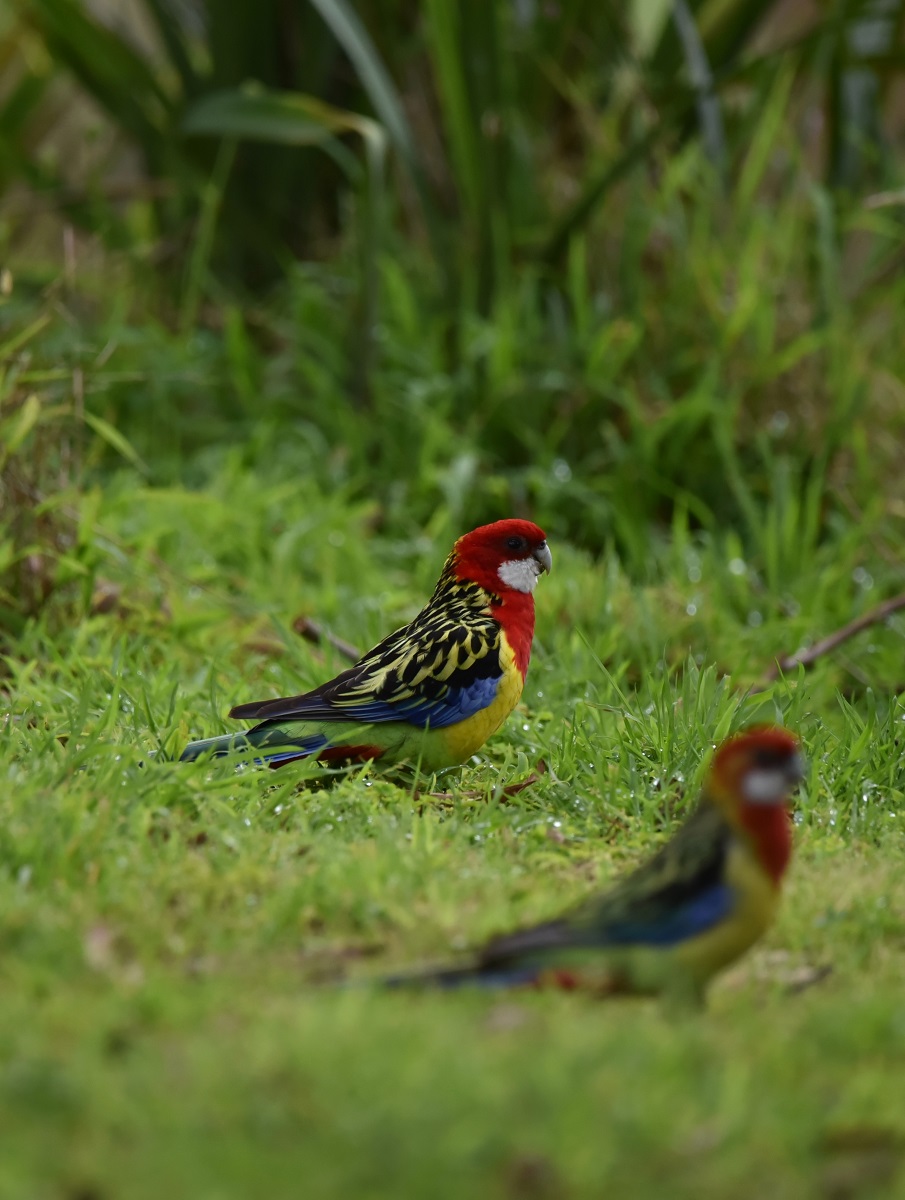
In its natural Australian habitat, the Eastern Rosella favors open forests, forest edges, woodlands dominated by Eucalyptus trees, as well as more human-modified landscapes like parks, farmlands, and suburban gardens. They are typically found at moderate altitudes, up to approximately 1,250 meters (4,100 feet), and show a preference for areas with ample rainfall or reliable water sources. Wild Eastern Rosellas are generally observed in pairs or small family groups, though they may occasionally flock with other parrot species, including other rosella types. Like many parrots, they are obligate cavity nesters, relying on hollows in mature trees for breeding, a critical resource in their ecosystem.
The conservation outlook for the Eastern Rosella is remarkably positive. The International Union for Conservation of Nature (IUCN) Red List categorizes the species as "Least Concern." This favorable status is attributed to its wide natural range and an observable increase in its population trends. The species’ success, however, presents a paradox: it is, in part, a consequence of anthropogenic habitat degradation. As natural forests are cleared for agriculture and urban development, the Eastern Rosella, a highly adaptable species, finds new opportunities. Farmlands provide abundant food sources in the form of cultivated crops, and scattered trees offer nesting sites, creating an environment that, while detrimental to many specialist species, proves ideal for this generalist feeder. This adaptability allows it to thrive in landscapes altered by human activity, even as other native species decline.
Dietary Habits: Foraging in the Wild and Nutrition in Captivity
The Eastern Rosella’s diet in the wild is diverse and opportunistic, reflecting its adaptability. Like many parrots, seeds form a cornerstone of its nutrition, with a particular fondness for thistle seeds. Beyond seeds, their diet extensively includes various fruits, such as apples, berries, flowers, and flower buds. Researchers have also documented their consumption of insects, particularly during breeding season when protein requirements are higher for chick rearing. This broad dietary spectrum ensures they obtain a wide range of nutrients available in their environment.
Historically, and continuing into the present, the Eastern Rosella has frequently been at odds with human agricultural interests. For centuries, farmers in eastern Australia have considered rosellas, along with their cousins, as agricultural pests. Their propensity for raiding orchards and feasting on grain crops like maize and wheat can lead to significant economic losses for growers. Despite being protected by law, a contentious issue often arises when farmers, after demonstrating substantial crop damage and the ineffectiveness of non-lethal deterrents, are granted permits to cull rosellas. This practice highlights the ongoing tension between wildlife conservation and agricultural sustainability, underscoring the need for integrated pest management strategies that balance ecological concerns with economic realities.
In captivity, replicating the wild rosella’s varied diet is crucial for its health and longevity. Avian veterinarians, including specialists like Psittacology’s resident vet Dr. Daisy May, strongly advocate for a primary diet consisting of high-quality, formulated pellets. These pellets are scientifically designed to provide a balanced nutritional foundation, encompassing essential vitamins, minerals, and proteins that are often lacking in a seed-only diet. A diet based solely on mixed seeds, while superficially appealing to birds, is notoriously deficient and can lead to a range of health issues, including obesity, vitamin deficiencies, and organ damage.
Beyond the daily pellet rations, captive Eastern Rosellas should receive a generous array of fresh produce. Vegetables, such as leafy greens (e.g., kale, spinach), carrots, bell peppers, and broccoli, should be offered daily. Fruits, including apples, bananas, oranges, and berries, can be provided a few times a week as treats, given their higher sugar content. To further enrich their diet and stimulate natural foraging behaviors, owners can offer sprouted seeds, cooked whole grains (like brown rice and whole-wheat pasta), and occasional protein-rich snacks such as boiled egg or freeze-dried mealworms. Foraging for parrot-safe branches, weeds, and flowers also provides both nutritional benefits and essential mental stimulation. A comprehensive understanding of a balanced parrot diet is vital for ensuring the well-being of these intelligent birds.
The Eastern Rosella as a Companion: Insights for Prospective Owners
The Eastern Rosella has gained considerable popularity as a pet, often chosen for its striking beauty and engaging temperament. They are particularly common as aviary birds, primarily admired for their vibrant colors. However, their territorial nature means they are generally not suitable for mixed aviaries with other, smaller bird species, such as budgies, as they can become aggressive. For individuals seeking an indoor companion, a well-socialized rosella can be an excellent choice. They are typically described as fun, active, curious, and social birds, though they are often noted for being more independent than some other parrot species. Despite this independence, most rosellas develop strong bonds with their human caregivers and enjoy interactive playtime. Their lifespan of 20-30 years in captivity means owning a rosella is a significant, long-term commitment.
Housing Requirements: Providing adequate housing is paramount for a rosella’s welfare. Given their active nature and need for flight, the largest possible cage is always recommended. A minimum cage length of 1 meter (40 inches) is essential to allow the bird to stretch its wings and engage in short flights. The bar spacing is a critical safety consideration; it should be no more than 1.25 cm (0.5 inches) apart to prevent the bird from getting its head or body trapped. The cage must be equipped with a variety of natural perches of varying diameters, made from safe woods like Manzanita or Java, to promote foot health and prevent pressure sores. Multiple food bowls and at least one source of fresh water, changed daily, are also essential.
Enrichment Strategies: Parrots, being highly intelligent creatures, are prone to boredom, which can manifest as destructive behaviors such as feather plucking, excessive screaming, or aggression. Environmental enrichment is therefore vital. Beyond a selection of parrot toys—including shreddable toys for natural chewing, foraging toys that challenge their problem-solving skills, and sturdy chew toys to maintain beak health—owners should implement several strategies:
- Foraging Opportunities: Hiding food in various locations or specialized foraging toys encourages natural food-seeking behaviors.
- Training: Positive reinforcement training for basic commands or tricks provides mental stimulation and strengthens the bond between bird and owner.
- Social Interaction: Regular, positive interaction with humans is crucial for a rosella’s emotional well-being.
- Out-of-Cage Time: Supervised time outside the cage in a bird-proofed room allows for exercise, exploration, and mental stimulation.
Vocalization and Talking Ability: Eastern Rosellas are not typically known for being exceptionally loud parrots, especially when compared to species like cockatoos or macaws. Their vocalizations primarily consist of pleasant whistles, chirps, and softer cheeps. This relatively low noise level makes them a more suitable choice for apartment living, provided the walls are not exceptionally thin. While they may not be among the most prolific talking parrots, Eastern Rosellas do possess the ability to mimic sounds. Many owners report their rosellas imitating household noises, and with patience and consistent training, some individuals can learn to articulate a few words or short tunes. Each bird’s capacity for mimicry is unique and varies greatly.
Safety and Emergency Preparedness: The curious nature and relatively fragile constitution of parrots mean they are susceptible to various household hazards. Therefore, any space an Eastern Rosella has access to must be meticulously parrot-proofed. This includes identifying and removing toxic plants, ensuring windows and doors are securely closed, covering ceiling fans, and avoiding the use of non-stick cookware (which can release toxic fumes). Owners should also be prepared for basic parrot emergency care, knowing how to handle minor injuries and having contact information for an avian veterinarian readily available for more serious situations. Prompt action in an emergency can be life-saving for a parrot.
Broader Implications and Expert Perspectives
The Eastern Rosella embodies a complex narrative, straddling the roles of an ecological success story, an agricultural challenge, and a cherished companion. Its "Least Concern" conservation status, ironically bolstered by habitat alteration, underscores a critical point in wildlife management: not all species respond negatively to human encroachment. However, this success is not without its costs, particularly in regions like New Zealand where it functions as an invasive species, impacting native avifauna. Conservation efforts in such areas focus on managing these introduced populations to mitigate their ecological footprint.
From an agricultural perspective, the ongoing conflict with farmers necessitates innovative solutions. Experts advocate for integrated pest management strategies that combine non-lethal deterrents, crop rotation, and habitat modification, rather than relying solely on culling. The legal framework surrounding culling permits is a subject of continuous debate, highlighting the ethical complexities of managing wildlife that directly impacts human livelihoods.
In the pet trade, the Eastern Rosella’s popularity brings both opportunities and responsibilities. While captive breeding reduces pressure on wild populations, the welfare of pet birds is paramount. Avian veterinarians and animal welfare organizations emphasize the critical need for prospective owners to understand the species-specific requirements for housing, diet, enrichment, and social interaction. The long lifespan of rosellas means that ownership is a multi-decade commitment, demanding consistent care, financial investment, and a deep understanding of avian behavior.
In conclusion, the Eastern Rosella is far more than just a colorful bird; it is a testament to avian adaptability and resilience. Its journey from the eucalyptus woodlands of Australia to becoming a beloved pet in homes worldwide speaks volumes about its enduring appeal and the intricate relationships it forms with both its natural environment and human society. Understanding and respecting its unique biology and needs are essential for ensuring its continued flourishing, both in the wild and under human care.
