


The Eastern Rosella (Platycercus eximius), a species renowned for its extraordinarily vibrant plumage, stands out even among the famously colorful parrot family. Hailing from Australia, this medium-sized bird, while not physically imposing, commands attention with its striking appearance and engaging personality, making it a favored subject for birdwatchers and a popular companion in aviculture. Its resilience and adaptability have allowed it to flourish across its native range and even establish populations in new territories, presenting a fascinating case study in avian success amidst evolving landscapes. This comprehensive overview delves into the Eastern Rosella’s natural history, ecological interactions, and its role in human society, from agricultural landscapes to domestic settings.
A Kaleidoscope of Colors: Unpacking the Eastern Rosella’s Appearance
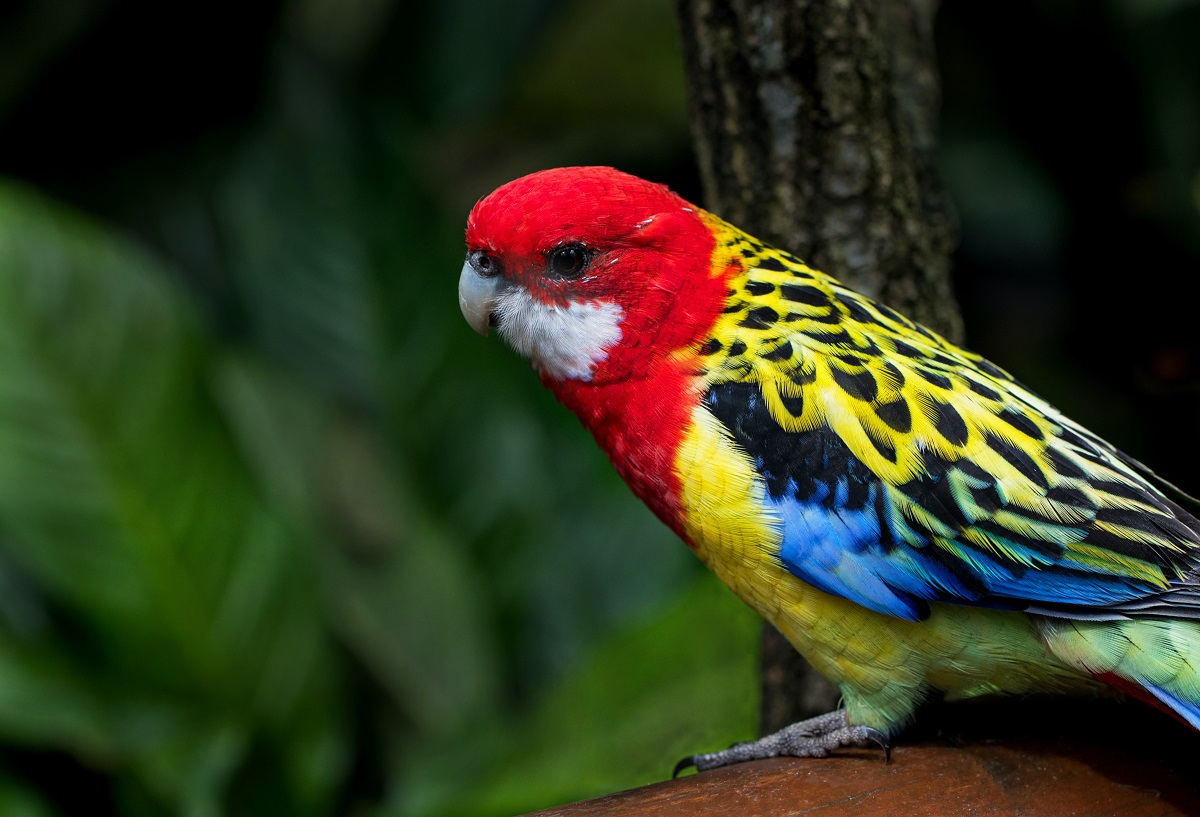
The Eastern Rosella’s visual allure is arguably its most defining characteristic. Despite measuring a modest 30 centimeters (12 inches) in length and weighing approximately 100 grams, its plumage is an intricate tapestry of hues. The head and chest are a brilliant, almost incandescent red, sharply contrasted by distinct white cheek patches. This fiery display transitions into a yellow-green belly and "pants," while the upper wing feathers exhibit a scalloped pattern of yellow-green and black, creating a sophisticated visual texture. The back is a verdant green, undersides of the wings are a soft blue, and a long, elegant blue-green tail completes the ensemble. This complex coloration serves multiple purposes, from species recognition and mate attraction to providing camouflage amidst the dappled light of its woodland habitat.
Scientific classification recognizes three primary subspecies, each occupying a distinct geographical area and possessing subtle morphological variations. The nominate subspecies, Platycercus eximius eximius, is predominantly found across southeastern Australia, characterized by its classic bright red head and breast, and prominent white cheek patches. Platycercus eximius diemenensis, native to Tasmania, often presents with larger white cheek patches and a deeper, more saturated red coloration. The third subspecies, Platycercus eximius elecica, also known as the "Northern Rosella," inhabits northeastern New South Wales and southeastern Queensland, frequently displaying a more pronounced yellow-orange wash on its breast that blends into the red. These geographical distinctions underscore the species’ capacity for regional adaptation within its broad range.
Juvenile Eastern Rosellas exhibit a slightly muted version of the adult coloration, with less intense reds and greens, and their beaks are typically yellow rather than the pristine white of mature birds. This difference persists until their first molt, occurring between two and six months of age, after which they assume their full adult splendor. This gradual color development is a common evolutionary trait in many bird species, providing a degree of camouflage for younger, more vulnerable individuals before they develop the vibrant signals of maturity.
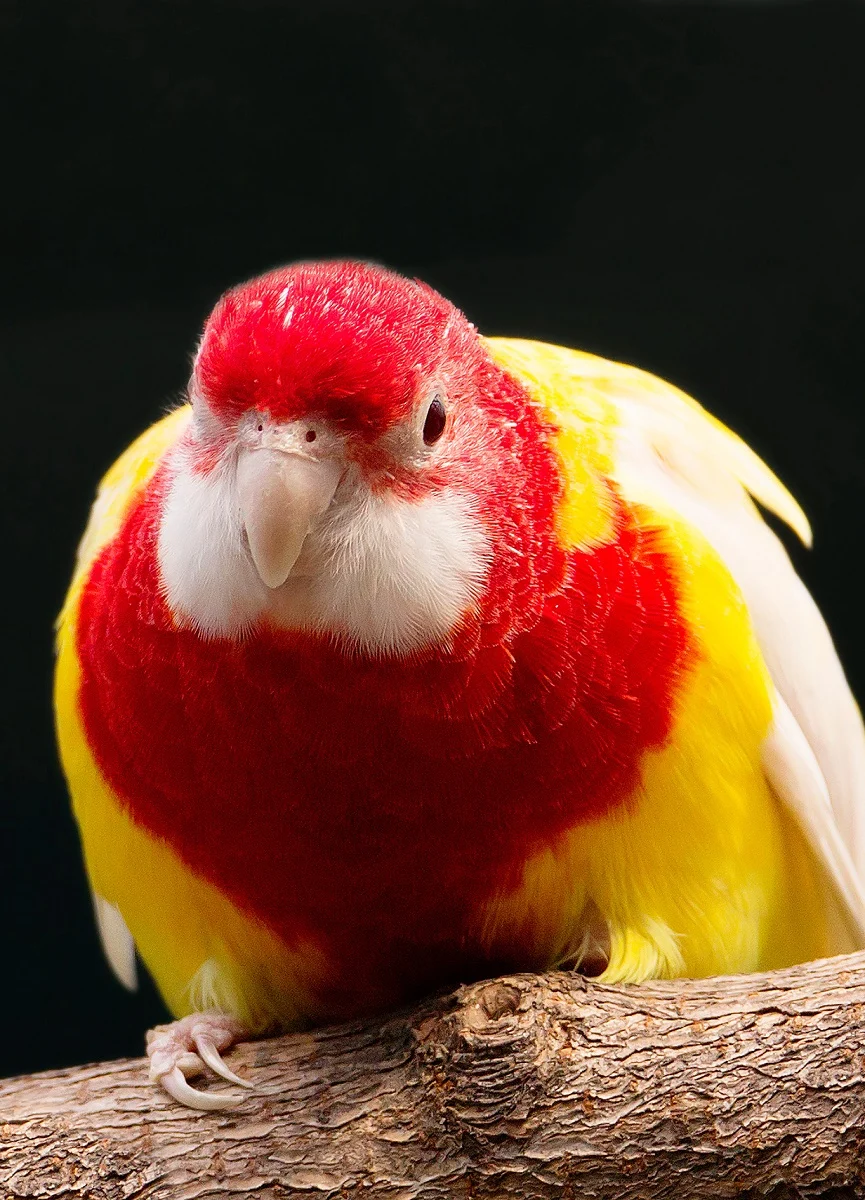
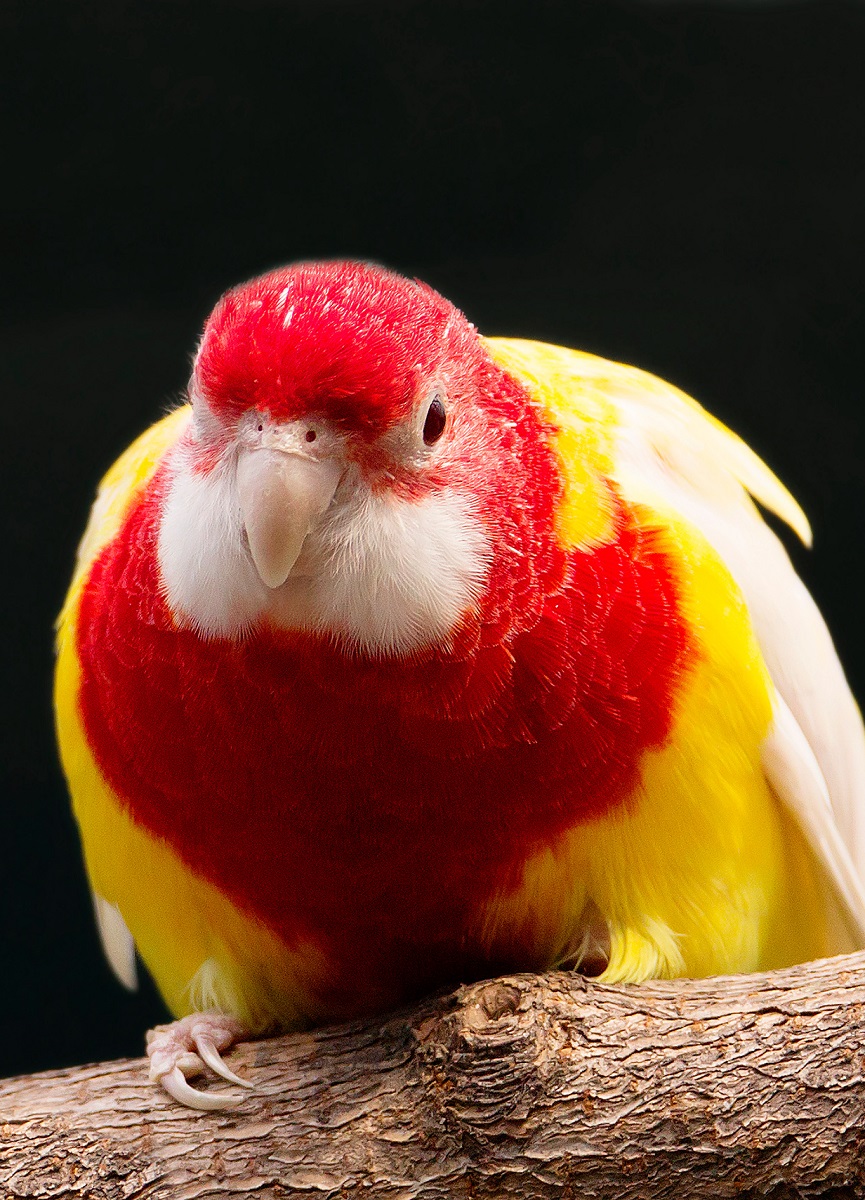
Beyond natural variations, selective breeding within the pet trade has led to the development of various captivating color morphs. The "Rubino" morph is a particularly common and striking example, characterized by a near-complete absence of blue, green, or black pigments, resulting in a vibrant bird adorned exclusively in shades of red, yellow, and white. These genetically engineered variations, while visually captivating and highly sought after by enthusiasts, highlight the extensive human influence on species aesthetics, often driven by market demand for unique pet birds.
The Phenomenon of Avian Hybrids
The avian world is not always neatly categorized, and the Eastern Rosella provides a compelling example through its propensity for hybridization. Observations in the wild have revealed instances where different species within the genus Platycercus can interbreed, leading to hybrid offspring. This phenomenon is particularly noted with the Eastern Rosella (P. eximius) crossing with the Crimson Rosella (P. elegans) and the Pale-headed Rosella (P. adscitus). These hybrid zones, often occurring where the ranges of two species overlap, produce individuals with mixed characteristics that can be remarkably distinct and beautiful.
From an ecological perspective, hybridization can have several implications. It can sometimes lead to genetic introgression, where genes from one species flow into another, potentially increasing genetic diversity or, conversely, blurring species boundaries. In some cases, hybrids might be less fit than their parent species due to reduced viability or fertility, but in others, they might exhibit hybrid vigor, being better adapted to novel or disturbed environments. The existence of these striking hybrid birds underscores the dynamic nature of evolution and species interaction in the wild, offering valuable insights into speciation and adaptation processes.
Determining Sex: A Visual and Scientific Endeavor
Distinguishing between male and female Eastern Rosellas, known as sexing, can be a nuanced process. While fully mature birds can often be visually sexed, it requires a keen eye and experience, particularly after the bird has undergone its first molt. Males typically display brighter, more intense coloration, especially in the red areas of the head and chest. Their white cheek patches also tend to be larger and more pronounced. Females, in contrast, often exhibit slightly duller plumage and smaller cheek patches, though these differences can be subtle and vary among individuals.
For definitive sexing, especially for breeding purposes or when visual cues are ambiguous, DNA testing remains the most reliable method. This involves a simple feather or blood sample sent to a specialized laboratory for genetic analysis. This scientific approach eliminates guesswork and is crucial for aviculturists aiming to establish breeding pairs or to ensure specific gender ratios within their aviaries, which can be important for managing genetic diversity and preventing overpopulation.
Range and Habitat: A Story of Adaptation and Expansion
The Eastern Rosella’s geographic distribution lives up to its name, primarily encompassing Eastern and Southeastern Australia, including the island state of Tasmania. This native range is characterized by a mosaic of landscapes that the species has expertly adapted to.
However, its story extends beyond its native shores. The Eastern Rosella is also a well-established introduced species in New Zealand. The presence of these vibrant parrots in New Zealand is largely attributed to both accidental escapes and deliberate releases from captivity during the early 20th century. Historical records detail instances such as 12 rosellas escaping in Dunedin after their cage was destroyed, and a shipment being released by the New Zealand Customs Department in 1910 after entry was refused. These events led to the establishment of multiple wild populations, particularly in the North Island, where they have successfully integrated into the local ecosystem. The impact of introduced species on native biodiversity is a significant concern for conservationists, as they can compete with indigenous birds for resources, including nesting sites and food, and potentially introduce diseases. Monitoring and management efforts are ongoing in New Zealand to assess and mitigate any adverse effects on native avian populations.
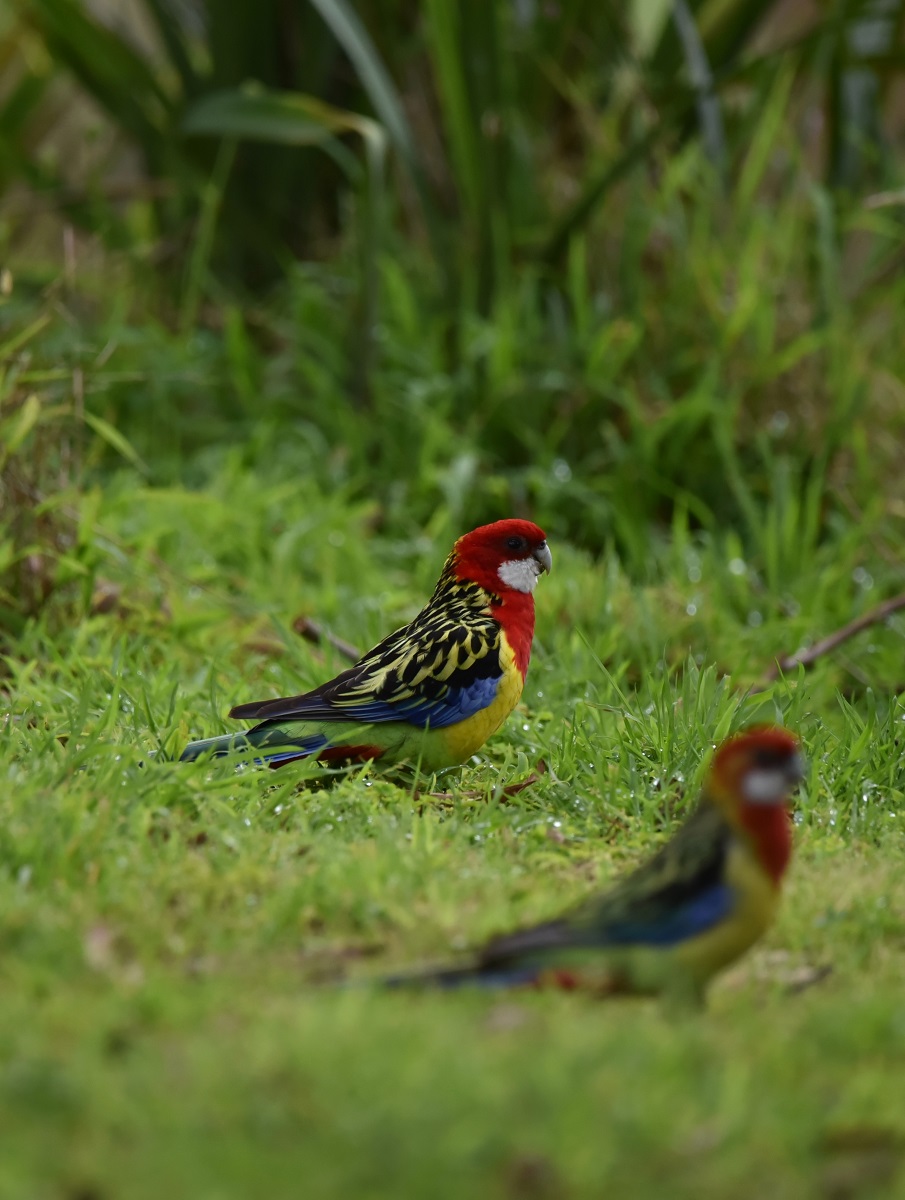
In terms of natural habitat, Eastern Rosellas are highly adaptable, thriving in lightly wooded areas. Their preferred environments include open forests, forest edges, patches of Eucalyptus trees, and increasingly, human-modified landscapes such as parks, gardens, orchards, and farmland. They are found from sea level up to moderate altitudes, typically around 1,250 meters (4,100 feet), favoring areas with consistent rainfall or proximity to reliable water sources. In the wild, they are usually observed in pairs or small family groups, often associating with other parrot species, including their rosella cousins. Like many parrots, they are cavity nesters, relying on hollows in mature trees for breeding, a critical resource that can become a point of competition with other native wildlife, highlighting the importance of preserving old-growth trees.
Conservation Status: A Paradox of Prosperity
The International Union for Conservation of Nature (IUCN) Red List classifies the Eastern Rosella as a species of "Least Concern." This designation reflects its wide natural range and a population trend that appears to be increasing, rather than declining. This positive assessment is, ironically, linked to anthropogenic landscape changes. While habitat degradation is typically detrimental to wildlife, the Eastern Rosella has found an advantage in the conversion of natural forests to agricultural land.
The expansion of agriculture, particularly the cultivation of maize, grains, and fruit orchards, provides abundant and readily accessible food sources for these adaptable birds. This shift has inadvertently created a new ecological niche that the Eastern Rosella has exploited with great success. This phenomenon is a nuanced aspect of conservation biology, where a species can thrive due to changes that might simultaneously threaten other, less adaptable species. While the Eastern Rosella’s current status is secure, it serves as a reminder that ecological success can sometimes be a byproduct of broader environmental transformations, the long-term impacts of which require continuous monitoring. This adaptability underscores a broader trend where some generalist species benefit from human-altered landscapes, contrasting sharply with specialist species that often face severe declines.
Dietary Habits: From Wild Foraging to Captive Care
The Eastern Rosella’s diet in the wild is remarkably varied, reflecting its opportunistic foraging strategies. Seeds form a significant portion of their intake, with thistle seeds being a particular favorite. They are also highly partial to fruits, such as apples, and a diverse array of berries, flowers, and flower buds. Researchers have documented their consumption of insects, particularly during breeding season when extra protein is required for chick development. This broad diet enables them to exploit various food sources across different seasons and habitats, contributing to their adaptability.
Historically, and continuing into the present, the Eastern Rosella has been considered an agricultural pest by farmers in eastern Australia due to its fondness for raiding orchards and damaging crops. This long-standing conflict between human agriculture and wildlife resource utilization has led to measures allowing farmers, under specific permits, to cull rosellas if they can demonstrate significant crop damage and the ineffectiveness of non-lethal deterrents. This practice highlights the ongoing challenge of managing human-wildlife conflict, balancing conservation ethics with economic realities. Organizations like the Australian Broadcasting Corporation have reported on the complexities of this issue, with ongoing efforts to find sustainable solutions that protect both farmers’ livelihoods and native wildlife, such as improved netting and alternative deterrents.
In captivity, replicating the wild rosella’s diverse diet is paramount for their health and longevity. Avian veterinarians, including specialists like Dr. Daisy May, advocate for a base diet of high-quality commercial pellets. These pellets are formulated to provide a balanced nutritional profile, addressing the common deficiencies found in traditional seed-only diets. Supplementing pellets with a wide variety of fresh produce is crucial. Daily offerings should include vegetables such as leafy greens, carrots, and bell peppers, while fruits like apples, bananas, and oranges can be provided a few times a week.
Further enriching a captive rosella’s diet involves offering sprouted seeds, cooked whole grains (like pasta and rice), and occasional treats such as millet sprays or nuts. Protein sources, vital for overall health and particularly during breeding, can include boiled eggs or freeze-dried mealworms. Moreover, providing parrot-safe branches, weeds, and flowers for foraging mimics their natural feeding behaviors and adds vital micronutrients and mental stimulation. This comprehensive approach ensures that pet rosellas receive the complete nutrition necessary for a healthy, long life, often exceeding 20-30 years in well-managed captive environments.
The Eastern Rosella as a Companion: Personality and Care
Eastern Rosellas are a relatively common species in aviculture, primarily appreciated for their stunning appearance and engaging personalities. While often kept in outdoor aviaries, their territorial nature means they are generally not ideal for cohabiting with smaller, more docile species like budgies. In mixed aviaries, careful consideration of temperament and space is essential to prevent stress and aggression. Aviculturists often recommend single-species aviaries or very large enclosures with ample hiding spots if housing them with other birds.
For individuals seeking an indoor avian companion, a well-socialized Eastern Rosella can be an excellent choice. They are known for being active, curious, and social, albeit often more independent than some other parrot species. This independence can be appealing to owners who desire a bird that enjoys interaction but is also content with self-amusement for periods. With consistent positive reinforcement and socialization from a young age, they can form strong bonds with their human caregivers, displaying a range of endearing behaviors and developing distinct personalities.
Housing and Environmental Enrichment
Providing appropriate housing is fundamental to the well-being of any pet parrot, and the Eastern Rosella is no exception. Given their active nature and need for flight, the largest possible cage is always recommended. A minimum cage length of 1 meter (40 inches) is advised to allow the bird to stretch its wings fully and move comfortably. Bar spacing should be no more than 1.25 centimeters (0.5 inches) to prevent escape or injury. The cage itself should be constructed from safe, non-toxic materials, as parrots are notorious for chewing; stainless steel is often preferred for its durability and safety.
Beyond basic housing, environmental enrichment is critical for preventing boredom, stress, and behavioral issues such as feather plucking. Parrots are highly intelligent creatures requiring constant mental stimulation. The cage should be outfitted with a variety of parrot toys made from different materials (wood, acrylic, natural fibers) to encourage chewing, shredding, and manipulation. Natural perches of varying diameters and textures are essential for foot health, mimicking the diverse branches they would encounter in the wild. Food and water bowls should be kept meticulously clean, with multiple fresh water sources available.
To further enrich their lives, owners can implement several strategies:
- Foraging opportunities: Hiding food in toys or puzzle feeders encourages natural foraging behaviors, engaging their problem-solving skills and extending feeding times.
- Training: Positive reinforcement training can teach commands, tricks, and facilitate handling, strengthening the bond between bird and owner and providing mental exercise.
- Flight time: Supervised out-of-cage flight time in a safe, parrot-proofed room is invaluable for physical exercise, mental stimulation, and overall well-being.
- Social interaction: Daily interaction with humans, including talking, playing, and gentle handling, is crucial for social species like rosellas, even those considered more independent.
Vocalizations and Mimicry: A Moderate Maestro
Compared to some of their more vociferous parrot relatives, Eastern Rosellas are not typically considered excessively loud. Their vocalizations primarily consist of a range of pleasant whistles, chirps, and softer cheeps, rather than the piercing flock calls characteristic of many larger parrot species. This makes them a more suitable choice for apartment living or households where noise levels are a concern, provided walls are not unusually thin. Resources like Xeno-Canto (Xeno-Canto: Platycercus eximius) offer recordings of their natural calls, allowing prospective owners to familiarize themselves with their vocal repertoire.
While not among the most prodigious talkers, Eastern Rosellas do possess the ability to mimic sounds and, with patience and consistent training, can learn to articulate words or short phrases. They are particularly adept at imitating household noises, adding a touch of humor to the home environment. Their capacity for mimicry, though perhaps less extensive than species like African Greys, highlights the general intelligence and cognitive flexibility inherent in parrots, offering delightful surprises to their dedicated caregivers.
Safety and Emergency Preparedness for Avian Companions
The inquisitive nature and
