


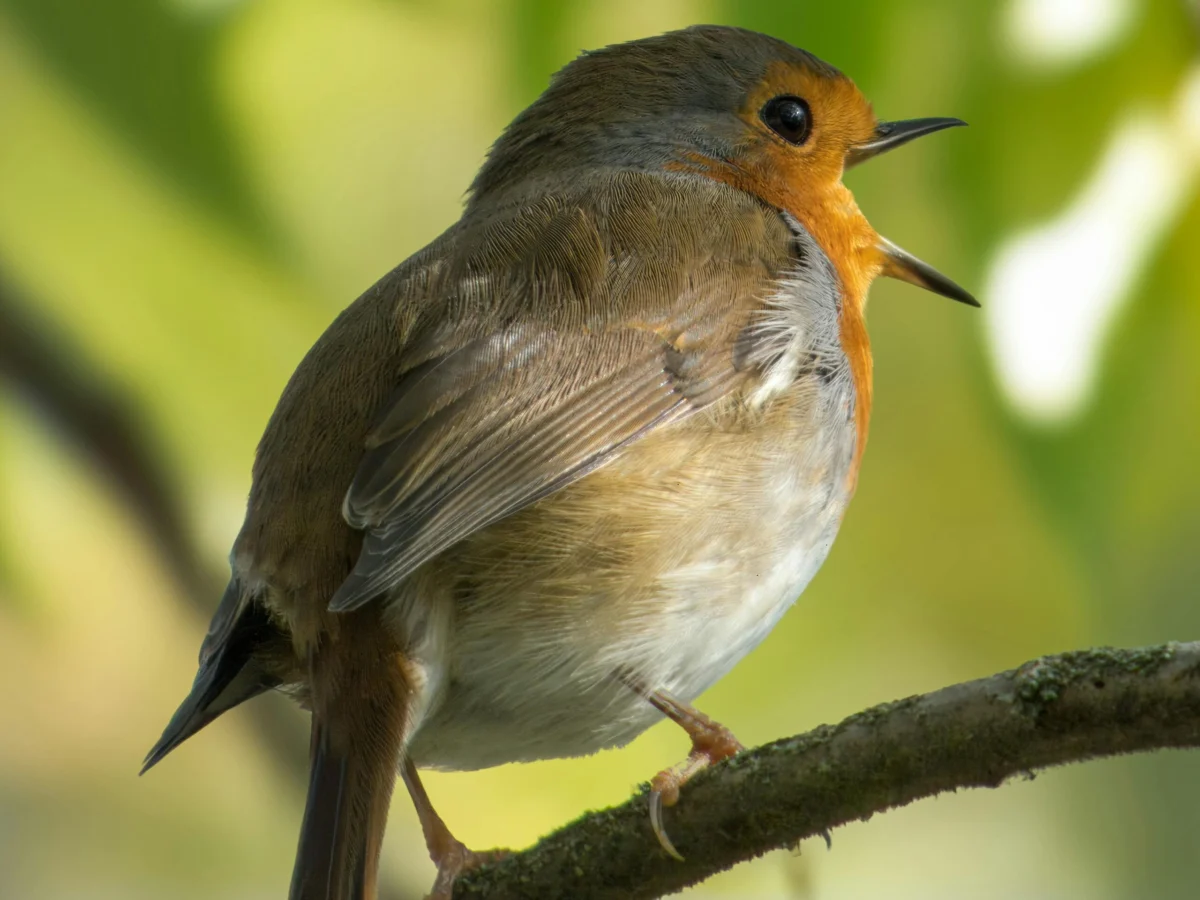
When the familiar dawn chorus abruptly ceases, leaving an unsettling quiet in its wake, it’s a phenomenon that can pique curiosity and even concern. This sudden absence of birdsong, far from being a random occurrence, is a predictable and deeply ingrained aspect of avian behavior, dictated by a complex interplay of environmental cues, biological imperatives, and survival strategies. Understanding these silent moments offers a fascinating glimpse into the intricate lives of our feathered neighbors.
The Disappearing Chorus: Unraveling the Mystery of Avian Silence
The transition from a vibrant symphony of chirps, trills, and calls to an unnerving stillness can be jarring. For many, the sound of birdsong is a constant backdrop, a comforting indicator of a healthy ecosystem. When that sound vanishes, it’s natural to wonder about the cause. However, ornithologists and wildlife experts consistently explain that this silence is rarely a cause for alarm. Instead, it signifies a deliberate shift in avian priorities, a calculated pause in their vocalizations for a variety of critical reasons.
The Rhythmic End of the Morning Chorus
The dawn chorus, a spectacular display of avian communication, is not an endless performance. It typically reaches its peak shortly after sunrise and then gradually fades. This decline is intrinsically linked to the birds’ primary motivations at this time of day.
Why Mornings Are Loud:
- Territorial Defense: The early morning hours are crucial for male birds to establish and defend their territories. Singing loudly announces their presence and warns off rivals. This is a vital strategy for securing resources like food and nesting sites, which are essential for successful reproduction.
- Mate Attraction: Males also use their songs to attract females. The vibrant and complex vocalizations demonstrate their health, fitness, and suitability as a mate.
- Communication with Mate: Once paired, songs can be used to maintain contact with their mates, especially in dense vegetation where visual cues are limited.
The Shift to Other Priorities:
However, as the morning progresses, these urgent needs begin to wane.
- Foraging Becomes Paramount: Once territories are established and potential mates have been alerted, the primary focus shifts to finding food. The energetic demands of singing are significant, and birds must balance vocalization with the need to refuel. As the sun climbs higher and daylight increases, foraging opportunities become more abundant and less risky than prolonged singing.
- Reduced Risk of Predation: While dawn can offer some cover from nocturnal predators, the increasing light of morning also makes birds more visible to diurnal hunters like hawks and falcons. Reducing vocalizations minimizes the risk of revealing their location.
Consequently, the magnificent morning chorus, which can last for an hour or more depending on the species and season, begins to quiet down. The transition is often gradual, but in some instances, it can seem quite abrupt as birds collectively shift their attention to foraging and other less conspicuous activities.
Midday Heat: The Conservation Mode
As temperatures climb, particularly during the warmer months in many regions, birds enter a state of energy conservation. Singing is an energetically expensive activity, requiring significant physical exertion and oxygen consumption.
The Cost of Singing:
- High Metabolic Demand: Producing complex songs involves rapid breathing, muscle contractions, and vocal organ adjustments, all of which increase a bird’s metabolic rate.
- Water Loss: Increased activity and respiration can also lead to greater water loss, a critical concern in hot environments.
Energy-Saving During Midday Heat:
During the hottest parts of the day, birds adopt strategies to minimize energy expenditure and water loss.
- Reduced Activity: They become less active, seeking shade and roosting in sheltered locations.
- Silent Foraging: When they do forage, it is often done quietly and efficiently, minimizing any unnecessary movement or sound.
- Vocalization Cessation: Singing is one of the first activities to be curtailed. The need to conserve energy and water outweighs the benefits of territorial defense or mate attraction during these peak heat hours.
This is why many backyards and natural spaces can feel eerily "empty" from late morning through mid-afternoon, even when birds are still present, resting and conserving their energy. The absence of song is a direct response to the environmental challenge of heat.

The Unseen Threat: Silence as an Alarm Signal
Perhaps the most immediate and critical reason for a sudden cessation of birdsong is the presence of danger. Birds are acutely aware of their surroundings and possess a sophisticated system for detecting predators.
When Danger Looms:
- Predator Detection: If a bird of prey, such as a hawk or owl, enters the area, or if a terrestrial predator like a fox or cat is spotted, birds will instinctively fall silent.
- Vocalization Reveals Location: Any call or song would immediately pinpoint their location to the predator, making them an easy target. The silence that spreads rapidly through a flock or even a solitary bird is a survival mechanism.
The "Flipping a Switch" Phenomenon:
This silence can be remarkably swift, often described as if a switch has been "flipped." It is a non-verbal, instantaneous communication that alerts others to the threat and encourages them to remain still and hidden. While sometimes the predator is obvious, at other times it may be lurking unseen, its presence detected by subtle cues that trigger this widespread silence. This is not a sign of fear but rather a highly effective protective strategy.
The Pause for Sustenance: When Food Takes Precedence
Birds operate on a finely tuned cycle of singing and feeding, and when food is abundant, the latter often takes precedence.
The Feeding Frenzy:
- Abundant Food Sources: When food sources are particularly rich, such as during insect hatches, fruiting seasons, or at well-stocked feeders, birds will dedicate significant time to feeding.
- Efficient Foraging: To maximize their intake of these valuable resources, they often minimize other activities, including singing. The focus is on consuming as much as possible before the opportunity passes.
The Music Pauses:
While general territorial songs might cease, birds may still use brief, soft "contact calls" to maintain communication with flock members while feeding. These are not the elaborate songs used for territory or mating but short, functional calls to ensure group cohesion. The "music" of their territorial and courtship displays is temporarily put on hold to capitalize on readily available sustenance.
The Internal Clock: Biological Rhythms Dictate Song Patterns
Beyond external factors, birds are governed by internal biological clocks and hormonal cycles that dictate their singing behavior.
Circadian Rhythms at Play:
- Hormonal Fluctuations: Throughout the day, the levels of hormones like testosterone (in males) fluctuate, influencing their propensity to sing. These hormonal cycles are closely tied to light levels and other physiological cues.
- Brain Activity: Specific areas of a bird’s brain responsible for song production are also subject to daily cycles of activity and rest.
The Daily Pattern:
A typical pattern often involves:
- Pre-dawn and Dawn Peak: High hormonal levels and daylight signaling initiate intense singing activity.
- Morning Decline: As hormones begin to decrease and foraging needs increase, singing lessens.
- Midday Lull: During the hottest and brightest parts of the day, singing is minimal.
- Late Afternoon/Evening Activity: Some species may exhibit a secondary, less intense period of singing in the late afternoon or early evening, particularly as light levels decrease and before roosting for the night.
When it feels like the silence has descended "suddenly," it often coincides with a shift in these internal rhythms, a natural transition from a vocalization-driven period to one focused on other essential activities. This rhythm is remarkably consistent across species, honed by millennia of evolution.
Weather’s Influence: The Immediate Impact of Atmospheric Changes
Sudden shifts in weather conditions can have an almost immediate impact on birdsong.

Precipitation and Wind:
- Pressure Drops and Wind: A significant drop in atmospheric pressure, an increase in wind speed, or the approach of a storm can cause birds to fall silent.
- Impaired Flight and Foraging: Strong winds can make flight difficult and disrupt foraging efforts.
- Acoustic Interference: Heavy rain or strong winds can also interfere with the transmission of sound, making singing less effective.
Anticipating Storms:
This silence often precedes the arrival of rain, leading many observers to notice the quiet right before a storm breaks. It’s a behavioral adaptation to conserve energy and avoid difficult conditions.
Urban Interference: The Impact of Human Environments
In urban and suburban environments, the soundscape created by human activity can significantly alter when and how birds sing.
Adapting to Noise:
- Traffic and Construction: The constant noise from traffic, construction, and other human activities can create challenges for birds.
- Shifting Song Times: To overcome this acoustic interference, some birds have adapted by singing louder, at higher pitches, or at different times of the day. In some cases, particularly in very noisy areas, they may reduce their singing during peak human activity hours.
- Suppressed Birdsong: Even if birds remain present in urban areas, the pervasive noise can temporarily suppress their natural singing patterns, leading to perceived quiet periods.
When the Singing Returns: The Inevitable Resumption
Despite these various reasons for silence, the return of birdsong is as predictable as its cessation.
The Cycle of Sound:
- Evening and Dawn: As mentioned, many species resume singing in the late afternoon or early evening, and again with full vigor at dawn.
- Favorable Conditions: Once unfavorable conditions like extreme heat, danger, or heavy rain have passed, birds will return to their vocalizations.
- Renewed Priorities: As their immediate needs for safety, sustenance, or energy conservation are met, the drives for territorial defense and mate attraction will reassert themselves.
The silence is a temporary pause, a strategic interlude in the constant narrative of avian life. The soundtrack of nature, though temporarily muted, always resumes.
Common Questions About Avian Silence
Is Silence a Bad Sign?
Absolutely not. Bird silence is a normal, healthy, and often essential part of their behavioral repertoire. It is a sign of adaptation, not distress.
Are Birds Leaving My Yard?
Almost never. When birds go quiet, they are typically still present, engaging in other activities such as resting in shaded areas, diligently foraging, or remaining hidden for safety.
Does Climate Change Affect This?
Yes, there is growing evidence that climate change is influencing avian behavior. Rising global temperatures are causing shifts in singing times, with many species in various regions beginning their dawn chorus earlier in the day. This is a direct response to warmer ambient temperatures affecting their physiological cues.
Why Does Silence Feel Unsettling?
Our perception of birdsong is often deeply intertwined with a sense of safety and normalcy. We associate it with a vibrant, healthy environment. When that familiar sound disappears, our primal instincts can interpret it as a signal of danger or disruption, even when the cause is entirely natural and benign.
Conclusion: The Language of Silence
When the avian choir falls silent, it is not an indication of absence but of adaptation. Birds are not disappearing; they are strategically adjusting their behavior in response to a multitude of environmental and biological factors. This silence is a sophisticated form of communication, a language that allows them to navigate the challenges of heat, evade predators, conserve precious energy, and adhere to ancient biological rhythms that predate human civilization.
The next time the familiar soundtrack of birdsong fades, take a moment to observe more closely. The birds are almost certainly still there, their vibrant lives continuing, but for now, they are listening, conserving, and surviving in the eloquent language of silence.
