


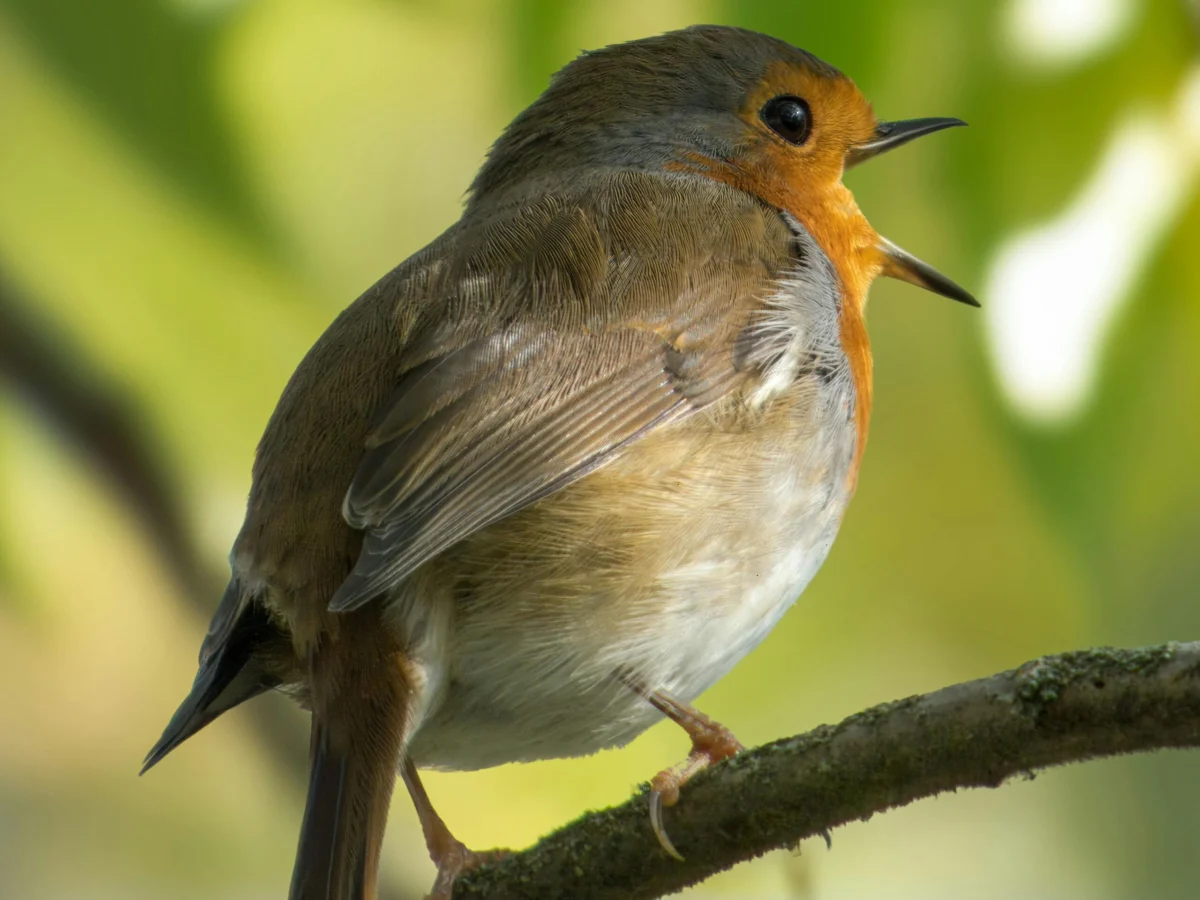
When the familiar dawn chorus abruptly ceases, leaving an unsettling quiet in its wake, it’s natural to feel a sense of unease. The absence of chirping, calls, and the vibrant background symphony can transform a tranquil morning into an eerie stillness. However, this sudden hush in the avian world is rarely a random occurrence. Instead, it represents one of the most predictable and fascinating aspects of bird behavior, dictated by a complex interplay of biological needs, environmental cues, and survival instincts. Understanding these silences offers a deeper appreciation for the intricate lives of our feathered neighbors.
The Rhythms of Avian Communication: Unpacking the Silence
The disappearance of birdsong, while momentarily disconcerting, is a testament to the dynamic and responsive nature of bird vocalizations. These periods of silence are not indicative of birds leaving an area but rather a strategic shift in their priorities. Several key factors contribute to these abrupt cessations of song, ranging from the natural progression of the day to immediate threats.
The Morning Chorus: A Biological Imperative with a Shelf Life
The vibrant dawn chorus, often interpreted as a joyous declaration of a new day, is a highly strategic vocalization for many bird species. Males typically initiate these dawn serenades for several critical reasons:
- Territorial Defense: Early morning, when visibility is low and the air is cool, is an optimal time for males to broadcast their presence and claim their territory. Singing loudly and extensively helps deter rivals and signal to potential mates that they are established and healthy. The cool air also carries sound further, maximizing the reach of their calls.
- Mate Attraction: For many species, the dawn chorus is a crucial part of the courtship ritual. Males use their songs to attract females, demonstrating their fitness and availability. The complexity and duration of a male’s song can be an indicator of his genetic quality.
- Hormonal Influence: The surge in hormones, particularly testosterone, that occurs with the rising sun plays a significant role in triggering this intense singing period.
However, this period of peak vocal activity is not sustained indefinitely. As the sun climbs higher, the dynamics shift. Once a territory is firmly established, rivals have been warned off, and mating bonds have been secured, the urgent need for loud, continuous singing diminishes. The energy expenditure required for such sustained vocalizations becomes less advantageous compared to foraging and other essential activities. Consequently, the dawn chorus gradually fades, sometimes with remarkable speed, as the birds transition to a different set of priorities for the remainder of the day. This transition highlights a sophisticated energy management strategy, ensuring that vocal efforts are deployed when they are most impactful.
Midday Heat: The Energy-Saving Silence
As temperatures climb, particularly in warmer climates or during summer months, birds engage in a remarkable form of energy conservation: a midday silence. Singing is an energetically demanding activity, requiring significant muscular effort and oxygen consumption. During periods of intense heat, when the risk of dehydration and heat stress increases, birds prioritize activities that minimize energy expenditure and water loss.
- Metabolic Cost of Singing: Studies have quantified the metabolic cost of singing in various bird species. For instance, research on songbirds has shown that singing can increase a bird’s metabolic rate by as much as 200% above its resting rate. This significant energy drain becomes a liability when ambient temperatures are high and foraging opportunities might be reduced due to the heat.
- Thermoregulation: Birds, like all animals, need to maintain a stable internal body temperature. In hot weather, they reduce physical activity to avoid overheating. This includes minimizing vocalizations, which generate internal heat. Instead, they seek shade, reduce their movement, and may even pant or spread their wings to dissipate heat.
- Reduced Foraging Activity: Many insects, a primary food source for numerous bird species, also become less active during the hottest parts of the day. This reduction in available prey further incentivizes birds to conserve energy rather than expend it on singing.
This shift into an energy-saving mode explains why backyards and natural spaces can feel inexplicably "empty" between late morning and mid-afternoon, even though birds are still present. They are likely resting in the shade, preening, or quietly foraging for any available food, conserving their energy for more critical activities later in the day or during cooler periods.

The Alarm Call: Silence as a Sentinel’s Strategy
Perhaps the most dramatic reason for a sudden cessation of birdsong is the presence of danger. Birds possess a sophisticated alarm system, and silence is often their most effective tool in the face of predators.
- Predator Detection: Many birds have keen eyesight and hearing, allowing them to detect the approach of predators like hawks, owls, cats, or even terrestrial mammals. The moment a potential threat is identified, the immediate priority shifts from communication to survival.
- Concealment and Evasion: Vocalizations, especially loud songs, can betray a bird’s location. In the presence of a predator, remaining silent is crucial for camouflage. Birds will freeze, blend into their surroundings, and avoid any movement that might attract attention. This "statue-like" behavior is a highly effective survival tactic.
- The "Mobbing" Call Exception: While general song ceases, some species may emit specific, often harsh, "mobbing" calls when a predator is spotted. These calls are designed not to alert the predator but to draw the attention of other birds, creating a group defense or distraction that can help drive the predator away. However, the sustained, territorial singing is immediately abandoned.
The speed at which this silence can spread is astonishing, often described as a switch being flipped. It’s a collective, instinctual response that underscores the constant vigilance required for survival in the natural world. The absence of birdsong in such instances is not a sign of fear, but a calculated strategy of self-preservation.
Foraging Frenzy: The Pause Between Bites
When food is particularly abundant, birds often enter a phase of intense feeding, during which singing takes a backseat. This behavior is particularly noticeable in species that feed on ephemeral resources or during specific seasonal events.
- Resource Exploitation: If a patch of berries ripens, insects emerge in large numbers, or a bird feeder is freshly stocked, birds will prioritize consuming these resources quickly. This is especially true if the food source is temporary or if competition is high.
- Energy Acquisition: The act of feeding is crucial for replenishing the energy reserves depleted by singing, flying, and other daily activities. During a successful foraging bout, the immediate need for vocal communication is superseded by the imperative to fuel the body.
- Contact Calls: While sustained singing might cease, birds often continue to use short, less conspicuous "contact calls." These brief vocalizations serve to maintain social cohesion within a flock, allowing individuals to stay in touch with each other while foraging. These are distinct from territorial or mating songs and are often softer and less elaborate.
This pattern is common in areas with reliable food sources, such as bird feeders or fruiting trees, where you might observe periods of relative quiet punctuated by brief bursts of foraging activity. The music pauses, but the presence of the birds is undeniable.
The Internal Clock: Biological Rhythms Dictate Song Patterns
Beyond immediate environmental factors, birds operate on intricate internal biological clocks that govern their daily and seasonal activities, including singing. These circadian rhythms are deeply ingrained and influence hormone levels, metabolism, and behavior.
- Circadian Rhythms and Hormonal Cycles: The daily cycles of light and dark trigger physiological changes in birds. Hormone production, such as testosterone and prolactin, fluctuates throughout the 24-hour period, directly impacting the urge to sing. Typically, hormone levels peak in the early morning, promoting song, and then gradually decline throughout the day.
- Seasonal Influences: While daily rhythms are significant, seasonal changes also play a crucial role. The increasing or decreasing day length (photoperiod) acts as a primary cue for breeding seasons. Longer days in spring stimulate the hormonal cascade that leads to increased singing for territorial defense and mate attraction. As days shorten in autumn, hormone levels drop, and singing diminishes.
- The "Clock Shift": When it feels like the bird chorus has "suddenly" gone quiet, observers are often witnessing the natural shift in these internal rhythms. As the biological imperative for sustained singing wanes, the vocal output naturally decreases, leading to a noticeable reduction in audible song. This rhythm is incredibly consistent across species, demonstrating a shared evolutionary heritage in their temporal behaviors.
Environmental Triggers: Weather and Noise
External environmental factors, beyond just heat, can also abruptly silence the avian orchestra.
Weather’s Influence on Avian Acoustics
Changes in atmospheric conditions can have an immediate impact on birds’ vocal behavior.

- Barometric Pressure and Wind: A significant drop in barometric pressure, often preceding a storm, can signal to birds that inclement weather is approaching. Similarly, strong winds can make singing difficult and less effective, as sounds can be distorted or carried away unpredictably. Birds may seek shelter and cease vocalizations until conditions improve.
- Precipitation: The onset of rain, especially heavy downpours, often drives birds to seek cover. Singing during rainfall is impractical and uncomfortable, leading to an immediate silence. This is why many people notice the birds go quiet just before a storm hits – they are reacting to the atmospheric cues that signal impending precipitation.
Urbanization and Sonic Landscapes
In urban and suburban environments, the pervasive presence of human-generated noise can significantly alter bird singing patterns.
- Noise Masking: Constant traffic, construction, and other anthropogenic sounds can effectively "mask" birdsong, making it difficult for birds to communicate with each other. To be heard above the din, birds in noisy areas may adapt by singing louder, singing at higher frequencies, or adjusting their singing times.
- Altered Singing Times: Some studies have shown that birds in urban areas may shift their singing times to earlier in the morning, before the peak of human activity and noise pollution, or to quieter periods later in the day. This adaptation is a direct response to the altered sonic landscape.
- Suppression of Song: In particularly noisy environments, the constant auditory stress can lead to a temporary suppression of birdsong, even if birds are present and active. They may revert to quieter contact calls or remain silent altogether until the noise subsides.
When the Music Returns: The Predictable Resumption of Song
Despite these various reasons for silence, the return of birdsong is as predictable as its cessation. This resurgence is tied to the resolution of the immediate cause of the silence and the natural progression of daily and seasonal cycles.
- Post-Predator Vigilance: Once the perceived threat has passed, birds will gradually resume their normal vocalizations, often starting with cautious contact calls before returning to territorial songs.
- Cooling Temperatures: As the midday heat subsides, typically in the late afternoon, birds will emerge from their energy-saving siestas. Hormone levels may begin to rise again in preparation for evening activities or the next day’s dawn chorus.
- Weather Improvement: Following rain or storms, as conditions become favorable again, birds will resume singing and foraging.
- Daily Biological Rhythms: The internal biological clock ensures that as dawn approaches, hormone levels rise again, initiating the vibrant dawn chorus. This cycle is remarkably robust and consistent, providing a reliable rhythm to the avian soundscape.
Addressing Common Questions
The phenomenon of birds falling silent often sparks curiosity and concern among observers. Understanding the answers to frequently asked questions can provide reassurance and deeper insight.
- Is silence a bad sign? No. Silence in birds is a normal, healthy, and often strategic behavior. It is a sign of adaptation and intelligent response to their environment, rather than an indicator of distress or absence.
- Are birds leaving my yard? Almost never. When birds fall silent, they are typically resting, conserving energy, foraging discreetly, or taking cover from immediate threats. Their presence is usually unchanged, only their vocal activity is temporarily suspended.
- Does climate change affect this? Yes, climate change is having a measurable impact. Rising global temperatures are leading to shifts in the timing of bird migration, breeding, and vocalization patterns. In many regions of the US, for example, studies indicate that birds are starting their dawn choruses earlier in the morning due to warming temperatures and earlier sunrises. This phenomenon is known as phenological mismatch and can have broader ecological implications.
- Why does silence feel unsettling? Our deep-seated connection to birdsong as a signal of safety and normalcy means its absence can be perceived as an anomaly. We often associate the presence of birdsong with a healthy, secure environment. When that familiar sound disappears, our instincts can interpret it as a potential warning sign, even if the underlying reasons are entirely natural and benign.
Conclusion: The Language of Silence
In essence, when birds fall silent, they are not disappearing; they are communicating in a different, equally vital language. Their silence is a sophisticated strategy for survival, an adaptation to heat, a response to danger, a means of conserving energy, and an adherence to ancient biological rhythms that predate human civilization.
The next time the avian symphony abruptly pauses, resist the urge to assume the birds have vanished. Instead, take a moment to observe. Look closer at the foliage, listen for subtle rustles, and consider the environmental factors at play. The birds are almost certainly still there, engaged in the essential, silent work of living, listening, and preparing for their next song. This understanding enriches our appreciation for the complex and ever-evolving world of birds, revealing that even in stillness, their existence is a vibrant testament to nature’s ingenuity.
