


The world of pet ownership often introduces individuals to unexpected companionships, and for many, the domestic rat has emerged as a source of both affection and amusement. Far from the negative stereotypes often associated with their wild counterparts, pet rats exhibit a remarkable range of behaviors that are not only endearing but also surprisingly complex. This article delves into some of the most fascinating and often misunderstood quirks of these intelligent rodents, offering a deeper understanding of their unique personalities and social dynamics. From peculiar vocalizations to elaborate grooming rituals and surprisingly human-like interactions, the domestic rat continues to captivate its devoted caretakers.
The Symphony of Bruxing and Boggling: A Rat’s Expressive Language
One of the most recognizable and beloved behaviors among rat enthusiasts is the combination of "bruxing" and "boggling." Bruxing, in its simplest form, is the grinding of a rat’s teeth. This action serves a vital biological purpose: to keep their continuously growing incisors at a manageable length. However, for seasoned rat owners, bruxing is far more than just dental maintenance. It is a nuanced form of communication, a sonic signature of a rat’s emotional state.
While bruxing can occur when a rat is experiencing stress or fear, it is most frequently observed as a sign of contentment and happiness. This gentle, rhythmic grinding is often described as a rat’s equivalent of purring, a soothing sound that signals a relaxed and comfortable animal. The intensity and frequency of bruxing can vary, with some rats producing a soft, almost imperceptible hum, while others engage in more vigorous grinding. This sounds are typically a low-frequency vibration, often felt as much as heard when a rat is held close.

Intertwined with bruxing is the phenomenon of eye boggling. This startling visual display involves the rapid protrusion and retraction of a rat’s eyes from their sockets. To an unfamiliar observer, it can appear alarming, even suggesting distress. However, when accompanied by bruxing, boggling is a definitive indicator of extreme pleasure and relaxation. The muscular contractions behind the eyes, triggered by the vigorous jaw movements of bruxing, cause the eyes to bulge outwards. This creates a mesmerizing, almost cartoonish effect, where the eyes seem to vibrate independently of the skull.
The intricate link between bruxing and boggling highlights the sophisticated sensory and motor capabilities of rats. For a rat to achieve this state of blissful boggling, a significant amount of happy bruxing must be occurring simultaneously. This synchronized physiological response is a powerful testament to their capacity for experiencing and expressing joy.
The initial encounters with boggling can be a source of considerable confusion for new rat owners. Without prior knowledge, the sight of a rat’s eyes seemingly popping out can lead to understandable panic. Anecdotal accounts from long-time rat keepers reveal instances where owners, bewildered by this unusual behavior, sought veterinary attention, only to be met with skepticism or a lack of understanding from professionals unfamiliar with the specifics of rat ethology. This underscores a historical gap in the widespread dissemination of knowledge regarding common and characteristic rat behaviors within veterinary education. The advent of online resources and dedicated pet rat communities has since been instrumental in demystifying these quirks, providing a platform for owners to share experiences and learn from one another, thereby reducing unnecessary alarm and fostering a greater appreciation for these unique displays.
The Fastidious Nature of Rat Grooming: More Than Just Cleanliness
Contrary to the persistent stereotype that rats are inherently unhygienic, domestic rats are, in fact, exceptionally clean animals. They dedicate significant portions of their day to meticulous self-grooming, a behavior that extends to almost every part of their bodies. This dedication to cleanliness is not merely an aesthetic choice but a crucial aspect of their well-being, contributing to the health of their skin and coat.

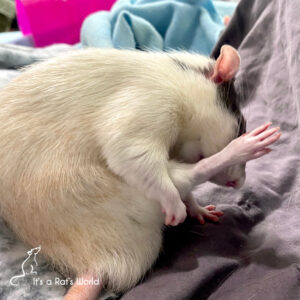
A rat’s grooming routine can be an extended affair, often involving the use of their nimble paws to wipe down their fur and their specialized teeth to nibble away any dirt or debris. They are known for their flexibility, contorting their bodies into remarkable positions to reach even the most inaccessible areas. This includes the often-surprising act of using their hind legs to clean their ears, followed by a diligent inspection of their toes, seemingly to remove any residual earwax. This thoroughness reflects a deep-seated instinct for maintaining personal hygiene.
Among the many grooming behaviors, the meticulous cleaning of their paws is particularly captivating. Owners often observe rats splaying their toes outwards, meticulously attending to each digit with an intensity that suggests a profound focus on detail. This level of care highlights their commitment to cleanliness, even in the most minute aspects of their physical presentation.
Interestingly, this fastidious grooming rarely extends to their tails. In three decades of observing rats, many owners report witnessing tail grooming only on a handful of occasions. This unusual oversight in an otherwise immaculate routine adds another layer of peculiarity to their hygiene habits. A rat that actively grooms its tail is often considered a particularly unique or quirky individual within the rat-keeping community.
The implications of this fastidious grooming extend beyond personal hygiene. In the wild, the cleanliness of an animal can be a critical factor in its survival, helping to camouflage scents from predators and reduce the risk of parasitic infections. For domestic rats, while these survival pressures are diminished, the ingrained behavioral patterns persist, demonstrating the enduring influence of evolutionary adaptations.
Allogrooming: The Social Bonds Forged Through Mutual Grooming
The social nature of rats is further exemplified by their practice of allogrooming, which is the act of grooming another individual. This behavior is not unique to rats; many social animals engage in mutual grooming as a way to strengthen social bonds, establish hierarchies, and maintain hygiene within a group. However, rats take this practice to a level that can be both endearing and, at times, slightly overwhelming for their human companions.
Rats will readily allogroom their cagemates, engaging in what appears to be a communal spa day within their enclosure. This mutual grooming reinforces their social structure and promotes a sense of unity within the rat colony. It is a visual representation of their cooperative nature and their reliance on social interaction for emotional and physical well-being.
When it comes to their human owners, rats can become remarkably persistent in their allogrooming efforts. This can sometimes be interpreted as a mild critique of their human’s cleanliness, as rats may begin grooming themselves immediately after being touched, as if to remove any trace of their owner’s scent. However, this is typically overshadowed by their eagerness to reciprocate the care they receive.
Some rats develop particular fascinations with specific areas of their human’s body. Hair is a common target, with rats enjoying licking or gently nibbling at it. Others are drawn to the face, with some individuals making a point of grooming their owner’s cheeks and eyelids. While the intention is clearly affectionate, the gentle nibbles of a rat can feel surprisingly intense on delicate facial features, leading to a humorous dynamic where owners might feel simultaneously cared for and slightly subjected to a vigorous facial scrub.
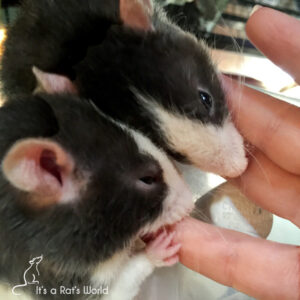
A particularly noteworthy aspect of rat allogrooming is their penchant for grooming their owners’ hands and, more specifically, their fingernails. This behavior has led to the informal categorization of some rats as "nail biters," not in the sense of chewing their own nails, but in the desire to meticulously attend to their owner’s. This act, while perhaps perceived as an aggressive intervention by some, is often understood by rat enthusiasts as an attempt to provide a "rat-icure," a free manicure service offered with the best of intentions. This behavior demonstrates a remarkable level of social engagement and a perceived responsibility for the well-being of their human companions.
Rodentistry: The Unexpected Dental Enthusiasts
Among the most peculiar and amusing of rat allogrooming behaviors is what has been termed "rodentistry." This specialized form of grooming involves rats exhibiting an intense fascination with their owner’s teeth. This quirk is so well-known within the rat community that it has its own designated term.
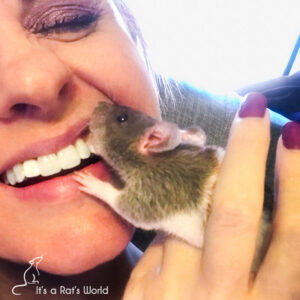
A rat exhibiting rodentistry will often display an almost obsessive desire to investigate and clean their owner’s mouth. They will not hesitate to shove their heads between their human’s lips, using their paws and noses to attempt to gain access to the teeth. The exact motivation behind this behavior remains a subject of affectionate speculation, but it is widely believed to stem from their innate grooming instincts and a perceived need to maintain oral hygiene for their human.
The experience of being a "rodentist’s" human can be both ticklish and slightly unnerving. The tiny paws, equipped with surprisingly sharp nails, can lead to minor scratches around the mouth. Despite protests, often muffled by laughter, these determined rodents will persist in their efforts, driven by an unyielding commitment to their perceived duty. This unwavering dedication, even in the face of mild resistance, underscores the strong bonds that can form between rats and their owners, where even the most unusual behaviors are met with a mixture of amusement and genuine affection.
Taste-Testers: A Bold Approach to Food Acquisition
When it comes to food, domestic rats exhibit a remarkable lack of conventional manners. If given the opportunity to be out of their enclosures while their humans are eating, they will invariably approach with the expectation of sharing. This is not a polite request or a gentle plea; rather, it is a direct and often audacious endeavor.
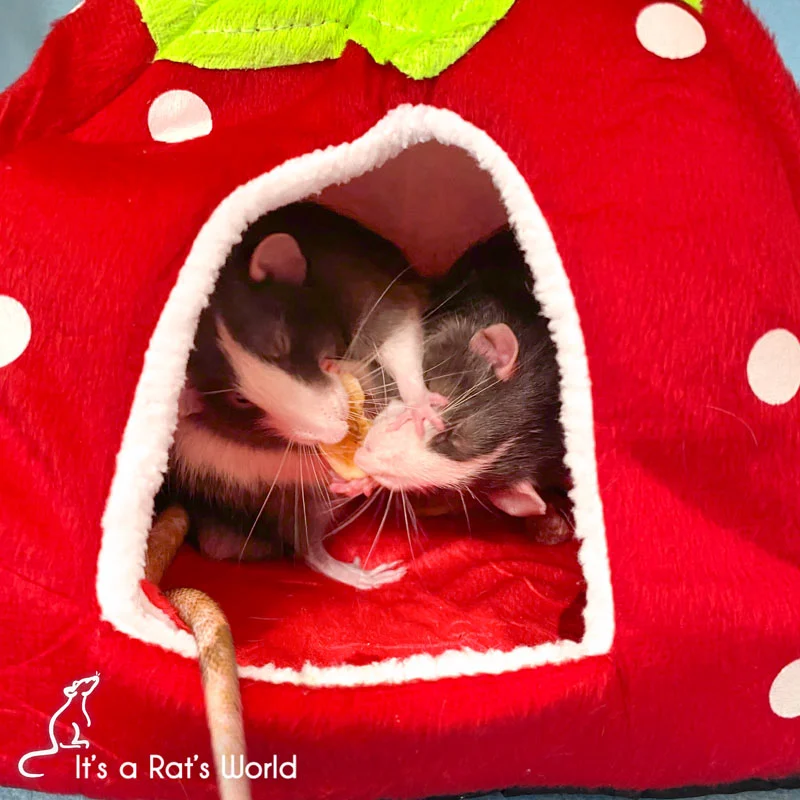
The moment food is presented, rats within a significant radius are said to detect its presence. They will then embark on a rapid and determined approach, aiming to snatch morsels directly from plates or even fingers. The speed and decisiveness of this action often leave owners surprised, as the rats are not deterred by the food being in the process of being consumed. Some rats are even known to lick their owner’s lips clean, ensuring no delicious morsel goes unnoticed.
This behavior is not exclusive to their interactions with humans. Rats are known to engage in similar food-snatching behaviors with their cagemates, often stealing food directly from each other’s mouths. This competitive yet social dynamic highlights their opportunistic nature and their strong drive for sustenance.
The implications of this behavior are that owners often find themselves sharing their meals, whether intentionally or not. Ice cream on the couch, for instance, is likely to be accompanied by curious rat companions attempting to pry the bowl or spoon away. Even beverages are not safe from their attention, as rats may perch on the rim of glasses or mugs, helping themselves to a drink. This bold approach to food acquisition, while potentially inconvenient, adds to the unique and engaging personality of the domestic rat.

Sleeping Styles: From Vulnerable to Utterly Relaxed
While most rats exhibit typical sleeping postures, some individuals display a preference for sleeping on their backs, a behavior known as "back-sleeping." This is generally considered unusual for rats, as lying on their backs can leave them feeling vulnerable to potential threats. However, certain rats seem to embrace this relaxed, belly-up position, suggesting a profound sense of trust and security in their environment.
The phenomenon of back-sleeping is often observed in rats that feel particularly safe and comfortable. It is a clear indicator of a rat’s contentment and their ability to fully relax. This behavior, while not universally exhibited, is a cherished quirk among rat owners, as it presents an exceptionally endearing image of a snoozing rodent.
In some instances, this back-sleeping behavior can become a shared activity among cagemates. There are documented cases where multiple rats within a group will habitually sleep on their backs, sometimes even teaching this habit to unrelated individuals. This communal adoption of a seemingly vulnerable sleeping position further emphasizes the strong social bonds and the collective sense of security within a well-bonded rat group.
Drinking in Tandem: A Codependent Thirst
The social dynamics of rats extend to their drinking habits, with some groups exhibiting a peculiar tendency towards "drinking in tandem." This behavior involves multiple rats attempting to drink from a single water bottle nozzle simultaneously. While this might seem like a simple matter of thirst, the way rats engage in this activity can be quite unusual.

In some cases, a rat might adopt a back-sleeping position directly beneath the water bottle, effectively preventing other rats from accessing water without disturbing them. This can be interpreted as a desire to make drinking a group event, rather than a solitary activity. If another rat approaches the water bottle, the sleeping rat may wake up and actively join them, reinforcing the idea that drinking is a social endeavor.
This behavior can be contagious, leading to entire groups of rats simultaneously attempting to drink from the same nozzle. The visual of several rats jockeying for position at a single water source is a testament to their cooperative, and at times, codependent nature. The most dramatic instances involve rats drinking while lying on their backs, adding an extra layer of eccentricity to an already peculiar social ritual. While not all rats exhibit this behavior, those that do demonstrate a unique and often humorous approach to basic physiological needs.
The Unending Fascination of Rat Quirks
The behaviors described above represent only a fraction of the endearing and often bizarre quirks that domestic rats possess. Their capacity for surprise and delight seems boundless, with each rat capable of developing unique mannerisms that set them apart. As owners continue to interact with and observe these intelligent creatures, new and unexpected habits are constantly being discovered.
The ongoing exploration of rat behavior reveals a species that is far more complex and engaging than commonly perceived. Their intelligence, social nature, and unique ways of expressing themselves make them captivating companions. The diversity of their quirks ensures that the journey of rat ownership is a continuous adventure, filled with moments of laughter, wonder, and a deeper appreciation for the animal kingdom. The subtle nuances of their communication, their dedication to hygiene, and their surprisingly human-like social interactions all contribute to the enduring appeal of the domestic rat as a pet.
