

Parrots, renowned for their vibrant plumage, intelligence, and remarkable ability to mimic human speech, also hold the distinction of being some of the animal kingdom’s longest-living companions. While the popular image of a parrot might suggest a pet with a lifespan comparable to a dog or cat, the reality is far more profound: certain parrot species can live for 30, 50, or even an astonishing 80 years or more. This extraordinary longevity makes them incredible, deeply bonded family members, but it also ushers in a unique set of responsibilities and long-term commitments for their human caregivers. Whether an individual is embarking on the journey of welcoming a young parrot into their home or providing compassionate care for a senior feathered friend, a comprehensive understanding of the multifaceted factors influencing their lifespan is paramount to ensuring they receive the highest quality of life possible at every stage.
The duration of a parrot’s life is not uniform; it is a complex variable influenced primarily by species, genetics, and, critically, the quality of care provided. Smaller species, such as the widely popular budgerigar (budgie), typically exhibit lifespans ranging from 7 to 15 years. In stark contrast, larger and more robust species, including the magnificent macaws and the highly intelligent African Grey parrots, can thrive for over six decades, with some individuals surpassing the 80 or even 100-year mark under optimal conditions. This significant disparity underscores the importance of thorough research and preparation before committing to parrot ownership.
To illustrate this variability, a detailed comparison chart highlights the average lifespans observed in both wild and captive environments for various popular parrot species:
| Parrot Species | Average Lifespan (Wild) | Average Lifespan (Captivity) |
|---|---|---|
| Budgie Parakeet | 5-8 years | 7-15 years |
| Lovebirds | 10-15 years | 15-20 years |
| Quaker Parrot | 15-20 years | 20-30 years |
| Ringneck Parrot | 20-30 years | 25-35 years |
| Cockatiel | 10-15 years | 15-25 years |
| Senegal Parrot | 20-30 years | 25-40 years |
| Conure | 10-20 years | 20-30 years |
| Eclectus Parrot | 30-50 years | 40-50 years |
| Amazon Parrot | 30-50 years | 40-60 years |
| Grey Parrot (African Grey) | 40-60 years | 50-80 years |
| Macaw | 50-80 years | 60-100 years |
Key Determinants of Parrot Longevity
Several critical factors converge to determine a parrot’s ultimate lifespan, making informed care practices indispensable.
Genetics and Species-Specific Longevity
The foundational blueprint for a parrot’s potential lifespan is embedded within its genetic makeup. Evolutionary biology dictates that larger species, such as macaws and African Greys, possess inherent biological mechanisms that support longer lives. This often includes slower metabolic rates, more robust cellular repair processes, and adaptations that favor extended developmental periods and reproductive cycles in the wild. Conversely, smaller species, with their typically faster metabolisms and different ecological pressures, are genetically predisposed to shorter lifespans. While exceptional care can undoubtedly push the upper limits of a species’ average lifespan, it cannot fundamentally alter these genetic predispositions. Understanding this inherent biological reality helps set realistic expectations for owners and emphasizes the importance of species-specific care protocols.
Optimal Diet and Nutrition
Nutrition stands as a cornerstone of avian health and longevity. A well-balanced diet, meticulously crafted to meet the specific needs of each parrot species, provides the essential vitamins, minerals, proteins, and healthy fats necessary for robust organ function, a strong immune system, and overall vitality. Avian veterinarians and nutritional experts consistently warn against seed-only diets, which are notoriously deficient in vital nutrients and excessively high in fat, leading to a host of debilitating health issues. Common nutritional deficiencies can manifest as fatty liver disease, kidney failure, obesity, and compromised immune responses, all of which significantly curtail a parrot’s life expectancy.
An ideal parrot diet typically consists of high-quality, formulated pellets as a staple, supplemented daily with a diverse array of fresh vegetables (leafy greens, bell peppers, carrots, broccoli), a smaller portion of fruits, and occasional healthy treats like nuts or sprouted seeds. Access to clean, fresh water at all times is also non-negotiable. Regular dietary adjustments may be necessary as a bird ages or if specific health conditions arise, necessitating consultation with an avian veterinarian.
Comprehensive Veterinary Care
Given parrots’ innate instinct to conceal illness—a survival mechanism in the wild to avoid appearing vulnerable to predators—regular and proactive veterinary care is absolutely essential for early detection and intervention. Annual wellness examinations by an experienced avian veterinarian are crucial. During these check-ups, a vet can perform a thorough physical assessment, conduct bloodwork to screen for underlying health issues, monitor weight fluctuations, and provide tailored advice on diet, enrichment, and preventive care.
Early diagnosis and treatment of infections, organ dysfunction, nutritional deficiencies, or chronic conditions can dramatically alter a parrot’s prognosis and extend its life. Vaccinations, when appropriate, and regular parasite screenings also contribute significantly to long-term health. The absence of specialized avian veterinary care is a leading factor in premature mortality among captive parrots, highlighting the critical importance of locating and establishing a relationship with a qualified avian professional.
Enhancing Parrot Lifespan Through Proactive Care
Beyond genetics and fundamental needs, several environmental and behavioral factors play a profound role in a parrot’s quality and length of life.
Mental and Social Stimulation
Parrots are highly intelligent, complex creatures with advanced cognitive abilities. In their natural habitats, they spend significant portions of their day foraging, problem-solving, interacting within their flock, and navigating a dynamic environment. In captivity, a lack of adequate mental and social stimulation can lead to severe psychological distress, manifesting as boredom, anxiety, and frustration. These emotional states can precipitate destructive behaviors such as feather plucking (often leading to skin infections), excessive screaming, aggression, or even self-mutilation, all of which compromise physical health and well-being.
To mitigate these risks, owners must provide a rich and varied environment. This includes a constant rotation of engaging toys—foraging puzzles that encourage problem-solving, shreddable materials that satisfy natural chewing instincts, and interactive play items. Training sessions, even for simple tricks or recall, stimulate their intellect and strengthen the human-animal bond. Social interaction is equally vital; daily one-on-one time with owners, supervised interaction with other compatible birds, or simply being included in daily household activities helps keep parrots mentally sharp and emotionally fulfilled. A stimulated and socially engaged parrot is demonstrably healthier and happier, contributing to a longer, more vibrant life.
Physical Exercise and Environmental Enrichment
Regular physical activity is indispensable for maintaining a parrot’s cardiovascular health, muscle tone, and overall agility. In the wild, parrots engage in extensive flight, climbing, and foraging activities that keep their bodies in peak condition. Confinement without opportunities for exercise can lead to obesity, muscle atrophy, and joint issues, all of which can shorten a bird’s lifespan and diminish its quality of life.
Owners should actively encourage flight, whether through supervised free flight in a safe, bird-proofed room or through controlled flight training. For birds unable to fly, climbing gyms, swings, and strategically placed perches encourage movement and exploration. Even simple activities like flapping exercises, supervised roaming outside the cage, or playing with foot toys contribute to daily physical activity. Perch variety is also crucial; offering perches of different diameters, textures (natural branches, rope, concrete), and materials promotes foot health, prevents pressure sores, and exercises foot muscles. An active parrot is not only physically healthier but also less prone to stress-related behavioral issues, fostering overall well-being.
Daily Wellness Checklist
Implementing a brief daily wellness check is a powerful proactive measure that can significantly extend a parrot’s lifespan. Parrots are masters at masking signs of illness, making subtle changes the earliest indicators of a problem. Dedicating just a few minutes each day to observe your bird can make a critical difference. Key aspects to monitor include:
- Appearance: Observe feather condition (smooth, clean, no plucking), eye clarity, nostril discharge, and overall posture.
- Behavior: Note changes in activity level, interaction with toys or owners, vocalizations, and sleep patterns.
- Appetite and Thirst: Monitor food and water consumption, noting any significant decrease or increase.
- Droppings: Examine the consistency, color, and volume of droppings for any abnormalities.
- Weight: Regular, gentle weight checks (using a gram scale) can help identify subtle weight loss or gain, often an early indicator of health issues.
- Respiration: Listen for any unusual breathing sounds, clicking, or labored breathing.
Consistent daily checks help owners establish a baseline for their individual bird’s normal state, enabling them to quickly identify deviations that may warrant veterinary attention.
Navigating the Golden Years: Senior Parrot Care
As parrots advance into their senior years, their needs evolve, requiring thoughtful adjustments to their care routine. Recognizing the signs of aging and adapting the environment accordingly can ensure comfort and dignity in their later life.
Recognizing Aging Signs
Common signs of aging in parrots include a general decrease in energy levels, increased napping, reduced mobility, and slower responses. Feather condition may deteriorate, becoming duller, experiencing slower molting cycles, or even showing minor feather loss. Brittle nails and beak overgrowth can also become more prevalent, necessitating more frequent professional grooming. Sensory declines are common; vision and hearing may diminish, making navigation challenging. Older birds might become less responsive to visual cues or exhibit hesitation when stepping up due to altered depth perception. Arthritis and joint stiffness are frequently observed, potentially leading to difficulty perching or a reluctance to fly.
Adjusting the living environment is key to supporting an aging parrot. This includes providing softer perches (e.g., rope or platform perches to alleviate pressure on arthritic feet), lowering food and water bowls for easier access, and ensuring adequate, consistent lighting. Ramps or ladders can assist birds with mobility issues in navigating their cage or play stand.
Caring for Senior Parrots
Caring for a senior parrot demands patience and tailored modifications. Beyond environmental adjustments, nutrition becomes even more critical. Older parrots may experience decreased nutrient absorption, making a high-quality, easily digestible diet vital. This often includes softened vegetables, specialized senior bird pellets, and supplements rich in omega-3 fatty acids to support joint health and cognitive function. Hydration is also paramount, as senior birds can become more prone to dehydration.
Regular, gentle exercise, adapted to their physical capabilities, remains important to maintain muscle tone and circulation. Shorter, more frequent interaction periods may be preferred over longer, more strenuous ones. Increased vigilance for subtle health changes is essential, as age can make birds more susceptible to various ailments.
Senior Bird Care Checklist
To provide comprehensive care for an aging parrot, consider the following:
- Adapted Environment: Softer, lower perches; easily accessible food/water.
- Nutritional Adjustments: High-quality senior diet, supplements for joints/brain, easy-to-digest foods.
- Hydration Monitoring: Ensure consistent access to fresh water, consider additional water sources.
- Gentle Exercise: Modified activities to maintain mobility without strain.
- Increased Vet Visits: More frequent check-ups to monitor age-related conditions.
- Comfort and Warmth: Maintain a comfortable ambient temperature, especially if mobility is limited.
- Mental Stimulation: Continue offering engaging toys and interaction, adapted for potential sensory decline.
- Grooming: More frequent nail and beak trims as needed.
With thoughtful adjustments and dedicated attention, senior parrots can continue to enjoy their golden years with comfort, dignity, and a strong bond with their human companions.
Planning for Your Parrot’s Future
The extraordinary longevity of parrots presents a unique ethical and practical challenge: many parrots will outlive their initial owners. This reality necessitates proactive estate planning to ensure their continued welfare.
Why Estate Planning is Important
The concept of "pet estate planning" is gaining traction, particularly for long-lived animals like parrots. Without a formal plan, a parrot’s future after its owner’s passing can be uncertain, potentially leading to rehoming into unsuitable environments, placement in overburdened rescue shelters, or even neglect. A well-structured plan provides peace of mind for the owner and secures a stable, loving future for the bird.
Setting Up a Care Plan
Establishing a care plan involves several key steps:
- Identify a Trusted Caregiver: Select an individual or family member who genuinely understands and is committed to meeting the specific needs of a parrot. This person should be financially capable and willing to take on the responsibility.
- Legal Documentation: Incorporate provisions for your parrot’s care into your will. This can designate a guardian and allocate funds for their long-term expenses.
- Pet Trust: For more complex situations or larger estates, a legally binding pet trust can be established. This allows for specific instructions regarding the bird’s care, diet, veterinary needs, and living environment, with a designated trustee overseeing the allocated funds and ensuring compliance.
- Detailed Instructions: Provide the designated caregiver with comprehensive written instructions on your parrot’s daily routine, dietary preferences, favorite toys, veterinary history, behavioral quirks, and any specific health considerations.
Avian welfare organizations and legal experts consistently advocate for these measures, emphasizing that responsible parrot ownership extends beyond the owner’s lifetime.
Does Adoption Make Sense? Considerations for Prospective Owners
The decision to bring a parrot into one’s home is a monumental one, particularly when considering the vast differences between adopting an older bird and purchasing a baby.
Adopting vs. Buying: A Lifelong Commitment
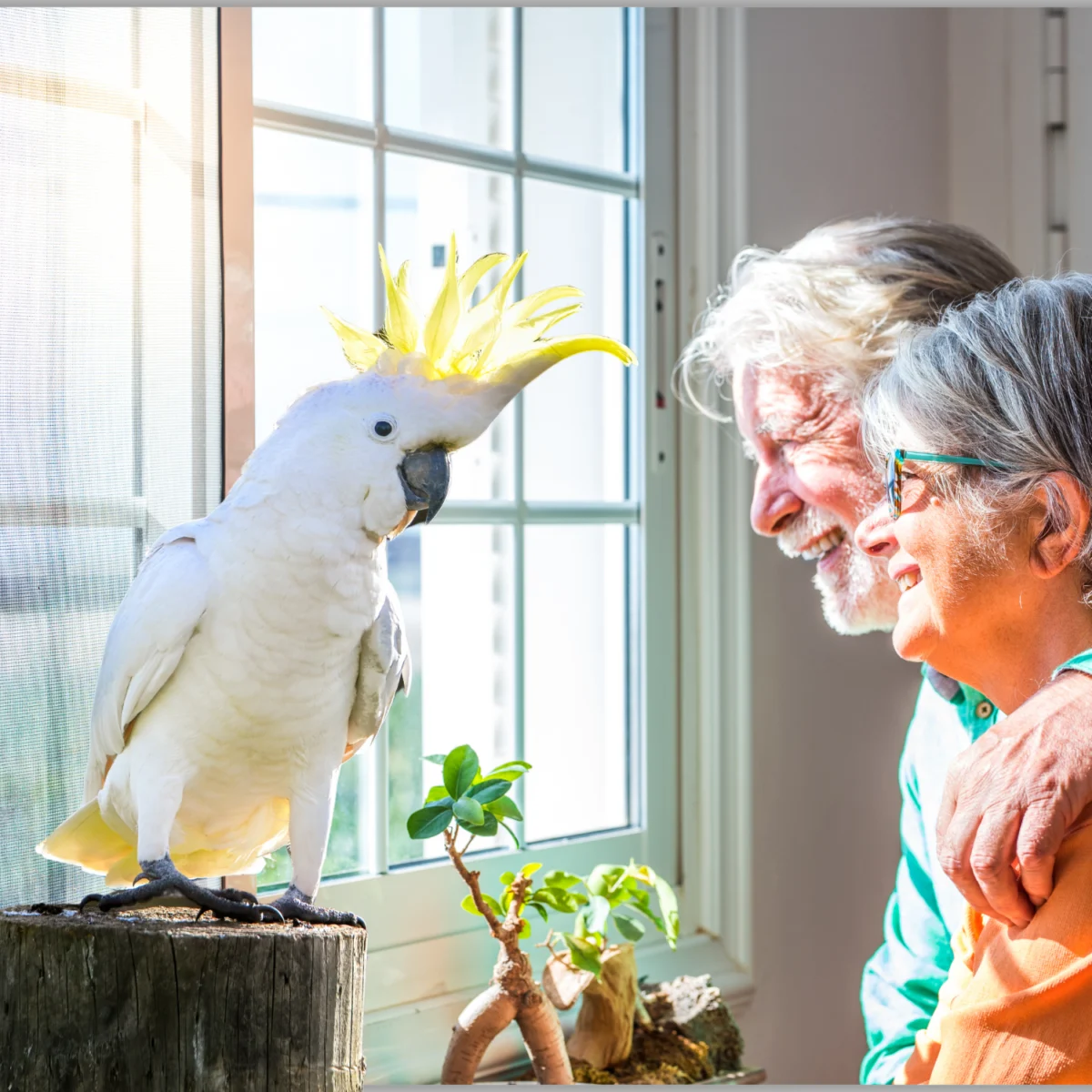
When contemplating parrot ownership, a crucial factor is the potential owner’s age and long-term capacity for care. Large parrot species like macaws and African Greys can easily live for 50 years or more, frequently outliving their human companions. For older individuals, or those who cannot commit to a multi-decade responsibility, adopting a senior parrot can be an incredibly rewarding alternative. Many older birds are in desperate need of loving homes; they often come with established personalities, known behaviors, and sometimes even training, which can make the transition smoother than raising a baby bird from scratch. Adopting an older bird can provide a fulfilling companionship for both parties for a significant, albeit potentially shorter, period.
Conversely, baby parrots require intensive socialization, consistent training, and immense patience to develop into well-adjusted companions. They navigate challenging developmental stages, including hormonal adolescence, which can test an owner’s resolve. Opting for a young bird necessitates a profound, lifelong commitment, and, as discussed, a robust long-term care plan, including designating a future guardian, is absolutely essential. The choice between adopting and buying should always be driven by a clear understanding of the specific bird’s needs, the owner’s capacity, and the overarching goal of ensuring the parrot’s future well-being.
Considerations Before Adopting
Bringing a parrot into a home is a joyous occasion, but it demands careful, honest self-assessment. Given the vast range of parrot lifespans—from 15 to over 80 years, depending on the species—this decision represents a commitment that could span decades. Prospective owners must honestly evaluate if they possess the requisite time, energy, financial resources, and emotional resilience to care for a parrot for its entire life. This includes considering future life changes: "Will I still be able to care for this bird five, ten, or even twenty years from now?"
Parrots are not low-maintenance pets. They require daily interaction, consistent mental challenges, and a stable, enriching environment to thrive. Adopted birds, particularly those from rescue situations, may carry a history of past trauma, trust issues, or ingrained undesirable habits. While patience, consistent positive reinforcement, and love can transform these birds into incredible companions, the initial adjustment period can be demanding. The financial implications are also substantial: ongoing costs for quality food, specialized veterinary care, appropriate caging, and enrichment supplies accumulate significantly over a parrot’s long life.
Furthermore, the critical question of "What happens to my parrot if it outlives me?" must be addressed proactively. For a bird with a potentially multi-decade lifespan, creating a detailed succession plan, whether through a trusted family member, a formal pet trust, or inclusion in estate planning documents, is an act of ultimate responsibility. Adoption offers a wonderful opportunity to provide a bird with a second chance at a loving home, but ensuring that the fit is genuinely right for both the bird and the human is paramount.
Conclusion
A parrot’s lifespan is not merely a biological statistic; it is a direct reflection of the comprehensive care, diligent nutrition, profound love, and enriching environment it receives throughout its life. From providing robust mental stimulation and opportunities for physical exercise to ensuring a species-appropriate diet and consistent veterinary oversight, every thoughtful choice made by a caregiver contributes significantly to years of good health and vibrant living. The journey of parrot ownership is a marathon, not a sprint, demanding foresight, dedication, and a deep understanding of these magnificent creatures’ complex needs.
To further empower parrot owners in this lifelong endeavor, UnRuffledRx has developed a premium line of bird wellness products specifically formulated to support longevity, enhance feather health, and promote overall well-being. Whether caring for a spirited young bird or a cherished senior companion, our carefully crafted supplements, calming formulas, and feather care essentials are designed to help parrots thrive and enjoy many happy, healthy decades.
Explore our comprehensive health and nutrition collection today and invest in the enduring gift of a long, vibrant life for your feathered friend! Shop Now.
Sales Solution Bridge
Understanding the intricate requirements for supporting your parrot’s health is a crucial first step, and implementing these practices effectively is the ongoing commitment. As passionate advocates for avian welfare, our mission at UnRuffledRx is to provide the resources and products that help parrots not just survive, but truly thrive, enhancing their bond with you every step of the way.
Related Posts:
- Daily, Weekly and Monthly Bird Care Plan: Printable Bird Care Guide
- 6 Essential Dimensions of Avian Wellness
- 5 Do’s & Don’ts For Better Winter Bird Care
- Keep Your Bird Cozy This Winter Without Breaking The Bank
- What You Should Be Doing To Give Your Parrot The Best Care This Winter
References:
Diane Burroughs, LCSW, is a licensed psychotherapist specializing in avian anxiety disorders, nervous bird behaviors, and overall bird care.
Her work has been featured in the Journal of Avian Medicine and Surgery and presented at Exoticscon. Diane also mediates the Feather Plucking Help group on Facebook.
TAGS: #ParrotLongevity #ParrotLifespan #AverageLifespanOfAParrot
SHARING IS CARING! 💖
Love what you read? Help spread the word on Facebook & Instagram 🐦
✍️ Leave a comment below and let us know your thoughts!
