

Migration, often romanticized as a heroic, instinctual pilgrimage, is not the universal avian imperative it’s commonly perceived to be. For a significant and growing number of bird species, the decision to remain in northern climes throughout the harsh winter months represents a finely tuned evolutionary strategy, a calculated gamble that often yields greater rewards than the perilous journey south. Understanding this complex balancing act, influenced by environmental shifts, physiological adaptations, and the availability of resources, reveals a more nuanced picture of avian survival, challenging the simplistic narrative of constant movement.
The conventional wisdom paints migration as the default, a necessary escape from the perceived deprivations of winter. Millions of birds undertake arduous journeys, traversing vast distances to seek warmer climates and more abundant food sources. However, this romanticized view often overlooks the profound dangers inherent in such epic migrations. Songbirds, for instance, must often make non-stop flights across formidable geographical barriers like the Gulf of Mexico, a feat demanding immense energy reserves and leaving them vulnerable to exhaustion and predation. Raptors, while possessing greater flight capabilities, face the brutal realities of storms and unpredictable weather patterns without the sanctuary of dense foliage. Studies have estimated that billions of birds die annually during migration due to factors such as extreme weather, starvation, disorientation, and fatal collisions with man-made structures like wind turbines and glass buildings. The United States, a major migratory corridor, sees an estimated 4.7 billion birds depart each fall, a staggering figure underscoring the sheer scale and inherent risks of this annual exodus.
For species that have developed adaptations to exploit stable, local winter food sources, the equation shifts dramatically. Conifer seeds, persistent late-season fruits, and the ever-increasing availability of supplemental food provided by human feeders can significantly mitigate the challenges of staying put. In such scenarios, the risks associated with a long and dangerous migration can demonstrably outweigh the perils of enduring a northern winter.
The Unseen Costs of the Southern Sojourn
The perception of migration as inherently safer is a fallacy when examined through the lens of ecological pressures and avian physiology. Consider the arduous flight of a Blackpoll Warbler, a small songbird that travels from its Arctic breeding grounds to South America. This journey can involve a non-stop flight of over 2,000 miles, often over open ocean, requiring the bird to triple its body weight in fat reserves before departure. Even with such preparation, mortality rates during migration are substantial. Predation pressure is amplified in unfamiliar territories, and birds can become disoriented by artificial lights or succumb to exhaustion in severe weather.
Furthermore, the destination itself is not always a haven of tranquility. Migratory birds often arrive at their wintering grounds already depleted, facing competition with resident species and potentially arriving outside the optimal foraging periods. The energy expended in reaching these distant locations, coupled with the constant need to find food and avoid predators in a new environment, can be a significant drain on their annual energy budget.
This is precisely why species like the Northern Cardinal, the Downy Woodpecker, and the Blue Jay have evolved to thrive in northern winters. Their food sources – insects found in bark crevices, seeds, berries, and the offerings at bird feeders – are often accessible year-round within their established territories. While winter presents challenges, the predictability of their local environment and the accessibility of sustenance make staying a more viable strategy than undertaking a potentially fatal migration. These birds have developed physiological and behavioral adaptations to cope with cold temperatures and reduced daylight hours, transforming their familiar northern habitats into successful wintering grounds.
Climate Change: Reshaping the Winter Landscape for Birds
The ongoing reality of climate change is subtly, yet significantly, redrawing the winter ranges of numerous avian species. Over the past century, a discernible northward expansion of wintering grounds has been observed for many birds. The Northern Cardinal, for example, has steadily extended its range northward, a phenomenon attributed to milder winters and the proliferation of backyard bird feeders, which provide a reliable food source. Similarly, American Robins are now increasingly observed overwintering in large flocks across the northern United States, feeding on hardy winter berries that remain viable for longer periods due to warming trends.
This climatic influence is not limited to common species. Even some warblers, historically considered strictly migratory, are now being observed lingering through winter in areas where food resources remain abundant. This shift represents a profound alteration in long-established migratory patterns, a testament to the adaptability of avian populations in the face of environmental change.

These shifts have far-reaching ecological implications. Altered winter distribution patterns can reshape predator-prey dynamics, as resident predators encounter new prey, and vice versa. The composition of backyard bird feeder communities is also evolving, with species previously unseen in winter now becoming regular visitors. Crucially, these changes can also impact the timing of breeding seasons. Birds that overwinter further north may arrive on their traditional breeding grounds earlier, gaining a significant advantage in claiming prime territories and securing mates before migratory competitors arrive. This earlier arrival can lead to more intense territorial disputes and a potential shift in the phenology of local ecosystems.
The Resilience of the Resident: Winter as a Competitive Advantage
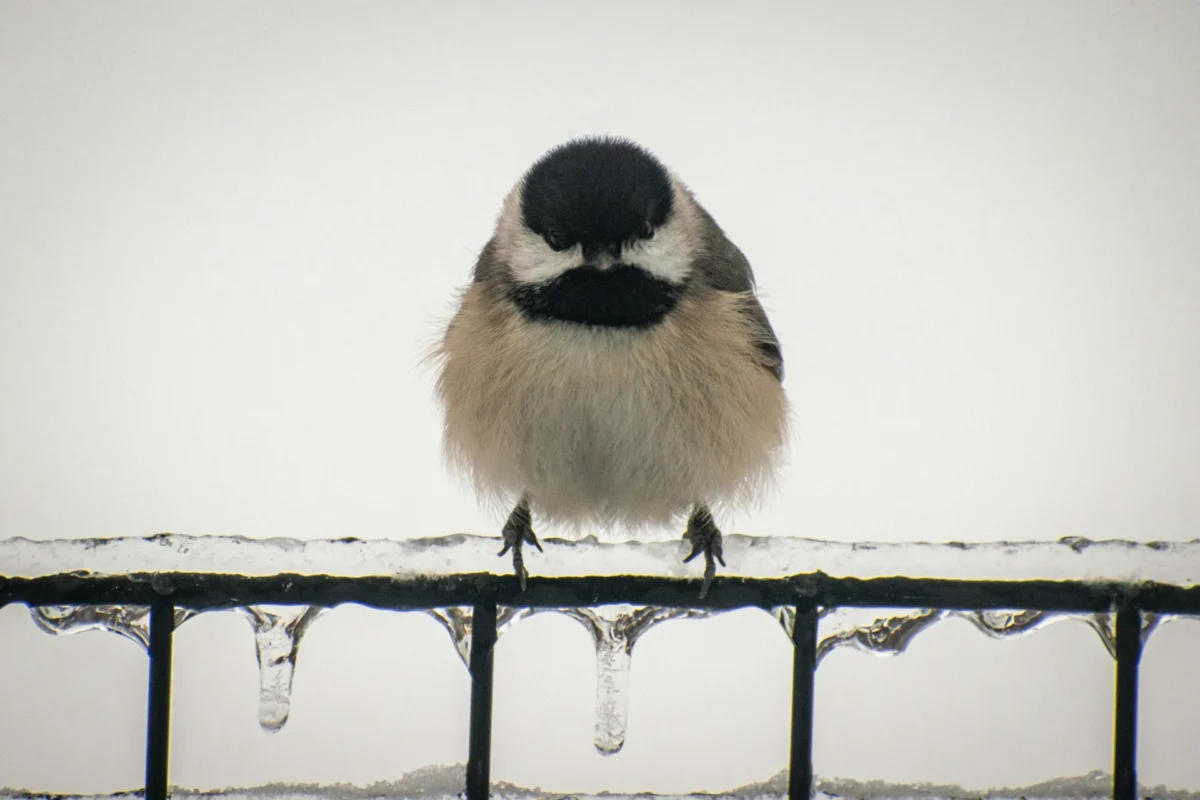
Remaining in northern climates during winter is not a passive act of endurance; it requires a profound level of physiological and behavioral mastery. Birds that choose to stay must navigate an unforgiving energy economy. Species like the Black-capped Chickadee, renowned for their resilience, employ remarkable thermoregulation strategies, capable of lowering their body temperature during the coldest nights to conserve precious metabolic energy. This controlled hypothermia, known as torpor, allows them to survive periods of extreme cold with significantly reduced food intake.
Woodpeckers, such as the Downy Woodpecker, rely on meticulously cached food reserves – acorns, nuts, and seeds – hidden in bark crevices and tree cavities during more favorable seasons. This foresight and memory are critical for accessing sustenance when external food sources are scarce. Other species, including Mourning Doves and various finches, exhibit dietary plasticity, shifting their foraging to high-fat foods like seeds and suet. These energy-dense options provide the fuel necessary to maintain body temperature and survive the long, frigid nights.
However, if a species can reliably secure sufficient energy reserves throughout the winter, the act of staying can transform from a challenge into a distinct competitive advantage. By remaining in their breeding territories, these birds bypass the energetic costs and inherent dangers of migration. Upon the arrival of spring, they are already established, occupying prime breeding territories and having had the opportunity to secure mates and optimal nest sites without the competition of late-arriving migrants. This head start can significantly enhance their reproductive success, solidifying the strategic value of overwintering.
Staying North: A Deliberate Strategy, Not a Misguided Instinct
The decision for certain bird species to remain in northern regions during winter is not a failure of migratory instinct; rather, it is a testament to the power of natural selection shaping complex, evolved strategies. This decision is a delicate interplay of risk assessment, potential reward, individual physiology, and the ever-changing environmental landscape.
Migration, while offering access to seemingly abundant resources in warmer climes, comes at a high price, measured in lost lives and depleted energy reserves. Overwintering, conversely, demands exceptional resilience and the mastery of challenging environmental conditions, but it offers a significant degree of safety from the perils of long-distance travel.
In an era of accelerating climate change and increasing human impact on natural habitats, the balance is increasingly tipping in favor of staying put for many species. The availability of supplemental food sources, coupled with milder winters, creates a more hospitable environment for resident birds. This trend suggests a dynamic and evolving avian world, where the traditional narrative of migration is being rewritten by the remarkable adaptability and strategic prowess of those who choose to endure, rather than escape, the challenges of winter.
The implications of this shift are profound for ornithologists, conservationists, and backyard bird enthusiasts alike. Understanding the factors that influence migratory versus resident behaviors is crucial for developing effective conservation strategies. Monitoring population trends, habitat suitability, and the impact of climate change on food availability will be essential to ensuring the long-term survival of both migratory and overwintering bird populations. The enduring North, once viewed as a harsh barrier to survival, is increasingly becoming a testament to the sophisticated strategies birds employ to thrive in a changing world.
