


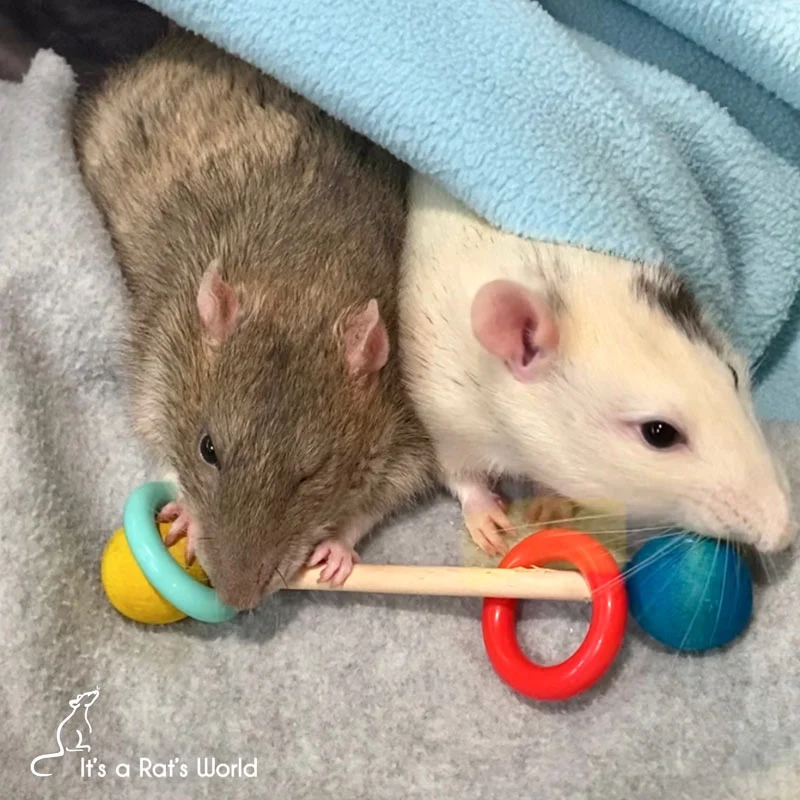
The understanding of exercise has evolved significantly since the neon-colored, aerobics-driven fitness craze of the 1980s. Once primarily associated with aesthetics, the imperative for regular physical activity is now widely recognized for its profound impact on both physical and mental well-being. This principle extends to our beloved pet rats, for whom consistent movement is not merely a recreational pursuit but a cornerstone of a healthy and fulfilling life.
The Multifaceted Benefits of Exercise for Rats
Regular physical activity is crucial for maintaining the proper functioning of a rat’s bodily systems, bolstering their immune response, and enhancing their ability to combat illness. A sedentary lifestyle, conversely, can pave the way for a cascade of health issues, most notably obesity. Excess body weight places undue stress on a rat’s skeletal and muscular systems, increasing their susceptibility to conditions such as hind leg degeneration, cardiovascular complications, diabetes, and the development of lipomas (fatty tumors).
The prevalence of obesity in pet rat populations, while not extensively documented with precise statistics in veterinary literature, is a concern for owners and veterinarians alike. Anecdotal evidence and observations from rat welfare organizations suggest that, similar to many domesticated animals, pet rats are at risk of becoming overweight due to a combination of readily available, calorie-dense foods and insufficient physical activity. A rat’s typical lifespan ranges from two to three years, and during this time, maintaining a healthy weight is paramount for maximizing their quality of life and longevity.
For owners noticing their rat is beginning to gain an unhealthy amount of weight, a comprehensive review of their dietary intake and daily exercise regimen is highly recommended. Resources are available to help owners assess their rat’s body condition. For instance, a visual guide or a body condition scoring system, often employed in veterinary medicine for a variety of species, could be adapted to help owners gauge whether their rat is overweight. Such a system might involve palpating the rat’s spine and ribs and observing their waistline.

Beyond the critical role in weight management, exercise offers significant benefits for a rat’s mental health. A lack of sufficient stimulation and physical outlet can lead to boredom, stress, and the manifestation of undesirable behaviors. This is particularly pertinent given that rats spend a considerable portion of their lives within the confines of a cage. Providing opportunities for movement and exploration is therefore vital for their psychological equilibrium.
It is important to note that this discussion pertains to healthy, mobile rats. For rats experiencing mobility issues due to age-related conditions like hind leg degeneration, illness, or injury, a tailored approach to exercise is necessary, and consultation with a veterinarian is strongly advised to develop appropriate strategies that meet their specific needs without causing discomfort or exacerbating their condition.
Engaging Rats in Physical Activity: Beyond the Gym
Unlike their wild counterparts, domesticated rats often exhibit a more sedentary disposition, necessitating proactive engagement from their owners to facilitate regular physical activity. The notion of a rat requiring a miniature gym membership or a specialized workout routine is, of course, an anthropomorphic exaggeration. The reality is far simpler and more accessible.
The idea of a rat clad in 1980s-style workout attire is amusing, but the exercise requirements for these intelligent rodents do not involve weightlifting or aerobic classes. Intriguingly, rats do not possess sweat glands, a physiological adaptation that differentiates their thermoregulation and exercise response from many other mammals. Their physical exertion is achieved through natural behaviors such as running, climbing, foraging, and exploring.
The core requirement for a rat’s exercise is the provision of daily opportunities and intrinsic motivation to engage their bodies, moving them away from passive rest and into active engagement. This can be achieved through a variety of enriching activities that cater to their natural instincts.
Enriching the Cage Environment for Active Rats
To counteract the tendency for rats to become excessively sedentary, particularly as they age, their living environment must be equipped with more than just comfortable bedding and basic accessories. While a multi-level cage provides vertical space, it is the introduction of specialized items that actively promote movement.
Exercise Wheels: A Matter of Preference and Safety
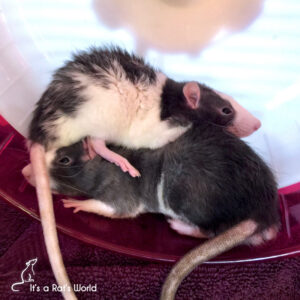
Exercise wheels can be a valuable addition to a rat’s cage, though their effectiveness can vary. Some rats enthusiastically embrace running on a wheel, while others may view it as a convenient napping spot. Given that a wheel can serve as a rat’s equivalent of a treadmill, it is generally worth introducing one, provided it is safe and appropriately sized. Popular and well-regarded brands include the Wodent Wheel and the Silent Spinner. Ongoing research into new product designs may also reveal innovative options.
A critical consideration is the size of the wheel. For adult rats, an extra-large model is typically recommended to ensure they can run with a straight back, preventing potential strain. The wheel’s construction should be of a solid material, devoid of bars or gaps that could trap a rat’s tail or feet. Furthermore, secure fastening mechanisms are paramount. Whether attached to the side of the cage or supported by a stand, there should be no space between the wheel and the cage bars that could allow a rat’s head or other body parts to become ensnared. Introducing a wheel to younger rats is often more successful, as older rats, particularly males who may develop a preference for inactivity, are more likely to repurpose it as a sleeping area or ignore it altogether.
Interactive Cage Decor and Environmental Enrichment
Many rat owners creatively incorporate interactive elements into their cages, transforming them into dynamic environments that encourage engagement. This often involves a combination of commercially available pet products and repurposed everyday items. These items can be adapted to serve as climbing structures, bridges, tunnels, and dig boxes, stimulating a rat’s natural curiosity and exploratory drive.
One approach to environmental enrichment involves altering the cage layout to necessitate more effort for navigation. For instance, removing a standard ramp and replacing it with alternative routes that require climbing or more complex maneuvering can encourage greater physical activity. This strategy is particularly effective for younger, more agile rats.

Beyond the Cage: Encouraging Activity Outside Enclosure
A change of environment is often the most potent catalyst for stimulating a rat’s desire to move. Their innate drive to explore, investigate novel stimuli, and interact with new spaces serves as a powerful motivator for physical activity.
Supervised Free-Ranging
The opportunity to explore outside their cage is a highly anticipated event for most rats, even those with a naturally more relaxed disposition. This does not necessitate granting them unfettered access to the entire home. Instead, owners can designate specific times for supervised free-ranging within a rat-proofed room. During these sessions, providing a variety of items that encourage continuous activity is essential.
Historically, many owners have utilized rooms like bathrooms for free-ranging, setting up igloos, tubes, cardboard boxes, and other structures for climbing and exploration. Engaging directly with the rats by acting as a human jungle gym can also enhance their enjoyment and activity levels.
A particularly engaging and energetic activity observed among rats is "TPing" the bathroom. This phenomenon, where rats interact with toilet paper, can lead to extensive movement and problem-solving. For example, a rat might ascend a freestanding toilet paper holder, dislodge a piece of paper with its teeth, and slide down, initiating a chain reaction of playful activity among the group. Such activities not only provide physical exercise but also foster mental stimulation and cooperative behavior. Allowing rats to engage in these natural behaviors, when supervised and safe, can be a highly rewarding experience for both pet and owner. Detailed guidance on safe free-ranging practices is available for owners seeking to implement this safely.
Dedicated Playpens and Play Areas
A designated play area for rats can be likened to a supervised "recess" period, offering a safe and confined space where they can expend energy. These areas can be either commercially acquired playpens or custom-built structures. While store-bought floor playpens exist, rats are often adept at finding ways to escape them.

The effectiveness of a play area in promoting exercise is directly proportional to the enrichment it provides. To combat lethargy and encourage activity, the space should be equipped with a variety of engaging items. Interactive toys, such as puzzle feeders or dig boxes, are excellent for keeping rats physically active and mentally stimulated. Items that facilitate climbing and ingress/egress, like tunnels or wheels mounted on stands, are also beneficial. Creativity is key; everyday objects or inexpensive items from dollar stores can be repurposed. For instance, a small desktop trash can filled with shredded paper, tissues, and cardboard can provide hours of entertainment as rats empty and stash the contents.
To maintain sustained interest, it is crucial to rotate the available items regularly. Presenting too many options at once can lead to diminished novelty. A weekly or bi-weekly rotation ensures that the play area remains stimulating and encourages continued exploration and activity.
For owners considering building a custom play area, integrating elements that function as a "rat gym" can maximize its benefits. A structure constructed from shallow storage containers, reinforced with plastic piping, can offer diverse opportunities for movement. Thinner pipes can serve as balance beams, while larger pipes can function as tunnels connecting different sections of the play area.
Engaging with Toys and Agility Courses
Direct interaction with rats using appropriate toys can also encourage physical activity. Rolling cat toys, for example, can be chased, providing an outlet for their predatory instincts and a good cardio workout. Wand toys, such as those with feathers or soft objects attached by a string, are also highly effective, as most rats are naturally drawn to batting and chasing these items.
For owners seeking a more ambitious and engaging activity, setting up an agility course for their rats offers a dual benefit of physical exercise and mental challenge. Online resources and dedicated social media channels showcase elaborate agility courses designed for rats, demonstrating how these animals can navigate obstacles, perform tasks, and learn new skills. These courses not only provide significant exercise but also foster a deeper bond between owner and pet through training and shared activity.

Leveraging Treats to Encourage Activity
As rats mature, their activity levels naturally tend to decrease, a phenomenon mirrored in many species, including humans. Male rats, in particular, can become less inclined towards vigorous activity, especially if they have been neutered. This tendency towards a more sedentary lifestyle, sometimes affectionately termed becoming a "lazy potato," presents a challenge for owners aiming to maintain their rats’ health and well-being.
The strategies previously discussed all serve as indirect methods to encourage exercise, but a more direct approach involves using food as a motivator. This method capitalizes on a rat’s natural foraging instincts and desire for rewards.
Making Them Work for Their Sustenance
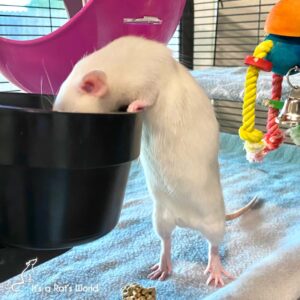
The way food is presented can significantly influence a rat’s activity levels. Instead of simply placing food in a standard bowl on the cage floor, owners can employ methods that require more effort. Elevated food dishes, attached to the side of the cage a few inches from the floor, necessitate that rats stand and stretch to reach their meals, promoting physical exertion with every bite.
Foraging wheels or treat dispensers, designed to release food gradually as the rat manipulates them, further increase the effort required to obtain sustenance. These devices not only encourage physical movement but also provide mental stimulation as the rat problem-solves to access the food. This is akin to the concept of "enrichment feeding" seen in zoological settings, where animals are encouraged to forage and work for their food to mimic natural behaviors and prevent boredom.
The Appeal of "Pea Fishing"
A simple yet highly effective activity that encourages movement and engagement is "pea fishing." This involves placing frozen peas in a heavy, stable food container filled with water. Rats exhibit an almost immediate fascination with this activity, eagerly "fishing" for the peas. The pursuit of these small treats can lead to considerable physical activity, especially when multiple rats are competing for the same peas, turning the exercise into a playful, albeit calorie-burning, social event. This method is particularly beneficial as peas are a low-calorie, healthy treat.
Understanding Individual Differences and Genetic Predispositions
It is a common misconception that an overweight rat is necessarily one that receives minimal exercise. Personal observations suggest this is not always the case. Some rats may be genetically predisposed to carrying more weight, even when provided with ample opportunities for free-ranging and exploration. These individuals may consume a balanced diet and be quite active, yet still maintain a more robust physique.
In instances where a rat exhibits significant weight issues, a comprehensive veterinary consultation is strongly recommended. A veterinarian can help ascertain whether the weight gain is attributable to genetic factors, dietary imbalances, underlying health conditions, or a lack of sufficiently structured or varied exercise. A veterinarian can also provide tailored recommendations for diet and exercise plans specific to the individual rat’s needs.
While the demands of modern life can make it challenging to consistently meet a pet rat’s daily exercise requirements, integrating a variety of stimulating activities throughout their day can yield substantial benefits. By understanding their natural behaviors and providing engaging opportunities for physical and mental engagement, owners can significantly contribute to their pet rats’ overall health, happiness, and longevity.
