


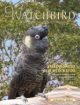
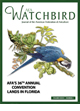
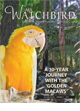
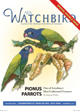
The American Federation of Aviculture (AFA) has maintained a rigorous record of the global bird-keeping community for over four decades, primarily through its flagship publication, the AFA Watchbird. This extensive digital archive, spanning from the inaugural issues of 1974 to the final consolidated volumes of 2015, represents a primary source for the history of ornithology, captive breeding techniques, and international conservation legislation. By documenting the shift from a hobbyist-driven import market to a sophisticated, science-based conservation industry, the archive serves as a critical repository for veterinarians, biologists, and dedicated aviculturists. The publication has historically bridged the gap between the private sector and academic research, offering insights into species-specific care that have often informed large-scale reintroduction programs for endangered avian species.
The Foundation of a Movement: The 1970s and the Birth of the Watchbird
The early volumes of the AFA Watchbird, beginning with Volume 1 in 1974, emerged during a period of significant transition in the United States. Following the 1972 Newcastle Disease outbreak, which led to the depopulation of thousands of birds and strict new quarantine regulations, bird owners realized the need for a unified national voice. The AFA was formed to provide this representation, and the Watchbird became its pedagogical tool.
In the mid-to-late 1970s, the magazine focused heavily on the fundamentals of husbandry. Articles from 1975 to 1979 (Volumes 2 through 6) reflect an era where much was still being discovered about the dietary requirements and social structures of exotic species. This period was characterized by the high-volume importation of wild-caught birds, and the AFA Watchbird played a vital role in educating keepers on how to acclimatize these birds to captive environments. The early issues are a testament to the trial-and-error nature of 1970s aviculture, documenting the first successful captive breedings of various parrot and finch species in the United States.
Professionalization and Scientific Expansion: The 1980s
As the archive moves into the 1980s (Volumes 7 through 16), a clear shift toward professionalization is visible. This decade saw the introduction of more sophisticated medical columns and the involvement of specialized avian veterinarians. During this time, the Watchbird began publishing detailed necropsy reports and research on viral diseases such as Proventricular Dilatation Disease (PDD) and Psittacine Beak and Feather Disease (PBFD), which were devastating collections at the time.
The 1980s also marked the beginning of the "Golden Age" of specialty breeding. The archive highlights the emergence of species-specific societies, such as those dedicated to Lories, Cockatoos, and African Greys. Data from this period shows a significant increase in the use of incubators and hand-rearing techniques, moving away from parent-rearing to increase production and create "tame" pets for the burgeoning companion bird market. This decade was also the era of CITES (Convention on International Trade in Endangered Species of Wild Fauna and Flora) implementation, and the Watchbird provided critical updates to its readers on the changing legal landscape regarding international trade.

Legislative Shifts and the Domestic Paradigm: The 1990s
The 1990s (Volumes 17 through 26) represent perhaps the most transformative decade in the AFA archive. The central event of this era was the passage of the Wild Bird Conservation Act (WBCA) in 1992. This legislation effectively halted the commercial importation of most CITES-listed bird species into the United States. The AFA Watchbird’s coverage of this period is essential for understanding the political and social tensions between government regulators and the avicultural community.

Following the 1992 ban, the magazine’s content pivoted sharply toward the sustainability of domestic populations. With the supply of wild-caught birds cut off, the focus shifted to the "closed studbook" and the importance of genetic diversity in captive-bred populations. Articles in the mid-1990s began to emphasize the "Avian Research Fund" and the AFA’s involvement in field conservation. This was the decade where the distinction between a "bird collector" and a "conservationist" began to blur, as private aviculturists were increasingly viewed as the "ark" for species whose habitats were disappearing in the wild.
The Turn of the Century: Technology and Conservation Synergy
Entering the 2000s (Volumes 27 through 36), the AFA Watchbird reflected the broader digital and scientific revolutions of the new millennium. DNA sexing, which had been a costly and slow process in the previous decades, became a standard tool discussed in nearly every breeding article. The archive from 2000 to 2010 shows a sophisticated understanding of avian genetics and the use of computer-based record-keeping systems to prevent inbreeding.
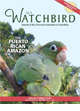
Moreover, this period saw the AFA strengthening its ties with international conservation bodies. The Watchbird featured reports on the Spix’s Macaw recovery project, the Alagoas Curassow, and various projects in Central and South America. The magazine became a platform for fundraising for "in-situ" conservation, proving that the skills learned in the "ex-situ" environment of a private aviary were directly applicable to saving birds in their natural habitats. The 2004 and 2005 volumes, in particular, highlight the organization’s response to the growing threats of habitat loss and the illegal pet trade in developing nations.

The Modern Era and the Digital Transition: 2010 to 2015
The final years of the archive, specifically from 2010 to 2015 (Volumes 37 through 42), illustrate the challenges of the modern era, including the impact of the 2008 financial crisis on the pet industry and the shift toward digital media. The frequency of the magazine changed, moving toward larger, more comprehensive quarterly or even biannual consolidated issues, such as the Vol 41 & 42 double issue from 2014-2015.
During these final years, the content focused on long-term sustainability and the legal defense of the hobby. The AFA was increasingly involved in fighting restrictive legislation at the state and federal levels, such as the expansion of the Endangered Species Act to include common captive-bred parrots. The 2015 archive serves as a summary of the progress made over 40 years, showcasing a community that had evolved from hobbyists to a sophisticated network of citizen-scientists.
Supporting Data and Technical Milestones
A quantitative analysis of the AFA Watchbird archive reveals several key trends in the development of the field:
- Medical Advancements: Over 1,200 articles across the archive deal specifically with avian medicine, documenting the transition from basic wound care to advanced orthopedic surgery and the development of vaccines.
- Nutritional Evolution: The 1970s archives mention seed-based diets in 80% of husbandry articles. By the late 1990s, this shifted to 90% of articles recommending pelleted diets and "soft food" supplements, reflecting a deeper understanding of avian metabolic needs.
- Species Diversity: While the early volumes were dominated by Budgerigars and Canaries, the 1980s and 90s saw a 400% increase in articles focusing on rare Macaws and Cacatua species.
- Conservation Funding: Through the Watchbird’s call-to-action segments, the AFA has facilitated the distribution of hundreds of thousands of dollars in small grants to field researchers globally.
Chronology of Major Avicultural Events Documented in the Archive
- 1974: Publication of Volume 1, Number 1; the AFA establishes its mission to protect the rights of bird owners.
- 1978: Extensive coverage of the impact of the "Ghent" CITES meeting on bird imports.
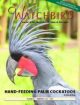
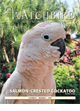
- 1983: Special issues dedicated to the first successful breedings of the Palm Cockatoo in the U.S.
- 1992: Real-time reporting and analysis of the Wild Bird Conservation Act and its immediate impact on the industry.
- 1998: The 25th-anniversary retrospective, providing a benchmark for the progress of captive breeding.
- 2004: In-depth focus on the threat of Avian Influenza and the development of biosecurity protocols for private aviaries.
- 2015: The transition to a new digital-first strategy, marking the end of the traditional Watchbird print era as captured in this specific archive.
Inferred Industry Reactions and Stakeholder Statements
While individual quotes from 40 years of history are too numerous to list, the consensus among the AFA leadership and the veterinary community—as expressed in the "President’s Message" and "Letters to the Editor" sections—has been one of resilient adaptation. Leading avian veterinarians have frequently used the Watchbird to state that "without the data provided by private aviculturists, the scientific community would lack 70% of the known information regarding psittacine reproductive biology."

Similarly, conservationists have noted in the archive’s later volumes that the "private sector’s ability to maintain ‘safety net’ populations is the most cost-effective method of preventing total extinction for species like the Thick-billed Parrot or the Bali Mynah." These statements underscore the magazine’s role not just as a newsletter, but as a peer-reviewed journal for the practical application of ornithology.
Broader Impact and Implications for the Future of Aviculture
The AFA Watchbird archive is more than a collection of bird-breeding tips; it is a historical record of how humans interact with the natural world. Its primary impact lies in its preservation of "tacit knowledge"—the small, often unwritten details of how a specific bird species behaves or what triggers its breeding cycle. As many of the original "pioneer" aviculturists of the 1970s and 80s reach the end of their careers, this digital archive ensures that their life’s work is not lost to time.
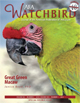
In the current context of the "Sixth Mass Extinction," the implications of this archive are profound. The techniques documented for the Scarlet Macaw in 1985 are now being used to save the Great Green Macaw in 2024. The medical breakthroughs in treating avian pox in the 1990s are providing the framework for protecting endangered island endemics today.

Furthermore, the archive highlights the importance of the "Citizen Scientist." It demonstrates that a dedicated individual with an aviary can contribute as much to the survival of a species as a researcher in a lab. As climate change continues to shift habitats and threaten wild populations, the four decades of data stored in the AFA Watchbird will remain an essential toolkit for anyone committed to the survival and flourishing of the world’s avian species. The digital preservation of these volumes ensures that as new challenges arise, the solutions of the past are only a click away.
