


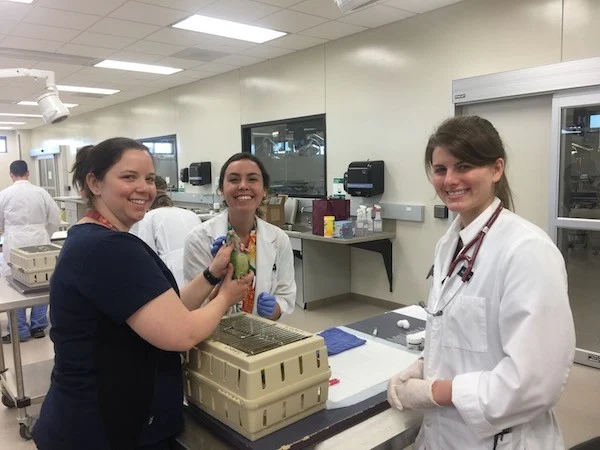
The landscape of veterinary medicine has undergone a profound transformation over the last twenty years, shifting from a primary focus on domestic companion animals to a comprehensive inclusion of avian, exotic, and wildlife species. This evolution is perhaps most visible in the robust calendar of educational seminars, wet labs, and symposia hosted by leading veterinary colleges across North America and Europe. Sponsored in large part by industry leaders like Lafeber Company, these programs have bridged the gap between general practice and specialized zoological medicine, ensuring that the next generation of veterinarians is equipped to handle the unique physiological and anatomical needs of non-traditional species.
As the data from nearly two decades of programming reveals, the trajectory of veterinary education reflects broader societal trends, including the rise of "One Health" initiatives, the increasing popularity of exotic pets, and the critical need for wildlife conservation in the face of environmental change. From the early hands-on workshops of 2007 to the sophisticated virtual distance-learning events scheduled through 2026, the curriculum for veterinary students has expanded to include everything from elephant reproduction to the intricacies of avian atherosclerosis.
The Foundation of Specialized Training: 2007 to 2015
In the late 2000s and early 2010s, the focus of specialized veterinary education was primarily on establishing foundational skills for avian and exotic animal care. During this period, programming was characterized by intensive, in-person sessions that emphasized physical examination, handling, and basic surgical techniques. Notable events included Dr. R. Avery Bennett’s 2008 presentation at Kansas State University and Dr. M. Scott Echols’ 2009 session at Oklahoma State University, which focused on the core competencies required for avian practice.
This era also saw the rise of specialized student organizations, such as the Zoo, Exotics, and Wildlife (ZEW) clubs and the Avian, Wildlife, and Exotic (AWE) medicine chapters. These student-led groups became the primary conduits for specialized knowledge, often partnering with organizations like the Association of Avian Veterinarians (AAV) and the American Association of Zoo Veterinarians (AAZV). For instance, the University of Tennessee’s 12th Annual Exotic Animal Symposium in 2014 featured a herpetology necropsy wet lab led by Dr. Debra Miller, providing students with rare hands-on experience in reptilian pathology.
The diversity of species addressed during this time was also expanding. While birds and small mammals remained staples, the curriculum began to incorporate more specialized zoo and aquatic topics. In 2013, Dr. Hayley Murphy of Zoo Atlanta presented on the Great Ape Heart Project at Tuskegee University, highlighting the intersection of cardiology and primatology. This period set the stage for a more nuanced approach to exotic medicine, moving beyond basic husbandry to complex clinical interventions.
Expansion and Technical Sophistication: 2016 to 2019
By the mid-2010s, the technical sophistication of the programming increased significantly. The focus shifted toward advanced diagnostics, specialized surgery, and the behavioral health of exotic species. This era was marked by a growing recognition of the psychological needs of animals, exemplified by the "Parrot Behavior" wet labs led by Phoenix Landing at North Carolina State University and the inclusion of renowned behaviorists like Dr. Susan Friedman in the university lecture circuit.
Technological advancements also began to permeate the educational offerings. In 2017, the University of Florida hosted a session on hyperbaric therapy in avian medicine, presented by Dr. April Romagnano. Similarly, diagnostic imaging became a focal point, with Oklahoma State University offering sessions on achieving "the perfect image" in exotic diagnostics. These programs reflected a professionalization of the field, where exotic pets were beginning to receive a level of care previously reserved for high-value livestock or traditional companion animals.
During this period, the industry’s role in facilitating these educational opportunities became even more pronounced. Sponsorships from Lafeber Company and other partners allowed universities to host "Special Species Symposia," which often served as regional hubs for veterinary students from multiple institutions. Cornell University, the University of Pennsylvania, and UC Davis emerged as leaders in these large-scale events, often drawing hundreds of attendees for multi-day conferences covering everything from rabbit dentistry to wildlife rehabilitation.
The Virtual Pivot and the Modern Era: 2020 to 2024
The onset of the global pandemic in 2020 forced a radical shift in how veterinary education was delivered. While many hands-on wet labs were postponed or cancelled, the industry quickly pivoted to "distance-learning" events. This transition, while born of necessity, democratized access to world-class experts. Specialists who might have previously only visited one or two campuses a year could now present to multiple universities simultaneously.
A notable example of this was Dr. Jörg Mayer’s 2020 presentation at the University of Illinois, which used "comics to interpret rabbit hematology," or Dr. Deborah Monks’ session on avian emergencies at Kansas State University. These virtual events allowed for a global exchange of knowledge; in 2022, Dr. Olivia Petritz presented a session on avian anatomy and radiology that was open to both Michigan State University and Utrecht University students in the Netherlands.
As the world moved into the post-pandemic era, a "hybrid" model of education emerged. While in-person handling labs returned—such as the rabbit GI physiology sessions at Michigan State—the distance-learning format remained a preferred method for theoretical and case-based discussions. This period also saw an increased focus on specific health crises, such as the 2023 "Lunch & Learn" on Highly Pathogenic Avian Influenza (HPAI) at Kansas State University, which addressed a critical real-world threat to both wild and domestic bird populations.
Future Projections: Specialized Medicine in 2025 and 2026
Looking ahead to the mid-2020s, the schedule of veterinary programming suggests a continued emphasis on high-level specialization and the integration of nutrition into clinical practice. Scheduled events for 2025 and 2026 indicate that avian nutrition fundamentals remain a cornerstone of the curriculum, with experts like Kara Burns and Dr. Yvonne van Zeeland leading sessions that explore the intersection of behavior and medical care.
Upcoming highlights include Dr. Amanda Fisher’s 2026 presentation on laboratory animal medicine at the University of Arizona and Dr. Rebecca Duerr’s virtual seminar on "Oiled Wild Bird Care" at Kansas State University. These topics reflect a veterinary profession that is increasingly engaged with public health, research ethics, and environmental disaster response. The inclusion of topics like "Surgery of the Reproductive Tract of Female Birds" and "Shellfish Disease Monitoring" further demonstrates the vast scope of the modern veterinary student’s education.
The Role of Industry Sponsorship and Professional Development
The continuity of these educational programs over two decades is a testament to the symbiotic relationship between veterinary academia and industry partners. Sponsorships do more than just fund lunches; they facilitate the travel of top-tier specialists, provide equipment for wet labs, and offer students access to the latest research and clinical tools.
For students, these events are critical for networking and professional development. Participation in specialized clubs and symposia often leads to internships, residencies, and ultimately, board certification in specialties such as the American College of Zoological Medicine (ACZM) or the American Board of Veterinary Practitioners (ABVP). The "Board Certification Panel Discussion" hosted by UC Davis in 2024 is a prime example of how these programs guide students through the rigorous path of specialization.
Impact on Animal Welfare and Global Health
The broader implications of this sustained educational effort are significant. By training veterinarians to be proficient in the care of non-traditional species, these programs directly improve the welfare of millions of animals. Better-educated veterinarians lead to more accurate diagnoses, more successful surgical outcomes, and more effective conservation efforts for endangered wildlife.
Furthermore, the focus on "One Health"—the idea that human, animal, and environmental health are inextricably linked—is a recurring theme in many of these sessions. Lectures on lead toxicity in local bird species (Purdue, 2020) or shellfish disease monitoring (Atlantic Veterinary College, 2025) highlight the veterinarian’s role in monitoring environmental health and preventing zoonotic disease outbreaks.
As the calendar of events stretches into 2026, it is clear that the commitment to specialized veterinary education is stronger than ever. The transition from the foundational lectures of 2007 to the complex, multi-national virtual symposia of the future represents a triumph of professional dedication and a bright outlook for the health of all species, no matter how small or exotic.
