

The global wildlife photography industry is currently navigating a transformative era defined by a tension between rapid technological innovation and the preservation of foundational field skills. As mirrorless camera systems, artificial intelligence (AI)-driven autofocus, and high-speed burst rates become the industry standard, professional circles are increasingly debating whether these advancements are elevating the art form or diluting the expertise required to capture world-class imagery. While modern equipment allows beginners to produce technically sharp images with unprecedented ease, veteran photographers and industry experts suggest that the "heart" of the craft—patience, behavioral understanding, and timing—remains an irreplaceable component of exceptional work.
The Shift from Manual Mastery to Reactive Automation
For decades, wildlife photography was a discipline defined by its high barrier to entry. During the film and early digital eras, photographers were forced to master the "exposure triangle"—aperture, shutter speed, and ISO—while simultaneously managing the physical limitations of their gear. Today, the landscape has shifted toward a "reactive" model. Modern mirrorless flagship cameras now feature subject-recognition systems capable of locking onto the eye of a bird in flight across a cluttered foreground, a feat that was nearly impossible for even the most skilled professionals twenty years ago.
The rise of AI-driven autofocus (AF) has significantly increased the "hit rate" for action shots. Features such as pre-capture buffering—where the camera begins recording images before the shutter button is fully pressed—ensure that fleeting moments, such as a bird taking flight, are rarely missed. However, critics argue that this reliance on technology encourages a "spray-and-pray" methodology. In this approach, volume replaces vision; photographers may return from a single session with thousands of frames, relying on post-processing software to find a lucky shot rather than intentionally composing a specific moment in the field.
A Chronology of Technological Evolution in Wildlife Imaging
To understand the current state of the industry, it is essential to trace the progression of camera technology over the last quarter-century:
- The Analog Era (Pre-2000s): Wildlife photography relied on 35mm slide film. Photographers were limited to 36 exposures per roll and had no way of reviewing images in the field. Precision in exposure and focus was paramount, as mistakes were both costly and unfixable.
- The Early Digital Revolution (2001–2010): The introduction of professional Digital Single-Lens Reflex (DSLR) cameras, such as the Canon EOS-1D series and Nikon D2 series, changed the workflow. In 2004, the Canon EOS-1D Mark II became a benchmark, offering an 8.2-megapixel sensor and 8.5 frames per second (fps). Despite a limited ISO range and a rudimentary 45-point AF system, this era proved that world-class, award-winning images could be produced with what are now considered "low-resolution" sensors.
- The Resolution and ISO Wars (2011–2018): Manufacturers focused on increasing megapixel counts and low-light performance. Sensors moved from 12MP to 50MP+, allowing for significant cropping. However, this also introduced challenges in data management and increased digital noise in certain lighting conditions.
- The Mirrorless and AI Era (2019–Present): The transition from DSLRs to mirrorless systems eliminated the mechanical mirror, allowing for silent shooting and burst rates of up to 120 fps. The integration of deep-learning AI allows cameras to distinguish between birds, mammals, and insects, maintaining focus in real-time with near-perfect accuracy.
Supporting Data: The Megapixel and Speed Paradox
While marketing campaigns emphasize higher resolutions and faster speeds, data from professional competitions suggests that technical specifications do not always correlate with artistic success. For instance, the Canon EOS-1D Mark II, used by renowned photographer Johan J. Botha to win the South African Wildlife Photographer of the Year in 2004, operated on a mere 8 megapixels. Even by 2007, when Botha won a category in the BBC Wildlife Photographer of the Year competition, the winning image was captured using similar constraints.
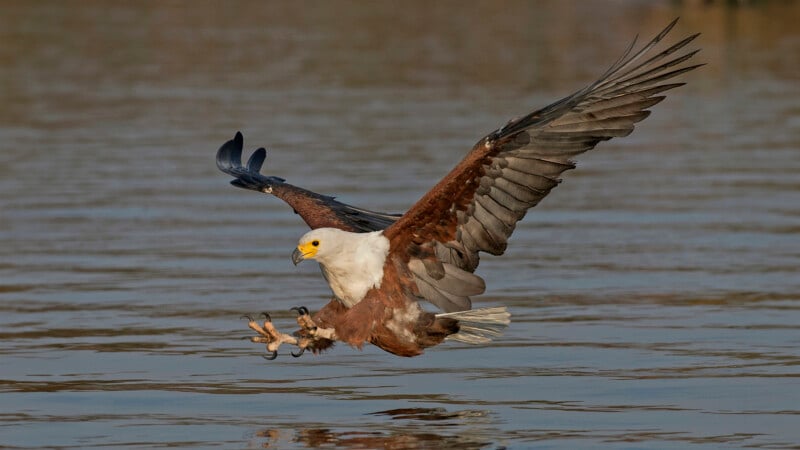
In contrast, modern cameras like the Sony a1 or Nikon Z9 offer 45-50 megapixels. While these high resolutions allow for aggressive cropping—effectively turning a 600mm lens into a 1200mm equivalent in post-production—they also demand more rigorous field technique to avoid motion blur and require significantly more expensive storage solutions. Furthermore, industry analysis shows that high-resolution sensors often struggle with "noise" at high ISO settings compared to sensors with larger, more light-efficient pixels. This suggests that the "megapixel race" may offer diminishing returns for photographers who do not first possess the skill to get close to their subjects.
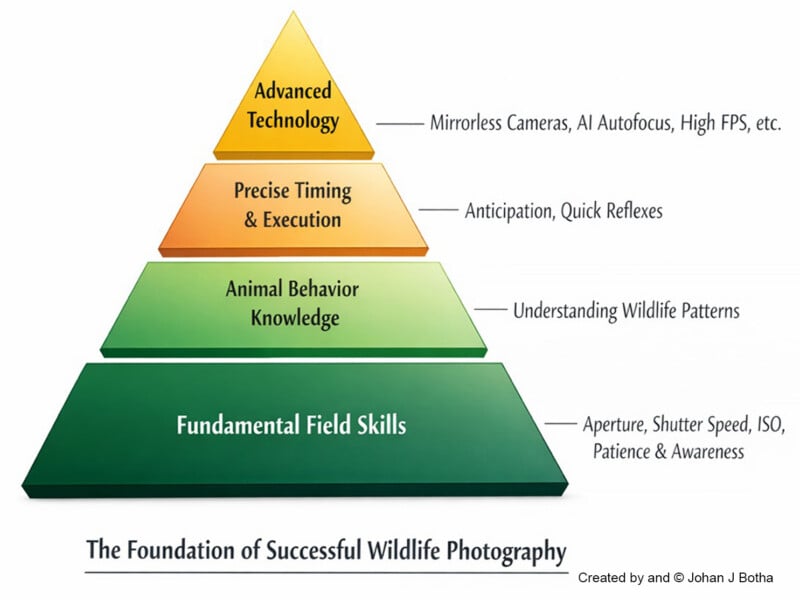
The Foundation of Fieldcraft: The "Skills Pyramid"
A recurring theme among conservation photographers and international judges is the concept of the "Skills Pyramid." This hierarchy posits that technology should only serve as the apex of a photographer’s capability, supported by a broad foundation of traditional skills:
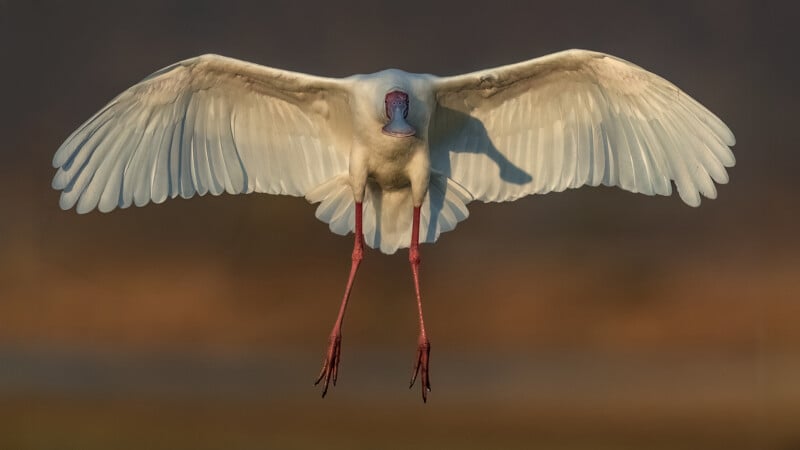
- Level 1: Fundamental Field Skills: Mastery of the camera’s manual settings and an instinctive understanding of light.
- Level 2: Animal Behavior Knowledge: The ability to predict an animal’s next move based on its environment, stance, or social interactions.
- Level 3: Precise Timing and Execution: The physical coordination to track a subject and trigger the shutter at the "decisive moment."
- Level 4: Advanced Technology: The use of AI AF, high frame rates, and editing software to refine the captured image.
When the pyramid is inverted—with technology forming the base—the resulting images often lack "soul" or narrative impact. A technically perfect image of a bird on a branch is common; an image that captures a rare behavioral interaction requires the photographer to have anticipated the event minutes or hours before it occurred.
Case Studies in Constraint vs. Capability
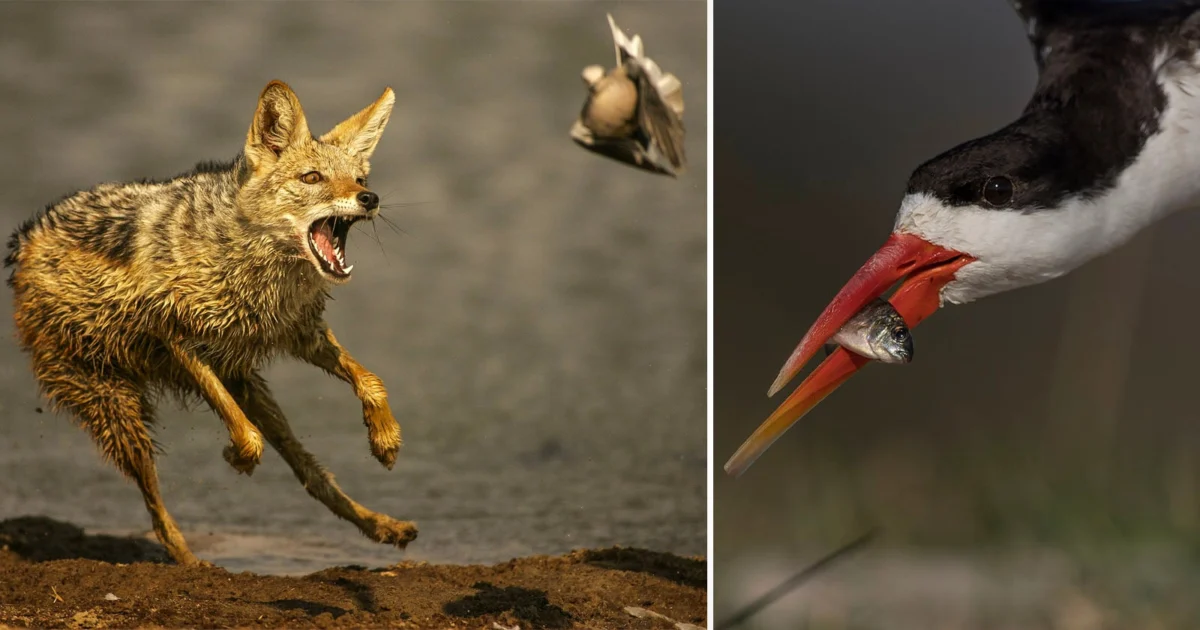
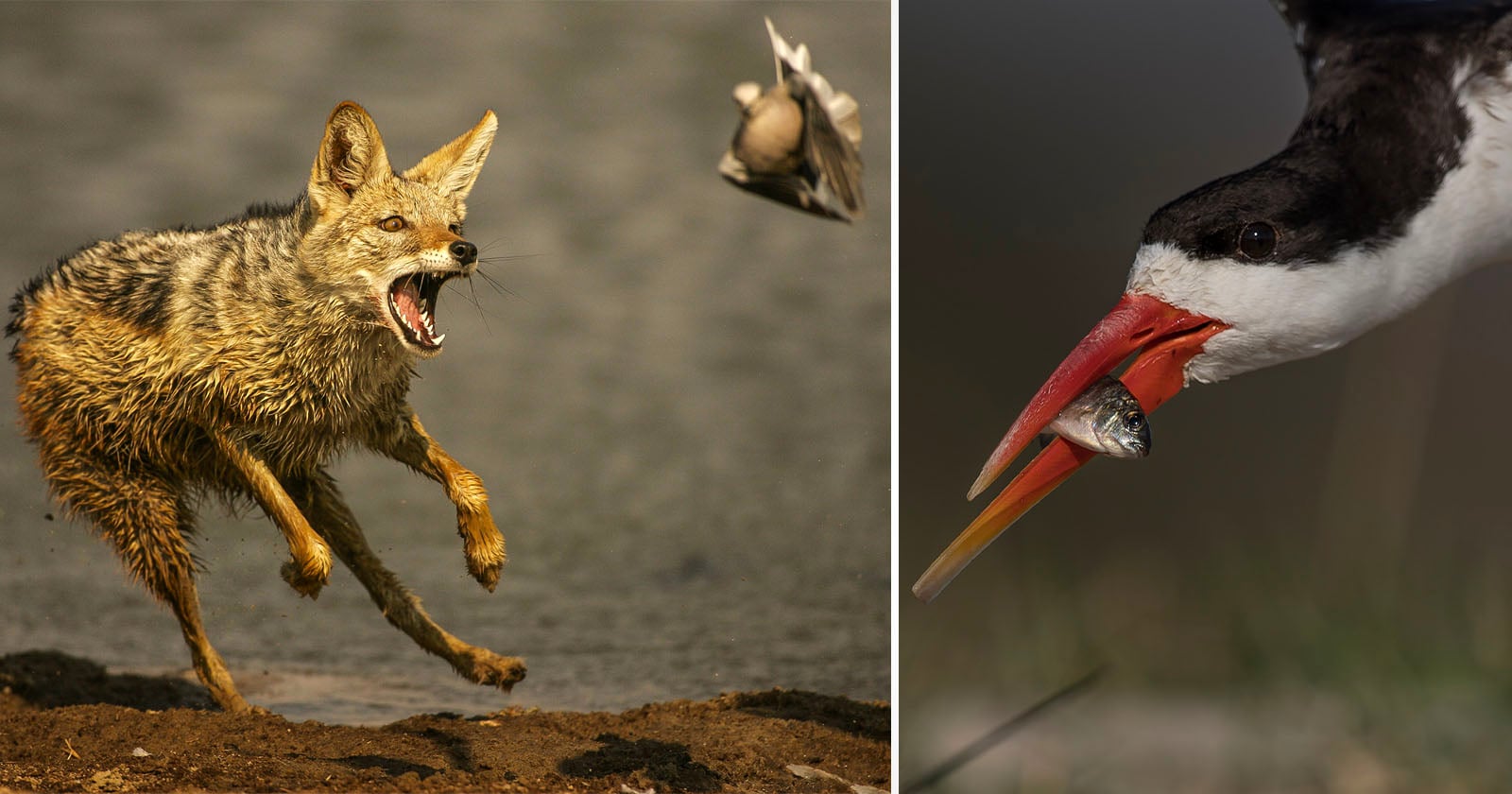
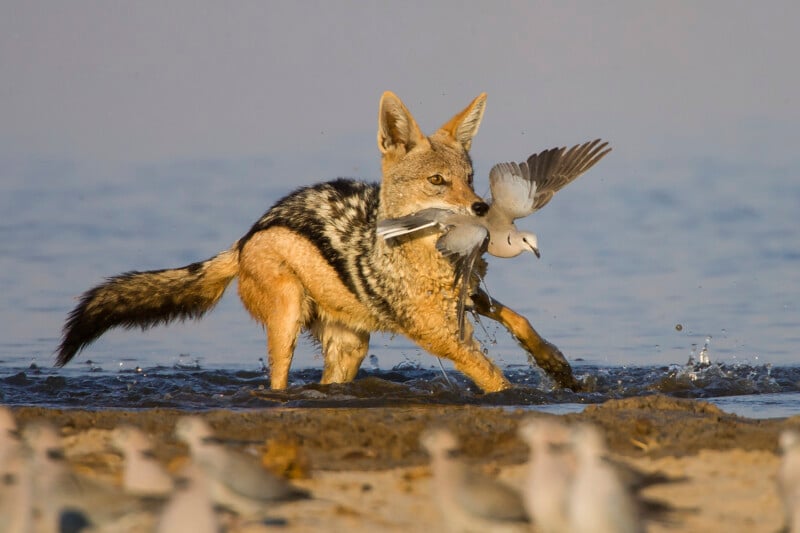
Historical precedents in Namibia’s Etosha National Park and the Kgalagadi Transfrontier Park provide clear evidence of the value of fieldcraft over gear. In 2004 and 2006, iconic images of black-backed jackals hunting doves at waterholes were captured using 8MP sensors and limited autofocus. These images required the photographer to understand the jackal’s hunting patterns, position the vehicle for the best light, and time the shutter to a fraction of a second.
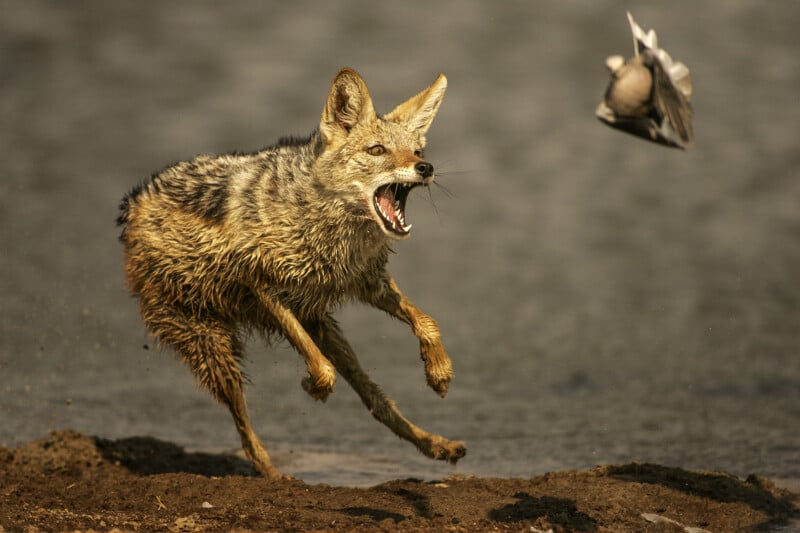
Today, thousands of photographers visit these same locations with equipment that is exponentially more powerful. While the volume of sharp images from these sites has increased, few achieve the same international recognition. This phenomenon highlights a critical truth in the digital age: when the "difficulty" of a shot is removed by technology, the artistic value of that shot often decreases unless the photographer brings a unique perspective or captures a truly rare moment.
Industry Reactions and Ethical Implications
The democratization of wildlife photography has led to a saturated market. Photographic societies, such as the Photographic Society of South Africa (PSSA) and the International Federation of Photographic Art (FIAP), have had to adapt their judging criteria to account for the ease of modern capture. There is a growing emphasis on "originality" and "storytelling" over pure technical sharpness.
Furthermore, the rise of AI-driven editing—where software can add "catchlights" to eyes, remove distracting branches, or even change the background—has sparked ethical debates. Major competitions, including the Natural History Museum’s Wildlife Photographer of the Year, now require RAW files to ensure that the "truth" of the moment has not been manufactured in post-processing. This reinforces the idea that the most respected tier of wildlife photography remains rooted in what happens in the field, not what happens on a computer screen.
Analysis of Implications: The Future of the Professional Photographer
As AI continues to evolve, the gap between the "amateur with great gear" and the "professional with great skill" will continue to narrow in terms of technical output. However, this shift is expected to trigger a renaissance in traditional fieldcraft. To stand out in a world of perfect AI-generated or AI-assisted images, photographers must lean into the human elements of the craft:
- Intentionality: Moving away from "reactive" shooting toward "intentional" composition, where every element in the frame is considered before the shutter is pressed.
- Specialization: Developing a deep, scientific understanding of specific species to capture behaviors that are unknown to the general public.
- Ethical Storytelling: Using photography as a tool for conservation, where the narrative and the welfare of the subject take precedence over the technical perfection of the image.
In conclusion, while modern technology provides a decisive advantage, it is most effective when wielded by those who do not strictly need it. The most successful wildlife photographers of the next decade will likely be those who use AI AF and high-speed sensors as precision tools to enhance their existing fieldcraft, rather than as a crutch to bypass the learning process. As the industry moves forward, the foundation of success remains unchanged: a deep connection with the natural world and the patience to wait for the perfect moment to unfold.
