


One of the most surprising discoveries for novice birdwatchers is the sheer frequency with which common birds are misnamed. Even individuals who have casually observed birds for years often find themselves applying the wrong labels to familiar species. This phenomenon is rarely due to a lack of attention. Instead, it stems from the fact that many birds share striking similarities in appearance, especially when glimpsed briefly, seen from a distance, or observed under challenging light conditions. The primary drivers of bird confusion typically involve species that are alike in size, color, or behavior. Understanding these common mix-ups is the first step toward becoming a more accurate and confident bird identifier.

The Pervasive "Blackbird" That Isn’t Always a Blackbird
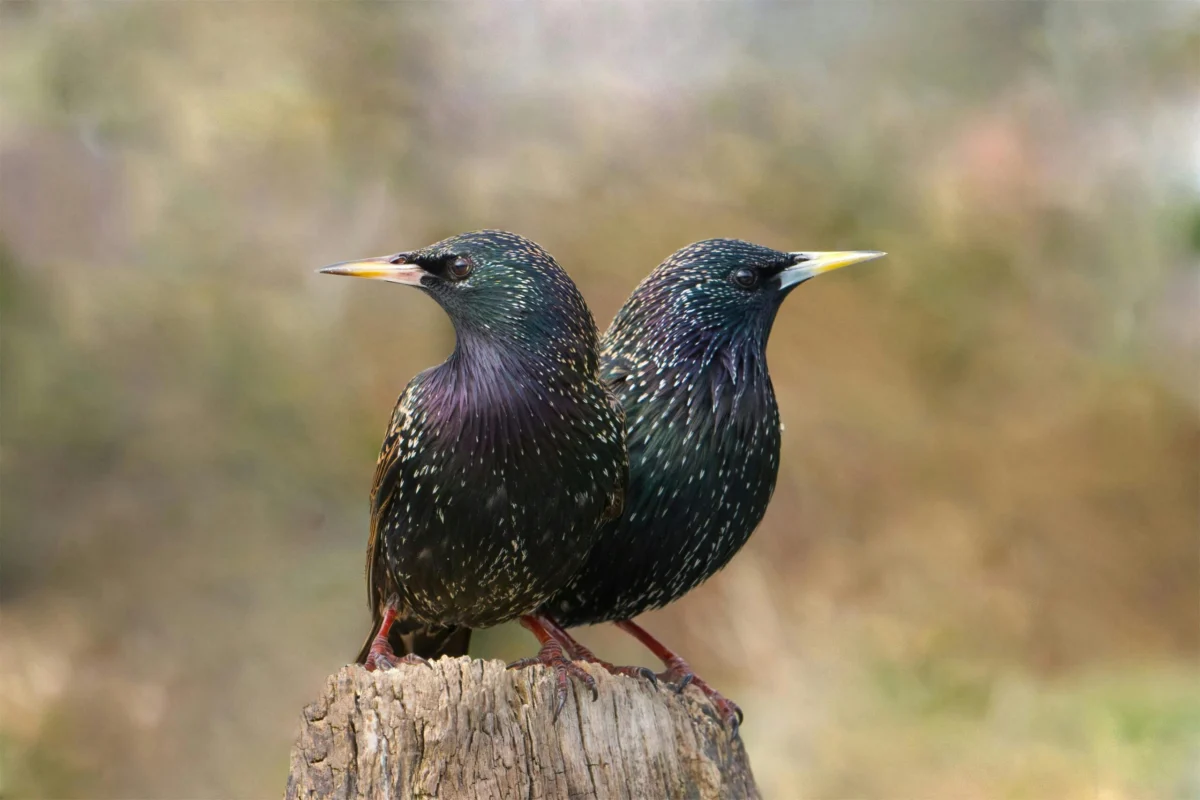
A frequent source of misidentification arises from the generalized use of the term "blackbird" to describe any medium-sized, dark-colored bird. This umbrella term often encompasses several distinct species, including European Starlings, Common Grackles, and American Crows. European Starlings, in particular, are notorious for contributing to this confusion. Their dark plumage, visible from afar, and their ubiquitous presence in human-populated areas make them a common sight and, consequently, a common misnomer.

Distinguishing between these dark birds becomes significantly easier when one begins to observe their size and behavior. Starlings, for instance, are generally smaller and tend to move in rapid, cohesive flocks. Common Grackles, while also dark, are larger and possess a more confident demeanor, often displaying iridescent plumage. American Crows are considerably larger still and are typically observed flying overhead or emitting their distinctive, loud calls. Recognizing these behavioral and physical cues is crucial for accurate identification.
Downy Woodpecker vs. Hairy Woodpecker: A Tale of Two Similar Drummers
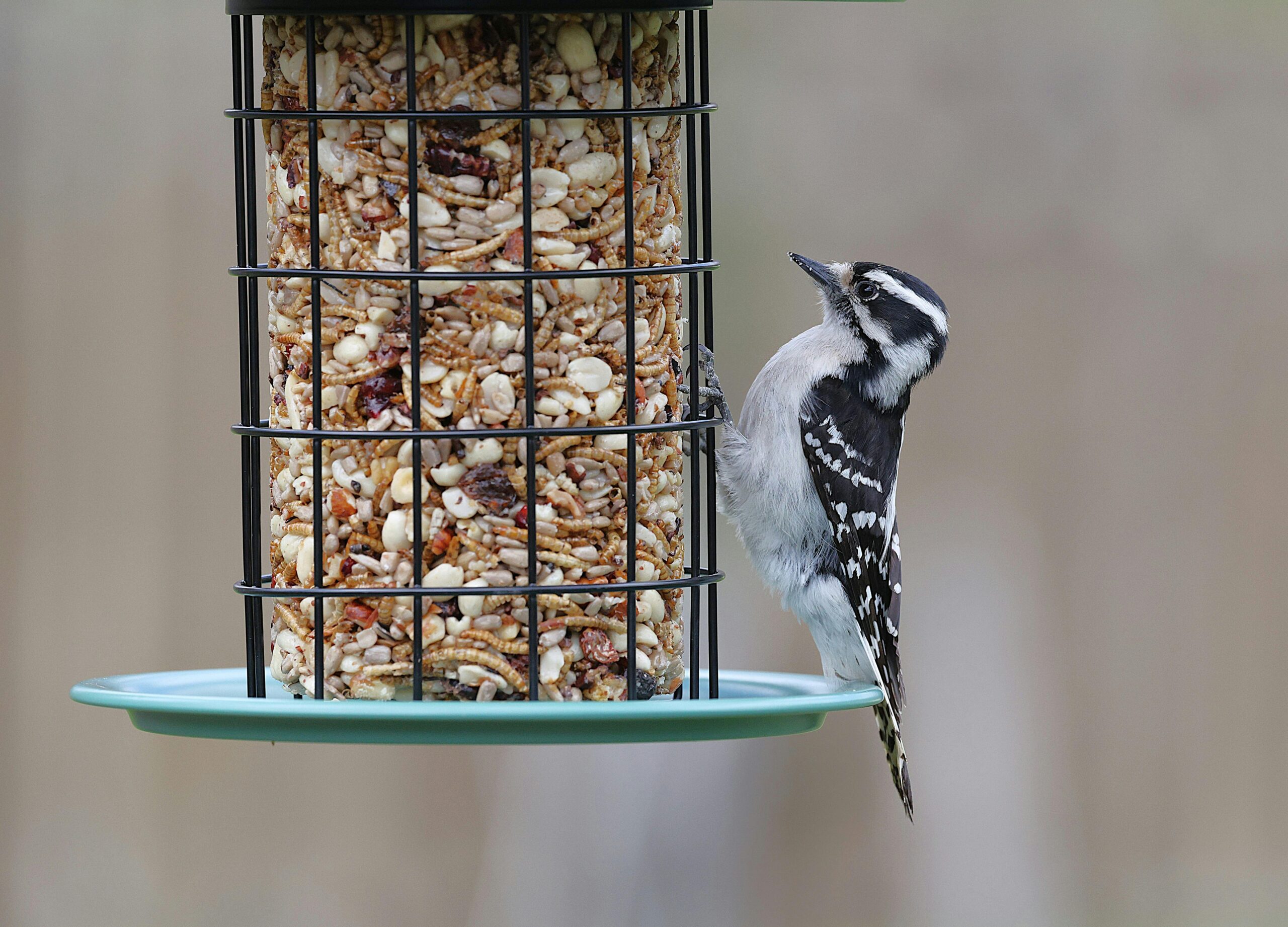
The Downy Woodpecker and the Hairy Woodpecker present a classic case of visual mimicry in the avian world, appearing almost identical at first glance. The Downy Woodpecker, the smaller and more common of the two, is frequently encountered in backyards and urban green spaces. The Hairy Woodpecker, in contrast, is noticeably larger. This size discrepancy, while significant, is often overlooked, especially when the birds are not seen side-by-side or are observed fleetingly.
Many beginners assume they are observing the same species in different locations, leading to the confusion. However, a key differentiator lies in their habitat preference and typical behavior. The Downy Woodpecker is more likely to frequent bird feeders and forage on smaller trees and shrubs. The Hairy Woodpecker, while also found in similar environments, generally prefers larger trees and may appear in more wooded or natural settings. Once this association is made – Downy Woodpeckers being the more frequent visitors to backyard feeders – the distinction between these two similar drummers often becomes clear.

American Crow vs. Common Raven: Giants of the Skies
Large black birds soaring through the sky are frequently identified as crows, but Common Ravens are also prevalent across many regions of the United States. The most apparent differences lie in their size, bill structure, and flight patterns. Ravens are significantly larger than crows, possessing a more robust build and a heavier, more substantial bill. Their flight often involves soaring and gliding, interspersed with steady flapping, a stark contrast to the more consistently flapping flight of crows.

Vocalizations also offer a clue, though one that can be subtle to the untrained ear. Ravens produce deeper, more resonant calls, often described as a deep "croak," whereas crows are known for their familiar "caw." However, distinguishing these sounds, especially at a distance or amidst background noise, can be challenging. Given their shared black plumage and high visibility, it is entirely natural for these two intelligent corvids to be confused until one becomes attuned to their specific characteristics.
American Robin vs. Northern Mockingbird: Masters of the Lawn and Song

At a casual glance, the American Robin and the Northern Mockingbird can exhibit a surprising degree of similarity. Both are medium-sized birds with an upright posture, and both frequently spend time foraging on lawns, perching on fences, and occupying open vantage points. From a distance, their general silhouette and characteristic movements can appear almost indistinguishable.
The divergence in their behavior, however, is a significant identifier. Robins are often observed hopping across lawns, actively searching for earthworms and insects. Mockingbirds, on the other hand, are renowned for their vocal prowess and tend to perch more conspicuously, often singing their complex repertoire from rooftops, trees, or fences. The mockingbird’s penchant for audible displays and its tendency to mimic a wide array of sounds is a hallmark that, once recognized, effectively dispels confusion with the more earthbound robin.

House Sparrow vs. House Finch: Common Backyard Visitors
These two small, often seed-eating birds are perennial visitors to feeders and backyards, leading to persistent confusion among observers. House Sparrows typically present a more robust and somewhat plainer appearance, with muted brown and gray plumage. House Finches, while sharing a similar size, are distinguished by the males’ streaky brown bodies complemented by a warm reddish-pink coloration on the head and breast.

The fact that they frequently occupy the same feeding territories can lead to the mistaken assumption that they are variations of the same species. However, a closer examination of their coloring, particularly the vibrant red of the male House Finch, and their subtle differences in build will eventually clarify their distinct identities. Recognizing that these are two separate species, often appearing together rather than being misidentified as one, is a key step in developing accurate identification skills.
Mourning Dove vs. Rock Pigeon: Urban Dwellers with Distinctive Traits

Many individuals assume that Mourning Doves are simply a variation of the ubiquitous Rock Pigeon. Both species are highly adaptable and commonly found in proximity to human settlements, frequently seen on rooftops, fences, and open ground. However, critical distinctions exist in their physical characteristics and demeanor.
Mourning Doves are noticeably slimmer, possessing a more delicate build and a distinctly long, pointed tail, which differs significantly from the shorter, fan-shaped tail of the Rock Pigeon. Their movements are generally quieter and more graceful. Rock Pigeons, in contrast, are typically bulkier, more social birds that tend to gather in groups, often congregating around buildings and sidewalks. The Mourning Dove’s elongated tail and its more subdued, gentle behavior are the most reliable cues for distinguishing it from its pigeon counterpart.

Chickadee vs. Titmouse: Small, Gray, and Active
Small, agile, gray birds that flit through trees and shrubs often fall into the "chickadee or titmouse" category for many observers. While both are characterized by their quick movements and presence in similar habitats, key differences can be observed.

Chickadees are generally smaller and are characterized by their distinctive black cap and bib, creating bold black and white markings on their faces. Tufted Titmice, on the other hand, are larger and sport a prominent crest atop their heads, giving them a more regal appearance. Their gray plumage is more uniform than that of chickadees. Because both species are active foragers and often travel in mixed flocks, their similar behavior can contribute to confusion. However, focusing on the head shape—the rounded cap of the chickadee versus the pointed crest of the titmouse—and their relative size quickly aids in differentiation.
Blue Jay vs. Other "Blue Jays": A Splash of Color and Regional Differences

The vibrant Blue Jay is an unmistakable presence in many eastern and central U.S. backyards. Its striking blue, black, and white plumage, along with its loud, raucous calls, makes it a memorable bird. However, the term "blue bird" can sometimes lead to confusion, particularly for those encountering other species with similar coloration, especially in western regions.
In the eastern and central United States, a bold blue bird with prominent black and white patterns and a loud call is almost invariably a Blue Jay. However, in the western parts of the country, other jays, such as Steller’s Jays and California Scrub-Jays, are common. Steller’s Jays often appear darker, with a blackish head and a distinct crest, while California Scrub-Jays are a brighter, more uniform blue with a paler underside and a more subdued call. While all are members of the jay family and share a love for bright blue hues, their specific markings, crests, and geographical distribution are key to accurate identification.

The Normalcy of Misidentification in Birdwatching
It is crucial to understand that misidentifying birds is not an indicator of failure but rather an inherent and natural part of the learning process. Birdwatching is fundamentally an exercise in repeated observation and the gradual recognition of subtle differences. The more frequently an individual encounters a particular species, the more adept they become at discerning variations in its shape, movement, vocalizations, and behavior.

Even seasoned ornithologists and experienced birders occasionally misidentify birds, particularly when faced with challenging conditions such as poor lighting, extreme distances, or fleeting glimpses. This underscores the complexity and nuance involved in avian identification.
A Reassuring Perspective for Aspiring Birdwatchers

For anyone who has ever observed a bird, researched its identity, and realized they had been using the incorrect name, take solace. This experience is precisely what defines the journey of a birdwatcher. The path to mastering bird identification is not about achieving immediate perfection. Instead, it is a continuous process of attentive observation, pattern recognition, and the steady accumulation of familiarity with the diverse avian life that inhabits our shared environments.
The very act of questioning your initial identification signifies an engaged and developing observational skill. It indicates a growing curiosity and a desire to understand the natural world more deeply. This curiosity is the most valuable tool any aspiring birdwatcher can possess, paving the way for a richer and more rewarding engagement with the fascinating world of birds. As you continue to observe, learn, and refine your skills, the often-confusing avian landscape will gradually resolve into a tapestry of distinct and recognizable individuals.
