


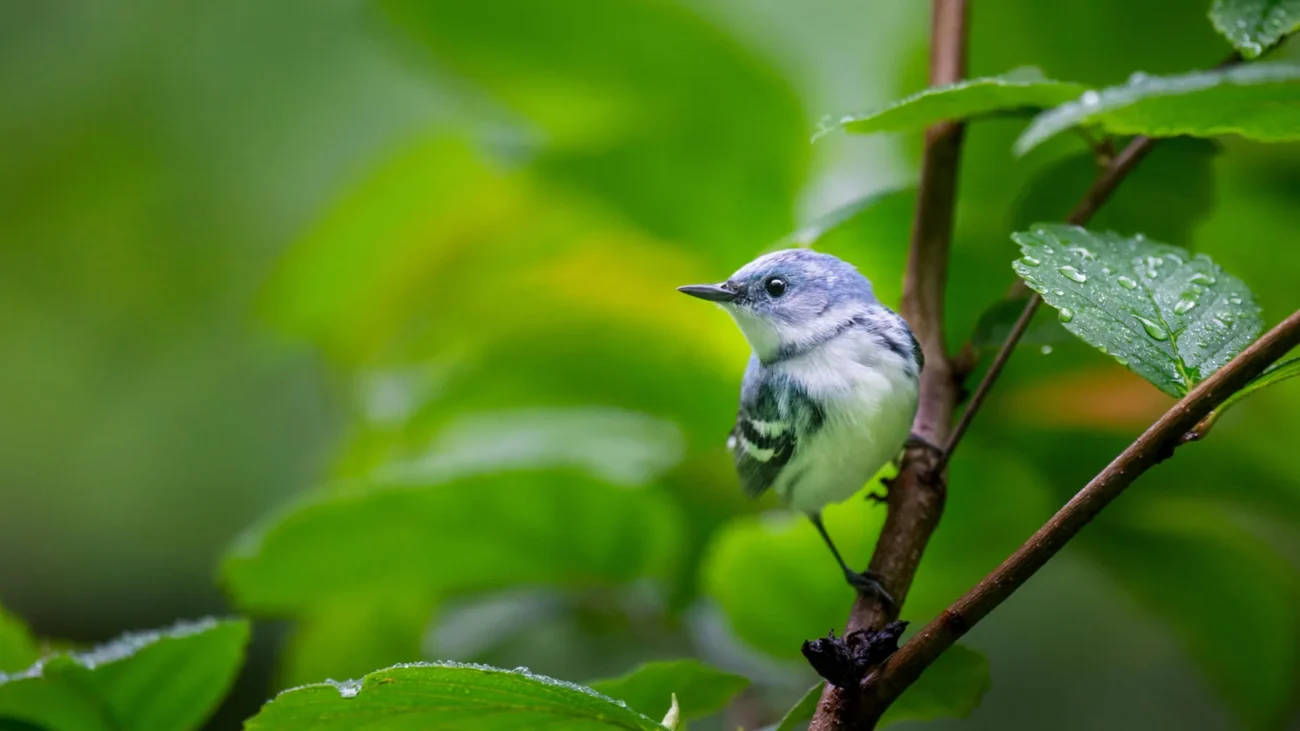
Every spring, the familiar melodies of the Wood Thrush and a kaleidoscope of warblers grace parks and backyards across eastern North America. Their return signifies the end of winter and the promise of warmer days. However, the vast majority of these beloved avian visitors spend the other half of their year in a vastly different landscape: the lush, often remote, and increasingly imperiled forests of Central America. A groundbreaking study by the Wildlife Conservation Society (WCS) and the Cornell Lab of Ornithology (Cornell Lab) underscores the critical importance of these southern forests, revealing them as indispensable havens for countless migratory bird species that bridge the continents.
The research, published in the esteemed journal Biological Conservation, identifies the "Five Great Forests of Central America" – a contiguous ecological corridor stretching from southern Mexico down to northern Colombia – as vital for the survival of numerous migratory bird populations. This vast region, encompassing areas like the Selva Maya, Moskitia, Indio Maíz-Tortuguero, La Amistad, and Darién, collectively provides essential habitat for an astonishing proportion of North America’s breeding birds during their non-breeding season.
A Deep Dive into the Data: Unveiling the Scale of Dependence
Leveraging the immense power of citizen science data, researchers meticulously analyzed millions of bird sightings submitted to the Cornell Lab’s global eBird platform. This unparalleled dataset allowed for a granular understanding of weekly bird distribution across these critical Central American landscapes. The findings are stark: these five forest complexes collectively support between one-tenth and nearly one-half of the global populations for an impressive 40 migratory species. This dependency is particularly alarming given that many of these very species are among the fastest declining avian populations in North America, a trend that has been a growing concern for conservationists for decades.
Dr. Anna Lello-Smith, a lead author of the study and a conservation scientist at WCS, emphasized the profound connection between the two regions. "What happens in Central America directly affects the birds we love in the United States and Canada," she stated. "These forests aren’t just tropical wilderness – they’re at the heart of migration, sustaining many of our birds for more than half the year. They provide the food and shelter that allow Wood Thrushes, Magnolia Warblers, and so many others to return north to fill our spring with song and color."
The sheer density of migratory birds within these forests is a key revelation. Dr. Viviana Ruiz-Gutierrez, Director of Conservation Science at the Cornell Lab of Ornithology and a co-author of the study, elaborated on this point. "Every fall, billions of birds pour south through the narrow land bridge of Central America," she explained. "The density of migratory warblers, flycatchers, and vireos crowded into these five forests is astounding, and means that each hectare protected there safeguards a disproportionate number of birds." This concentration highlights the immense ecological value of even small, well-protected areas within this corridor.
The Five Great Forests: A Biological Keystone
Spanning an area comparable in size to the state of Virginia, the Five Great Forests represent a remarkable mosaic of biodiversity. This region is not only a crucial refuge for migratory songbirds but also a critical habitat for iconic and endangered species such as jaguars, tapirs, and scarlet macaws. For birds undertaking migrations that span thousands of miles each year, these forests serve as indispensable resting and wintering grounds, providing the necessary resources for survival and the energy reserves needed for their arduous journey back north.
The interconnectedness of these forest systems is a vital aspect of their conservation value. Their contiguous nature allows for seamless movement of wildlife and creates a resilient ecosystem capable of withstanding some degree of environmental fluctuation. This ecological corridor acts as a biological highway, facilitating gene flow and population viability for numerous species.
A Looming Crisis: The Accelerating Pace of Deforestation
Despite their immense ecological significance, these vital forests are facing an existential threat: rapid and relentless deforestation. Driven primarily by the expansion of illegal cattle ranching, millions of acres have already been cleared. The impact is particularly devastating in regions like Moskitia, where nearly one-third of the forest has vanished in a mere two decades. This alarming rate of habitat loss spells disaster for the migratory birds that depend on these areas.
Jeremy Radachowsky, Regional Director for WCS’s Mesoamerica Program, painted a grim picture of the situation. "If we lose the last great forests of Central America – and we are – we lose the birds that define our eastern forests in North America," he warned. "But by supporting rural communities, governments, and conservation partners on the ground, we can still turn the tide."
The economic drivers behind deforestation are complex, often involving land speculation, agricultural expansion, and sometimes, illicit activities. The pressure on these forest ecosystems is immense, and the consequences for global biodiversity are far-reaching. The loss of these forests represents not just a decline in bird populations but also a degradation of vital ecosystem services, including carbon sequestration, water regulation, and soil conservation, which benefit both local communities and the global environment.
Local Resilience: Indigenous and Community-Led Conservation Efforts
Amidst this crisis, a beacon of hope shines from the Indigenous and local communities who call these forests home. These communities are at the forefront of conservation, actively working to restore damaged lands, prevent devastating forest fires, and revive traditional, bird-friendly livelihoods. Practices such as sustainable allspice and cacao production, deeply rooted in the region’s cultural heritage, offer economic alternatives that are intrinsically linked to forest preservation.
These dedicated individuals and communities often face significant risks in their efforts to protect these invaluable natural resources, confronting threats from illegal loggers, land grabbers, and other powerful interests. Their resilience and commitment are paramount to the survival of these forests and the species they harbor.
"Imagine the possibility of linking with those efforts," urged Dr. Ruiz-Gutierrez, highlighting the potential for broader collaboration. "So that we can work together across the Americas to bring back our shared migratory birds." This sentiment underscores the need for international cooperation and support for these on-the-ground conservation initiatives.
Bridging Continents: Mapping the "Sister Landscapes" of Migration
For years, effective international conservation efforts have been hampered by a lack of precise data detailing how migratory birds connect diverse habitats and communities throughout their annual cycles. To address this critical information gap and facilitate cross-border conservation, the researchers employed a novel framework developed by Partners in Flight and the Cornell Lab. This framework allows for the mapping of "stewardship connections" – identifying regions in North America where species that rely on the Five Great Forests for their wintering grounds gather to breed.
The study’s findings reveal a profound and intricate relationship between the Five Great Forests and specific forest regions in North America. These "sister landscapes" include vital areas such as the Appalachian Mountains, the Mississippi River Delta, the Great Lakes region, New England, and the landscapes surrounding New York City. These paired regions are intrinsically linked by the presence of the same bird species at different points in their annual life cycle, underscoring the interconnectedness of ecosystems across the hemisphere.
This concept of "sister landscapes" provides a powerful new tool for conservationists, enabling them to target efforts more effectively by understanding which North American breeding grounds are most dependent on the health of specific Central American wintering grounds. It shifts the conservation paradigm from a localized approach to a hemispheric one, recognizing that the fate of birds in one region is inextricably tied to the fate of their habitats in another.
The Broader Implications: A Hemispheric Imperative for Conservation
In essence, the Five Great Forests of Central America serve as the tropical counterparts to North America’s eastern temperate forests. They are crucial havens for the same suite of forest-dependent birds, including species like Scarlet Tanagers, Kentucky Warblers, Golden-winged Warblers, and Broad-winged Hawks, during the months when these birds are far from their familiar breeding territories. Safeguarding these wintering and stopover habitats is not merely an act of ecological preservation; it is an essential prerequisite for ensuring the continued return of these species to North America each spring, maintaining the vibrant tapestry of avian life that enriches the continent’s natural heritage.
The implications of this research extend far beyond the realm of ornithology. The health of these forests directly impacts the ecological balance of the entire Western Hemisphere. The loss of these vital habitats would trigger cascading effects throughout migratory bird populations, potentially leading to significant declines and even extinctions. This, in turn, would disrupt food webs, impact insect populations, and diminish the aesthetic and cultural value of nature for millions of people.
"Every hectare we protect in Central America has ripple effects for birds and people across the hemisphere," emphasized Dr. Lello-Smith. "The forests that sustain thrushes and warblers also support communities. If you love watching your birds come back each spring, we invite you to discover the tropical forests they call home for most of the year – and help protect them." This call to action resonates with the growing understanding that conservation is a shared responsibility, transcending national borders and requiring a collective commitment to the well-being of our planet’s natural systems.
The study’s findings serve as a critical wake-up call, urging governments, conservation organizations, and individuals to redouble their efforts to protect these invaluable ecosystems. The future of countless migratory bird species, and the health of ecosystems across the Americas, hinges on our ability to act decisively and collaboratively to safeguard the Five Great Forests of Central America. This is not just about saving birds; it is about preserving the intricate web of life that sustains us all. The time for comprehensive, sustained, and collaborative action is now, before these vital avian highways are irrevocably broken.
