

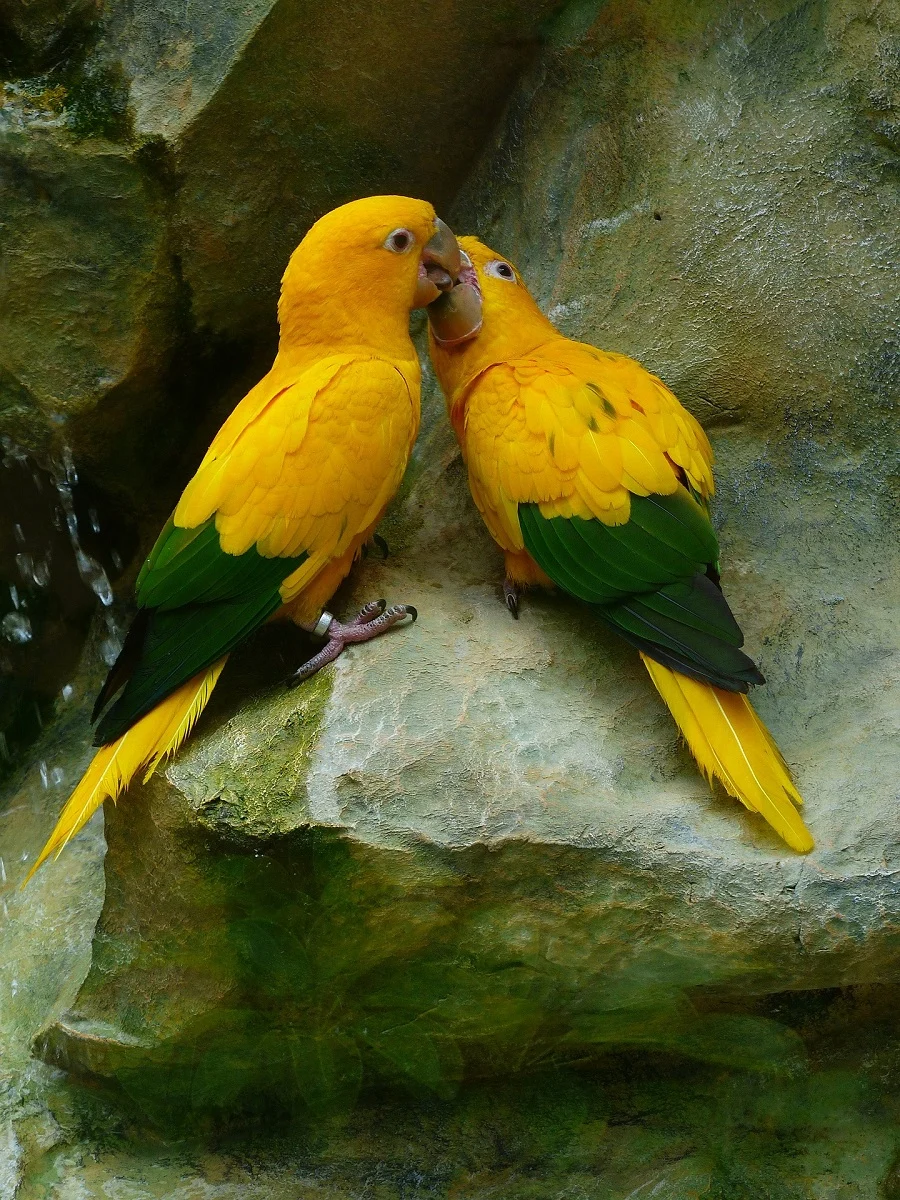
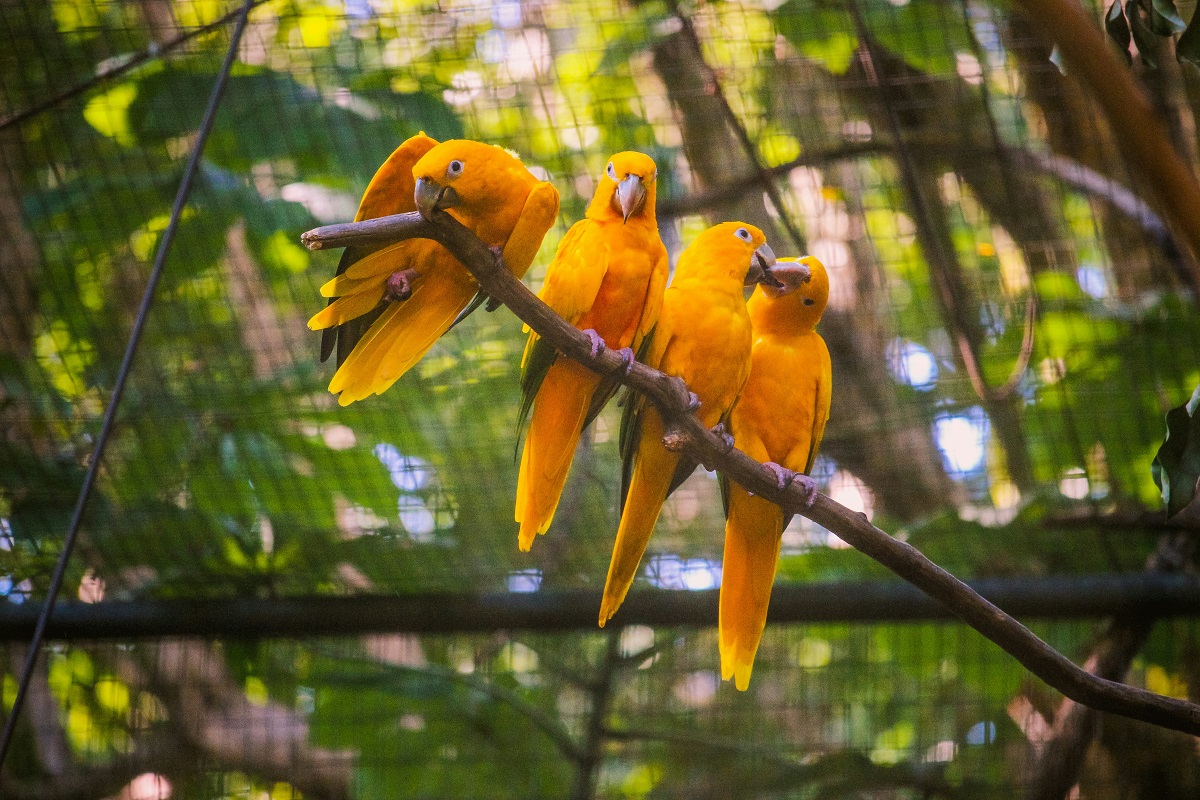
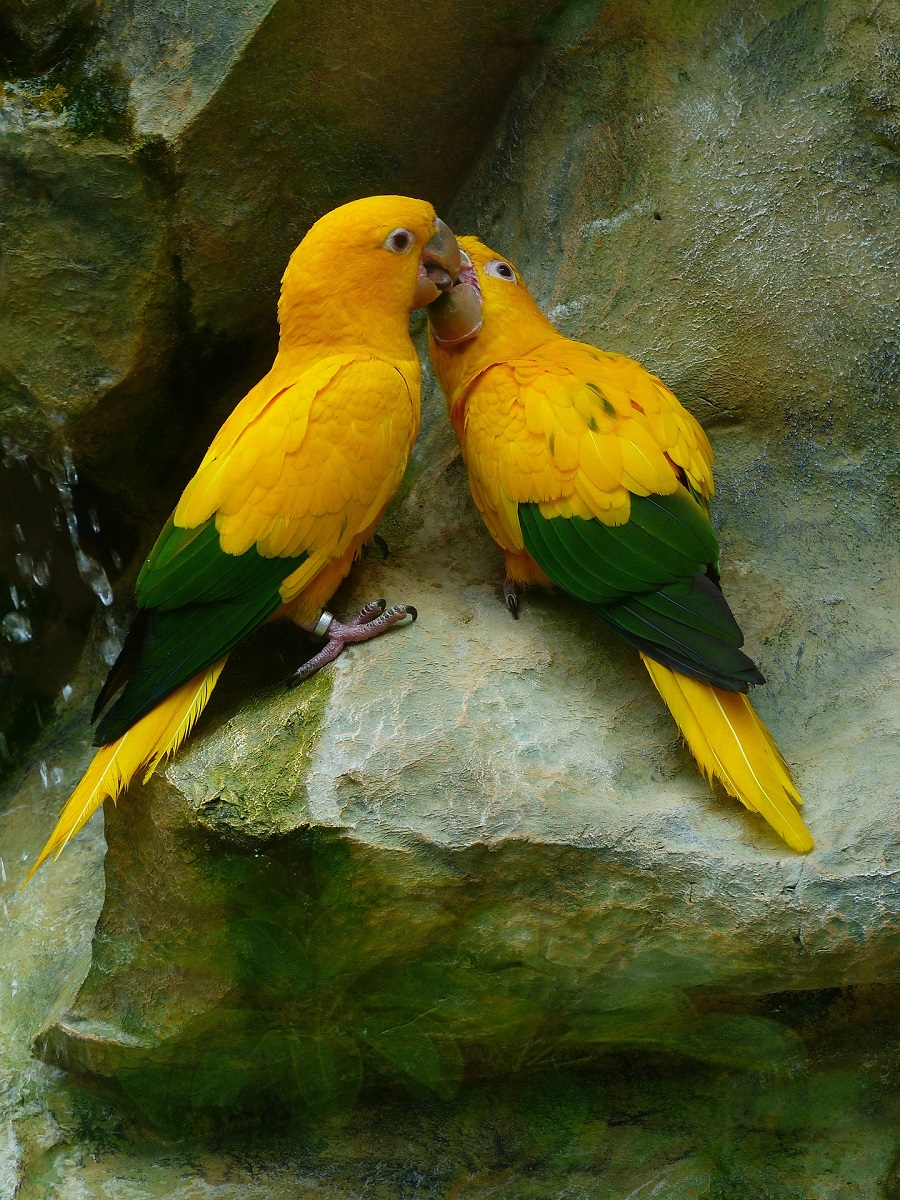
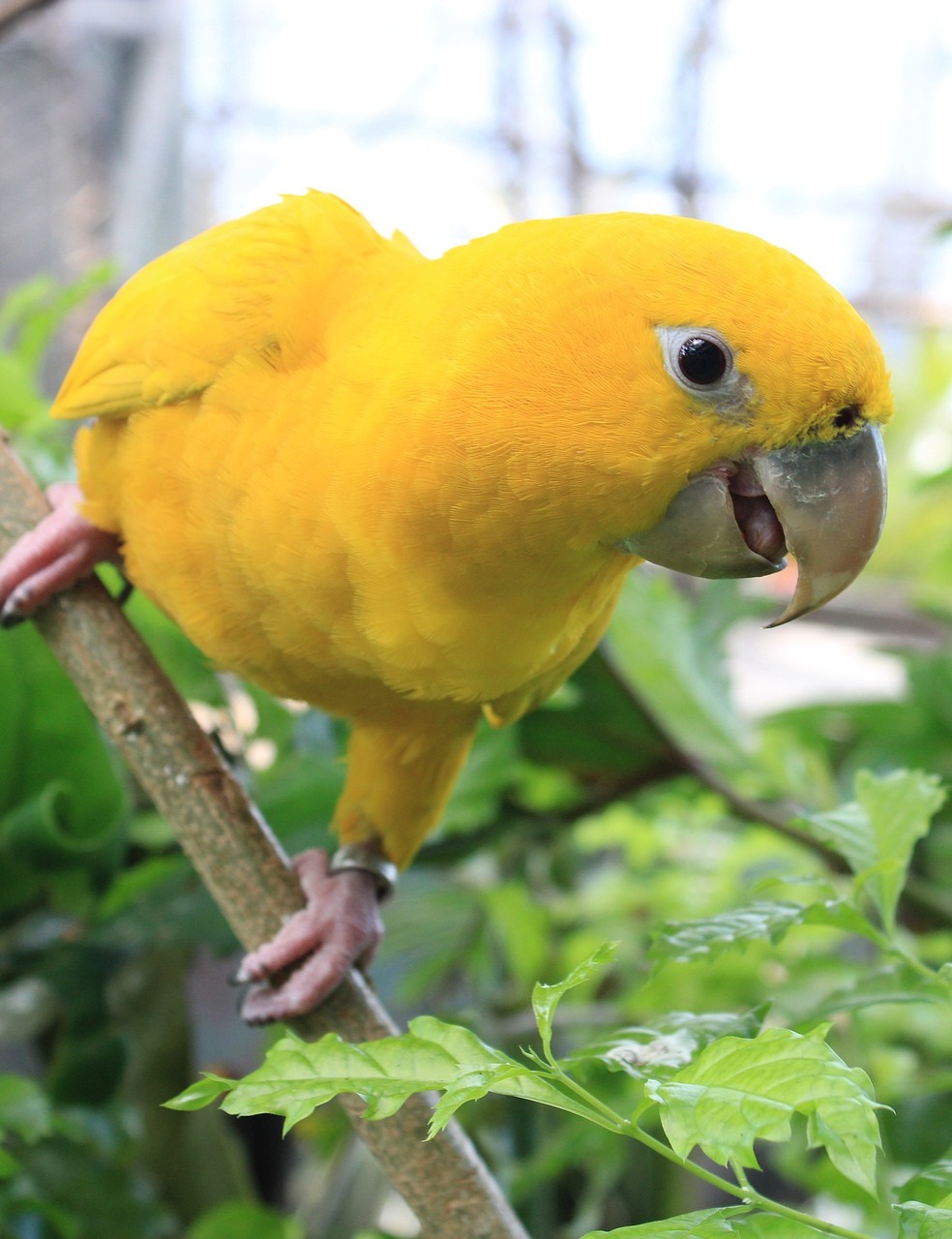
The Golden Conure (Guaruba guarouba), often hailed as the "Queen of Bavaria Conure" or "Golden Parakeet," stands out in the avian world for its breathtakingly vibrant plumage and engaging personality. This strikingly beautiful parrot, distinguished by its almost entirely golden-yellow body punctuated by dark green wingtips, has captivated bird enthusiasts and conservationists alike. Its allure, however, comes with significant responsibilities for potential owners, as this species is not merely a pet but a complex, intelligent creature facing substantial threats in its native habitat. This article delves into the intricate details of the Golden Conure’s biology, ecology, behavior, and the critical aspects of its care, offering a comprehensive resource for those considering welcoming this magnificent bird into their lives or seeking to understand its place in the natural world.
Physical Description and Unique Characteristics
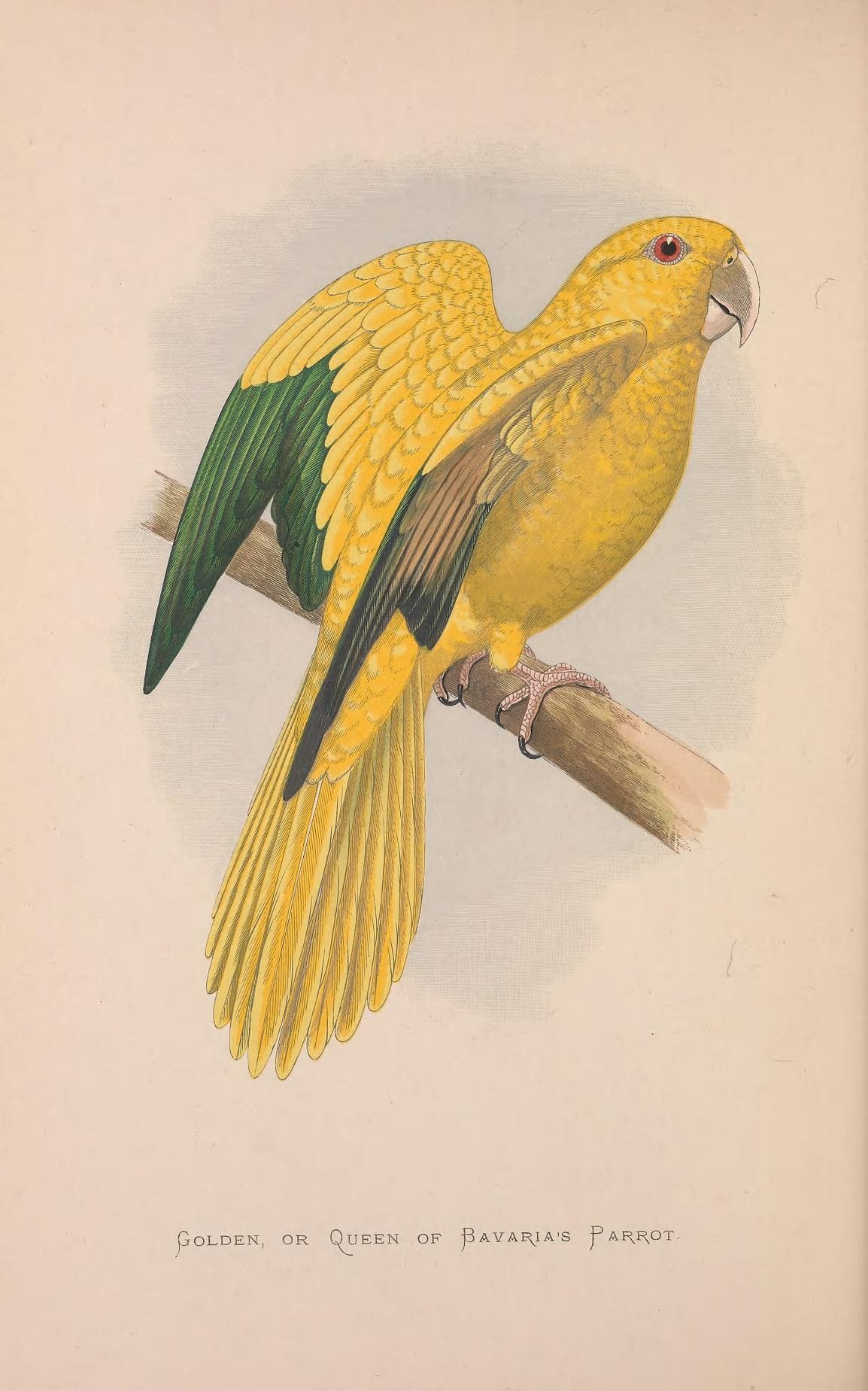
The Golden Conure is a medium-sized parrot, typically reaching lengths of up to 14 inches (35 cm) and weighing an average of 250 grams. Its most defining feature is its uniformly brilliant golden-yellow plumage, which covers most of its body, including its head, back, chest, and tail. The only striking contrast comes from the dark green primary flight feathers, creating a dramatic visual effect when the bird is in flight or displaying its wings. Its beak is horn-colored, strong, and well-suited for cracking nuts and seeds, reflecting its natural diet.
Juvenile Golden Conures present a slightly different appearance, exhibiting more green plumage, particularly on their wings, and often speckled across their backs and heads. This greener coloration gradually recedes as they mature, giving way to the iconic golden hue of the adults, typically by their first year. Unlike many other parrot species where males and females can be visually distinguished by subtle differences in size or color, the Golden Conure is sexually monomorphic. This means that visual inspection alone cannot determine the sex of an individual bird. For breeding purposes or simply to know the gender of a pet, a DNA test performed by a qualified avian veterinarian is necessary. This involves a simple feather or blood sample and provides a definitive answer, typically with high accuracy rates.
A Journey Through Taxonomy: Unraveling the Golden Conure’s Identity
The scientific classification of parrots, particularly Neotropical species, has often been a complex and evolving field, with common names adding to potential confusion. The Golden Conure is a prime example of this taxonomic fluidity. Historically, it has been assigned to various genera as ornithologists and systematists refined their understanding of avian relationships. Early classifications placed it in Conurus, then Eupsittula, and subsequently Aratinga. These shifts reflect the ongoing scientific process of grouping species based on shared morphological characteristics and, more recently, genetic evidence. The continuous reevaluation of species relationships, often driven by new research methods, is a hallmark of modern ornithology.
A pivotal moment in its classification came in 2006 when ornithologist Joseph Forshaw, in his authoritative guide "Parrots of the World," listed it under Guaruba guarouba. This designation was not merely an arbitrary change but was supported by a growing body of evidence suggesting that the Golden Conure possessed unique characteristics warranting its own monotypic genus. Phylogenetic studies, which analyze evolutionary relationships through genetic sequencing, have since provided robust confirmation for this classification. A significant 2006 article in Systematic Biology, for instance, demonstrated through mitochondrial and nuclear DNA sequences that Guaruba is more closely related to the red-shouldered macaws of the genus Diopsittaca than to the Aratinga conures. This genetic divergence underscored the necessity of separating it into its own genus, solidifying Guaruba guarouba as its currently accepted scientific name. This taxonomic journey highlights the dynamic nature of scientific understanding and the crucial role of advanced research in accurately mapping the tree of life, moving beyond purely morphological comparisons to genetic insights.
Natural Habitat and Conservation Imperatives
The Golden Conure is endemic to the Amazon Basin of Brazil, primarily inhabiting the state of Pará, with potential extensions into neighboring Maranhão. Within this vast and biodiverse region, these parrots show a preference for dry lowland (terra firme) forests. These are forests situated on elevated ground that do not experience seasonal flooding, providing a stable environment rich in specific fruit-bearing trees. However, they are also known to occasionally venture into seasonally flooded areas, known as várzea forests, adapting to the changing landscape of the Amazon. Their ability to utilize different forest types highlights their adaptability within their specific range.
Observations of wild populations reveal a somewhat nomadic lifestyle, particularly during the breeding season, which typically occurs from December to July. During this period, the birds may temporarily move from dense jungle environments to less dense zones, possibly in search of specific nesting sites or food resources. Nests are typically established in hollow trees, often enlarged from those previously used by other species, providing a secure cavity for their eggs and chicks. A remarkable aspect of Golden Conure breeding behavior is their communal nesting tendency, where multiple females may lay their eggs in the same nest. This cooperative breeding strategy can result in clutches containing upwards of 10 eggs, a trait uncommon among many other parrot species and indicative of their highly social nature and strong flock cohesion. Research by Oren & Novaes (1986) provided key insights into these breeding observations.
Unfortunately, the Golden Conure’s striking beauty and specific habitat requirements have made it vulnerable to numerous threats, leading to its classification as a "Vulnerable" species on the IUCN Red List of Threatened Species since 1988. While the historical problem of trapping for the international pet trade has significantly diminished due to stricter regulations and increased awareness, the primary threat today is severe habitat fragmentation and destruction. The Brazilian Amazon is under relentless pressure from deforestation driven by agricultural expansion (especially for soy and cattle ranching), logging, mining, and infrastructure development such as roads and hydroelectric dams. Between 2000 and 2019, the Brazilian Amazon lost an area equivalent to the size of France, directly impacting species like the Golden Conure that rely on intact forest ecosystems. These activities not only reduce the overall area of suitable habitat but also fragment existing forests, isolating populations and reducing genetic diversity. The long lifespan of these birds, up to 30 years in the wild, means that the cumulative impact of habitat loss over decades has profound effects on population viability, leading to an estimated wild population decline of 30-49% over three generations.
The species is also listed on Appendix II of CITES (Convention on International Trade in Endangered Species of Wild Fauna and Flora), which means that international trade is strictly controlled to prevent overexploitation and ensure its survival. Effective conservation strategies require a multi-faceted approach, including protected area establishment, sustainable land-use practices, enforcement of anti-deforestation laws, and community engagement to foster local stewardship. Efforts by organizations like the Brazilian Institute of Environment and Renewable Natural Resources (IBAMA) and local NGOs are critical in monitoring and protecting key populations.
Cultural Significance: The "Ararajuba"
Beyond its scientific and ecological importance, the Golden Conure holds significant cultural value for indigenous populations in Brazil. Locally known as "Ararajuba," a name derived from Tupi-Guarani meaning "yellow macaw," its golden feathers have long been highly prized. These feathers were historically used in ceremonial attire, adornments, and trade, signifying wealth, status, or spiritual connection. The bird’s vibrant plumage made it a commodity, and tragically, historical accounts by ornithologists like Helmut Sick (1997) even mention instances where other conure species were dyed yellow to imitate the "Ararajuba" and fetch higher prices in local animal markets, underscoring the profound cultural and economic value placed on this species. This rich cultural heritage adds another layer of significance to the ongoing efforts to protect the Golden Conure and its natural habitat.
Dietary Requirements: Sustaining a Vibrant Life
In their natural Amazonian environment, Golden Conures benefit from a diverse and seasonally varied diet. Scientific studies, including recent work by Vilarta et al. (2024) on reintroduced populations, have revealed that their wild diet primarily consists of fruits, with favorites including the nutrient-rich fruits of açaí (Euterpe oleracea) and bacaba (Oenocarpus distichus) palms, as well as those from cashew (Anacardium occidentale), ice cream bean (Inga edulis), nance (Byrsonima crassifolia), and locustberry (Byrsonima stipulacea) trees. These birds are also known to consume flowers and flower buds, providing essential vitamins and minerals. Like many other parrot species, Golden Conures can be opportunistic feeders and may occasionally raid local farmers’ crops, showing a particular fondness for corn and mango. This natural variety underscores the importance of a well-balanced diet for captive birds.
For Golden Conures kept as pets, replicating this dietary diversity is crucial for their long-term health and well-being. A high-quality, commercially formulated parrot pellet should form the cornerstone of their diet, making up approximately 60-70% of their daily intake. Pellets are specifically designed to provide a balanced nutritional profile, reducing the risk of deficiencies often associated with seed-only diets, which are typically high in fat and low in essential nutrients like Vitamin A and Calcium.
The remaining 30-40% of their diet should consist of a wide array of fresh fruits, vegetables, and some healthy grains or cooked legumes. This variety not only provides additional nutrients but also offers mental stimulation and encourages natural foraging behaviors.
Recommended Fresh Foods:
- Vegetables: Dark leafy greens (kale, spinach, romaine lettuce, broccoli florets), carrots, bell peppers (all colors), zucchini, sweet potatoes (cooked), peas, corn on the cob. Avoid avocado, which is toxic to parrots.
- Fruits: Apples (seeds removed), berries (blueberries, raspberries, strawberries), melons (cantaloupe, watermelon), bananas, oranges, grapes, mango, papaya, kiwi. Offer in moderation due to sugar content.
- Grains/Legumes: Cooked brown rice, quinoa, whole wheat pasta, lentils, chickpeas.
- Healthy Fats (in moderation): Small amounts of unsalted nuts (almonds, walnuts, pecans), seeds (flax, chia, sesame) as treats, not a staple.
It is essential to thoroughly wash all fresh produce before offering it to your bird. Food should be presented in a clean bowl and removed after a few hours to prevent spoilage and bacterial growth. Integrating foraging toys is highly recommended, as it turns mealtime into an enriching activity, mimicking how the bird would search for food in the wild and preventing boredom. A healthy diet, combined with regular exercise, is paramount to ensuring a Golden Conure lives its full potential lifespan of up to 30 years in captivity.
Avian Husbandry: Housing and Enrichment
Providing an appropriate living environment is fundamental to the health and happiness of a captive Golden Conure. These are not small birds, and their energetic nature demands a spacious enclosure. For a single Golden Conure, the minimum recommended cage size is at least 40 inches (1 meter) in width, 40 inches in depth, and 48 inches (1.2 meters) in height. However, an even larger enclosure, such as a full-sized indoor aviary, is always preferable, especially if the bird will spend significant time caged. If daily out-of-cage time of several hours is guaranteed, the minimum dimensions can be considered, but more space allows for better flight and exercise. The bar spacing should be appropriate for a medium-sized parrot, typically no more than 1 inch (2.5 cm), to prevent escapes or injuries. Stainless steel or powder-coated cages are ideal due to their durability, non-toxicity, and ease of cleaning.
Cage Furnishings: The cage should be a stimulating environment
