


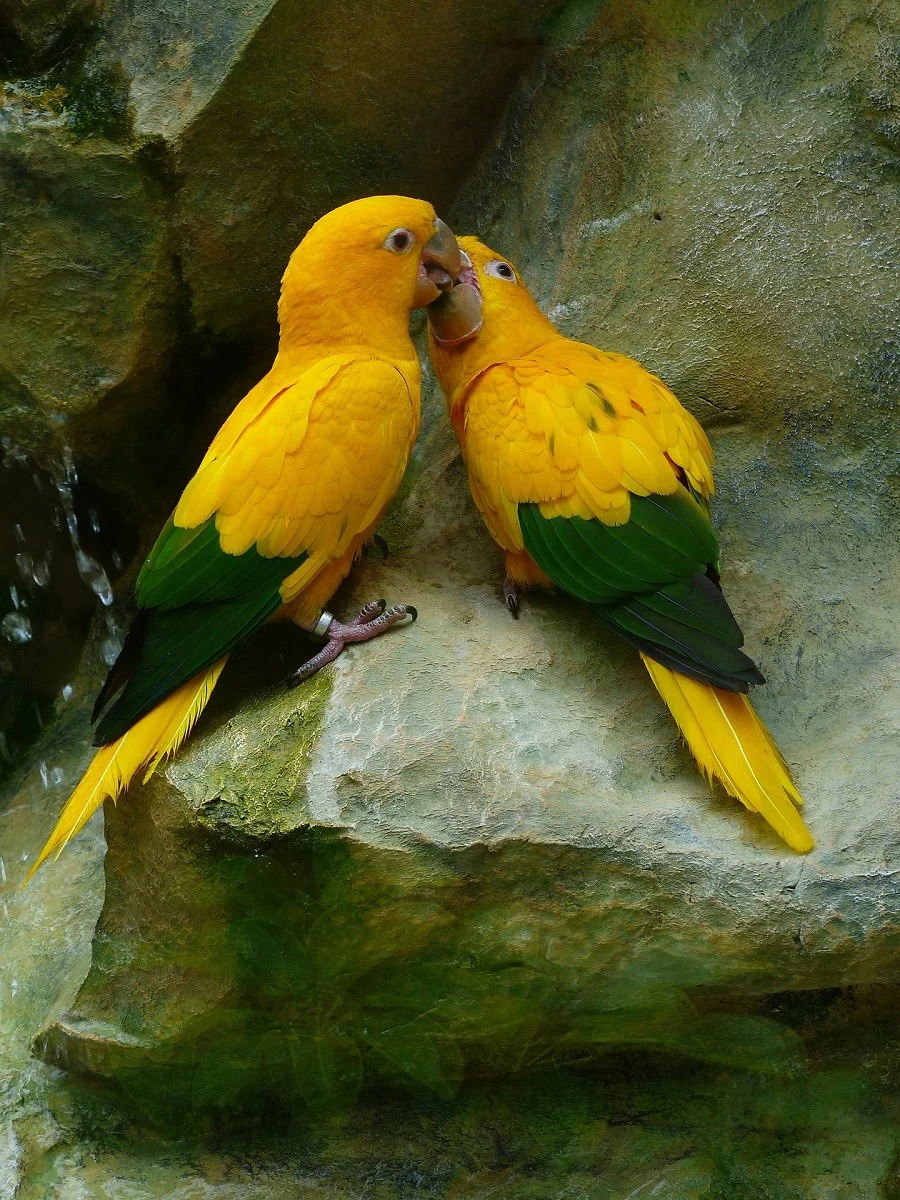
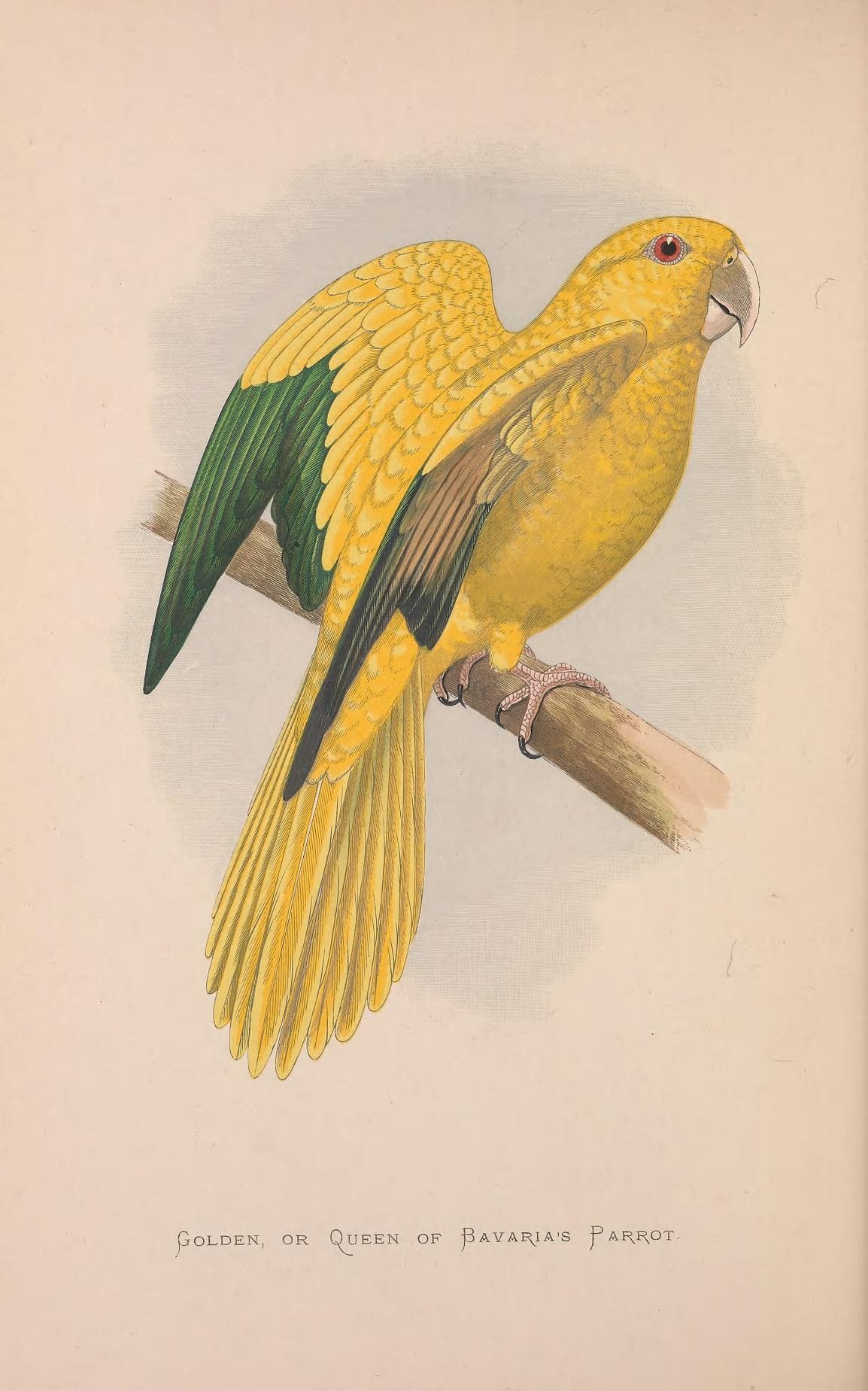
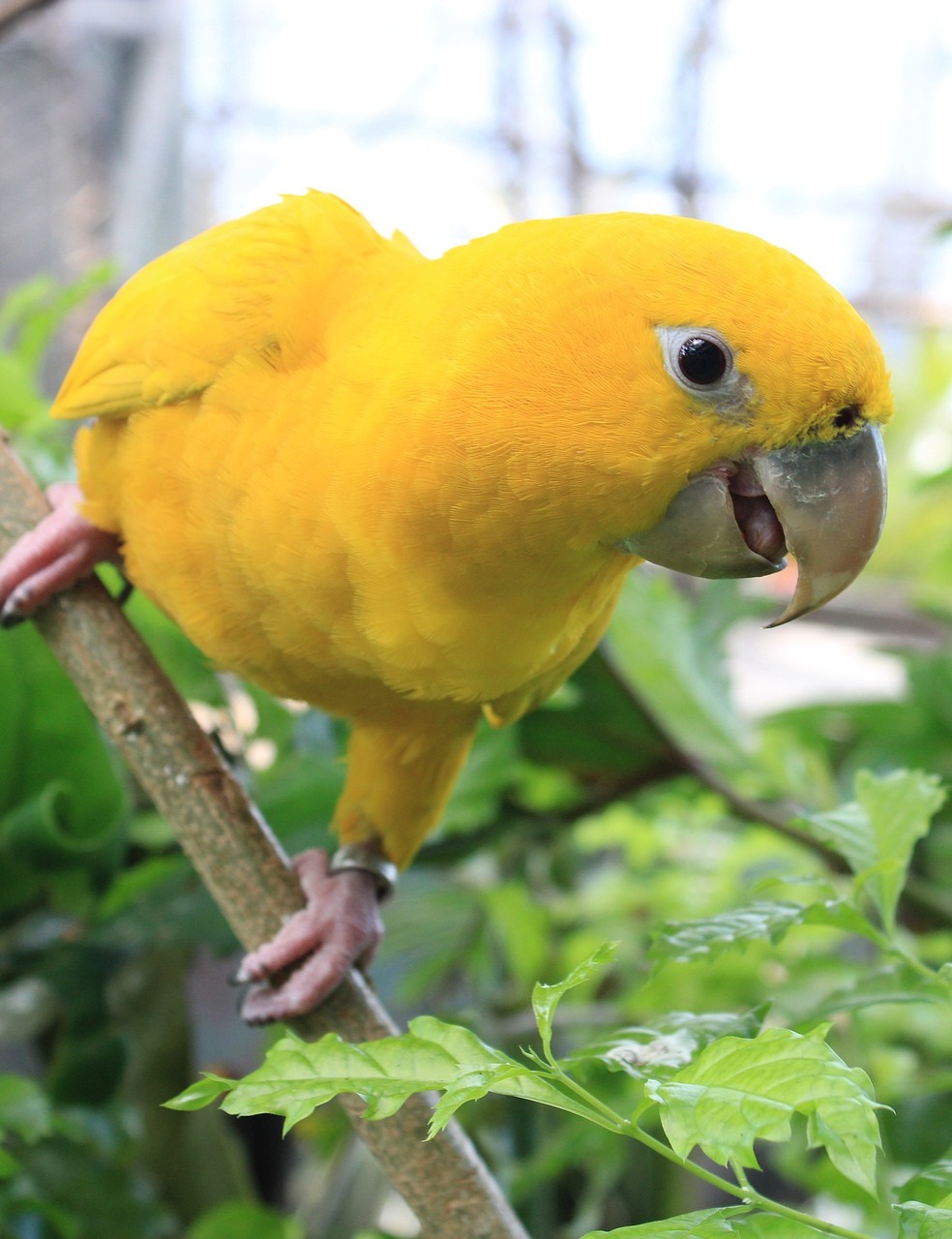
The Golden Conure, known scientifically as Guaruba guarouba and affectionately dubbed the "Queen of Bavaria" or "golden parakeet," stands as one of the most visually striking members of the Psittacidae family. Its resplendent, uniform golden plumage, accented by contrasting dark green wingtips in adults, makes it an undeniable spectacle. This medium-sized parrot, reaching up to 14 inches (35 cm) in length and averaging 250 grams, is a species of significant interest, both for its ecological role in the Brazilian Amazon Basin and its appeal in aviculture. With a potential lifespan of up to 30 years, understanding the multifaceted aspects of its biology, conservation status, and care requirements is crucial for both enthusiasts and conservationists.
A Journey Through Taxonomy: Unraveling the Golden Conure’s Scientific Identity
The scientific classification of parrots, particularly Neotropical species, has historically been a complex and evolving field, often leading to confusion among common names and even scientific designations. The Golden Conure exemplifies this taxonomic fluidity. Initially described under the genus Conurus, it subsequently transitioned through Eupsittula and then Aratinga. For many years, it was widely recognized as Aratinga guarouba. However, ongoing ornithological research, particularly through advanced phylogenetic studies, has refined our understanding of its evolutionary relationships.
In 2006, prominent ornithologist Joseph Forshaw, in his seminal work "Parrots of the World," formally recognized Guaruba guarouba as its valid scientific name, placing it in its own monotypic genus, Guaruba. This reclassification was not merely a cosmetic change but reflected a deeper understanding of its genetic distinctiveness. Phylogenetic analyses, such as those detailed in a 2006 article in Systematic Biology by Tavares et al., demonstrated that Guaruba is more closely related to red-shouldered macaws (genus Diopsittaca) than to the Aratinga conures with which it was previously grouped. This genetic divergence underscores the Golden Conure’s unique evolutionary path and its solitary position within its genus, a testament to its singular characteristics that set it apart from other conure species. This ongoing refinement of scientific nomenclature is critical for accurate conservation efforts and biological research, ensuring that resources and studies are directed appropriately, avoiding the pitfalls of outdated classifications.
The Golden Conure in its Natural Domain: Habitat, Ecology, and Social Dynamics
The natural range of the Golden Conure is restricted to a specific region within the Brazilian Amazon Basin, primarily in the state of Pará, with potential extensions into neighboring Maranhão. This geographical specificity highlights its vulnerability to localized habitat destruction. Within this vast ecosystem, Guaruba guarouba predominantly inhabits dry lowland forests, known as "terra firme" forests, which are not subject to seasonal flooding. However, observations indicate that they occasionally venture into "várzea" forests, which experience periodic inundation, demonstrating a degree of adaptability within their forested environment. The preference for terra firme forests suggests a reliance on specific tree species for food and nesting that thrive in these well-drained conditions.
These parrots are known for their nomadic tendencies, particularly outside the breeding season, moving across their habitat in search of food. During the breeding period, there is a documented shift in their habitat use, with birds often moving from dense jungle interiors to less dense, more open forested zones. This behavior is likely linked to optimal foraging opportunities and suitable nesting site availability. Golden Conures exhibit fascinating reproductive strategies, typically constructing nests in hollow trees, sometimes enlarging existing cavities previously utilized by other species. A distinctive characteristic of their breeding behavior is communal nesting, where multiple female Golden Conures may lay their eggs within the same nest. This can result in unusually large clutches, sometimes exceeding 10 eggs, a strategy that could offer benefits in terms of communal incubation, enhanced defense against predators, or more efficient resource sharing among the group, though the precise ecological advantages are still subjects of scientific inquiry. This cooperative breeding behavior is relatively rare among parrots and further distinguishes the species.
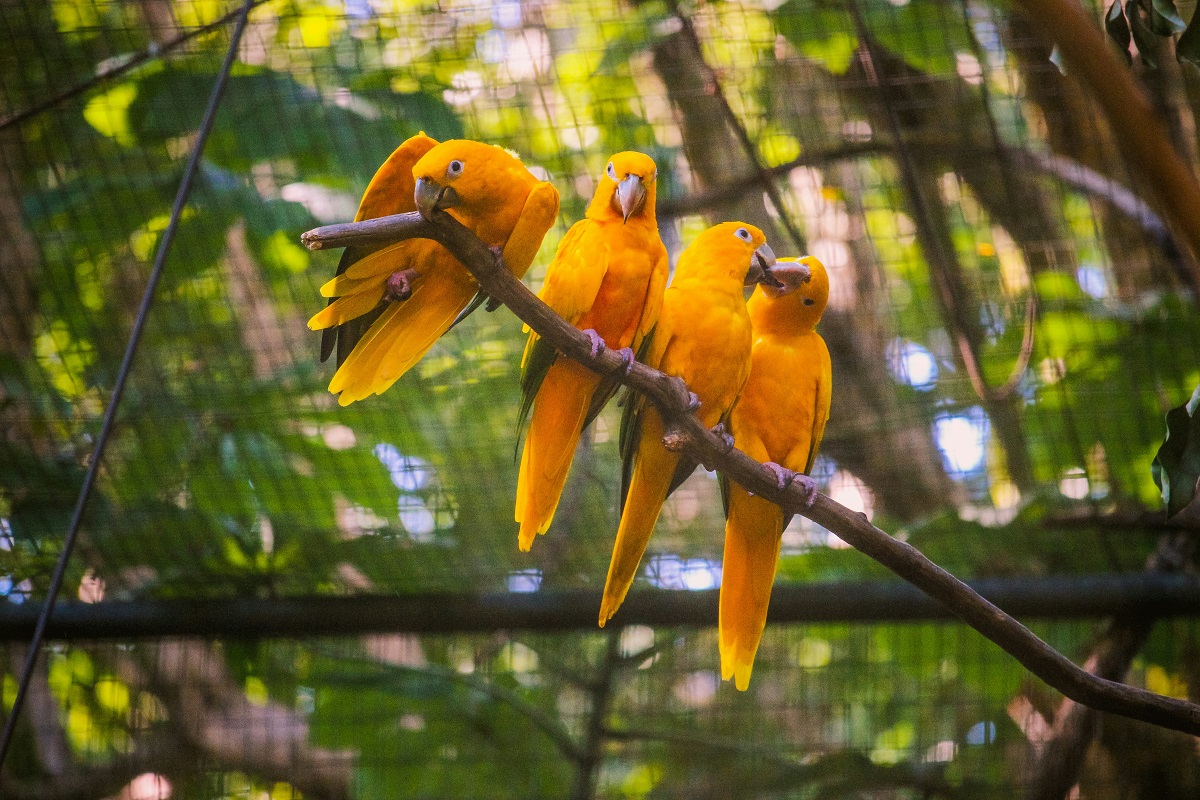
Their social structure in the wild is complex and highly cooperative. Golden Conures typically live in small family groups or flocks, which can merge into larger groups outside the breeding season. This gregarious nature is vital for their survival, providing enhanced vigilance against predators and facilitating efficient foraging across their nomadic range. Their calls, while energetic, serve as critical communication tools within these social units, aiding in cohesion and warning signals across the dense forest canopy.
A Vulnerable Status: Threats and Conservation Efforts
Unfortunately, the striking beauty and unique ecology of the Golden Conure have not shielded it from significant anthropogenic pressures. The International Union for Conservation of Nature (IUCN) Red List currently classifies Guaruba guarouba as a Vulnerable species, a designation reflecting a significant decline in its wild population. While historical trapping for the international pet trade was a major driver of this decline, international regulations and increased awareness have somewhat reduced this specific threat in recent decades. The Convention on International Trade in Endangered Species of Wild Fauna and Flora (CITES) lists the Golden Conure on Appendix I, providing the highest level of protection by prohibiting international commercial trade in wild-caught specimens. This strict regulation aims to prevent further depletion of wild populations due to trade.
However, the primary and most pervasive threat to the species today is extensive habitat loss and fragmentation within the Brazilian Amazon. The state of Pará, central to the Golden Conure’s range, has historically experienced some of the highest rates of deforestation in the Amazon, driven by agricultural expansion (particularly cattle ranching and soy cultivation), illegal logging, mining operations, and large-scale infrastructure development projects like hydroelectric dams and roads. These activities not only directly destroy critical forest habitat but also fragment remaining patches, isolating populations and reducing genetic diversity, which makes them more susceptible to disease and environmental changes.
Conservation efforts are multifaceted, involving both in situ (in the wild) and ex situ (in captivity) strategies. In situ efforts focus on the protection of existing forested areas within the Golden Conure’s range. This includes the establishment and effective management of protected areas, such as national forests and indigenous territories, which play a crucial role in safeguarding biodiversity. Organizations like the Brazilian Institute of Environment and Renewable Natural Resources (IBAMA) and local NGOs are actively involved in monitoring deforestation, combating illegal activities, and promoting sustainable land-use practices among local communities. Reforestation initiatives, though challenging on a large scale due to the vastness of the Amazon, also contribute to restoring fragmented habitats and creating ecological corridors.
Ex situ conservation programs, primarily through captive breeding in zoos and private aviaries, serve as crucial genetic reservoirs. These programs aim to maintain a healthy and genetically diverse population outside the wild, providing a safeguard against extinction and potentially offering individuals for future reintroduction efforts. However, reintroduction is a complex process, as evidenced by studies like that by Vilarta et al. (2024), which examined the feeding ecology of reintroduced Golden Parakeets, highlighting the challenges of adapting captive-bred birds to wild foraging behaviors and ensuring their long-term survival in an altered ecosystem. The success of such programs hinges on careful planning, habitat suitability, and post-release monitoring.
Beyond direct habitat destruction, the species also faces localized threats from human-wildlife conflict. Like many parrot species, Golden Conures are known to raid agricultural crops, particularly corn and mango plantations, which can lead to retaliatory actions from farmers. Addressing these conflicts through education, alternative crop protection methods, and promoting sustainable coexistence is an important aspect of comprehensive conservation, requiring engagement with local communities.
A Bird of Cultural Significance: The "Ararajuba"
The Golden Conure holds deep cultural significance for indigenous populations in Brazil, who refer to it as "Ararajuba," meaning "yellow macaw" or "yellow parrot." Historically, its brilliant golden feathers were highly prized for ceremonial regalia, adornments, and trade, long before the arrival of European colonists. This cultural value underscores a long-standing relationship between the bird and local communities, a connection that has, at times, also contributed to localized pressures through feather harvesting for traditional uses. Intriguingly, historical accounts, such as those documented by Helmut Sick in "Ornitologia Brasileira," even mention instances where other, less valuable conure species were dyed yellow to mimic the "Ararajuba" and sold for higher prices in local animal markets, illustrating the immense desirability and perceived value of its unique plumage. This cultural context provides an important background to understanding both historical and contemporary interactions between humans and this iconic species, highlighting its intrinsic value beyond its ecological role.
Life in Captivity: Considerations for Prospective Owners
For those considering adding a Golden Conure to their family, a thorough understanding of their needs is paramount. Their intelligence, social nature, and longevity demand a significant, long-term commitment.
Appearance and Identification: As previously noted, adult Golden Conures are almost entirely covered in a vivid golden-yellow plumage, with the exception of their dark green primary flight feathers. Juveniles, however, display more extensive green markings, particularly on their wings, and often speckled across their backs and heads. This difference in plumage allows for age estimation. Visually, there is no discernible difference between male and female Golden Conures; sex determination requires a DNA test, typically performed on a blood sample or feather, to confirm gender accurately.
Dietary Needs: Mimicking Nature: In the wild, Golden Conures consume a highly varied diet of fruits, flowers, buds, and occasionally crops. This dietary diversity is crucial for their health in captivity. The cornerstone of a captive Golden Conure’s diet should be high-quality, formulated parrot pellets. These pellets are designed to provide balanced nutrition and are generally lower in fat than traditional seed mixes, which can lead to nutritional deficiencies and obesity, common ailments in captive birds fed imbalanced diets.
Supplementing pellets with a wide array of fresh foods is essential. This includes a daily provision of various fruits (e.g., mango, papaya, berries, melon, apple – always remove seeds from apples as they contain cyanide), vegetables (e.g., leafy greens like kale and spinach, carrots, bell peppers, broccoli, sweet potato), and safe sprouts. Occasional treats can include small amounts of healthy seeds (e.g.,
