


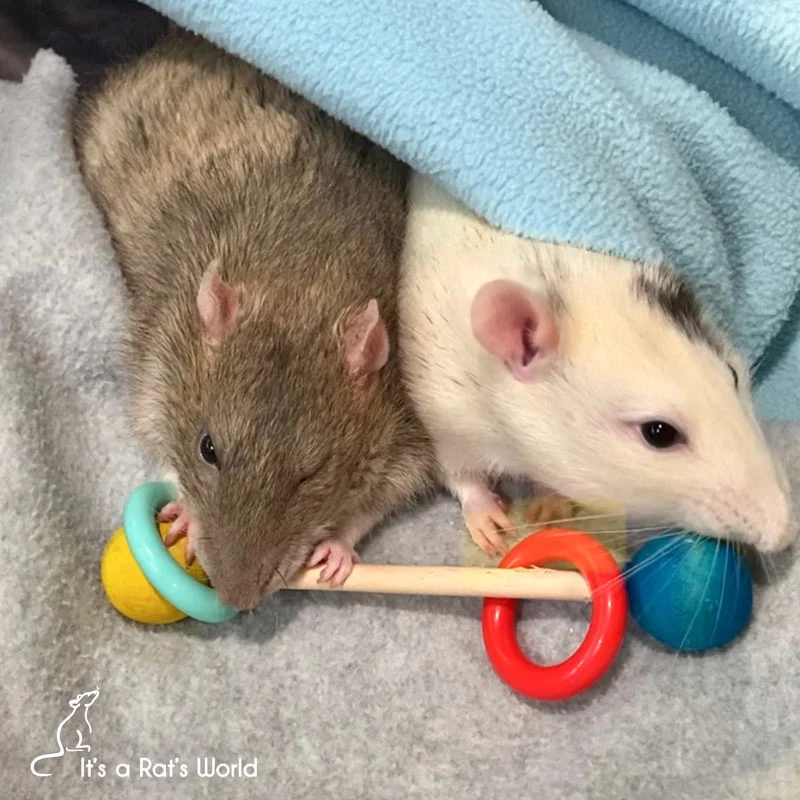
The notion of exercise has evolved significantly from its 1980s perception, primarily focused on aesthetics, to a more holistic understanding that encompasses both physical and mental health. This evolution in human fitness paradigms holds direct relevance for our companion animals, particularly pet rats, whose well-being is intrinsically linked to regular physical activity. Beyond simply preventing obesity, exercise for rats is a crucial component of a healthy and fulfilling life, impacting their bodily functions, disease resistance, and psychological state. This comprehensive exploration delves into the multifaceted benefits of exercise for pet rats and provides practical strategies for owners to ensure their furry companions remain active and engaged.
The Multifaceted Benefits of Exercise for Rats
Regular physical activity plays a pivotal role in maintaining a rat’s overall health. On a physiological level, exercise ensures that the rat’s body functions optimally, bolstering its immune system and enhancing its ability to combat diseases. A significant benefit is the delay or reduction of obesity, a condition that can have severe repercussions for a rat’s health. Excess body weight places undue strain on a rat’s joints and muscles, predisposing them to a range of ailments including hind leg degeneration, cardiovascular issues, diabetes, and the development of lipomas.
The prevalence of obesity in pet rats is a growing concern for veterinarians and owners alike. While precise statistical data on obesity rates in pet rats is not widely published, anecdotal evidence from rat rescue organizations and veterinary professionals suggests it is a common issue, particularly among less active or improperly fed individuals. This underscores the importance of proactive management of a rat’s diet and exercise regimen.

Beyond the physical, the mental and behavioral benefits of exercise are equally profound. A lack of adequate physical stimulation can lead to boredom, stress, and a decline in cognitive function. In rats, this can manifest as depression and a higher propensity for behavioral issues, especially considering that much of their lives are spent within the confines of a cage. Foraging behaviors, problem-solving through interactive toys, and exploration are all critical outlets for a rat’s natural intelligence and curiosity. When these needs are not met, rats can become listless, destructive, or even exhibit self-harming behaviors.
It is crucial to note that the recommendations within this article pertain to healthy, mobile rats. Rats experiencing mobility issues due to age-related degeneration, illness, or injury have distinct needs. Owners of such rats should consult with their veterinarian to develop a tailored exercise plan that accommodates their specific limitations and ensures their comfort and safety.
Facilitating Activity: Beyond the Gym Analogy
Unlike their wild counterparts, domesticated rats often exhibit a more sedentary lifestyle, necessitating active facilitation of movement by their owners. The concept of "exercise" for rats does not involve the rigorous routines or specialized equipment humans might associate with the term. Rats do not require rat-sized treadmills or weightlifting sessions. In fact, they do not even sweat, a biological difference that highlights their unique physiological needs. The core objective is to provide daily opportunities and motivation for them to engage their bodies and minds, moving them away from prolonged periods of inactivity.
This can be achieved through a variety of engaging activities that tap into their natural instincts. Exploration of new environments, interaction with novel toys and puzzles, participation in agility-style challenges, and even "tricking" them into physical exertion through food-motivated games are all effective strategies. The key is to make these activities enjoyable and mentally stimulating, transforming exercise into a natural and rewarding part of their daily lives.
Enhancing Cage Activity for Optimal Rat Well-being
To counteract the tendency for rats, particularly as they age, to become excessively sedentary, owners must provide more than just basic bedding and cage accessories. While multi-level cage designs offer some advantage by encouraging vertical movement, they are often insufficient on their own to maintain consistent activity levels. The introduction of specialized items that actively promote movement is essential.
Exercise Wheels: A Worthwhile Consideration
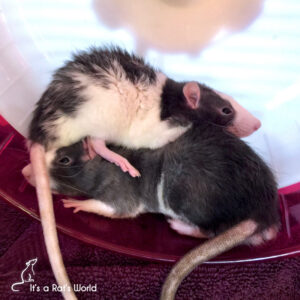
Exercise wheels can be a valuable addition to a rat’s environment, though their success varies among individual animals. Some rats enthusiastically utilize wheels for running, while others may opt to sleep in them. As a rat’s equivalent of a treadmill, the introduction of a wheel is generally advisable, provided it is safe and appropriately sized. When selecting a wheel, prioritize models constructed from solid materials, lacking bars or gaps that could ensnare a rat’s tail or feet. The Wodent Wheel and the Silent Spinner are frequently recommended for their safety features and durability. Newer brands may also be available, necessitating owner research into current market offerings.
The wheel must be sufficiently large to accommodate adult rats comfortably, typically an extra-large size. It should be securely fastened to the cage or possess a stable stand, ensuring there is no space between the wheel and the cage bars that could trap a rat’s head or other body parts. Introducing a wheel to young rats is often more effective, as adult rats, particularly males who may be prone to laziness, might simply repurpose it as a resting spot or ignore it altogether. Early exposure can help establish the wheel’s intended purpose as a means of exercise.
Interactive and Stimulating Cage Decor
Beyond wheels, a significant portion of a rat’s cage enrichment can come from interactive decor. This often involves a creative combination of commercially available pet items and repurposed household objects. These items can be transformed into climbing structures, bridges, tunnels, and dig boxes, all of which encourage exploration and physical engagement.

One approach involves modifying existing cage structures. For instance, a wooden bird perch can be affixed to the cage side to serve as a toilet paper holder, allowing rats to "redecorate" by shredding and manipulating the paper. Ramps can be removed or replaced with less direct routes, forcing rats to exert more effort to navigate their environment. These modifications are particularly beneficial for younger, more mobile rats, while older rats may require adjustments to ensure their safety and ease of access.
Encouraging Out-of-Cage Activity: The Thrill of Exploration
A change of scenery is a powerful motivator for getting rats moving. Their innate desire to explore, investigate new spaces, and interact with novel objects serves as a significant driver for activity when they are outside their cage.
Free-Ranging: Expanding Horizons Safely
Most rats relish the opportunity to roam freely outside their cage, even those that tend to be more placid. This does not necessitate providing them with unrestricted access to an entire house. Instead, owners can designate specific times and a securely rat-proofed room for free-ranging. During these sessions, providing items that encourage continuous activity is essential.
Many owners have successfully utilized a bathroom for free-ranging, setting up a variety of igloos, tubes, cardboard boxes, and other objects for climbing and exploration. Owners can also become part of the play experience, acting as a human jungle gym. A particularly amusing and engaging activity for rats is what has been termed "TPing," or interacting with toilet paper. This often involves rats climbing dispensers to shred and carry toilet paper, leading to extended periods of running, climbing, and problem-solving as they engage in this playful behavior. This activity, while seemingly chaotic, provides significant physical and mental stimulation.

For owners considering free-ranging, thorough research into safe practices and potential hazards is paramount. Ensuring the designated area is free from electrical cords, toxic plants, and small objects that could be ingested is critical. Understanding the pros and cons of free-ranging and implementing appropriate safety measures is detailed in dedicated resources for pet rat owners.
Playpens and Designated Play Areas: Controlled Exploration
A designated play area, whether a commercially available playpen or a custom-built enclosure, serves as a safe and confined space for rats to expend energy. This is analogous to a schoolyard recess, offering a controlled environment for active engagement. While some store-bought playpens may prove escapable for determined rats, creative DIY solutions can offer more robust containment.
The effectiveness of a play area in promoting exercise is largely dependent on its contents. To prevent lethargy, the area should be equipped with a variety of stimulating items. Pet puzzle toys and dig boxes are excellent choices, as they not only encourage physical movement but also provide crucial mental stimulation. Items that facilitate climbing and in-and-out play, such as igloos, tubes, or a floor-standing wheel, are also highly beneficial. Ingenuity can be applied by utilizing everyday objects, such as a small desktop trash can filled with shredded paper, tissue, and cardboard, which can become a source of entertainment and activity as rats empty and relocate the contents.
To maintain sustained interest, a rotation of toys and accessories is recommended. Offering a variety of items but not all at once, and changing them out on a weekly or bi-weekly basis, ensures novelty and continued engagement. Custom-built play areas can be designed to double as "rat gyms," incorporating elements like balance beams made from thinner plastic piping and tunnels constructed from larger pipes, connecting different sections of the play structure.
Engaging with Toys and Agility Courses
Direct play with rats using safe pet toys can be a highly effective way to encourage exercise. Rolling cat toys can be chased, and wand-style toys with feathers or dangling objects can elicit enthusiastic predatory and playful responses from rats, who often enjoy "attacking" these items.
For owners seeking a more ambitious challenge, setting up an agility course for their rats can provide both significant exercise and a rewarding training experience. Online resources and dedicated social media accounts showcase innovative agility course designs, demonstrating how rats can navigate tunnels, ramps, and obstacles, often while learning new tricks. This form of enrichment combines physical exertion with cognitive challenges, promoting a high level of engagement.
Tricking Rats into Activity Through Food and Foraging
As rats mature, their activity levels naturally tend to decrease, a phenomenon observed in many species, including humans. Male rats, in particular, can become notably less active, especially if neutered. While this can be perceived as a charming trait, it necessitates creative strategies to maintain their physical health. Food-motivated activities are a powerful tool for encouraging exercise, even in the most hammock-inclined rats.
Making Them Work for Their Sustenance
Employing specialized feeding methods can transform mealtime into an exercise opportunity. Instead of a standard food bowl placed on the cage floor, consider using food crocks, foraging wheels, or treat dispensers. These require more effort from the rat to access their food. For instance, attaching a food crock to the side of the cage a few inches above the floor compels the rat to stand and stretch for each bite. Foraging wheels and treat dispensers demand even greater time and effort to extract food, thereby increasing physical activity.
The Joy of "Pea Fishing"
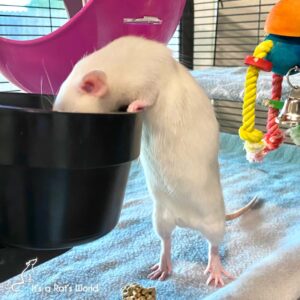
A simple yet highly effective activity is "pea fishing." This requires a heavy, stable food container, water, and frozen peas. Rats exhibit a remarkable enthusiasm for "fishing" peas out of the water. Even if initially hesitant, they quickly become adept at retrieving the peas, often engaging in a playful competition if multiple rats are present, which further increases their exertion as they vie for their treats. This activity is not only fun but also burns calories while providing a novel sensory experience.
Understanding Individual Differences: Genetics and Health
It is a common misconception that a rat’s weight is solely determined by its exercise level. Personal observations and veterinary experiences indicate that this is not always the case. Some rats that are genetically predisposed to a larger frame may be overweight despite significant activity, and conversely, some active rats may still be lean. Diet plays a crucial role, but genetic factors can significantly influence a rat’s metabolism and tendency to gain weight.
For owners concerned about their rat’s weight or overall health, consulting a veterinarian is highly recommended. A veterinarian can assess whether the weight issue stems from a health condition, a dietary imbalance, or if a more structured exercise plan is necessary. By understanding the unique needs and predispositions of each rat, owners can provide the best possible care to ensure a long, healthy, and active life for their beloved companions. Incorporating a variety of exercise methods throughout the day will significantly contribute to their overall well-being.
