


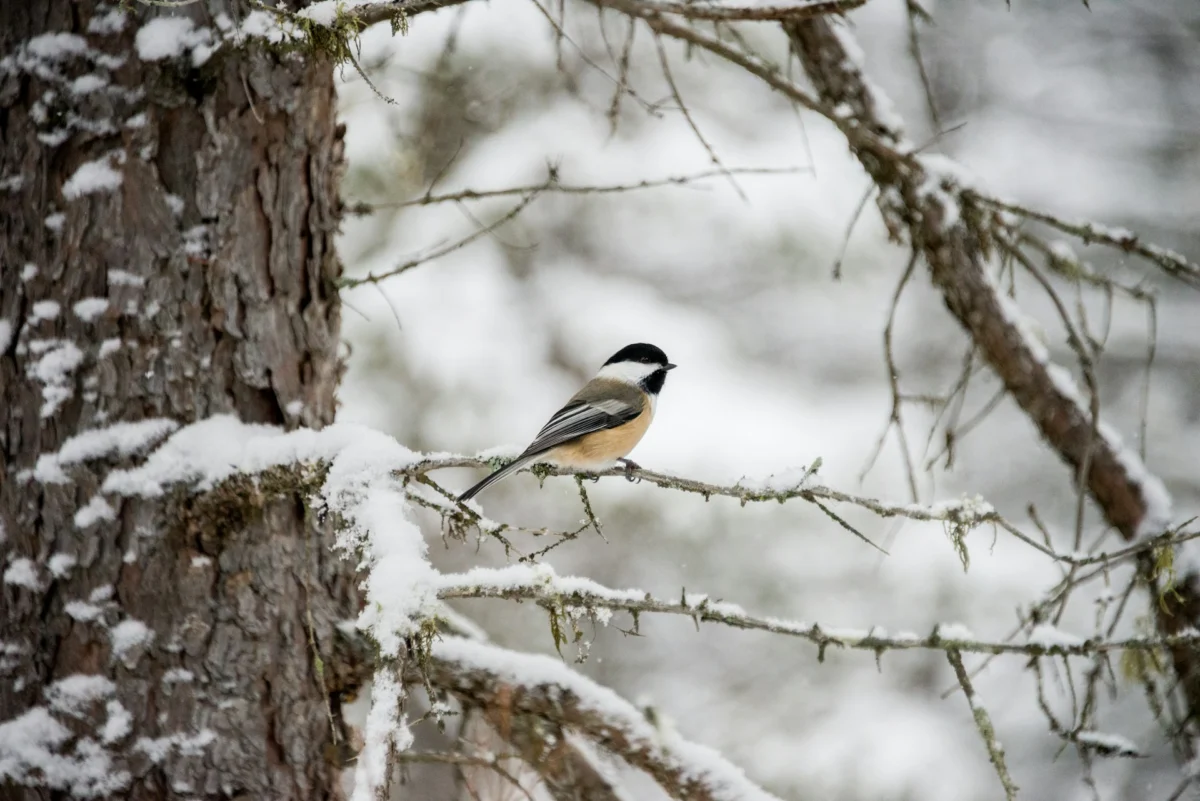
The countryside, often perceived as hushed and dormant during winter, reveals a profound beauty when nature is stripped back to its essentials. As leaves fall and the earth thins its cover, birds emerge with a newfound visibility and audibility, often offering more profound insights than at any other time of year. The Christmas season, in particular, provides a rare gift: unhurried daylight, a contemplative atmosphere, and the precious space needed to notice the subtle wonders that might otherwise be overlooked. This is not a pursuit of the rarest avian species, but rather an invitation to seek out those brief, memorable moments of connection with the natural world, moments that feel intrinsically linked to the spirit of winter and the festive period.

This guide offers twelve distinct birdwatching experiences, each a potential highlight for anyone embracing the season, whether from the comfort of a kitchen window, during a crisp morning stroll, or amidst the quiet pauses between holiday celebrations. These are not about ticking off checklists of elusive birds, but about cultivating a deeper appreciation for the familiar and the surprising inhabitants of our winter landscapes.
1. The Steadfast Robin: A Winter Companion
Few birds are as intrinsically linked with the imagery of Christmas as the European Robin (Erithacus rubecula). However, their behaviour in winter diverges significantly from their more territorial, spring counterparts. Robins become notably bolder and more approachable during the colder months. They exhibit a curious proximity to human activity, often appearing mere feet away as one tends a garden, walks along woodland paths, or pauses near a hedgerow. This boldness is not an expression of festive friendliness, but rather a testament to the fierce territoriality driven by winter’s scarcity. With food resources diminishing, robins vigorously defend their feeding grounds, and this defence can extend to humans who inadvertently disturb hidden invertebrates. This behaviour, observed globally in areas where robins are resident, underscores their adaptability and resilience in the face of environmental challenges.

2. Dawn Chorus of Geese: An Ancient Overture
One of winter’s most evocative soundscapes unfolds before many are awake. On cold, crisp mornings, vast skeins of geese, which can include species such as Pink-footed Geese (Anser brachyrhynchus), Greylag Geese (Anser anser), or Greater White-fronted Geese (Anser albifrons) depending on geographic location, lift from their nocturnal roosts. They ascend into the pale, pre-dawn sky, often forming purposeful V-shaped formations. Their resonant calls carry far in the still air, echoing across fields and estuaries, transforming the first light of day into an ancient and stirring symphony. The migration patterns of these species are well-documented, with many undertaking extensive journeys from Arctic breeding grounds to overwinter in milder climes. The return of these large flocks is a significant ecological event, often signifying the deep onset of winter.
3. The Ethereal Flight of the Barn Owl
Embodying the profound stillness of winter perhaps more perfectly than any other bird, the Barn Owl (Tyto alba) is a creature of twilight and silence. As daylight wanes, their pale, heart-shaped faces and ghostly white forms become visible over frost-rimmed fields. They quarter the landscape with a low, slow, and almost spectral precision, their flight nearly silent due to specialized feather adaptations. Winter’s reduced vegetation offers a clearer view of their prey – typically voles and other small mammals. The owl’s unhurried, deliberate flight appears to suspend time itself, offering a moment of profound connection to the wildness that persists even in the most cultivated landscapes. The conservation status of barn owls is a subject of ongoing concern in many regions, with habitat loss and intensive agriculture posing significant threats, making their sightings even more precious.

4. Redwings in the Rowan: A Flash of Festive Color
For many, the true arrival of winter, and indeed the unofficial start of the Christmas birdwatching season, is marked by the appearance of Redwings (Turdus iliacus). These migratory thrushes inject dynamism and sound into otherwise tranquil landscapes. They descend suddenly upon berry-laden trees, particularly rowan trees, before erupting into flight at the slightest disturbance. Their presence is often fleeting; they feast on available berries and then move on, repeating this cycle as resources dictate. Their high, thin "seep" calls are among the most evocative sounds of the season, a subtle yet unmistakable auditory cue of winter’s avian visitors. Redwings are one of the most numerous of the thrushes that visit the UK and northern Europe in winter, often forming large flocks that can number in the hundreds. Fieldfares (Turdus pilaris) are frequently observed alongside them, contributing to the lively spectacle.
Key Observations for Redwings:

- Appearance: Look for sudden flurries of thrushes in fruiting trees.
- Habitat: Commonly found in parks, churchyards, gardens, and hedgerows.
- Companion Species: Pay attention to Fieldfares, which often accompany Redwings, offering an opportunity to observe interspecies flocking behaviour.
5. The Kingfisher’s Jewel-like Flash
Against winter’s muted palette, the iridescent colours of a Kingfisher (Alcedo atthis) appear almost surreal. That electric flash of turquoise and cobalt blue becomes even more striking when contrasted with bare branches, dark, still water, and the often-grey skies of the season. Cold weather can be advantageous for Kingfisher sightings, as it concentrates birds along unfrozen streams and rivers. This makes winter one of the most opportune times to spot a perched Kingfisher, provided patience and a keen eye are employed. Their territorial nature means they often maintain a perch for extended periods, waiting for an opportune moment to dive for fish.
Tips for Spotting Kingfishers:

- Look For: Perched birds on low branches or man-made structures directly overhanging water.
- Preferred Locations: Streams, canals, and shaded stretches of rivers are prime habitats.
- Observation Strategy: Adopt a strategy of stopping and scanning quietly rather than moving rapidly, which can easily startle these wary birds.
6. Long-Tailed Tits: Living Ornaments of the Hedgerow
A winter hedgerow truly comes alive with the arrival of Long-tailed Tits (Aegithalos caudatus). These small, energetic birds travel in small family groups, constantly communicating with soft, excited contact calls as they meticulously forage inch by inch through the branches. They are quintessentially birds of togetherness, with family units often remaining bonded throughout the winter months. Watching their coordinated movements and delicate interactions feels particularly fitting during the Christmas period, evoking a sense of community and shared purpose. Their appearance, often described as like tiny, animated baubles, adds a whimsical touch to the stark winter landscape.
Engaging with Long-Tailed Tits:

- Visual Cues: Look for a rolling wave of tiny movement through dense vegetation.
- Auditory Clues: Listen for their gentle, high-pitched "tsip-tsip-tsip" calls, which act as an invisible thread connecting the flock.
- Bonus Encounters: Be aware that mixed flocks are common, and these foraging parties may also include other small woodland birds such as Goldcrests (Regulus regulus) and Treecreepers (Certhia familiaris), providing a richer birdwatching experience.
7. The Stealthy Woodcock: A Surprise of the Dusk
The Woodcock (Scolopax rusticola) is renowned as one of Britain’s most secretive winter visitors, and the Christmas season offers some of the best opportunities for a chance encounter. These birds are masters of camouflage, blending seamlessly with leaf litter and undergrowth. A dusk walk along woodland edges or through damp, sheltered areas may suddenly trigger an explosive flush, the bird zigzagging away on whirring wings, leaving the observer with a racing heart and a sense of awe. Their crepuscular (active at dawn and dusk) habits make these times the most likely for observation, especially as they move to and from feeding grounds.
Maximizing Woodcock Encounters:

- Detection: Look for sudden, low eruptions from leaf litter, often when disturbed underfoot.
- Optimal Timing: Dusk is the most productive period for spotting Woodcock as they become active.
- Seasonal Significance: Winter sees the highest numbers of Woodcock present in their typical habitats, increasing the probability of sightings.
8. Starlings in Murmuration: A Symphony of the Sky
The spectacle of starling murmurations is winter theatre at its finest. As daylight begins to fade, thousands of starlings converge and twist in unison above their roosting sites. They form vast, ever-shifting shapes against the twilight sky, a breathtaking display of aerial choreography before they drop en masse into reeds, buildings, or other sheltered locations. The intensity and size of these murmurations are often amplified during colder weather, making Christmas one of the most reliable times to witness this extraordinary natural phenomenon. The precise reasons for such synchronized behaviour are still debated by ornithologists, with theories ranging from predator deterrence to information sharing about food sources.
Experiencing a Starling Murmuration:

- Observation: Look for gathering flocks in the late afternoon as dusk approaches.
- Locations: Murmurations can occur over reedbeds, farmland, and even within urban and suburban areas.
- Viewing Advice: Arrive early to secure a good vantage point, and be patient. The spectacle often builds gradually, with smaller groups coalescing into larger formations.
9. Goldfinches at the Feeder: Festive Flocks
Goldfinches (Carduelis carduelis) are often taken for granted as common garden birds, but their behaviour in winter reveals a highly sociable nature. Small, lively flocks gather at bird feeders, their constant, tinkling calls creating a cheerful and persistent soundtrack to the winter garden. Their distinctive red faces and bright yellow wing bars lend a particularly festive appearance, standing out vividly against the stark backdrop of frost and bare branches. The increase in garden visits during winter is a direct response to natural food sources becoming scarcer, making supplementary feeding a vital lifeline for many bird populations.
Attracting and Observing Goldfinches:

- Visuals: Observe busy, vocal feeding groups at feeders.
- Preferred Food: Nyjer seed and sunflower hearts are particularly attractive to Goldfinches.
- Seasonal Advantage: Cold snaps during the Christmas period often lead to an increased number of Goldfinches visiting gardens as they seek reliable food sources.
10. The Grey Wagtail: A Splash of Yellow by the Water
Despite its name, the Grey Wagtail (Motacilla cinerea) brings a surprising and vibrant splash of colour to winter riverbanks and streams. Their bright yellow underparts gleam as they bob energetically along weirs and fast-flowing water, often found in urban settings where the water remains ice-free. Their constant tail-wagging is a distinctive characteristic, making them relatively easy to spot once their presence is noted. They are adept at foraging for aquatic insects and small invertebrates, which remain accessible even in colder conditions.
Finding Grey Wagtails:

- Key Behaviour: Look for their characteristic constant tail-wagging motion near flowing water.
- Habitats: Mills, bridges, weirs, and other areas with fast-moving water are prime locations.
- Observational Tip: Pay close attention to shaded sections of waterways, as these can be favoured spots for foraging.
11. The Sparrowhawk’s Moment of Stillness
Few avian encounters can sharpen winter birdwatching quite like the appearance of a Sparrowhawk (Accipiter nisus). One moment, a garden feeder might be a scene of bustling activity; the next, everything freezes, or erupts into a panicked scattering. Winter brings these agile predators closer to gardens and other populated areas as their prey congregates around supplementary food sources. The sparrowhawk’s sudden appearances are brief, thrilling, and unforgettable, representing a potent reminder of the intricate predator-prey relationships that define wild ecosystems. Their hunting success rate is relatively low, necessitating frequent attempts, which increases the chance of observation.
Witnessing a Sparrowhawk:

- Detection: Look for fast, low flight through cover or across open spaces.
- Signs of Presence: Sudden alarm calls from smaller birds or a complete silence at feeders are strong indicators.
- The Moment: While fleeting, the visual impact and the sudden shift in atmosphere are profound.
12. The Christmas Walk Bird: The Joy of Presence
Every Christmas walk, whether through a familiar park, a woodland trail, or along a coastal path, seems to hold the potential for a special birding encounter – a species that might not have been noticed on an ordinary day. This could be the clear call of a Mistle Thrush (Turdus viscivorus) from a bare tree, the striking form of a Bullfinch (Pyrrhula pyrrhula) perched in a hedgerow, or the subtle presence of a Brambling (Fringilla montifringilla) amongst a flock of Chaffinches (Fringilla coelebs). The significance lies not in the rarity of the bird, but in its very presence and the opportunity it provides for a moment of connection. Christmas, with its gift of time, allows us to pause, observe, and appreciate the subtle changes and enduring life that persist through the winter months. This enhanced awareness fundamentally alters what we see and how we perceive the natural world around us.
