

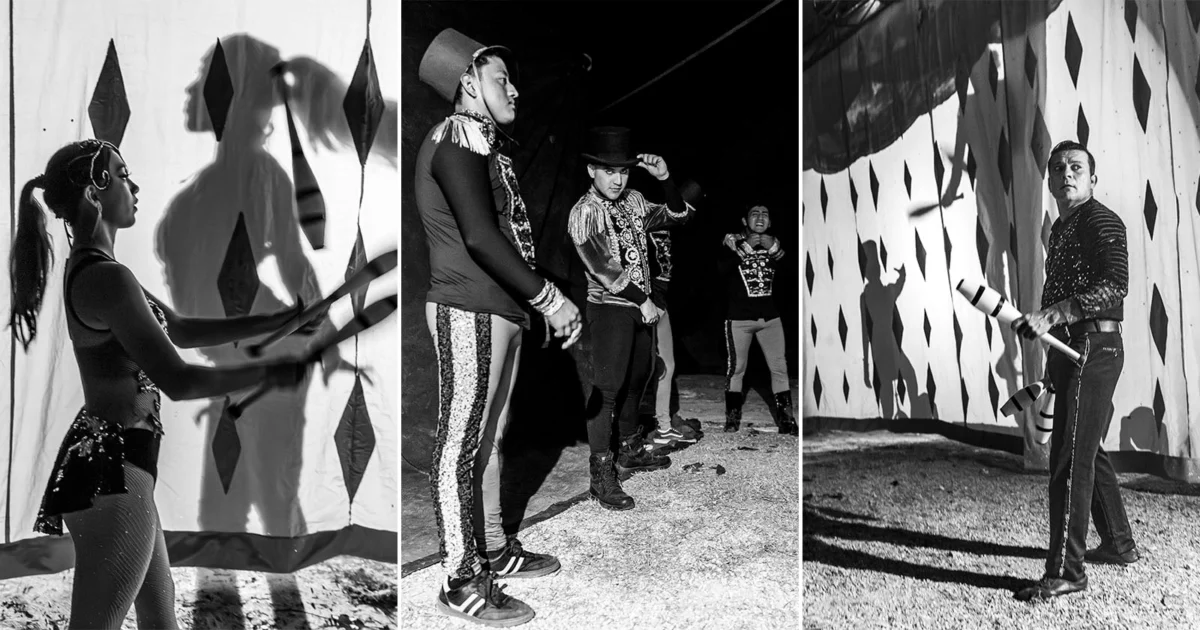
The intersection of technical mastery and environmental unpredictability remains one of the most significant challenges in contemporary documentary photography. While the camera is often perceived as an instrument of authority—a tool capable of imposing order upon chaos—the reality of field work frequently dictates a different narrative. Photographer David M. M. Taffet, an official photographer for the Dirección de Identidad y Cultura in Mérida, México, recently documented this tension through an intensive study of a traveling Mexican circus. His findings, supported by historical precedents and photographic theory, suggest that the medium is less an act of deliberate creation and more a rigorous exercise in the mathematics of chance.
The Case Study: Five Nights at the Mexican Circus
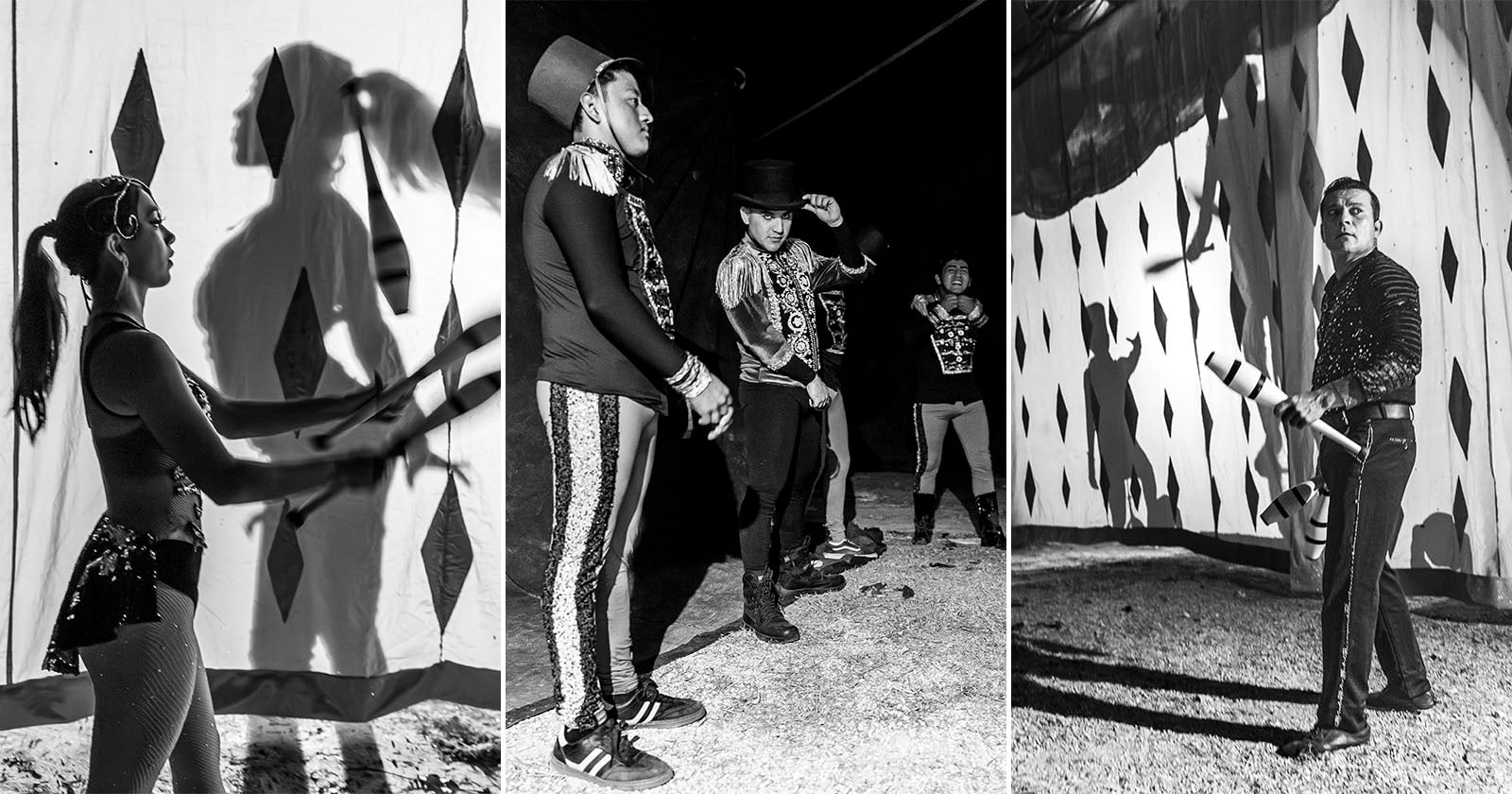
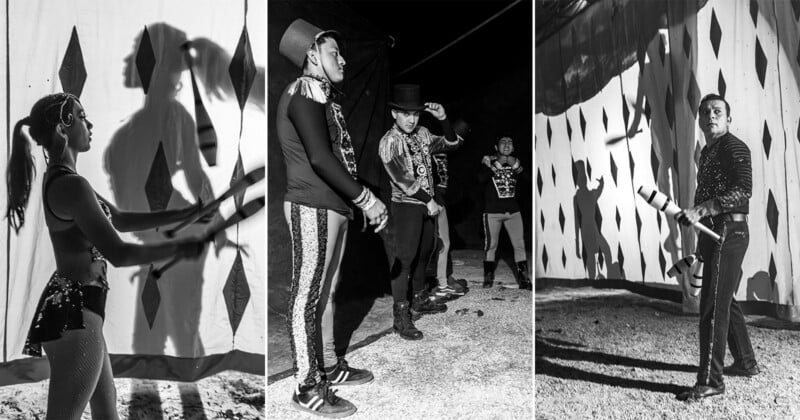
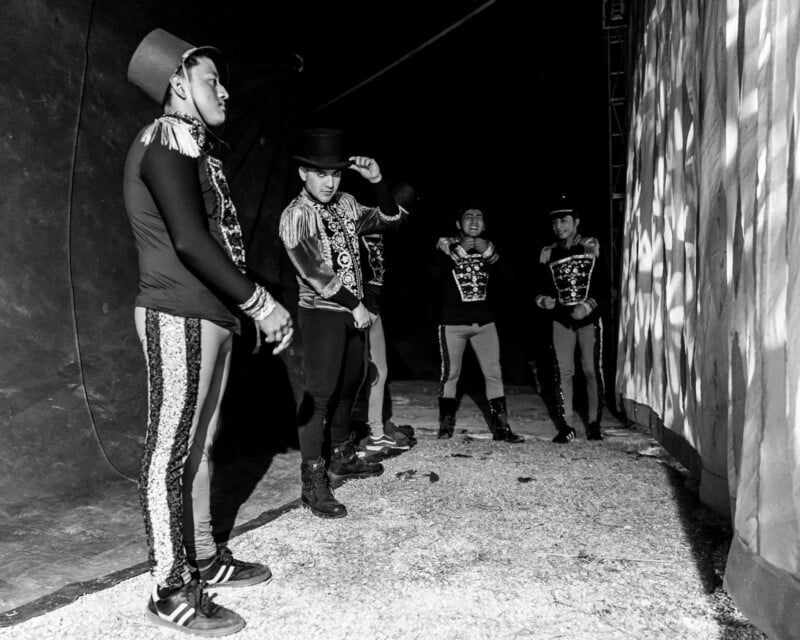
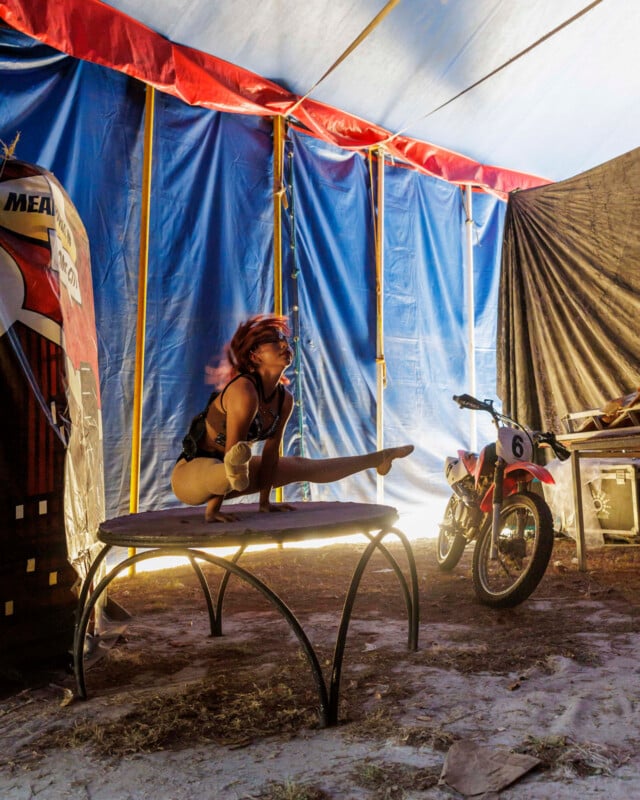
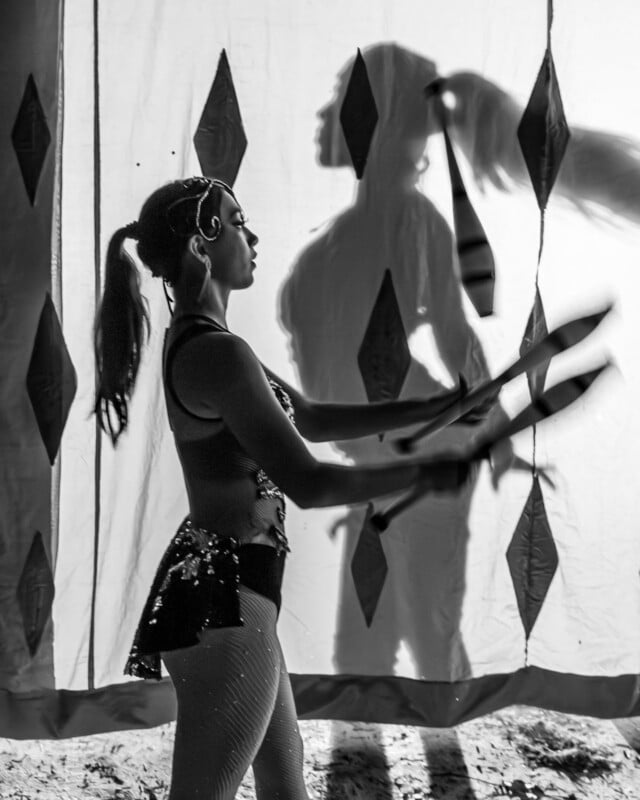
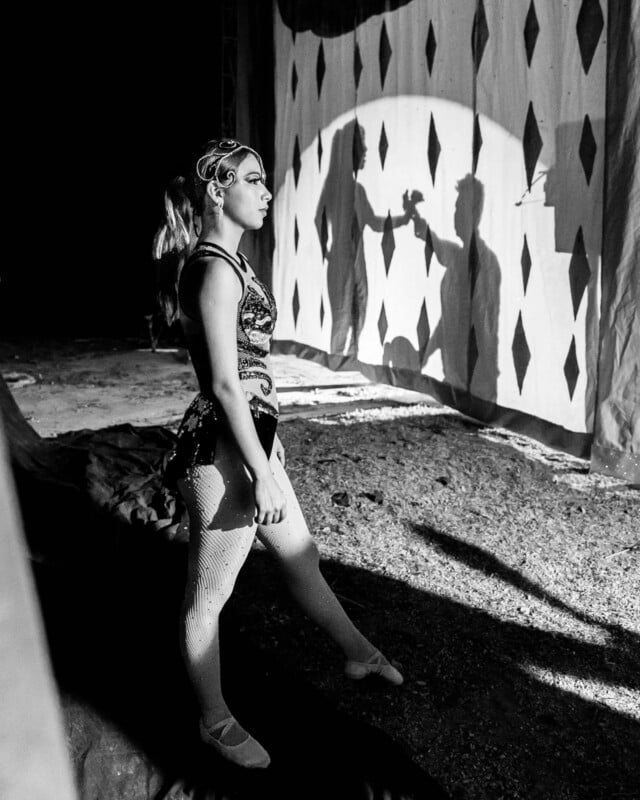
The tradition of the traveling circus in Mexico, often referred to as "carpas," provides a uniquely volatile environment for documentary photographers. These settings are characterized by fluctuating light, rapid movement, and a lack of architectural consistency. Taffet’s engagement with a specific troupe over five shows serves as a modern benchmark for the "hit rate" reality of the profession.
A Chronology of Environmental and Technical Obstacles
The five-day shoot revealed a series of cascading challenges that highlight the fragility of the photographic process in unscripted spaces:
- Night One: Technical Calibration Errors. During the initial session, an accidental adjustment to the exposure compensation settings resulted in the loss of significant shadow detail. In high-contrast environments like a circus tent, where deep blacks and bright spotlights coexist, such errors are often irrecoverable, rendering the majority of the session’s output unusable.
- Night Two: Infrastructure Failure. The volatility of the field was further emphasized when a power outage struck the fairgrounds. The total loss of artificial light forced an immediate cessation of work, demonstrating the photographer’s total dependence on external infrastructure.
- Night Three: The Alignment of Variables. On the third day, spanning both an afternoon and evening performance, the "mathematics of chance" favored the photographer. Optimal lighting, performer chemistry, and technical precision aligned to produce a set of frames that met professional standards.
- The Final Night: Personnel and Spatial Shifts. The circus relocated to a smaller venue, which lacked the aesthetic depth of the previous site. Furthermore, the departure of lead performers for another engagement altered the troupe’s internal dynamics. Despite three hours of intensive effort and the capture of nearly 1,000 frames, only three images were deemed successful—a hit rate of 0.3%.
This chronology illustrates a fundamental truth in documentary photography: the "forager" must accept a high probability of failure as the baseline for their practice.
The Statistical Reality of the "Hit Rate"
The frustration experienced by modern photographers is not a new phenomenon but is rooted in the history of the medium. The transition from film to digital has increased the volume of captures, but it has not necessarily increased the frequency of "masterpieces."
The Winogrand Archive and the Volume of Failure
Garry Winogrand, a central figure in 20th-century street photography, provides the most compelling data set for this discussion. At the time of his death in 1984, Winogrand left behind an immense archive:
- 2,500 rolls of unprocessed film.
- 6,500 rolls of developed but unproofed film.
- Approximately 300,000 unedited exposures.
John Szarkowski, the former Director of Photography at the Museum of Modern Art (MoMA), observed that toward the end of Winogrand’s career, his camera had essentially become a machine that "shot blanks." The sheer volume of his output suggested a total surrender to probability—shooting not to "capture" a moment, but to see how the world looked when filtered through the lens. This "spray and pray" methodology, while often criticized, highlights the extreme ratio of failure required to produce a singular, enduring image in an uncontrolled setting.
The Philosophical Divide: Construction vs. Foraging
The photographic community has historically been divided between those who seek to control the environment and those who choose to forage within it.
The Rise of "Cinematography" in Photography
Artists like Jeff Wall and Philip-Lorca diCorcia represent a pivot away from the unpredictability of the street. Frustrated by the "marks of indifference" inherent in documentary work, Jeff Wall transitioned to a style he calls "cinematography." This involves:
- Constructing elaborate, custom-built sets.
- Hiring professional actors and technicians.
- Controlling environmental variables such as weather and lighting.
By adopting the authorial control of a painter or film director, Wall eliminated the "accident" from his work. Similarly, Philip-Lorca diCorcia’s Heads series involved rigging high-powered strobe lights to scaffolding in Times Square. This allowed him to impose studio-quality lighting on random pedestrians, effectively "controlling the uncontrollable."
The Forager’s Mandate
In contrast, the documentary tradition—as championed by Henri Cartier-Bresson and later analyzed by Janet Malcolm—embraces the "found object." Malcolm argued that the photographer’s most vital piece of equipment is not the lens, but the accident. This perspective aligns with Surrealist principles, where the artist acts as a conduit for the unexpected rather than a master of the scene.
Taffet’s "foraging" philosophy posits that while the photographer controls the "exposure triangle" (aperture, shutter speed, and ISO) and the framing, they remain a captive to the spontaneity of their subjects. To expect absolute control in such an environment is characterized not as mastery, but as a form of professional delusion.
Analytical Implications: The Aristotelian Framework of Courage
The act of pursuing photography in chaotic environments can be analyzed through the lens of Aristotelian ethics. In Nicomachean Ethics, Aristotle distinguishes between "rashness" and "courage." A photographer who enters a volatile situation without understanding the risks is merely rash. However, true courage involves acknowledging the high probability of failure, technical defeat, and environmental frustration, yet choosing to proceed because the objective—the pursuit of an authentic, unscripted moment—is deemed noble.
The "Drunkard’s Search" Paradox
The psychological concept of the "Drunkard’s Search" provides a useful metaphor for the industry’s current state. The joke involves a man looking for his keys under a streetlight, not because he lost them there, but because "the light is better."
The studio environment is the photographic equivalent of that streetlight: safe, predictable, and perfectly illuminated. The documentary photographer, however, chooses the "dark alley." They acknowledge that while the "keys" (the perfect frame) are much harder to find in the dark, the resulting image possesses a raw, unvarnished quality that cannot be manufactured under the safe glow of a controlled lamp.
Broader Impact on Modern Media and Ethics
The debate over authorial control has significant implications for the ethics of modern photography. As AI-generated imagery and highly manipulated "composite" photos become more prevalent, the value of the "foraged" image increases.
Restoring Humanity to the Lens
The insistence on foraging over hunting or constructing is seen by many, including Taffet, as a way to restore humanity to the medium. By accepting the "mathematics of chance," the photographer enters into a partnership with reality rather than a conquest of it. This approach demands:
- Tenacity: The willingness to sift through thousands of failures to find a single success.
- Humility: The acknowledgment that the environment is the primary director of the scene.
- Endurance: The mental fortitude to return to the field after a total loss of output.
Conclusion
The reality of documentary photography, as evidenced by Taffet’s circus project and the historical archives of figures like Winogrand, is one of managed failure. The "illusion of authority" projected by the camera is frequently shattered by the collapses of geometry, light, and human chemistry in the physical world.
While the "cinematographic" approach of artists like Jeff Wall offers a path to perfection through control, the documentary tradition remains rooted in the "dark alley." It is a discipline that requires the mastery of the instrument, an acceptance of impossible odds, and the Aristotelian courage to seek serendipity in the face of certain chaos. In a world increasingly defined by digital manipulation, the "foraged" image—won from the dirt floors of a traveling circus or the unpredictable bustle of a city street—remains the most authentic record of the human experience.
