


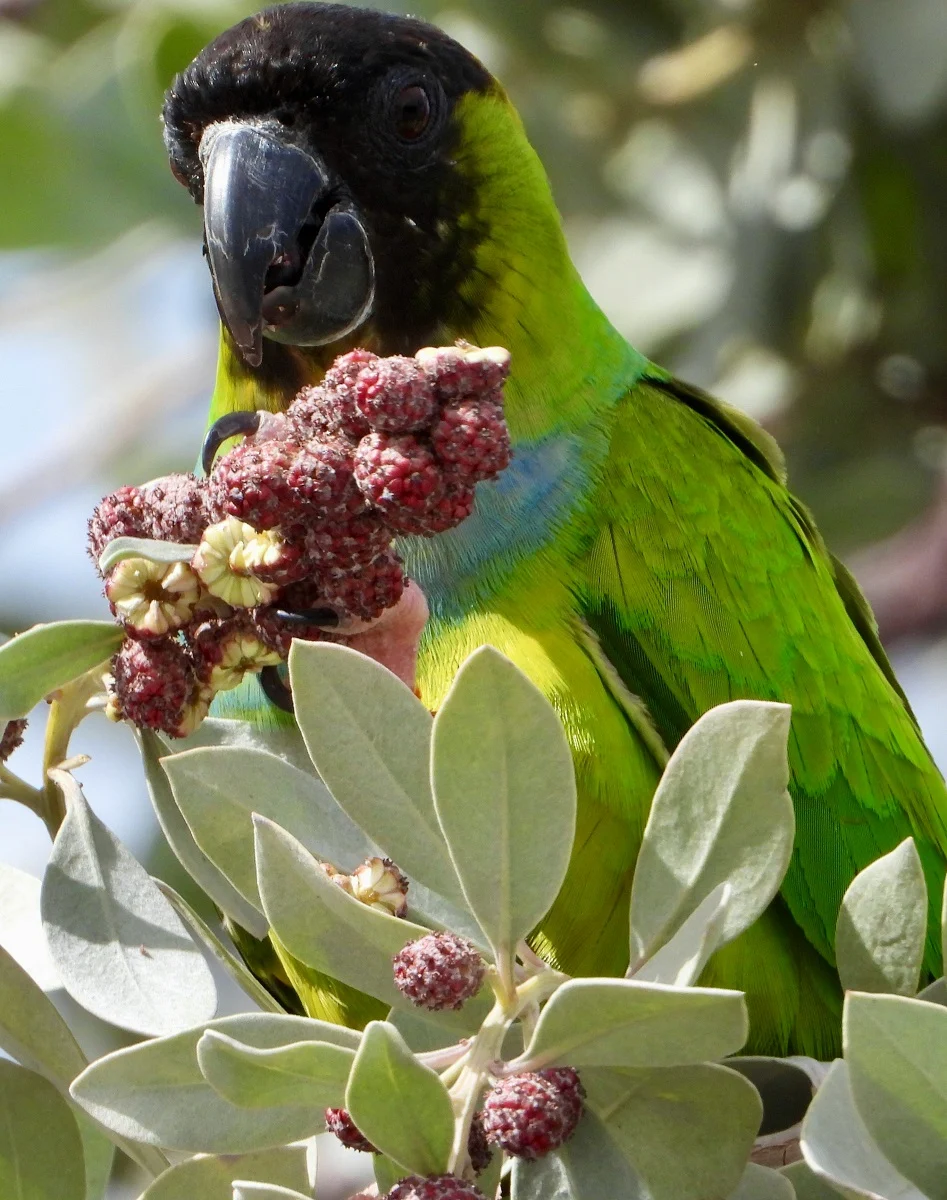
The Nanday Conure (Aratinga nenday), also widely known as the black-hooded conure, stands as a vibrant and engaging parrot species originating from the open lowlands of central South America. Renowned for its striking appearance and lively personality, this medium-sized avian companion offers immense joy to its human counterparts, but it comes with a significant caveat: an exceptionally high tolerance for noise is not merely recommended but essential for potential owners. These friendly and playful birds can become cherished family members for up to three decades, a testament to the long-term commitment they require. Understanding their natural history, unique physiological needs, and behavioral patterns is paramount for anyone considering welcoming one of these boisterous parrots into their home. This comprehensive guide explores everything from their scientific lineage and ecological footprint to the intricate details of their diet, housing, enrichment, and the definitive characteristic that sets them apart: their remarkable vocalizations.
Scientific Identity and Evolutionary Context
Originally classified under its own genus, Nandayus nenday, the Nanday Conure underwent a significant taxonomic revision following genetic studies published in 2004. Research by Ribas and Miyaki in Molecular Phylogenetics and Evolution concluded that the species did not warrant a separate genus and was subsequently reclassified into Aratinga. This places it alongside closely related and well-known species such as the Sun Conure (Aratinga solstitialis) and Jenday Conure (Aratinga jandaya). This reclassification reflects a deeper understanding of avian phylogeny, emphasizing shared evolutionary traits and genetic markers that bind these species together within the broader parrot family. The Aratinga genus is generally characterized by its members being medium-sized, often brightly colored, and, notably, frequently possessing robust vocal abilities. This scientific shift provides crucial context for understanding the Nanday Conure’s biological characteristics and its position within the broader parrot family tree, highlighting shared behaviors and requirements with its newly recognized kin.
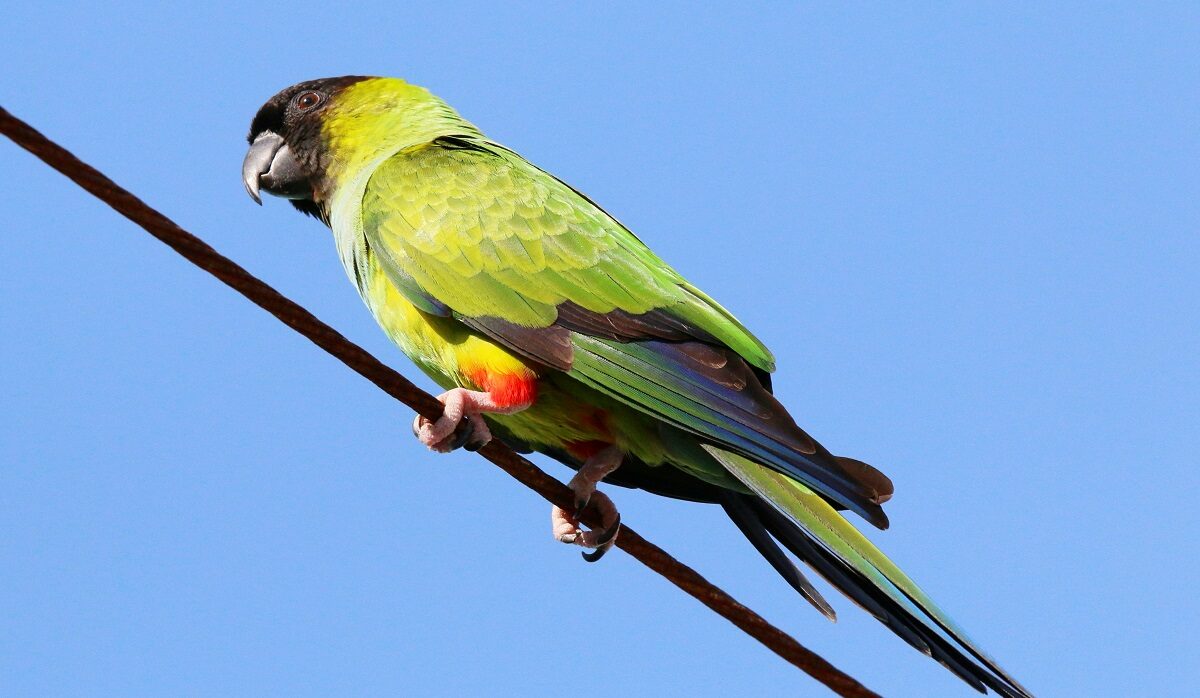
Distinctive Appearance
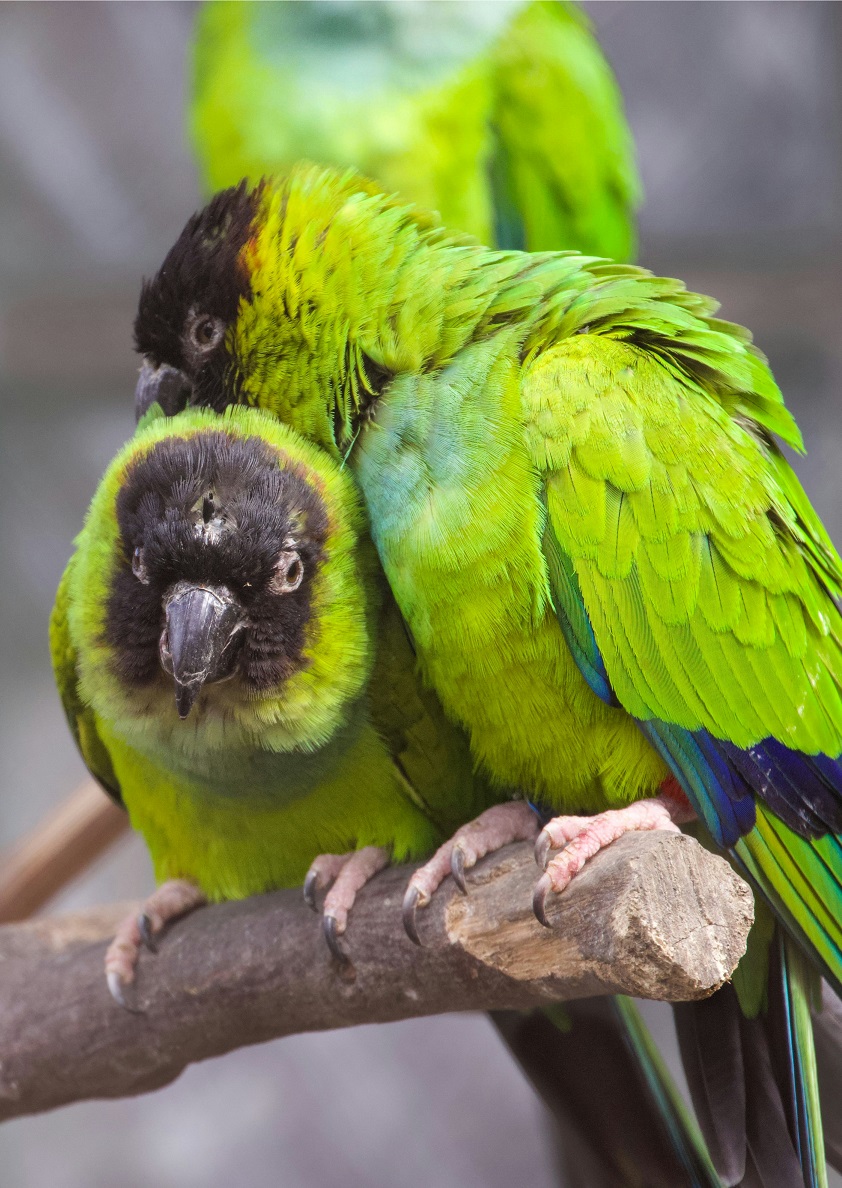
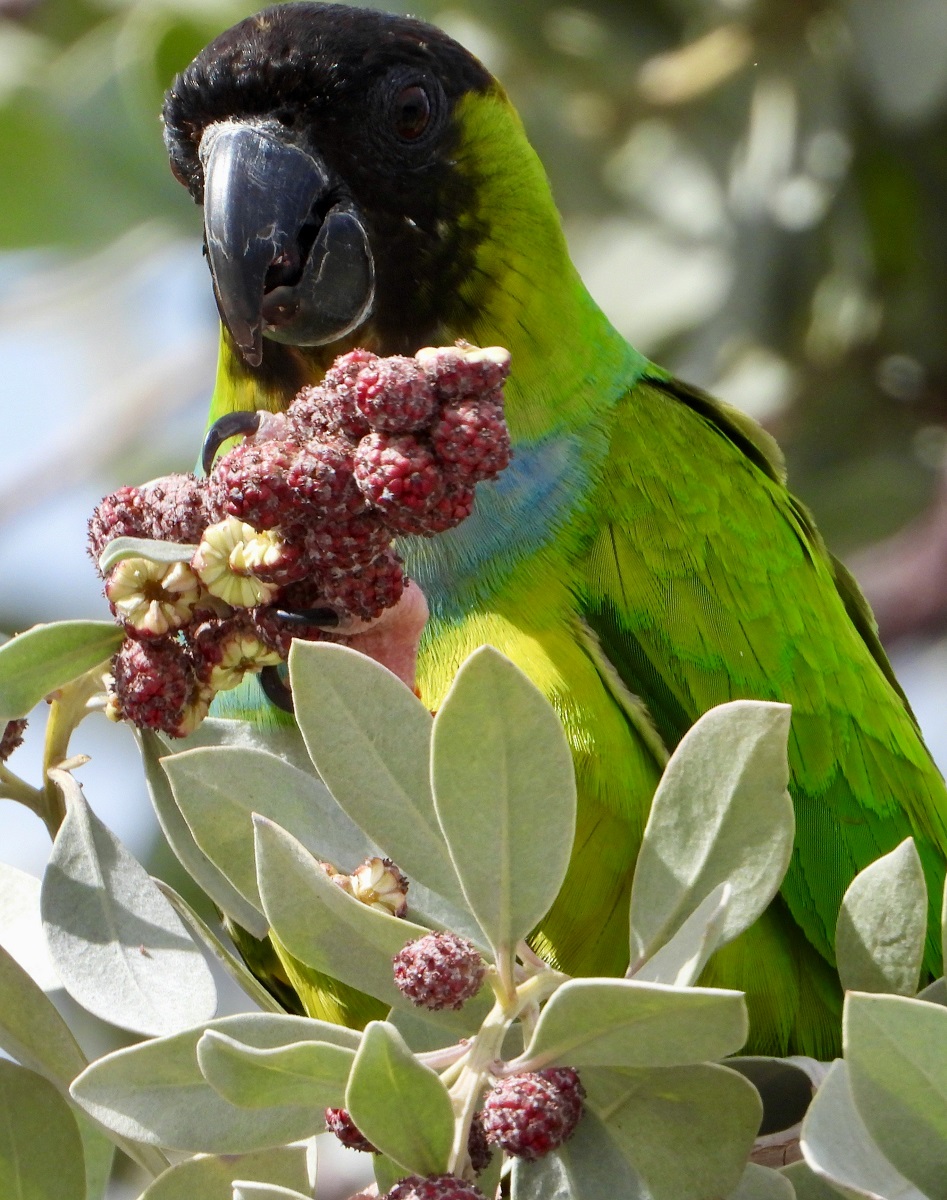
The Nanday Conure’s most defining visual characteristic, and the origin of its common name, is its striking, velvety black head, which creates a dramatic contrast with its otherwise vivid plumage. This distinctive "hood" extends from the beak across the entire head and down to the nape of the neck, often subtly framed by a scattering of brown feathers that blend into the green body. The beak itself is black, complementing the hood, while prominent white eye rings provide a sharp outline to its intelligent, dark eyes. The majority of its body is cloaked in a brilliant emerald green, transitioning to a softer blue-green on the chest feathers. A flash of bright red adorns its thighs, adding another splash of color that becomes particularly noticeable during flight or when the bird stretches. As a small to medium-sized parrot, an adult Nanday Conure typically measures up to 12 inches (30 cm) in length and weighs up to 140 grams. Unlike many other avian species, Nanday Conures exhibit no significant sexual dimorphism, meaning males and females appear visually identical, requiring genetic testing or surgical sexing for definitive identification. This lack of external differentiation means that potential owners rely on genetic or behavioral cues to discern sex, rather than plumage.
Natural Range and Ecological Adaptability
The natural habitat of the Nanday Conure stretches across a narrow, elongated band in central South America. Its range encompasses southern Brazil, eastern Bolivia, northern Argentina, and extends prominently through the heart of Paraguay. Within these regions, Aratinga nenday thrives in open lowlands, typically found at altitudes up to approximately 2,600 feet (800 meters). Their preferred habitats are remarkably adaptable, often observed in areas that were once dense forests but have been converted into cattle pastures or agricultural lands. These landscapes are typically dotted with various palm species, such as Copernicia, which the conures utilize extensively for nesting, roosting, and foraging. They can be found in diverse environments ranging from swampy wetlands to relatively dry savannas and open woodlands, showcasing their resilience and ability to exploit various ecological niches.
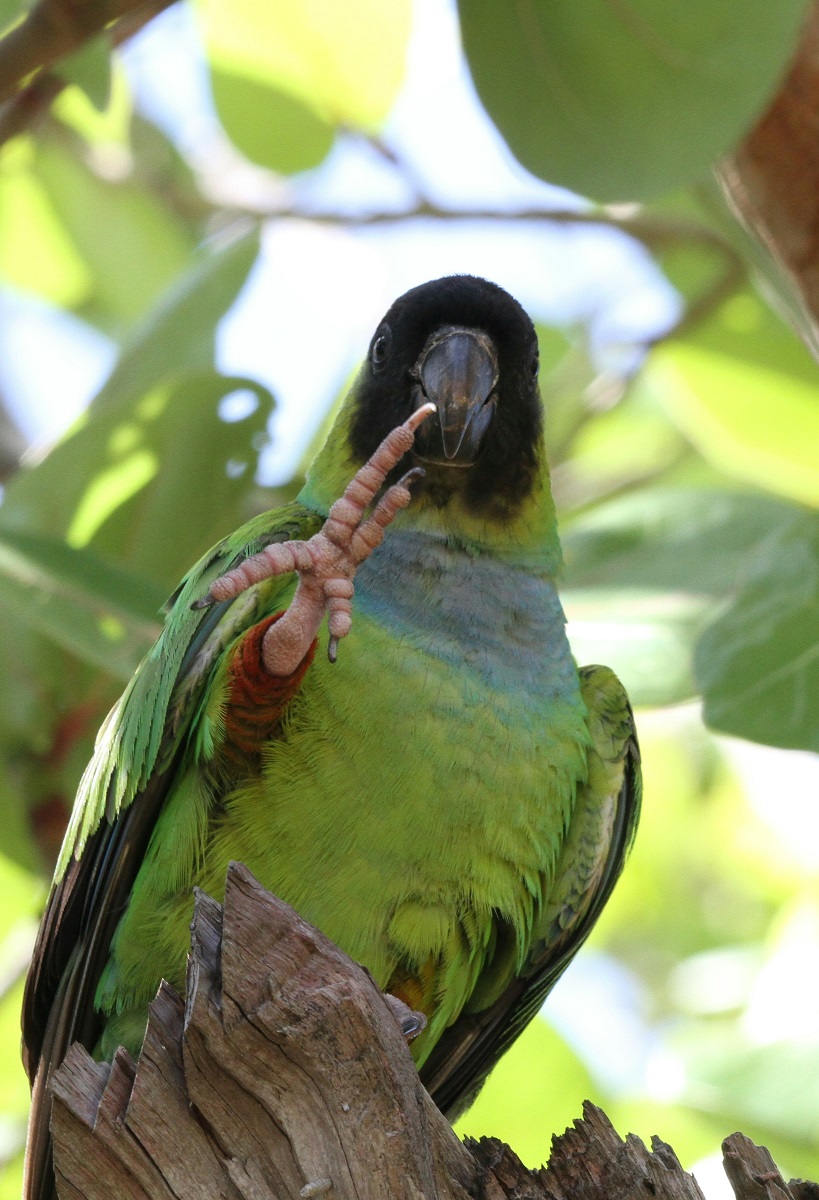
The International Union for Conservation of Nature (IUCN) Red List currently classifies Aratinga nenday as a species of "Least Concern." This favorable conservation status is particularly noteworthy because, unlike many other parrot species facing habitat loss, the wild population size of the Nanday Conure appears to be increasing. This phenomenon is largely attributed to human-induced habitat changes; the conversion of forests into pastures and agricultural areas inadvertently creates more open spaces and palm-rich environments that favor the Nanday Conure, providing new foraging grounds and abundant nesting opportunities. While this adaptability has secured their wild populations for now, it also underscores how human activities can dramatically alter species distribution and abundance, sometimes with unforeseen ecological consequences that may impact other, less adaptable species.
The Double-Edged Sword: Invasive Populations
While flourishing in its native South American range, the Nanday Conure has also become a prominent invasive species in several non-native regions across the globe. Released or escaped pet birds have demonstrated a remarkable ability to establish self-sustaining wild populations in urban and suburban environments. Notable examples include thriving flocks in areas like Spain, various parts of California, and Florida. A 2019 study by Uehling, Tallant, and Pruett-Jones, published in the Journal of Ornithology, identified the Nanday Conure as one of the top three most successful naturalized parrot species in the United States, highlighting the scale and impact of this ecological phenomenon.
The presence of invasive parrot populations raises significant ecological concerns. These non-native birds can compete directly with indigenous wildlife for vital resources such as food, water, and nesting sites, potentially displacing native bird species. For example, they may outcompete native cavity-nesting birds for tree hollows. Furthermore, they can act as vectors for diseases, introducing pathogens that may harm local avian populations or even spread to domestic poultry. They may also cause damage to agricultural crops or urban infrastructure, leading to economic losses and nuisance complaints. Management efforts for invasive parrot populations often involve monitoring, trapping, and, in some cases, culling, underscoring the complex challenges posed by introduced species and the critical importance of responsible pet ownership to prevent further introductions into non-native ecosystems.
Dietary Habits: From Wild Forager to Captive Care
In their natural South American habitats, Nanday Conures exhibit a highly varied and opportunistic diet. Their primary food sources include wild fruits, particularly those from Copernicia palms, which are abundant in their range. They also forage on a wide array of seeds, berries, flowers, and flower buds, showcasing their adaptability as generalist feeders. A fascinating aspect of their wild diet, highlighted by a 2002 study by Ragusa-Netto in the Brazilian Journal of Biology, reveals their role as pollinators for specific plant species, such as the vibrant Erythrina dominguezii tree. By consuming nectar from its flowers, the conures inadvertently transfer pollen, contributing to the tree’s reproductive cycle. Like many other South American parrot species, Nanday Conures are also known to visit clay licks, where they consume soil. This behavior, known as geophagy, is believed to aid in obtaining essential micronutrients and neutralizing natural toxins present in some of the plants they consume, demonstrating an innate biological mechanism for dietary self-regulation and detoxification.
For Nanday Conures in captivity, a carefully managed diet is crucial for ensuring their long-term health and vitality. Avian veterinarians, including experts like Dr. Daisy from Psittacology, universally advocate for a base diet of high-quality, formulated parrot pellets. This recommendation stems from the understanding that traditional seed mixes, while seemingly appealing to birds, are often deficient in essential vitamins and minerals and excessively high in fats, leading to malnutrition, obesity, and related health issues over time. Pellets provide a balanced nutritional foundation, which should then be supplemented with a rich variety of fresh fruits and vegetables. Parrot-safe options include leafy greens (kale, spinach, romaine), apples (without seeds), berries, grapes, bell peppers, broccoli, carrots, and sweet potatoes. These fresh foods offer essential vitamins, antioxidants, and fiber, contributing significantly to their overall health. In moderation, sprouted seeds, cooked whole grains such as pasta and brown rice, and even small pieces of cooked lean protein like boiled egg can be offered as treats or supplemental nutrients, adding further diversity and enrichment to their diet. Hydration is equally important, necessitating constant access to clean, fresh water, ideally in multiple dishes to encourage drinking and bathing. Understanding the specific dietary needs and identifying potential toxins is vital, making continuous education on parrot nutrition an ongoing responsibility for owners.
Creating a Thriving Environment: Housing and Safety
Providing an appropriate living space is fundamental to the well-being of a Nanday Conure. While daily out-of-cage time for exercise and interaction is crucial, their primary enclosure must be adequately sized to allow for natural behaviors such as flying, climbing, and stretching. For owners able to provide it, a full
