

A groundbreaking scientific study has revealed a stark reality for rescued wildlife: returning animals to their natural habitats does not always guarantee a successful reintegration. In a significant number of cases, animals that have spent time in captivity face severe risks upon release, transforming what should be a sanctuary into what researchers are describing as a "death trap." This critical finding, published in the esteemed journal Global Ecology and Conservation, challenges long-held assumptions about wildlife rehabilitation and calls for a fundamental re-evaluation of release protocols, particularly for highly territorial species.
The Unexpected Dangers of Reintroduction
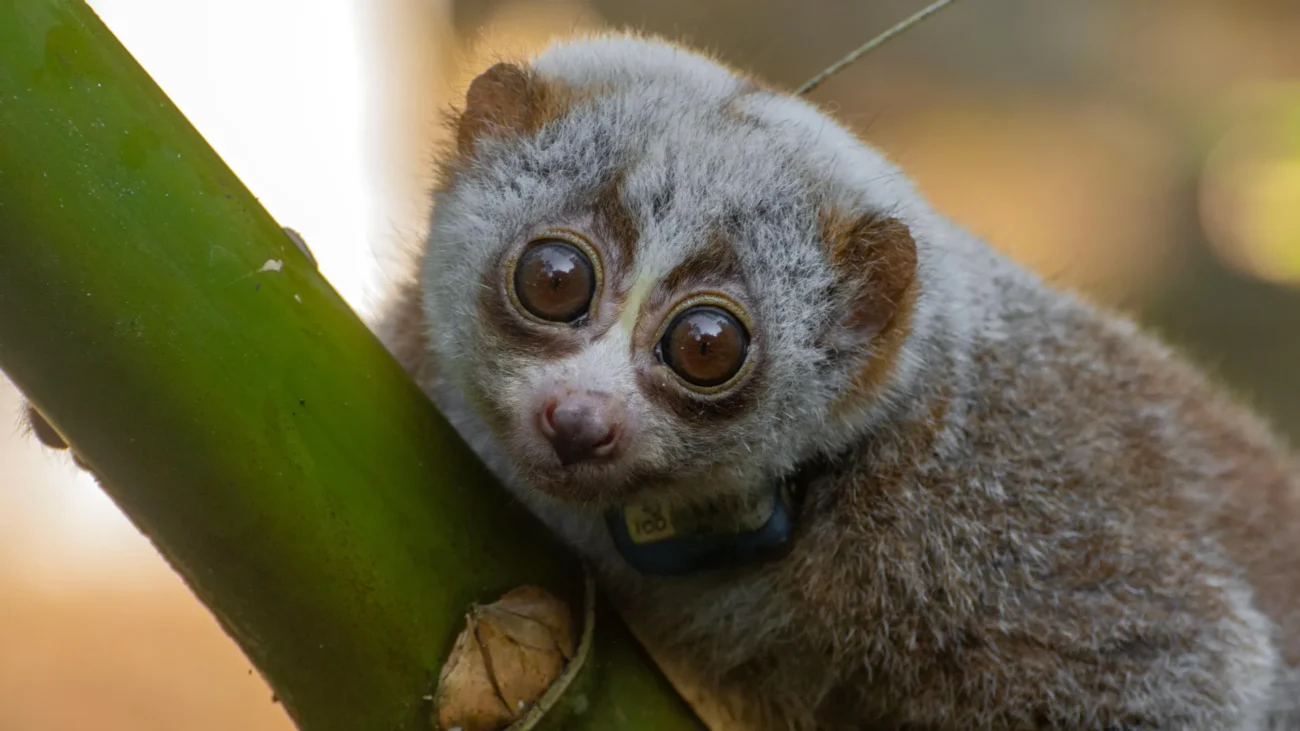
The research, spearheaded by Professor Anna Nekaris OBE, a renowned primatologist from Anglia Ruskin University, in collaboration with esteemed colleagues from the conservation group Plumploris e.V. and the University of Western Australia, focused on the fate of Bengal slow lorises (Nycticebus bengalensis) after their release in Bangladesh. These nocturnal, arboreal primates, known for their large, captivating eyes and seemingly gentle demeanor, have become tragically popular targets in the illegal wildlife trade. Their endearing appearance makes them highly sought after as exotic pets, a demand that has placed them among the most heavily trafficked primates globally.
The grim reality for these animals is reflected in their conservation status. All slow loris species are critically endangered, endangered, or vulnerable, according to the International Union for Conservation of Nature (IUCN). This precarious situation often necessitates rescue and subsequent release as a vital component of conservation efforts aimed at bolstering dwindling wild populations. However, this new study throws a harsh light on the potential unintended consequences of such well-intentioned interventions.
A Troubling Case Study: The Bengal Slow Loris
The study meticulously tracked nine Bengal slow lorises that were fitted with radio collars and released into a national park in northeastern Bangladesh, an area previously utilized for wildlife reintroductions. The findings were, to put it mildly, devastating. Within a mere ten days of their release, three of the nine lorises had succumbed to fatal encounters. Over the subsequent six months, four more animals perished, bringing the total survival rate to a dismal two out of nine.
Further investigation into the fate of the seven deceased animals yielded even more disturbing evidence. Researchers were able to recover four of the bodies, and all of them bore unmistakable signs of having been killed by other slow lorises. The recovered specimens exhibited severe bite wounds on their heads, faces, and digits, pointing towards violent territorial conflicts as the primary cause of death.
Territoriality and Venom: A Deadly Combination
The research highlights the inherent biological traits of slow lorises that make them particularly vulnerable in reintroduction scenarios. These primates are not only highly territorial but also possess a unique and dangerous defense mechanism: they are the world’s only venomous primates. They possess specialized glands that produce a toxin, which they can mix with their saliva to deliver a potent bite. This venomous capability, combined with their fiercely territorial nature, creates a perilous environment for individuals who are unfamiliar with established territories or who inadvertently trespass into the domains of resident lorises.
The study also revealed a correlation between the duration of captivity and an animal’s post-release survival rate. Lorises that had spent longer periods in captivity tended to survive for significantly fewer days after being released. Furthermore, researchers observed that these released animals exhibited more erratic movements and appeared more agitated than their wild counterparts. This heightened activity and apparent stress could be indicative of disorientation, a struggle to adapt to the wild, or an increased likelihood of encountering territorial disputes.
The two lorises that did survive had a different pattern of movement. They traversed larger geographical areas compared to those that perished. This observation suggests that survival in such a reintroduction scenario may hinge on an individual’s ability to find and occupy new territories, effectively moving away from established resident populations and thus avoiding dangerous confrontations. The implication is that simply releasing an animal back into a general habitat is insufficient; successful reintegration might require careful selection of release sites that offer ample un-occupied territory or strategic placement of individuals to minimize conflict.
Rethinking Conservation Strategies: Beyond the Rescue
The findings underscore a broader issue within wildlife conservation: the often-inadequate monitoring of smaller, less charismatic species compared to larger, more prominent animals like big cats. While large predators typically receive intensive tracking and support after release, the outcomes for many smaller species often remain unknown due to a lack of dedicated follow-up. This knowledge gap can perpetuate flawed reintroduction practices, as the true success or failure of these efforts is never fully assessed.
Professor Nekaris emphasized this critical point, stating, "It’s assumed that returning confiscated or rescued animals to the wild is always a positive conservation story. Our research shows that for highly territorial species like slow lorises, releasing them into areas that are already densely populated can be a death trap." She further elaborated on the societal pressures that can influence conservation decisions: "Many rescued endangered species are often released because the public expects it, but for animals such as the Bengal slow loris, this is not always the best course of action. Without fully understanding the animal’s behaviour, its time spent in captivity, and the density of resident populations at the release site, reintroductions may do more harm than good."
Hassan Al-Razi, the lead author and team leader of Plumploris e.V. Bangladesh, provided further context on the situation in Bangladesh: "Rescue and release have become an increasingly common practice in Bangladesh. Many wild animals, including slow lorises, are rescued and subsequently released back into the wild. However, in many cases, these releases are conducted inappropriately. For forest-dwelling species, release sites are often selected based on logistical convenience rather than ecological suitability. As a result, certain forests have effectively become dumping grounds for rescued animals and are no longer appropriate release sites." Al-Razi’s stark observation points to a systemic issue where conservation actions are driven by expediency rather than scientific rigor, leading to unintended negative consequences.
The Implications for Future Conservation
The implications of this study are far-reaching. It suggests that a fundamental shift in approach is needed, moving beyond the simple act of release to a more comprehensive and scientifically informed strategy. Successful wildlife releases, the researchers argue, require meticulous planning. This includes:
- Rigorous Site Suitability Assessments: Thorough evaluation of potential release sites is paramount. This involves understanding the existing population density of the target species, the availability of suitable habitat, food resources, and the presence of natural predators or competitors.
- Comprehensive Animal Condition Evaluation: Each rescued animal must undergo a thorough assessment of its physical and psychological health. This includes evaluating any lingering injuries, assessing its ability to forage, navigate, and interact socially, and determining the length and nature of its captivity.
- Species-Specific Rehabilitation Programs: Rehabilitation protocols must be tailored to the unique needs and behaviors of each species. For highly territorial or venomous animals like slow lorises, this might involve extended periods of specialized training in a semi-wild environment to practice essential survival skills and acclimatize them to natural conditions before full release.
- Long-Term Monitoring: Implementing robust, long-term monitoring programs is crucial to track the fate of released animals. This data is invaluable for understanding survival rates, identifying challenges, and refining future reintroduction strategies. Technologies like radio telemetry, GPS tracking, and even genetic analysis can provide vital insights.
The study’s focus on the Bengal slow loris serves as a potent case study, but the researchers strongly believe that similar patterns of failure are likely affecting numerous other species. The illegal pet trade, habitat destruction, and increasing human encroachment on wildlife territories create complex challenges for conservation. Without a deeper understanding of species-specific ecology and the potential pitfalls of captivity, well-intentioned rescue and release programs could inadvertently contribute to the decline of already vulnerable populations.
The current practice of releasing animals without adequate follow-up is akin to sending individuals into a complex and often hostile environment without proper preparation or support. The study by Nekaris and her colleagues offers a critical, albeit sobering, reminder that conservation success requires more than just good intentions; it demands scientific precision, ethical consideration, and a commitment to understanding the full life cycle of the animals we aim to protect. The future of many endangered species may depend on our willingness to adapt and improve our methods, ensuring that rescue efforts truly lead to a second chance, not a tragic end.
