


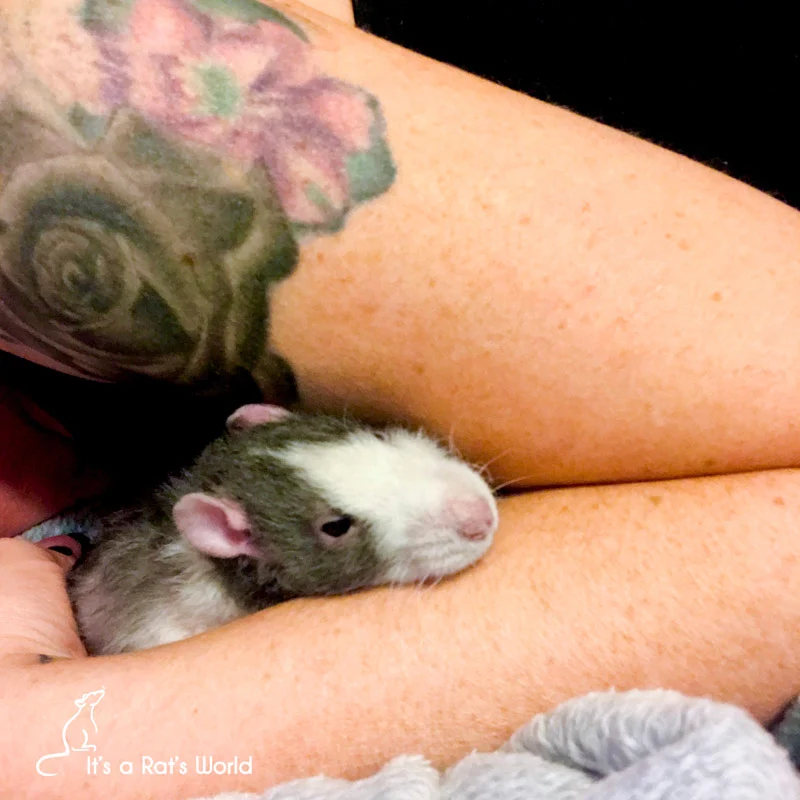
The absence of a profound animal connection can be a significant source of emotional void, a sentiment particularly acute for individuals who have experienced the unique companionship offered by rats. For Brandi Saxton, a prominent advocate and educator in the rat enthusiast community, this current "ratless" state marks a departure from a lifelong pattern of deep animal bonds. While her household currently includes dogs and a cat, Saxton emphasizes that these relationships, while valued, do not replicate the singular connection she developed with her rats. This sentiment underscores a broader, yet often unacknowledged, aspect of pet ownership: the capacity for rodents, particularly rats, to foster exceptionally deep and reciprocal relationships with humans.
A Legacy of Connection: From Ferrets to the Intimate World of Rats
Saxton’s journey with animal companionship predates her immersion in the world of rat ownership. She recounts a history of close ties with various animals, but it was the introduction of rats into her life that truly redefined her understanding of interspecies affection. "Once rats became a part of my identity, I discovered that no other animal really filled my heart quite the way they do," she notes, placing ferrets as a close second in terms of the depth of emotional resonance.
The most cherished aspects of her rat relationships, according to Saxton, lie in the accumulation of everyday moments. These are not grand gestures but the subtle, intimate exchanges that weave the fabric of companionship. She vividly recalls:
- Shared Leisure: "Snuggling on the couch while watching movies." This highlights the rat’s capacity for comfort and integration into domestic routines.
- Affectionate Gestures: "Sweet rattie kisses and groom sessions on my hands." These actions demonstrate trust, recognition, and a form of reciprocal care.
- Enthusiastic Greetings: "Rats rushing to their cage door and dancing around in excitement when they saw me approach." This illustrates the rat’s anticipation and positive association with their owner’s presence, indicative of a developed bond.
- Demands for Attention: "Jealousy of my attention that caused someone to push a brother out of the way so they could get the head scritches instead." This humorous anecdote points to the rat’s capacity for nuanced social dynamics within their group and their clear preference for human interaction.
- Proximity and Comfort: "Rats stretched out in my lap or next to me while I worked." This signifies a deep level of trust, comfort, and a desire for physical closeness, suggesting the rat views the owner as a safe and comforting presence.
These seemingly minor interactions, Saxton emphasizes, were "mine and mine alone with these animals," a testament to the exclusive and deeply personal nature of the bond. The absence of competition for affection, a common dynamic in multi-pet households or even human relationships, allowed for an unfiltered expression of love and loyalty from the rats, positioning the owner as their "favorite human."

Bridging the Gap: Understanding and Fostering Trust in Skittish Rats
For prospective or new rat owners, the aspiration is to cultivate a similar depth of connection. Saxton acknowledges that this level of intimacy is not always immediately apparent, particularly when rats exhibit skittish or aloof behavior. This can be a significant hurdle, often leading to owner apprehension, especially concerning potential bites.
"New owners sometimes struggle to connect to their rats, especially when the rats are timid or jumpy," Saxton observes. This timidity, she explains, is frequently rooted in the rat’s need for acclimation to a new environment. For rats that have experienced prior trauma, this process requires amplified patience and understanding. A lack of knowledge on how to support their adjustment can inadvertently lead to increased withdrawal and fear.
Saxton’s own expertise is further detailed in her article, "Helping A Scared Pet Rat," which delves into the nuances of rat fear responses, potential triggers, and strategies for building trust. This resource aims to equip owners with the tools to navigate the challenges posed by nervous rats, transforming what might seem like an insurmountable obstacle into an opportunity for a profound bond.
The Nuance of Trust versus Bonding: Laying the Foundation for Affection
A critical distinction is made between earning a rat’s trust and forging a genuine bond. Trust, in the context of rat-human interaction, is the foundational belief that the human poses no threat. It is a prerequisite for any deeper connection. Bonding, on the other hand, signifies a mutual desire for companionship, a reciprocal emotional investment that transcends mere safety.

"A rat’s personality and life experiences will play a big part in that connection," Saxton explains. A rat operating under a constant state of self-preservation, where safety is the paramount concern, will find it exceedingly difficult to form an affectionate attachment. It is only when the rat feels secure and at ease that they begin to perceive the value and enjoyment in spending time with their human. This shift from a survival-driven mindset to one of comfort and contentment is the fertile ground upon which deep bonds are cultivated.
Decoding Rat Personalities: A Spectrum of Social Engagement
The approach to building a bond with a rat is significantly influenced by its individual personality. Saxton categorizes rats along a spectrum of social engagement:
-
The Extrovert: Brave and outgoing rats are generally the most straightforward to bond with. They readily adapt to new environments and human interactions, often demonstrating immediate affection and trust. "Whenever I had a large group of rats, I always had at least one extrovert that showed immediate faith in me," Saxton recalls. These rats might seek out human contact within moments of meeting, exhibiting a pre-existing inclination towards trust.
-
The Apprehensive Rat: At the other end of the spectrum are rats that are deeply fearful, viewing humans as potential predators. Establishing a connection with these rats requires a deliberate effort to dismantle this perception. While some may never fully shed their apprehension, achieving a state where they recognize and accept their owner as a caregiver is a monumental accomplishment. The subsequent depth of the relationship is then contingent on the rat’s individual capacity and the owner’s sustained investment of time and effort.
-
The Middle Ground: The majority of rats fall somewhere between these extremes. They may exhibit initial nervousness, but with consistent daily interaction, they typically develop a sense of security and comfort. This gradual acclimatization is key to unlocking their potential for affectionate bonding.

The Cornerstone of Connection: Dedicating Quality Time
The most crucial element in cultivating a robust relationship with a rat is consistent, quality engagement. Saxton stresses the importance of being a "constant presence," which involves regular interaction, vocalization, physical touch, and play. This sustained exposure is not merely beneficial; it is essential for forging a genuine connection and for truly understanding each rat’s unique characteristics and preferences.
Integrating rats into the owner’s daily life can significantly accelerate this process. Simply being within proximity, allowing the rats to hear the owner’s voice and smell their scent, integrates the owner into their routine. Furthermore, providing rats with ample "out-of-cage" time, ideally one to two hours daily, is paramount. This not only addresses their physical exercise needs but also provides dedicated opportunities for meaningful interaction.
These out-of-cage sessions can take place on a couch, a bed, or within a safely rat-proofed room. The focus should be on concentrated cuddling and shared activities, such as watching a movie, reading, or listening to music. During these times, owners are encouraged to observe and learn their rat’s preferred methods of handling and petting, identifying specific areas that elicit the most positive responses.
Specialized tools like bonding pouches and rat-sized blankets can be particularly helpful for skittish rats. These provide a sense of security and a familiar "den" within the owner’s arms, encouraging them to snuggle closer. The natural inclination of rats to burrow can be leveraged by offering these comforting spaces.
Even when rats are within their cage, regular, gentle vocalization and petting can foster a sense of security. This allows them to become accustomed to the owner’s presence and voice without the immediate stress of being handled. This approach avoids the negative association of being abruptly removed from their safe space. Research has indicated that the physical act of petting animals can stimulate the release of endorphins, stress-relieving neurochemicals, in both the pet and the human. Therefore, gentle stroking of the back or head while engaging in calm conversation can be profoundly beneficial.

Saxton also advises consulting her article, "Honoring Your Rat’s Personal Space," which addresses the importance of respecting individual rat boundaries. Recognizing and adhering to these boundaries is fundamental to avoiding inadvertent sabotage of bonding efforts.
Harnessing the Power of Food and Treats
Food and treats serve as potent tools in the arsenal of trust-building and bonding. Saxton humorously admits that the enthusiastic greetings from her rats might have been as much about the anticipation of treats as about her presence. Regardless of the primary motivation, the display of excitement was consistently entertaining and indicative of a positive association.
Making mealtimes a significant event helps rats quickly learn that their owner is the source of sustenance, a status that garners favor. Identifying a healthy, preferred snack and consistently announcing its arrival with a unique phrase or tone can train rats to associate the owner with positive feelings. Saxton’s personal signal, "Treats, Treats, Treats!" delivered in an escalating pitch, was so effective it could rouse even the deepest sleepers, prompting a rush to the cage door. This strategy proved particularly effective with even the most standoffish rats, who, despite disliking being held, would readily accept offerings, signaling progress in bonding efforts.
Elevating the Bond: Tricks, Mazes, and Shared Adventures
For those seeking to deepen their connection further, teaching rats tricks or creating mazes offers an engaging avenue. While Saxton admits limited personal experience in these areas, she notes their potential for profound engagement and novel insights into rat personalities.

Similarly, traveling with rats has proven to strengthen bonds in her experience. Road trips, she found, often resulted in rats becoming even more cuddly and trusting, suggesting that exposure to new environments under the owner’s care solidified their reliance and affection. This shared experience outside their familiar territory can be a powerful catalyst for bonding.
Managing Expectations: The Unique Nature of Each Rat Relationship
It is crucial to understand that each rat fosters a unique bond with its owner. Some connections develop effortlessly, while others may present significant challenges. Regardless of a rat’s disposition, maintaining a thriving relationship requires continuous effort and commitment from the owner. Saxton cautions against comparing one’s own rats to those portrayed on social media, emphasizing that discouragement is unwarranted if a rat appears less responsive. Every rat possesses its own distinct personality and pace of development.
Saxton’s own experiences encompass a wide spectrum of rat relationships, ranging from "soulmate status" to a more pragmatic "you’re the human I dislike the least, so I’m willing to tolerate you" dynamic. Even the latter, she contends, holds a special significance, acknowledging the hurdles overcome to achieve even a level of tolerance from a fearful rat. The moment a frightened rat lowers its guard and accepts the owner’s presence is a profound honor.
Ultimately, Saxton concludes that "each and every rat is worth the endeavor." The lasting impact of a rat’s life lies not in their physical presence but in the profound bonds forged and the cherished memories created. These connections, born from shared moments and mutual affection, remain etched in the heart long after the rat has passed, a testament to the enduring power of interspecies companionship.
