


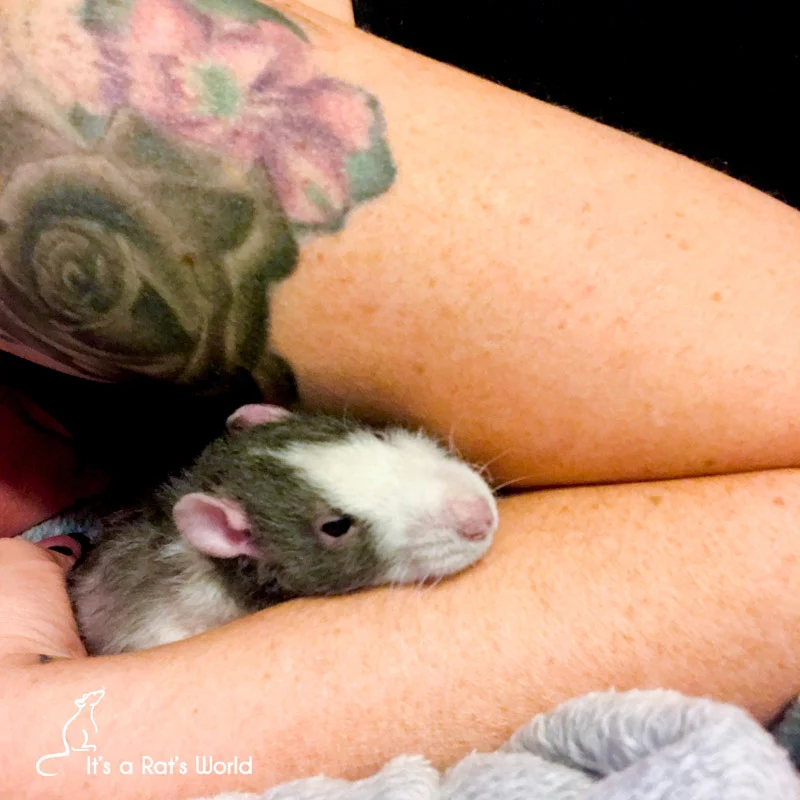
The absence of a beloved pet can leave a significant void, a sentiment keenly felt by Brandi Saxton, a dedicated advocate for rat welfare and a former owner of these intelligent creatures. Saxton, known for her work with "It’s A Rat’s World," expresses a profound longing for the unique emotional connection she shared with her rats, a bond that, in her experience, surpasses that with other domesticated animals, with ferrets being a notable exception. This article delves into the nature of these special relationships, the challenges new owners may face in establishing them, and the actionable strategies for fostering deep, trusting bonds with pet rats.
The Unparalleled Affection of Rats
Saxton’s reflections highlight the everyday moments that define the rat-human bond: synchronized couch snuggles during movie nights, gentle grooming sessions, enthusiastic greetings at the cage door, and even playful displays of jealousy over head scratches. These intimate interactions, characterized by undivided attention and a sense of being the "favorite human," underscore the remarkable capacity of rats for deep emotional attachment. Unlike other pets, rats often offer an uncomplicated affection, free from the need to compete for attention with other humans, a dynamic that Saxton cherishes.
The initial allure of rat companionship often stems from their intelligence and interactive nature. Rats, scientifically classified as Rattus norvegicus, are highly social animals that exhibit complex behaviors and a remarkable ability to learn. Their social structures within their natural environment often involve intricate communication and cooperation, traits that translate into their domestic relationships with humans. Studies have shown that rats can recognize their owners’ faces and voices, and respond positively to gentle handling and positive reinforcement. This inherent capacity for connection makes them ideal companions for individuals seeking a deeply engaging pet experience.
Navigating the Nuances of Rat Bonding
For prospective or new rat owners, the aspiration is to replicate the profound connections described by Saxton. However, the journey to this level of intimacy is not always straightforward. Many new owners encounter challenges, particularly with rats that exhibit skittishness or aloofness. These behaviors can be misinterpreted, leading to owner frustration and a potential fear of being bitten. Saxton emphasizes that these initial reactions are often rooted in a rat’s need for time to acclimate to a new environment and build trust. Rats, like many prey animals, possess an innate survival instinct. When introduced to an unfamiliar setting, their primary focus is on perceived safety. This can manifest as timidity, a desire to hide, or a reluctance to engage with their new human caretakers.

The history of a pet rat can significantly influence its behavior and its capacity to bond. Rats that have experienced trauma, neglect, or inconsistent care prior to adoption may require additional patience and specialized approaches to overcome their ingrained fears. Understanding these underlying causes is crucial for effective intervention. Saxton’s article, "Helping A Scared Pet Rat," offers a comprehensive guide to identifying the signs of fear in rats, understanding its origins, and implementing strategies to earn their trust. This foundational step of establishing trust is paramount before any deeper emotional connection can be forged.
Differentiating Trust from Bonding
It is essential to distinguish between earning a rat’s trust and cultivating a true bond. Trust, in the context of rat ownership, signifies that the animal perceives its human caretaker as non-threatening. It is the acknowledgment that the human is a source of safety and sustenance, not a predator. Bonding, however, transcends this basic level of security. It represents a mutual desire for companionship, a shared emotional resonance, and a deeper, more reciprocal connection.
A rat’s inherent personality and its past experiences are significant determinants of how readily it will form a bond. When a rat is in a state of heightened anxiety or self-preservation, its cognitive and emotional resources are dedicated to survival, leaving little capacity for forming attachments. As a rat begins to feel safe and secure in its environment, and with its human, it starts to recognize the intrinsic value of interaction and companionship. This shift in perception is where the groundwork for bonding is laid. The process is iterative; increased comfort leads to more interaction, which in turn reinforces trust and opens the door for deeper emotional engagement.
Understanding the Spectrum of Rat Personalities
The journey of bonding with a rat is also influenced by its individual personality. Saxton identifies a spectrum of temperaments, from the overtly brave and extroverted to the deeply apprehensive and introverted.
-
Extroverted Rats: These rats are often the easiest to bond with. They typically exhibit a remarkable adaptability to new surroundings and people, often demonstrating immediate trust and an eagerness to interact from the outset. They may readily seek human attention, climb on their owners, and appear to trust their caretakers instinctively. This innate boldness allows for a more rapid development of a strong connection.

-
Introverted and Apprehensive Rats: At the other end of the spectrum are rats that are profoundly fearful, viewing humans, even their owners, with suspicion. Building a bond with these individuals requires breaking down significant barriers. The primary goal is to establish recognition as a caregiver, even if complete freedom from perceived danger is never achieved. Successfully fostering trust and acceptance in such rats represents a significant achievement in the human-animal relationship, with the depth of the bond ultimately determined by the owner’s sustained effort and the rat’s capacity to overcome its anxieties.
-
The Majority: Most rats fall somewhere between these two extremes. They may display initial nervousness but, with consistent positive interaction and a secure environment, will gradually become more comfortable and amenable to bonding. Daily engagement is key to helping these rats feel safe and to fostering their natural curiosity and desire for social interaction.
The Indispensable Role of Quality Time
Consistent, quality time is the cornerstone of building a profound relationship with a pet rat. This involves being a regular presence in their lives, engaging them through conversation, gentle petting, holding, and play. This sustained interaction is not merely beneficial; it is essential for forging a genuine connection and for gaining insight into each rat’s unique characteristics and preferences.
Integrating rats into the owner’s daily routine can significantly accelerate the bonding process. Simply being present in the same room, allowing the rats to become accustomed to the owner’s voice and scent, creates a subtle but constant reinforcement of their presence as a benevolent figure. Furthermore, providing rats with ample opportunities for out-of-cage activity is crucial. Aiming for one to two hours of supervised free-roam time daily allows them to exercise, explore, and, most importantly, engage with their human companions. This time can be spent on a couch, in a bed, or within a safely rat-proofed room.
During these dedicated sessions, concentrated cuddling and quiet companionship are invaluable. Engaging in activities like watching a movie, reading a book, or listening to music together allows for relaxed, close proximity. It is during these times that owners can learn their rat’s preferred methods of being held and petted, identifying specific spots that elicit pleasure. This attention to individual preferences demonstrates respect for the rat’s comfort and boundaries, further solidifying trust.

For rats that are particularly skittish, bonding pouches or specially designed rat blankets can be immensely helpful. These items provide a sense of security, allowing the rat to feel hidden and safe while still remaining close to the owner. Rats have a natural inclination to burrow and seek enclosed spaces, so offering them this comfort within the owner’s embrace can encourage snuggle behavior and foster a sense of security in close proximity.
Even when rats are within their cages, regular, gentle vocalizations and petting can contribute to bonding. Talking to them softly while they are in their hammocks or nests allows them to associate the owner’s voice with positive, non-threatening experiences. This approach avoids the potential for fear associated with being abruptly removed from their safe space. Research has indicated that petting animals can stimulate the release of endorphins, beneficial "feel-good" neurochemicals, in both the animal and the human. This mutual release of endorphins during gentle interaction can significantly enhance the positive aspects of the bond.
However, it is critical to acknowledge and respect a rat’s personal space. Not all rats are comfortable with the same level of physical interaction. Forcing interaction can be counterproductive, leading to increased anxiety and a potential setback in bonding efforts. Saxton’s article, "Honoring Your Rat’s Personal Space," provides further guidance on recognizing and respecting individual rat boundaries, a crucial element in maintaining a healthy and trusting relationship.
The Power of Positive Reinforcement: Food and Treats
Food and treats serve as powerful tools in the arsenal of trust-building and bonding with rats. The enthusiastic anticipation of a tasty reward can indeed be a significant motivator for a rat’s eagerness to interact, sometimes even overshadowing the immediate presence of the owner. However, this anticipation itself becomes a positive association with the human. By consistently making mealtimes a positive experience, owners establish themselves as the reliable providers of sustenance and pleasure.
The introduction of a special, healthy treat that a rat particularly enjoys can be linked to a specific verbal cue. By consistently using a distinct phrase or tone of voice when offering these treats, owners can train their rats to associate this cue with happiness and reward. Saxton recalls her own "Treats, Treats, Treats!" call, delivered in an escalating pitch, which would rouse even the deepest sleepers from their slumber, prompting an eager rush to the cage door. This predictable positive association helps to condition the rat to view the owner’s arrival and vocalizations with excitement and anticipation, even for rats that are generally reserved or less inclined towards physical affection. Witnessing even the most hesitant rats join the "treat stampede" can be a powerful indicator of progress in the bonding process.

Beyond Basic Interaction: Enrichment and Exploration
For those seeking to deepen their rat friendships even further, engaging in activities such as teaching tricks or constructing mazes offers a dynamic avenue for interaction. While Saxton notes limited personal experience in these specific areas, the potential for enhanced engagement and a novel understanding of a rat’s cognitive abilities and personality is significant. Online resources abound with examples of these activities, providing owners with frameworks for enriching their rats’ lives and their own relationships.
Travel with rats can also serve as a catalyst for stronger bonds. Saxton notes that road trips, for instance, consistently resulted in her rats becoming more cuddly and affectionate. The experience of being outside their familiar environment, navigating new stimuli, and relying on their owner for safety and comfort can significantly strengthen their sense of trust and dependency, thereby deepening the bond. This shared experience, while potentially stressful for the rat initially, ultimately reinforces the owner’s role as a source of security in unfamiliar situations.
Managing Expectations: The Individuality of Rat Bonds
It is crucial to approach rat companionship with realistic expectations. Each rat is an individual, possessing a unique personality and capacity for forming bonds. The intensity and ease of these connections can vary significantly. Some bonds develop effortlessly, while others may present ongoing challenges. Maintaining a thriving relationship requires consistent effort and patience.
Saxton wisely advises against comparing one’s own rat relationships to those portrayed on social media. The curated nature of online content can create unrealistic expectations. It is important to remember that each rat’s responsiveness will differ, and discouragement should not arise from a rat being less outwardly affectionate than another. The spectrum of bonds Saxton has experienced ranges from what she describes as "soulmate status" to a more pragmatic "you’re the human I dislike the least, so I’m willing to tolerate you" dynamic. Even the latter, she notes, holds a special significance, representing the considerable effort and patience required to overcome a rat’s inherent hesitations.
The moment a fearful rat begins to lower its defenses, accepting the owner’s presence and role in its life, is a profound testament to the success of the bonding efforts. This gradual acceptance, a conscious decision by the rat to allow vulnerability in the presence of its human, is a deeply rewarding experience for any owner.

Ultimately, the endeavor of building a bond with a pet rat is immensely worthwhile. The memories created through these unique connections, the shared moments of joy and quiet companionship, and the lessons learned in patience and empathy, are enduring. When a rat eventually passes, it is these bonds and the special moments they fostered that remain etched in the owner’s heart, a testament to the profound and often underestimated capacity for love and connection that these intelligent creatures offer. The profound impact of these relationships underscores the importance of understanding, patience, and dedicated effort in cultivating the deepest connections with our rodent companions.
