


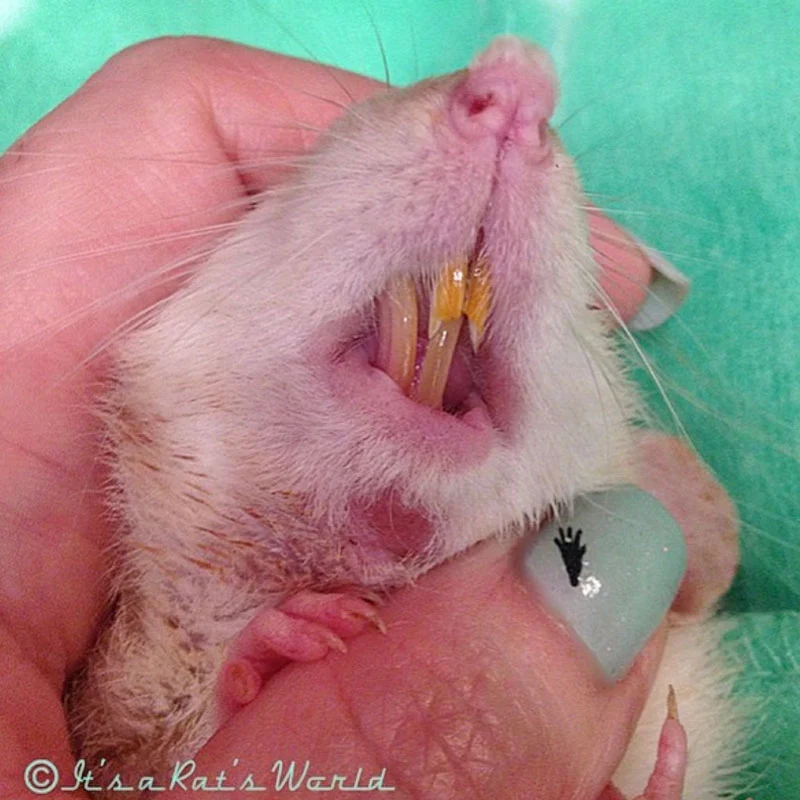
The continuously growing incisors of rats, a defining characteristic of all rodents, present a fascinating biological adaptation that enables their survival but can also lead to significant health challenges if not properly managed. This unique dental structure, essential for gnawing and grinding, necessitates careful observation by pet owners to prevent potentially life-threatening complications. Understanding the intricacies of rat dentition, from their specialized tooth types to the inherent risks of malocclusion, is paramount for ensuring the well-being of these popular companion animals.
The Evolutionary Advantage of Ever-Growing Teeth
Rats, like all rodents, possess incisors that grow continuously throughout their lives. This open-rooted nature ensures that as the teeth are worn down through gnawing and grinding, new tooth material is constantly generated. This remarkable adaptation allows them to process a wide variety of food sources, from tough vegetation and seeds to gnawing through materials to access food or create shelter. Unlike many mammals that experience a single set of adult teeth, rats are equipped with one permanent set of incisors and molars, which erupt at specific developmental stages.
The incisors, typically the first to appear around 8-9 days of age, are designed for cutting and gnawing. They are characterized by a hard, orange-yellow enamel on the front and a softer, white dentin on the back. This differential hardness is crucial for self-sharpening; as the rat gnaws, the softer dentin wears away faster than the enamel, creating a sharp, beveled edge. This process is vital for maintaining their proper length and shape. The molars, which erupt later, are located at the back of the mouth and are responsible for grinding food into smaller particles before swallowing.
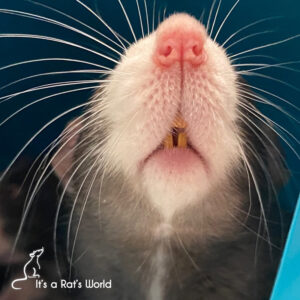
A particularly interesting feature of rat dentition is the independent movement of their lower jaw bones. This allows for a slight separation and rotation of the lower incisors, further aiding in sharpening and providing a significant advantage when gnawing through tough substances. This unique dental architecture, while highly effective for survival in the wild, requires owners to be aware of potential issues.
Dispelling Common Myths About Rat Teeth
Several misconceptions surround the dental health of rats, leading to potentially harmful practices or neglect. One prevalent myth is that rats must be fed hard foods or given specific items to chew on to maintain proper tooth length. This belief is largely unfounded.
Myth: Rats must be fed hard foods or given things to chew on to keep their teeth worn down.
Fact: Rats possess an innate ability to wear down their own teeth through natural gnawing behaviors. Their jaw structure is specifically adapted for this purpose. As long as their teeth are healthy and properly aligned, they do not require external intervention or specialized chew toys for tooth maintenance. The constant wear and tear from their natural activities are generally sufficient.
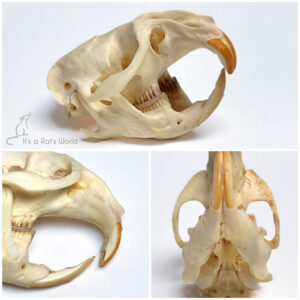
Another persistent myth suggests that rats can chew through any material, including steel. While their incisors are remarkably strong and sharp, capable of gnawing through substances like concrete, aluminum, and drywall, they are not capable of penetrating steel.
Myth: Rats can chew through anything, even steel.
Fact: While their gnawing capabilities are impressive, extending to very tough materials, steel is beyond their ability to penetrate. Their dental strength, while formidable in the natural world, has its limits.
The Critical Issue of Malocclusion
Despite their robust dental adaptations, rats are susceptible to a serious condition known as malocclusion, where their upper and lower teeth become misaligned. This misalignment can have severe consequences, disrupting the natural wear process and leading to a cascade of health problems.
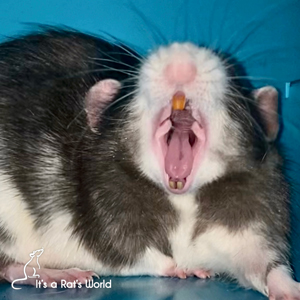
Causes of Malocclusion:
- Trauma: Falls or accidents, such as being stepped on or experiencing a rough landing, can cause jaw misalignment or even break an incisor. If a single incisor is damaged, it can disrupt the even wear of the other three, causing them to grow at different rates.
- Infections and Growths: Mouth abscesses, cysts, or tumors near the jaw can alter tooth alignment. Conversely, malocclusion itself can lead to these issues as teeth rub against gums or other tissues improperly.
- Genetics: Some rats are genetically predisposed to developing malocclusion, meaning it can occur regardless of external factors.
Dangers of Malocclusion:
The most immediate danger of malocclusion is overgrown teeth. When teeth are not properly aligned, they fail to wear down effectively. This can result in incisors growing so long that they curl, puncture the roof of the mouth, or embed themselves in other tissues. Such overgrowth can lead to excruciating pain, difficulty eating, malnutrition, starvation, and potentially fatal infections.
In other cases, misaligned lower incisors can wear down the upper incisors to stubs. This not only prevents the lower incisors from being worn down adequately but also hinders the rat’s ability to eat, leading to similar health crises.
Recognizing and Addressing Dental Problems
Pet owners play a crucial role in monitoring their rats’ dental health. Early detection of malocclusion or other dental issues is key to preventing severe complications.

Signs of Dental Problems:
- Changes in Eating Habits: A noticeable decrease in appetite, refusal to eat favorite foods, or difficulty consuming food can indicate mouth pain or dental issues.
- Weight Loss: A direct consequence of an inability to eat properly.
- Drooling: Excessive salivation can be a sign of discomfort or irritation in the mouth.
- Facial Rubbing: Rats may rub their faces against objects as a way to alleviate discomfort.
- Visible Tooth Abnormalities: Observing the rat’s teeth during regular handling can reveal overgrowth, breakage, chips, or unusual wear patterns.
- Sores or Irritation: Redness, swelling, or sores on the gums or within the mouth.
- Changes in Tooth Color: While healthy adult incisors are a dark orange-yellow, a sudden lightening or whitening can indicate underlying health issues.
Minimizing the Risk of Malocclusion:
While not all cases of malocclusion are preventable, owners can take proactive steps to reduce the risk and ensure early detection:
- Safe Environment: Prevent free-ranging in areas where rats could fall from heights or sustain injuries that could lead to jaw trauma. Secure enclosures and supervised playtime in safe areas are recommended.
- Regular Visual Examinations: Conduct weekly or bi-weekly checks of your rat’s mouth. Gently hold the rat and examine their incisors for any signs of abnormal growth, damage, or misalignment.
- Monitor Behavior: Pay close attention to any changes in eating habits or signs of discomfort. Prompt veterinary attention is crucial if any of these signs are observed.
The Necessity and Challenges of Teeth Trimming
When malocclusion is diagnosed, veterinary intervention is often required. The primary treatment for overgrown teeth is trimming, typically performed by a veterinarian using specialized tools such as a Dremel or clippers. Due to the rat’s natural tendency to squirm and resist, light anesthesia may be necessary to ensure the safety and efficacy of the procedure.
The Trimming Process:
While some veterinarians may demonstrate at-home trimming techniques, this is generally not recommended for inexperienced owners. The process can be stressful for both the rat and the owner, and the risk of injury to the rat is significant. Most owners find it challenging to hold a thrashing rat still enough for safe and effective trimming.

For some rats, a few trims may be sufficient to realign their teeth and restore normal wear patterns. However, in many cases, particularly those with genetic predispositions or severe misalignment, malocclusion is a chronic condition requiring lifelong management. The frequency of trimming may increase over time, as trimming teeth can paradoxically stimulate faster growth. A rat that initially required monthly trims might soon need them every two weeks, and eventually, on a weekly basis.
The Unseen World of Rat Dentition
The unique dental characteristics of rats, from their ever-growing incisors to their specialized jaw mechanics, underscore their evolutionary success. However, these adaptations also present potential vulnerabilities that necessitate attentive care from their human companions. The vibrant orange-yellow of a healthy rat incisor is a testament to a finely tuned biological system, but changes in its color or alignment can signal a distress that requires prompt professional attention. By understanding these dental intricacies and diligently observing their pets, owners can ensure that their rats lead healthy, comfortable lives, free from the painful consequences of dental neglect. The ongoing research and awareness surrounding rat dental health continue to improve the quality of care available, reinforcing the bond between these intelligent creatures and their devoted owners.
