

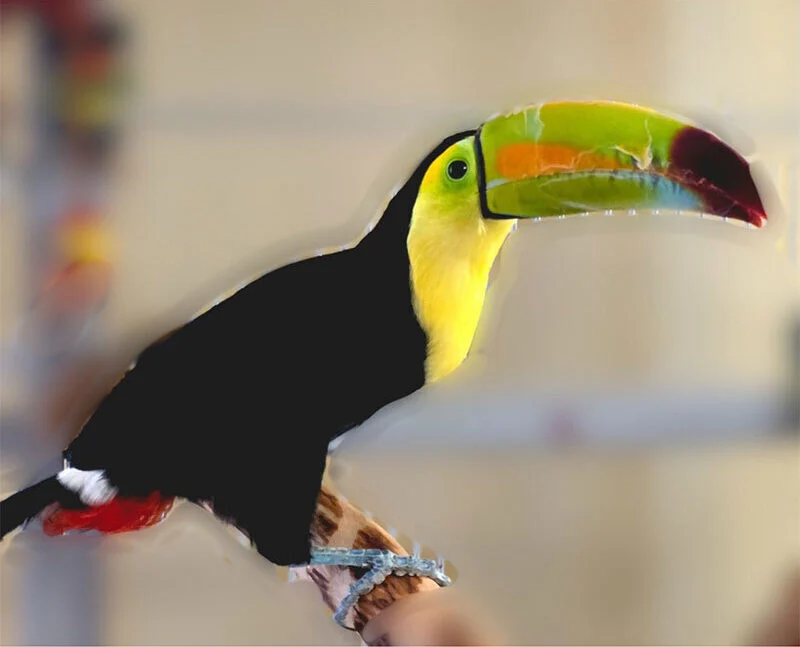
The extraordinary saga of Toucan Sam, an exotic avian escapee who captivated the Las Vegas community for months, culminated in his safe capture on February 26, 2026, by the dedicated team at Southwest Exotic Avian Rescue (SWEAR), shedding light on the inherent challenges of keeping specialized wild animals as pets and the critical role of rescue organizations. His prolonged survival in an unforgiving desert environment, far removed from his natural tropical habitat, has become a compelling narrative, underscoring the resilience of nature and the vigilance of human intervention.
An Unlikely Fugitive: Toucan Sam’s Months on the Loose
Toucan Sam, a strikingly beautiful bird with the iconic oversized beak characteristic of his species, vanished from his enclosure in November 2025. His escape initiated a protracted period of freedom that saw him navigating the arid landscapes and urban sprawl of the Las Vegas metropolitan area. For over three months, he became a local legend, a vibrant splash of tropical color against the muted desert palette, his movements meticulously tracked by concerned residents and various animal welfare organizations, most notably SWEAR. The public’s fascination with Sam was evident in the numerous photographs and sightings reported across social media and local news channels, transforming him from a lost pet into a symbol of wild spirit in an unexpected setting.
The initial days and weeks following Sam’s escape were fraught with anxiety among those aware of his predicament. Toucans, native to the tropical and subtropical rainforests of Central and South America, thrive in warm, humid environments rich with diverse fruit-bearing trees. The Las Vegas desert, characterized by extreme temperature fluctuations, low humidity, and a starkly different ecosystem, presented an immediate and formidable threat to his survival. Experts voiced concerns over his ability to find adequate nutrition, given his specialized frugivorous diet, and the critical danger posed by the region’s harsh winter nights, where temperatures can plummet significantly. A toucan’s metabolic rate and physiological adaptations are ill-suited for prolonged exposure to cold.
However, an unexpected meteorological anomaly played a pivotal role in Toucan Sam’s remarkable endurance. The winter of 2025-2026 in the Las Vegas area was uncharacteristically mild, with fewer severe cold snaps than typical. This fortunate deviation from seasonal norms provided a crucial buffer, preventing the hypothermia and starvation that would almost certainly have claimed a less fortunate or less resilient bird. While still facing myriad dangers, including potential predation from local raptors or domestic animals, and the constant search for sustenance, the mild weather significantly increased his chances of survival. Organizations like SWEAR maintained a vigilant watch, understanding that while Sam was elusive, his vulnerability remained high. Capturing an agile bird accustomed to flight proved to be a monumental task, often requiring specialized equipment and precise timing that was difficult to achieve with a free-roaming animal.
The Culmination of a Community Effort: Toucan Sam’s Rescue
The months-long aerial adventure of Toucan Sam finally concluded on February 26, 2026, through a combination of public awareness and prompt action. The pivotal moment occurred when Sam, likely driven by hunger, ventured into a homeowner’s garage in search of food. The alert residents, who were well aware of the widely publicized toucan sightings, quickly recognized the famous bird. Demonstrating remarkable presence of mind and concern for the animal’s welfare, they carefully closed the garage door, effectively containing Sam without causing him distress or injury.
Immediately following the containment, the homeowners contacted SWEAR, the organization that had been at the forefront of monitoring Sam’s movements. The rescue team mobilized swiftly, understanding the delicate nature of capturing an exotic bird. Their expertise in handling avian species ensured a safe and stress-free capture, finally bringing an end to Sam’s dangerous journey across the urban wilderness. This coordinated effort between informed citizens and a specialized rescue organization highlights the invaluable synergy required for successful wildlife interventions, especially concerning escaped exotic pets. The relief among the SWEAR team and the broader community was palpable, knowing that Sam was finally out of harm’s way.
Upon his arrival at the SWEAR facility, Sam underwent an immediate preliminary health assessment. This initial evaluation included drawing necessary blood samples, a critical step to ascertain his physiological state after months in the wild. His physical condition, while not critical, bore the marks of his ordeal: a noticeable chip off the tip of his long, distinctive beak and a small patch of missing feathers, likely indicative of minor injuries sustained during his foraging or flight.
Rehabilitation and the Road Ahead: Post-Rescue Care at SWEAR
Toucan Sam is currently undergoing a mandatory quarantine period, typically lasting between 30 to 45 days, at the SWEAR facility. This stringent isolation protocol is standard procedure for any animal rescued from the wild, particularly exotic species, to mitigate the risk of disease transmission. The primary concern for the rescue team is to determine if Sam contracted any pathogens during his time on the loose, including highly contagious and potentially devastating illnesses such as avian influenza (bird flu) or other communicable diseases that could affect the facility’s existing bird population. The varied and potentially contaminated food and water sources he might have encountered in the wild pose significant health risks.
During this quarantine, Sam is under close observation, with veterinary staff monitoring his appetite, behavior, and overall health status. Nutritional rehabilitation is a key component of his recovery plan. Toucans require a very specific diet, primarily composed of fresh fruits, but with a critical caveat: they are highly susceptible to hemochromatosis, a condition caused by excessive iron absorption. Therefore, any commercial pellets or supplements must be specifically formulated for low-iron diets, and the selection of fruits must also be carefully managed to avoid high-iron varieties. His foraging habits in the wild, which likely involved whatever edible items he could find, could have led to dietary deficiencies or exposure to harmful substances. The SWEAR team is diligently working to re-establish a balanced and species-appropriate diet to ensure his long-term health.
The chipped beak, while not debilitating, will require monitoring, as the beak is essential for feeding and preening. Feather loss is generally temporary, and new feathers will grow in with proper nutrition and reduced stress. The dedicated caregivers at SWEAR are committed to providing Sam with the best possible care, aiming for him to "live his best life," whether that ultimately means reunification with his original owners or finding a new, permanent home.
The Complexities of Toucans as Companion Animals
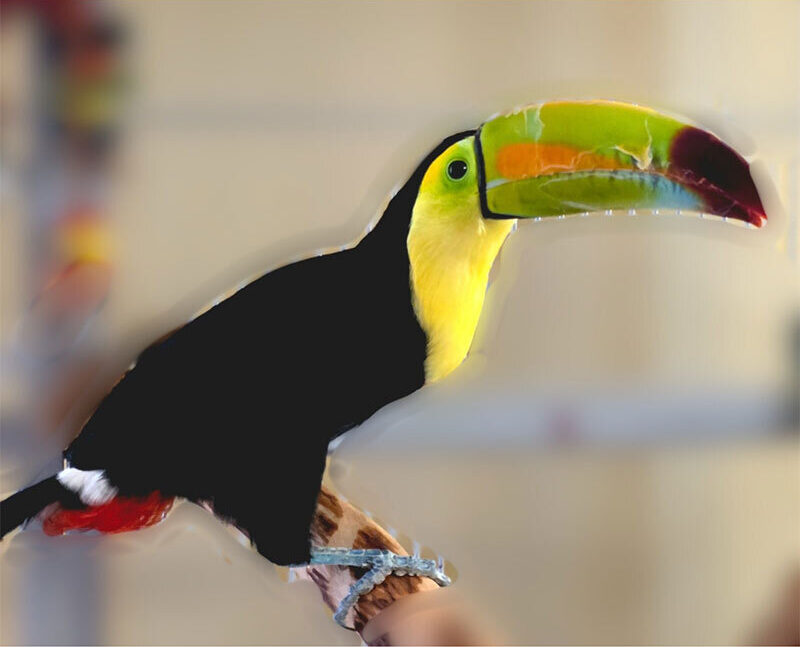
Toucan Sam’s story brings into sharp focus the intricate challenges associated with keeping toucans as pets, a reality often overlooked by individuals drawn to their exotic beauty. While undeniably captivating, toucans are far from typical companion animals and require a level of specialized care that many prospective owners are unprepared for.
One of the most defining characteristics of toucans is their magnificent, oversized beak. While visually striking, it is remarkably lightweight and primarily used for reaching fruit, displaying, and thermoregulation, not for heavy-duty crushing. Nevertheless, it necessitates careful consideration in their environment to prevent injury. More critically, their dietary requirements are exceptionally demanding. As mentioned, their high fruit intake must be carefully balanced with low-iron pellets and supplements to prevent hemochromatosis, a fatal liver disease common in captive toucans if their diet is not meticulously managed. The "list of things they shouldn’t have is quite long," encompassing many common household foods and even certain fruits high in iron. Providing a consistent supply of fresh, appropriate fruits, vegetables, and specialized low-iron pellets is a significant commitment of time and resources.
Beyond diet, toucans require substantial living space. They are active, arboreal birds that need large enclosures allowing for ample flight and climbing opportunities. A small cage is entirely inadequate for their physical and mental well-being, leading to stress and potential behavioral issues. Many toucan species can grow quite large, necessitating aviaries or dedicated bird rooms, rather than standard parrot cages.
Their intelligence and social nature also demand significant interaction and enrichment. Without sufficient mental stimulation and social engagement, toucans can become bored, stressed, and even destructive. Owners must be prepared to spend considerable time interacting with their bird, providing toys, and creating a stimulating environment. Furthermore, despite their often comical appearance, toucans can exhibit unexpected aggression, especially during breeding season or if feeling threatened. This can manifest as nipping or lunging, and their powerful beaks, though lightweight, can still inflict painful injury. Prospective owners must be aware of these behavioral nuances and be equipped to manage them safely and humanely.
The acquisition of toucans often involves navigating complex legal frameworks, as they are exotic animals. Depending on the jurisdiction, permits, licenses, or specific certifications may be required, and regulations regarding their housing and care can be stringent. The ethical implications of removing animals from their natural habitats for the pet trade also warrant serious consideration, encouraging responsible ownership practices and supporting reputable breeders or rescue organizations.
The Unanswered Question of Ownership and Future Placement
As Toucan Sam recuperates at the SWEAR facility, a significant question remains unanswered: the identity and intentions of his original owners. Despite the widespread media attention surrounding his escape and rescue, the owners have yet to come forward to reclaim the bird. This silence could stem from various factors, including fear of legal repercussions for an escaped exotic animal, an inability to provide the specialized care Sam now demonstrably requires, or simply being unaware of his rescue.
SWEAR remains hopeful that the original owners will eventually step forward. Should they do so, a thorough evaluation process would likely ensue. This would involve verifying ownership, assessing their living situation to ensure it meets the rigorous standards for toucan care, and potentially requiring proof of permits or licenses. The goal would be to ensure Sam returns to a safe, appropriate, and legally compliant environment.
If the original owners do not claim him, or if their circumstances are deemed unsuitable, SWEAR will then determine Sam’s long-term placement. This could involve remaining permanently at the SWEAR facility, which specializes in the care of exotic avians, or being placed for adoption with a highly experienced individual or institution capable of meeting his specific needs. Finding such a home requires extensive vetting, as the commitment required for a toucan is substantial. The organization’s priority is always the welfare of the animal, ensuring that Sam’s future home offers the best possible quality of life, factoring in his unique species requirements and the trauma of his recent ordeal.
Broader Implications: A Cautionary Tale and Call for Responsibility
Toucan Sam’s extraordinary journey from an exotic pet to a free-roaming local celebrity and finally to a rescued patient serves as a poignant and multifaceted narrative. It highlights not only the remarkable adaptability of certain species but also the profound responsibilities inherent in exotic pet ownership. His story has undoubtedly raised public awareness about the specific and demanding needs of toucans, moving beyond their iconic, colorful imagery to the practical realities of their care.
The incident underscores the vital role played by specialized rescue organizations like SWEAR. These groups are often the unsung heroes, stepping in when exotic animals are abandoned, neglected, or, as in Sam’s case, escape, providing essential care, rehabilitation, and finding appropriate long-term solutions. Their expertise and resources are critical in managing the complex challenges presented by non-native species in urban environments.
Furthermore, Sam’s adventure acts as a cautionary tale for prospective exotic pet owners. The allure of an unusual animal can often overshadow the practicalities of its lifelong care. Before acquiring any exotic species, individuals should conduct extensive research into their specific dietary, environmental, social, and legal requirements. Understanding the full commitment involved, including potential veterinary costs for specialized care and the need for significant space and enrichment, is paramount. The incident also subtly emphasizes the importance of secure enclosures and preventative measures to avoid escapes, not just for the animal’s safety but also to prevent potential ecological disruptions if non-native species establish feral populations, though this is less of a concern with a single toucan in a desert environment.
As Toucan Sam continues his journey towards full recovery, his story resonates beyond the immediate context of a lost bird. It is a testament to resilience, a call for responsible stewardship, and a vivid reminder of the intricate balance between human desires and the welfare of the animal kingdom. His ultimate fate, whether reunited with former owners or finding a new sanctuary, will undoubtedly be a chapter closely followed by those who have been captivated by his remarkable Las Vegas odyssey.
