


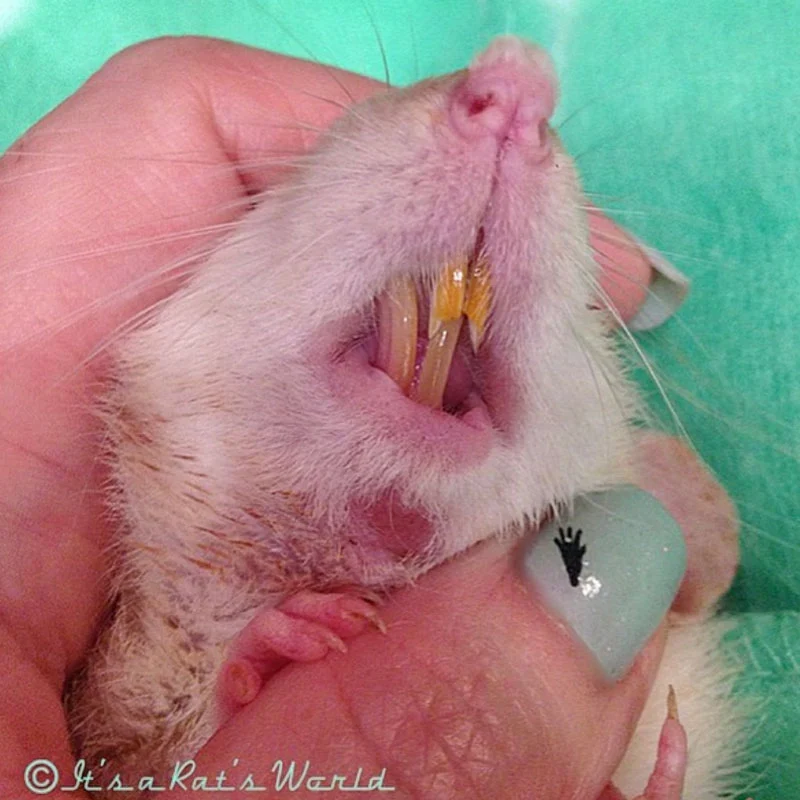
The dental anatomy of rats, and indeed all rodents, presents a fascinating biological distinction from most other mammals, primarily centered around their continuously growing incisors. This perpetual growth, a defining characteristic of rodents, enables these animals to gnaw and process a variety of tough materials essential for their survival. However, this unique adaptation also introduces specific health considerations for pet rats, necessitating informed care from their owners. Understanding the intricacies of rat dentition, from its evolutionary purpose to potential pathological conditions, is crucial for ensuring the well-being of these popular companion animals.
The Evolutionary Advantage of Ever-Growing Teeth
Unlike many mammals that develop a single set of permanent teeth, rodents possess open-rooted incisors, meaning they grow continuously throughout their lives. This remarkable feature serves a dual purpose: it allows them to gnaw effectively, breaking down food sources, building materials, and even defending themselves, while simultaneously ensuring that their teeth are naturally worn down to an optimal length and sharpness. This constant renewal process prevents the severe dental issues that could arise from unchecked tooth growth.
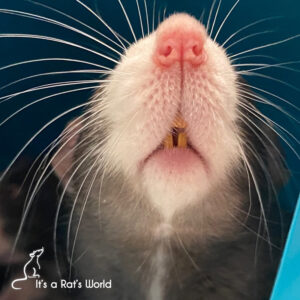
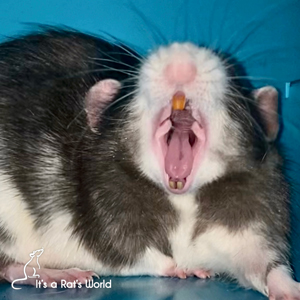
The structure of a rat’s incisors is particularly noteworthy. The front surface is covered with a hard, orangey-yellow enamel, while the back is composed of softer dentin. This differential hardness facilitates a self-sharpening mechanism. As rats gnaw, the softer dentin wears away faster than the enamel, creating a sharp, beveled edge ideal for cutting and scraping. This adaptation is so efficient that rats rarely suffer from cavities; by the time a cavity could potentially form, the affected tooth surface would have already been worn away.
Unique Anatomical Features of Rodent Dentition
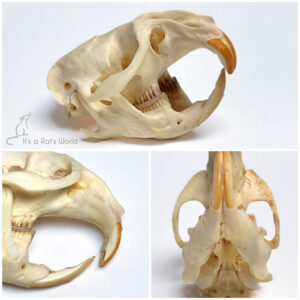
Rats possess a simplified dental formula compared to many other mammals. They have only two types of teeth: incisors and molars. Importantly, they do not have deciduous, or “baby,” teeth; their single set of incisors and molars erupts and persists for their entire lifespan. A typical adult rat has 16 teeth in total. The four incisors, two on the top and two on the bottom, are the first to emerge, usually around 8 to 9 days of age, and are primarily used for gnawing. The molars, located at the back of the mouth, begin to erupt around day 19, with the final set appearing by 35 to 40 days. These molars are crucial for grinding food into a manageable consistency before swallowing.
Further enhancing their gnawing capabilities is the unique structure of the rat’s lower jaw. Unlike the fused bone of many mammals, a rat’s lower jaw is comprised of two independent bones connected by a flexible joint. This allows the bottom incisors to separate slightly and rotate, providing enhanced dexterity and grip when gnawing through tough materials. This independent movement of the lower incisors contributes significantly to their ability to maintain optimal tooth length and sharpness.
The oral anatomy also includes specialized cheek folds located behind the incisors. These folds act as a barrier, preventing unwanted debris from entering the back of the mouth and reaching the molars, and also aiding in preventing food from escaping during chewing. These folds can make it challenging to visually inspect the molars without anesthesia, highlighting the importance of other observable health indicators.
A peculiar and endearing consequence of this powerful gnawing and the associated jaw muscle action is "eye boggling." When a rat vigorously gnaws or grinds its teeth, the strong jaw muscles, which extend behind the eye socket, vibrate the eyeballs. This involuntary movement, often observed during moments of contentment or intense chewing, is a direct testament to the power and functionality of their dental system.
Debunking Common Misconceptions
Despite the widespread popularity of rats as pets, several long-standing myths persist regarding their dental care. One prevalent misconception is that rats require specific hard foods or chew toys to wear down their teeth. While rats naturally enjoy gnawing on various textures, their incisors are inherently designed for self-maintenance. As long as their teeth are healthy and properly aligned, they do not require external intervention for wear. The instinctual behavior of gnawing is sufficient to keep their incisors at an appropriate length.
Another myth suggests that rats can chew through any material, including steel. While their incisors are remarkably strong and capable of penetrating substances like brick, aluminum, cement, and drywall, they are not capable of chewing through steel. This exaggeration of their capabilities often stems from their impressive ability to gnaw through common building materials.
The Critical Danger of Malocclusion
While continuous tooth growth is a beneficial adaptation, it becomes a significant health hazard when the incisors become misaligned, a condition known as malocclusion. This occurs when the upper and lower incisors do not meet or wear down correctly, leading to potentially life-threatening consequences.
Several factors can contribute to malocclusion in rats:
- Trauma: Falls or accidents, such as being stepped on or falling from heights, can cause jaw misalignment or fracture an incisor. If one incisor is damaged, it can disrupt the balanced wear of the other three, leading to disproportionate growth.
- Infections and Tumors: Abscesses, cysts, or tumors near the jawline can alter the alignment of the teeth. Conversely, malocclusion itself can create an environment conducive to developing mouth abscesses by causing teeth to impinge incorrectly on gum tissue.
- Genetics: Some rat breeds or individuals may be genetically predisposed to developing malocclusion, making prevention impossible and treatment the only recourse.
The dangers of untreated malocclusion are severe. Overgrown incisors can eventually curve inwards, piercing the roof of the mouth, leading to extreme pain, infection, and an inability to eat. This can result in starvation and, ultimately, death. In other cases, misalignment can cause the lower incisors to wear down the upper incisors excessively, leaving them as short, uneven stumps. This also compromises the rat’s ability to eat and can further exacerbate the misalignment of the lower incisors.
Proactive Care and Early Detection
Preventing malocclusion entirely is not always possible, especially in genetically predisposed individuals. However, owners can take proactive steps to minimize the risk and facilitate early detection.
Minimizing Risk:
- Safe Housing and Environment: Preventing falls and accidents is paramount. This includes ensuring rats are not kept in unsecured elevated areas and that free-ranging time is supervised to prevent them from being stepped on or getting into hazardous situations.
- Observational Vigilance: Closely monitoring a rat’s eating habits is a critical indicator. A sudden decrease in food intake, refusal of favorite treats, or a noticeable weight loss can signal mouth pain or dental problems.
- Physical Examination: Regular visual inspections of the rat’s mouth, ideally weekly or bi-weekly, are essential. Owners should look for any signs of sores, gum irritation, redness, infection, or cracks and chips in the incisors. Crucially, they should assess if the incisors are wearing down evenly. If one or more teeth appear to be growing into a point or at an unusual angle, it indicates a misalignment.
Recognizing Symptoms of Malocclusion:

Beyond changes in eating habits, other signs of dental discomfort include:
- Facial Rubbing: Rats may rub their faces against objects as a way to alleviate discomfort.
- Drooling: Excessive salivation can be another indicator of oral pain.
- Lethargy and Irritability: General changes in behavior, such as decreased activity or increased irritability, can be linked to chronic pain.
Veterinary Intervention: Teeth Trimming and Management
When malocclusion is diagnosed, veterinary intervention is necessary. The primary treatment involves teeth trimming, a procedure typically performed by a veterinarian using specialized tools such as a Dremel or clippers. Due to the sensitive nature of the procedure and the rat’s natural tendency to squirm, light anesthesia may be required to ensure the safety of both the animal and the veterinarian.
In some instances, a veterinarian might instruct an owner on how to perform minor trims at home. However, this is a delicate task that requires extreme caution and often assistance, as most rats will struggle intensely, increasing the risk of accidental injury.
The long-term management of malocclusion can be challenging. While some rats may only require a few trims to allow their teeth to realign and resume normal wear, many with malocclusion require lifelong, ongoing trimming. It is important to note that trimming teeth can paradoxically accelerate their growth rate. This means that the frequency of trimming may need to increase over time, from monthly to bi-weekly or even weekly, as the condition progresses.
The financial and emotional commitment involved in managing chronic malocclusion should be considered by potential rat owners. The need for regular veterinary visits and procedures can represent a significant ongoing expense. Understanding the potential for such health issues underscores the importance of responsible pet ownership and preparedness for comprehensive veterinary care.
A Commitment to Rat Dental Health
The continuously growing incisors of rats are a marvel of evolutionary adaptation, enabling these animals to thrive in diverse environments. However, this unique trait also necessitates a heightened awareness and proactive approach to their dental health from owners. By dispelling myths, understanding the signs of malocclusion, and seeking prompt veterinary care when needed, owners can significantly improve the quality of life for their pet rats, ensuring these fascinating creatures can continue to gnaw, play, and thrive. The commitment to understanding and addressing the specific dental needs of rats is a fundamental aspect of providing them with the best possible care, allowing their remarkable dentition to remain a source of wonder rather than a cause for concern.
