

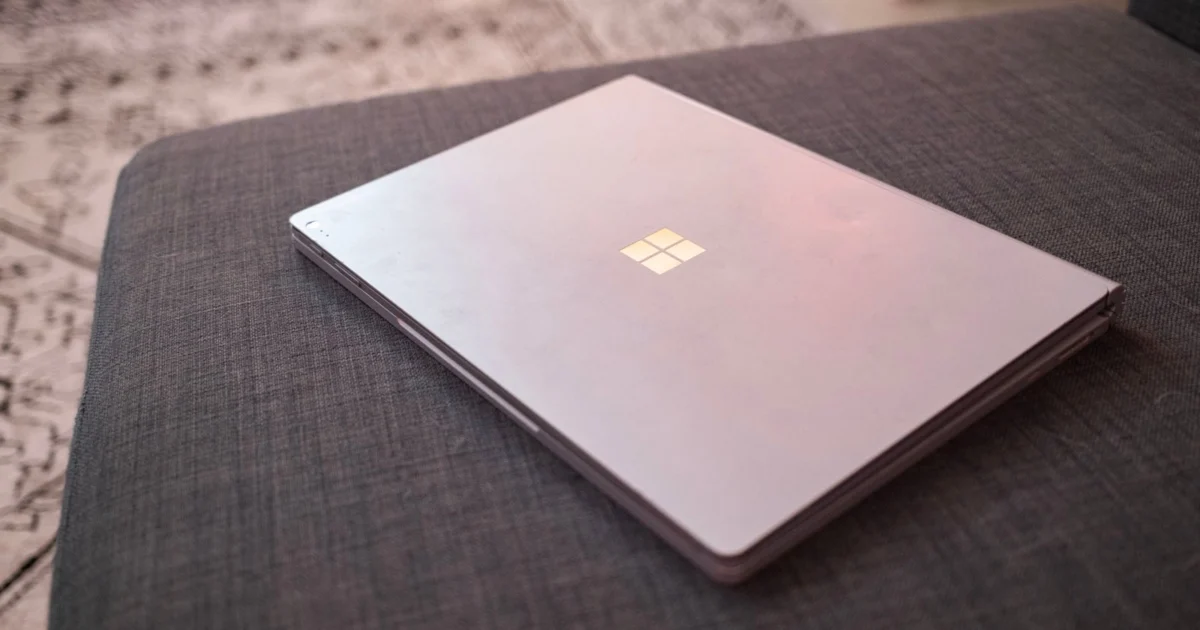
In the rapidly evolving landscape of consumer electronics, where the average lifespan of a laptop is often estimated at four to five years, the endurance of premium hardware remains a subject of intense scrutiny for both manufacturers and consumers. A recent case study involving a Microsoft Surface Book 2, a device originally released in late 2017, has highlighted the unexpected durability of Microsoft’s experimental "Book" design. Despite nearly a decade of heavy use and a catastrophic physical impact that initially appeared to render the unit terminal, the device successfully recovered through a series of forced power cycles, raising questions about the intersection of build quality, thermal management, and long-term hardware reliability.
The Architectural Legacy of the Surface Book
When Microsoft introduced the original Surface Book in 2015, followed by the Surface Book 2 in 2017, it was positioned as the "ultimate laptop." It represented a radical departure from the standard clamshell design, featuring a detachable "Clipboard" (the tablet section) and a "Performance Base" (the keyboard section) that housed an additional battery and, in higher-end models, a discrete NVIDIA GeForce graphics processing unit (GPU).
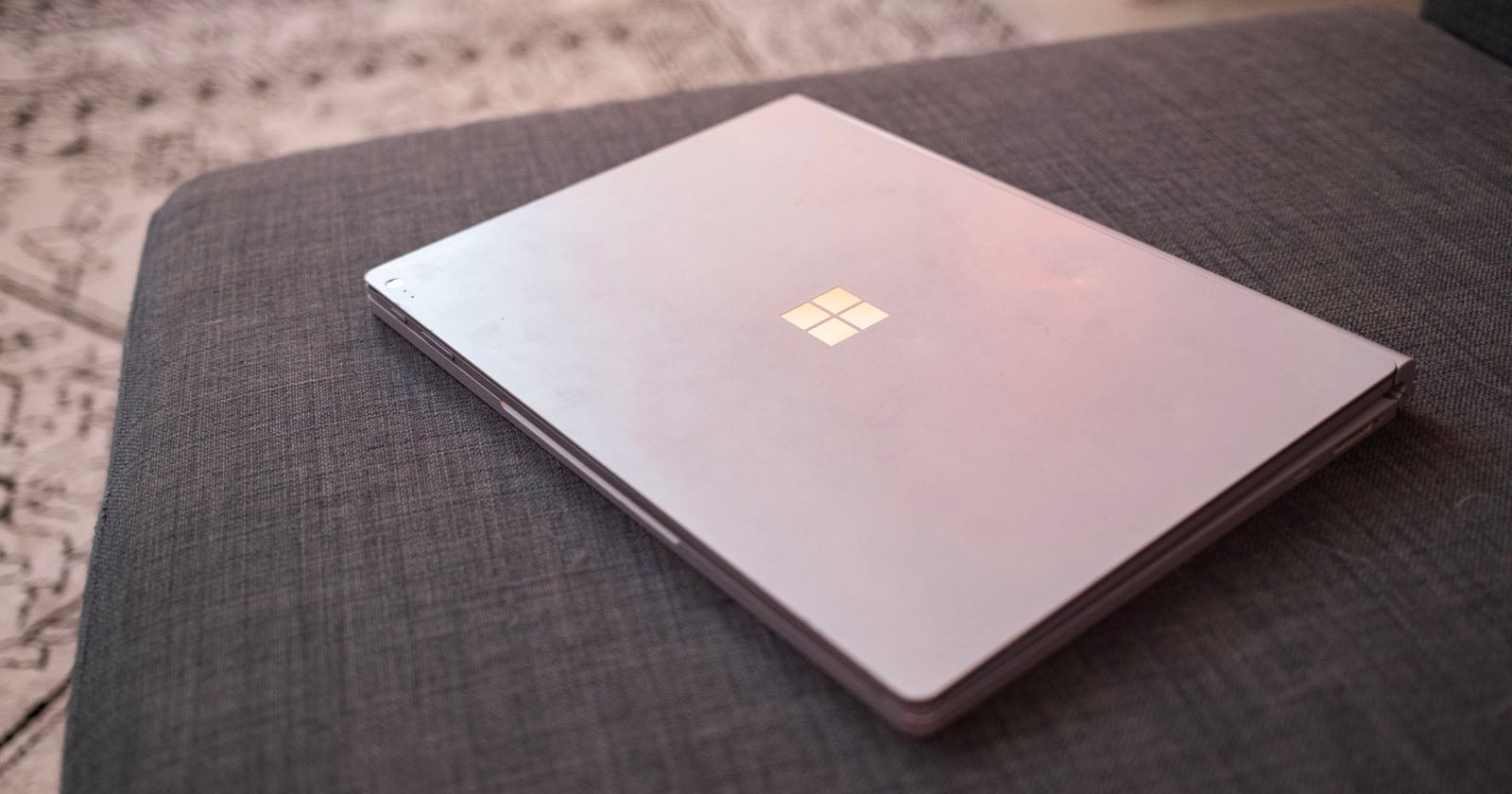
The centerpiece of this engineering feat was the "dynamic fulcrum hinge." Unlike traditional hinges that pivot on a single axis, the fulcrum hinge unrolled as it opened, extending the footprint of the base to provide the necessary counterbalance for the top-heavy tablet section. While the design was criticized by some for leaving a visible gap when closed—allowing dust and debris to enter—it provided a unique functional advantage: the ability to mount the screen in a "View Mode" or "Studio Mode" by reversing the display’s orientation. This mechanical complexity was often cited as a potential point of failure, yet for long-term users, the hinge has proven to be one of the more robust elements of the chassis.
A Decade of Service: The Case of the Nine-Year-Old Workhorse
The subject device, a Surface Book 2 manufactured in early 2016 and purchased for professional review in 2017, served as a primary computing device for nearly nine years. In a professional context, particularly for photographers and videographers, the Surface Book series was often viewed with mixed emotions. While the 3:2 aspect ratio and high-resolution PixelSense display were ideal for photo editing, the thermal constraints of housing the CPU behind the screen often led to performance throttling during intensive tasks like 4K video rendering.
However, for the "prosumer" or general user, the device’s utility remained high long after its peak performance era had passed. In the case documented, the laptop transitioned from a professional editing tool to a dedicated household device, used for budgeting, web browsing, and organizational tasks. This transition is typical for premium hardware, where the high initial cost—often exceeding $3,000 for top-tier configurations—is justified by a prolonged "second life" in a less demanding role.
The Incident: Mechanical Failure and the Screaming Fan
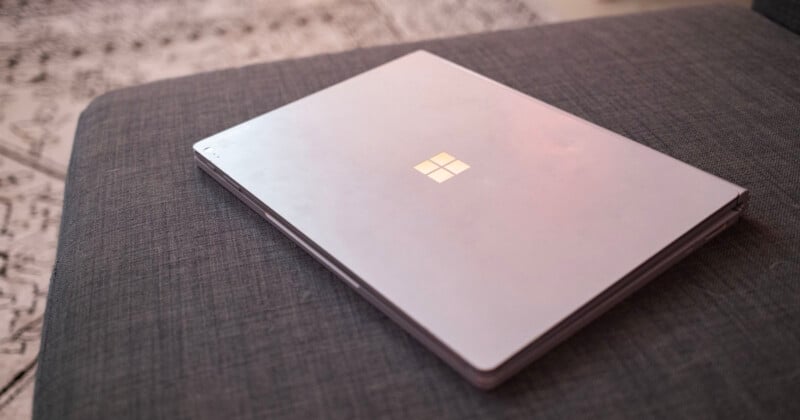
The longevity of this specific Surface Book was nearly cut short last week following a significant physical shock. After falling from a couch—a recurring event over its nine-year history—the device exhibited signs of a catastrophic system hang. According to reports, the keyboard unit failed to communicate with the display, a common issue with the Surface Book’s proprietary "Surface Connect" pins, which utilize a motorized muscle-wire lock to secure the two halves.
Furthermore, the device entered a critical thermal state. The internal cooling fans, designed to dissipate heat from the Intel Core i7 processor, began operating at maximum RPM without cessation. Because the physical connection between the keyboard (which contains the primary power management controllers) and the tablet was compromised, the user was unable to initiate a standard software shutdown. The device was effectively "locked" in a high-power failure state, leading to the assumption that the motherboard or the connector pins had suffered permanent damage.
Chronology of Recovery
The recovery of the device followed a non-traditional path that highlights the resilience of integrated battery systems:
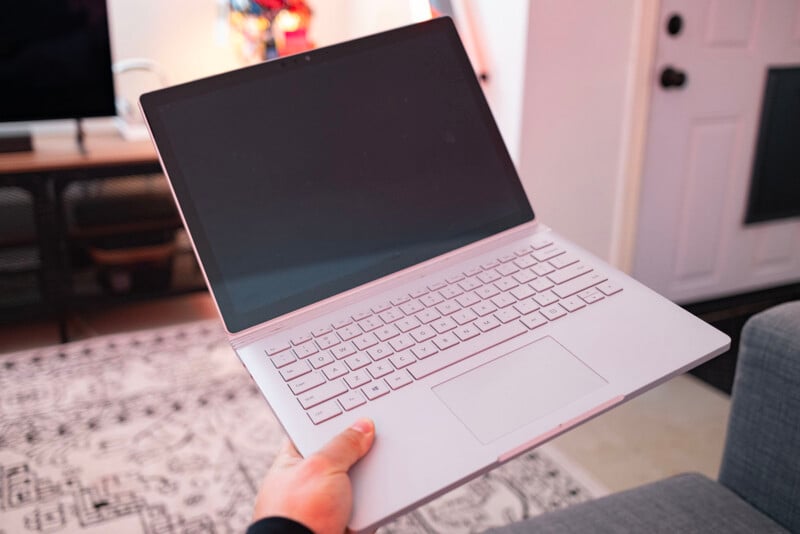
- The Impact: The device suffered a drop from approximately two feet onto a carpeted surface, resulting in an immediate hardware disconnect between the base and the screen.
- The Failure State: The system remained powered on with the screen active, but input from the keyboard and trackpad was non-responsive. The cooling fans remained at 100% power, indicating a firmware loop or a sensor failure triggered by the shock.
- The Depletion Phase: Lacking a way to force a hardware reset via the keyboard, the owners allowed the device to remain in its failure state until the internal batteries (both in the tablet and the base) were completely exhausted. Despite the age of the batteries, the high-speed fan continued to run for several hours, suggesting significant remaining charge capacity.
- The Hard Reset: Once the power was fully depleted, the system’s volatile memory was cleared, and the internal logic controllers were forced to reset.
- Reconstitution: Upon being connected to a 102W Surface Power Supply, the device initiated a standard boot sequence. The "muscle wire" mechanism re-engaged, and the keyboard and GPU base were once again recognized by the operating system.
Supporting Data: Hardware Lifespans and Consumer Trends
The survival of a 2016-era laptop into 2025 is a statistical outlier. Data from the International Data Corporation (IDC) suggests that the average replacement cycle for a consumer laptop has fluctuated between 3 and 5 years over the last decade. Several factors contribute to the premature "death" of these devices:
- Battery Degradation: Lithium-ion batteries typically lose 20% of their capacity after 300 to 500 charge cycles. A nine-year-old device surviving such a cycle is a testament to Microsoft’s power management firmware.
- Software Obsolescence: The transition to Windows 11 introduced strict hardware requirements, specifically regarding Trusted Platform Module (TPM) 2.0. While the Surface Book 2 is compatible, many contemporary devices were phased out.
- Mechanical Wear: The Surface Book’s hinge and detachable mechanism involve moving parts and electrical contacts that are prone to oxidation and fatigue.
The fact that this specific unit continues to function despite physical dents and scratches suggests that the magnesium alloy chassis used in the Surface line provided a level of structural integrity that exceeds the industry standard for plastic or thin-aluminum ultrabooks.
Broader Implications for the Tech Industry
The "not today" moment for this Surface Book arrives at a time when the tech industry is facing increased pressure from "Right to Repair" advocates and environmental regulators. The Surface Book was notoriously difficult to repair, receiving a 1 out of 10 score for repairability from iFixit during its initial launch due to the heavy use of adhesives and the difficulty of accessing the batteries.
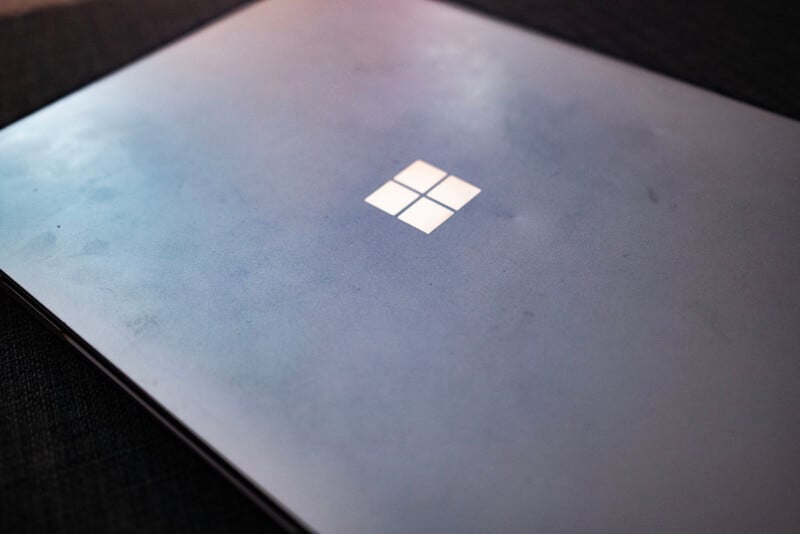
However, the longevity of this device presents a counter-argument to the repairability narrative: build quality. If a device is engineered to survive nearly a decade of accidental drops and heavy usage without requiring internal service, the environmental impact of its "unrepairable" nature is mitigated by its extended lifecycle. This "durability as sustainability" model is one that Microsoft has leaned into with its more recent Surface Pro and Surface Laptop Studio models, which have moved toward more modular designs while maintaining the premium materials seen in the original Book.
The End of the Book Era
Microsoft officially discontinued the Surface Book line in 2021, replacing it with the Surface Laptop Studio. The newer design replaced the detachable screen with a "woven hinge" that allows the screen to pull forward. This change was largely driven by the need for better thermal performance and a more stable connection between the CPU and the GPU. The detachable "Clipboard" of the Book series was always limited by its thinness, as it could not house a large battery or a powerful cooling system.
Despite its discontinuation, the Surface Book remains a cult favorite among a specific subset of users who value the ability to have a true "digital clipboard" without sacrificing the stability of a rigid keyboard base. The recovery of this nine-year-old unit serves as a reminder that even in an era of disposable tech, high-end engineering can occasionally defy the expectations of planned obsolescence.
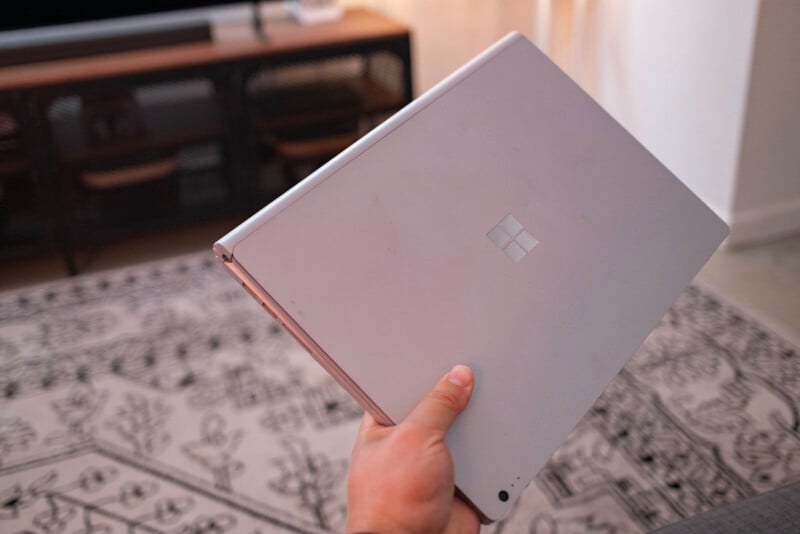
As the device returns to its daily duties of budgeting and browsing, it stands as a relic of a period when Microsoft was willing to take massive architectural risks. For the user, the "loyal old laptop" represents more than just a tool; it is a piece of hardware that has survived the transition from the mid-2010s to the mid-2020s, proving that sometimes, the best way to fix a terminal failure is simply to wait for the machine to find its own way back to the start.
