


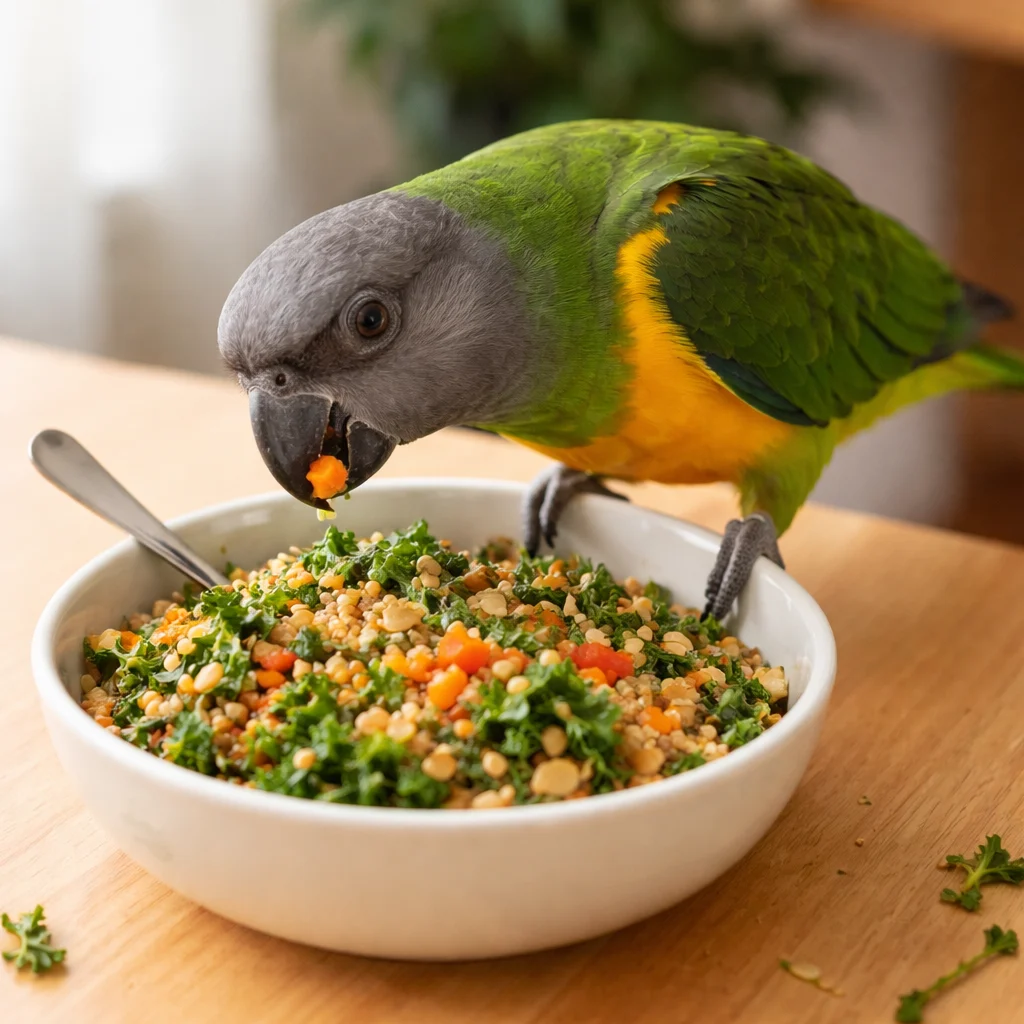
The complex interplay of metabolism, environmental factors, and life stages significantly influences the health and longevity of companion birds. A recurring question among avian caretakers, often sparked by subtle observations of their feathered companions, revolves around the potential benefits of antioxidant supplementation, particularly during periods of elevated physiological demand. While the short answer suggests a nuanced approach – sometimes beneficial, always as part of a broader nutritional strategy – a deeper understanding reveals the critical role of these compounds in maintaining cellular integrity and overall resilience. This article, informed by insights from avian health experts like Diane Burroughs, founder of BirdSupplies.com and UnRuffledRx™, delves into the science behind oxidative stress in avian physiology, identifies key periods where targeted antioxidant support can be most impactful, and outlines a balanced, evidence-based approach to integrating these nutrients into a bird’s diet.
Oxidative stress is an inescapable facet of life for all aerobic organisms, including birds. It arises from an imbalance between the production of reactive oxygen species (ROS), also known as free radicals, and the body’s ability to detoxify these harmful byproducts or repair the resulting damage. For birds, whose inherently high metabolic rates drive their characteristic energy and activity levels, the generation of free radicals is a constant process. Fundamental biological activities such as breathing, digestion, movement, and the intricate process of feather growth all contribute to this metabolic workload. When the production of ROS overwhelms the body’s natural antioxidant defenses, cellular components like DNA, proteins, and lipids can suffer damage, potentially leading to a cascade of negative health effects over time, impacting everything from immune function to overall vitality.
Antioxidants are a diverse group of compounds, both endogenous (produced by the body) and exogenous (obtained through diet), that play a crucial role in neutralizing free radicals. They achieve this by donating an electron to unstable free radicals, thereby stabilizing them and preventing them from causing further cellular damage. In essence, antioxidants act as cellular peacekeepers, helping the body maintain a delicate redox balance. This balance is not about halting oxidative processes entirely, as some level of ROS is necessary for normal cellular signaling and immune function, but rather about managing them efficiently to prevent excessive damage. A wide array of nutritious, plant-based foods are naturally rich in these vital compounds, offering not only antioxidant benefits but also a spectrum of other essential nutrients that work synergistically to support overall health.
The heightened interest in antioxidant support among bird owners often stems from a keen observational instinct. Many owners are already committed to providing high-quality care, including a diet of pellets and fresh plant-based foods, consistent routines, and enriching environments. Their inquiries are not typically driven by a pursuit of "miracle cures" or fleeting trends, but rather a thoughtful desire to support their bird’s long-term wellness when they perceive their companion might be "a little more taxed by life than usual." This proactive approach, focusing on preventive nutritional strategies rather than reactive interventions, reflects a growing understanding of avian health and a commitment to optimizing their birds’ quality of life.
The Avian Metabolic Landscape: Why Birds Face Unique Oxidative Challenges
Birds possess a remarkable physiology tailored for flight and high activity, characterized by an exceptionally rapid metabolism. This elevated metabolic rate, while enabling their energetic lifestyles, inherently leads to a higher rate of oxygen consumption and, consequently, a greater production of reactive oxygen species compared to many other vertebrates. For instance, a small songbird may have a resting heart rate exceeding 500 beats per minute, significantly higher than most mammals, indicating a sustained high metabolic output. In the wild, birds mitigate this constant oxidative challenge through diverse foraging strategies, consuming a vast array of plant materials, insects, and other food sources that naturally supply a rich spectrum of antioxidants. Their environments also typically offer abundant opportunities for natural sunlight exposure, varied physical activity, and complex social interactions, all of which contribute to a robust physiological balance.
However, the reality of life for a companion parrot diverges significantly from its wild counterparts, introducing a unique set of stressors that can amplify the oxidative load. Even in the most meticulously maintained home environments, factors such as indoor air quality, artificial lighting regimens, and restricted dietary variety can place additional demands on a bird’s metabolic system. Indoor air, for instance, may contain various pollutants from household products, cooking fumes, particulate matter from heating systems, or even dust, all of which can contribute to respiratory and systemic stress that triggers oxidative processes. Artificial lighting, especially if not adequately calibrated to mimic natural light cycles, can disrupt a bird’s circadian rhythms, impacting hormone production, sleep patterns, and overall physiological equilibrium, leading to chronic low-grade stress.
Furthermore, the typical diet of a captive bird, even one based on high-quality pellets, often lacks the sheer diversity and phytochemical richness found in a wild diet. While pellets provide foundational nutrition, they cannot fully replicate the complex array of plant compounds—including hundreds of different antioxidants—that a wild bird would naturally encounter through foraging. Limited foraging opportunities also deprive birds of physical and mental stimulation, which can contribute to psychological stress, further exacerbating the body’s metabolic workload. Routine changes, travel, social disruptions, or even the presence of new objects can all induce acute and chronic stress, leading to an increased demand for nutrients that support stress response and cellular repair. None of these factors necessarily imply "bad care"; rather, they represent normal demands placed on a bird’s body within a domestic setting, highlighting the immense importance of comprehensive nutrition in supporting their ability to cope, recover, and thrive over the long term.
When Targeted Antioxidant Support Becomes Essential: Identifying High-Stress Periods
While a robust foundational diet provides continuous antioxidant support, certain physiological and environmental periods intensify a bird’s metabolic demands, making targeted, additional antioxidant provision particularly beneficial. These are times when the body is working harder than usual, drawing down its reserves and potentially becoming more susceptible to oxidative damage.
-
Molting: The process of feather production is extraordinarily nutrient-intensive, ranking among the most demanding physiological events in a bird’s life. Feathers are primarily composed of keratin, a protein that requires a substantial input of amino acids, vitamins, and minerals for synthesis. The rapid growth of new feathers also necessitates significant cellular turnover and energy expenditure. Antioxidants play a crucial role during molting by supporting the cellular repair mechanisms, reducing inflammatory responses that can accompany feather growth, and protecting newly forming tissues from oxidative damage. For example, Vitamin E and carotenoids can help ensure the integrity of cell membranes during rapid cell division, leading to the development of healthy, vibrant new plumage. Even birds on excellent diets can benefit from this extra support to ensure a smooth, efficient molt.
-
Aging: As birds age, their cellular repair mechanisms can become less efficient, and the accumulation of oxidative damage contributes to cellular senescence and a general decline in physiological function. Older birds, much like older humans, often exhibit reduced immune responses, slower recovery times from stress or illness, and a greater susceptibility to age-related conditions such as arthritis, cataracts, and cognitive decline. Antioxidants can help mitigate the effects of cumulative oxidative stress, supporting cognitive function, joint health, and overall vitality in geriatric birds. Compounds like Vitamin C and E, along with various plant polyphenols, can help protect neuronal cells and maintain cellular elasticity. Rescue birds, who often arrive with compromised health, nutritional deficiencies, or a history of chronic stress, may also benefit from early antioxidant support to aid in their recovery and adaptation to a new environment, helping to reverse or slow the impact of past stressors.
-
Dietary Limitations: Even with the best intentions, many companion birds do not consume a sufficiently varied diet of fresh, plant-based foods consistently. If a bird’s diet is heavily reliant on pellets with limited access to fresh fruits, vegetables, and leafy greens, it may not be receiving the full spectrum of natural antioxidants found in diverse whole foods. For example, a diet lacking sufficient dark leafy greens will be deficient in carotenoids and Vitamin K, while a lack of berries will reduce intake of anthocyanins. In such cases, thoughtful supplementation with plant-based sources of antioxidants can help bridge these nutritional gaps, providing a protective buffer against the potential consequences of a less-than-optimal diet.
-
Hormonal or Seasonal Shifts: Changes in light cycles, temperature, and social dynamics can trigger significant hormonal fluctuations in birds, particularly during breeding season. These physiological shifts, which govern reproductive behaviors, egg-laying, and nesting activities, place considerable demands on a bird’s body. The increased metabolic activity associated with these cycles can heighten oxidative stress. For instance, egg production is energetically expensive and involves significant calcium metabolism, which can generate ROS. Antioxidant support during these periods can help stabilize cellular function, support reproductive health, and aid in managing the physical and emotional demands of hormonal activity, potentially reducing issues like egg-binding or hormonal aggression.
-
Environmental or Emotional Stress: Birds are highly sensitive creatures, and various environmental factors or emotional stressors can significantly elevate their physiological demands. Routine changes, such as a new cage setup or a different daily schedule, can be unsettling. Loud noises, travel to a new location, visits to the veterinarian, or social disruptions within the household (e.g., introduction of a new pet, changes in family dynamics) all trigger stress responses. These responses involve the release of stress hormones, which can increase metabolic activity and, consequently, free radical production. Providing additional antioxidant support during these times can help the body cope more effectively with these stressors, supporting overall resilience and faster recovery, potentially leading to more stable behavior and immune function.
The Scientific Underpinnings: How Antioxidants Work in Avian Systems
The scientific community has extensively studied the mechanisms by which antioxidants operate across various species, including birds. Research, such as studies on migratory songbirds, has indicated that intense physiological activities like flying can stimulate the antioxidant system and protect against oxidative damage, highlighting the inherent adaptive capacity of avian physiology. However, this natural capacity can be overwhelmed in non-native or stressful environments where dietary and environmental factors differ significantly from the wild
