


One of the most surprising discoveries for new birdwatchers, and often for those who observe birds casually over many years, is how frequently common species are misnamed. This phenomenon is not typically a reflection of inattentiveness but rather stems from the inherent similarities in size, color, and behavior among many bird species, especially when observed briefly, from a distance, or under less-than-ideal lighting conditions. Understanding the common points of confusion can significantly enhance bird identification skills. This article delves into some of the most frequently misidentified birds in the United States and explores the reasons behind these common mix-ups, offering insights that can help enthusiasts sharpen their observational prowess.
The Ubiquitous "Blackbird" That Isn’t Always a Blackbird
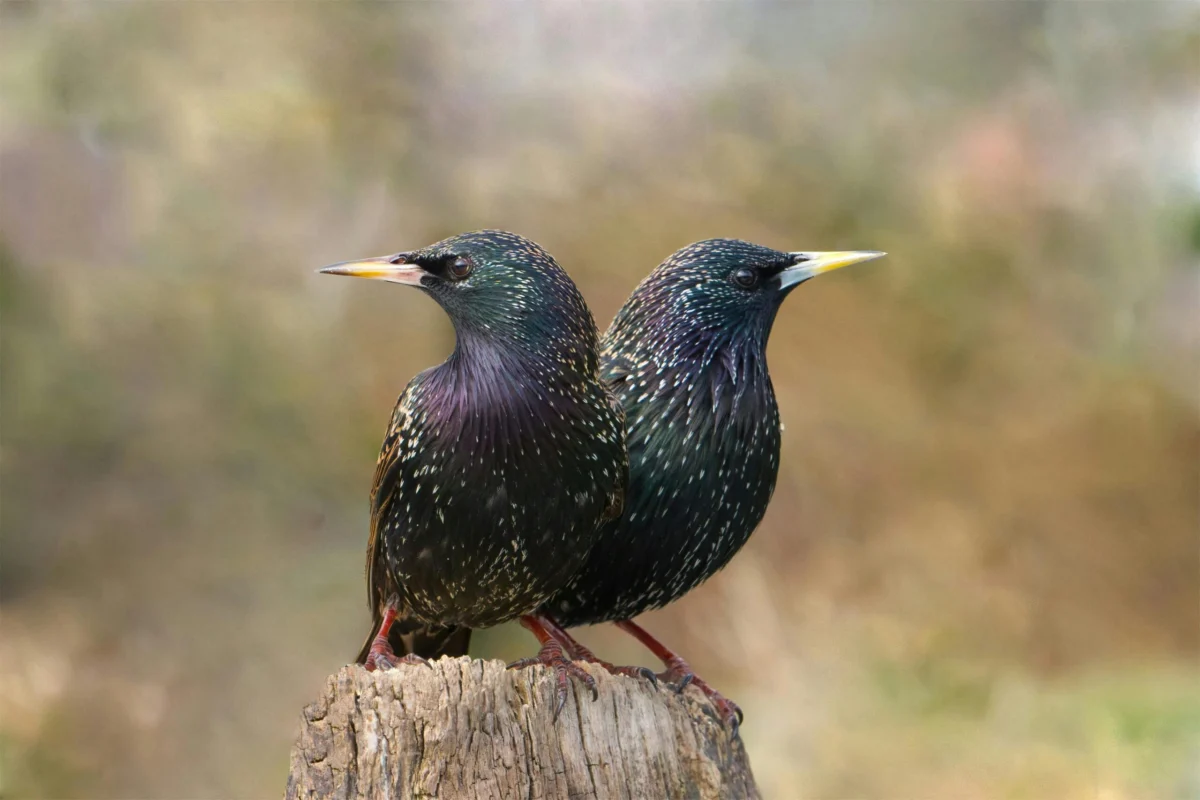
A frequent source of misidentification arises from the broad, informal use of the term "blackbird" to describe any medium-sized, dark-colored bird. In reality, this descriptor often encompasses several distinct species, including European Starlings, Common Grackles, and American Crows. European Starlings, in particular, are a common culprit due to their ubiquitous presence in human-inhabited areas and their dark, iridescent plumage, which can appear uniformly black from a distance.

The key to differentiating these dark birds lies in observing their size, shape, and behavior. European Starlings are relatively small and often move in noisy, active flocks. Common Grackles are larger than starlings, with a distinctive long, keel-shaped tail and a more confident, sometimes aggressive demeanor. American Crows are considerably larger than both starlings and grackles. Their flight pattern is typically a steady, direct flap, and they are often heard before they are seen, emitting their characteristic loud "caw." Crows are also frequently observed singly or in pairs, or in larger family groups, especially during the non-breeding season.
Data from the Cornell Lab of Ornithology’s eBird project indicates that European Starlings are among the most common bird species reported across North America, highlighting their frequent interaction with human observers and, consequently, their role in misidentification. Their adaptability to urban and suburban environments means that virtually anyone can encounter them, making accurate identification a valuable skill.
Downy Woodpecker vs. Hairy Woodpecker: A Tale of Two Similar Sapsuckers
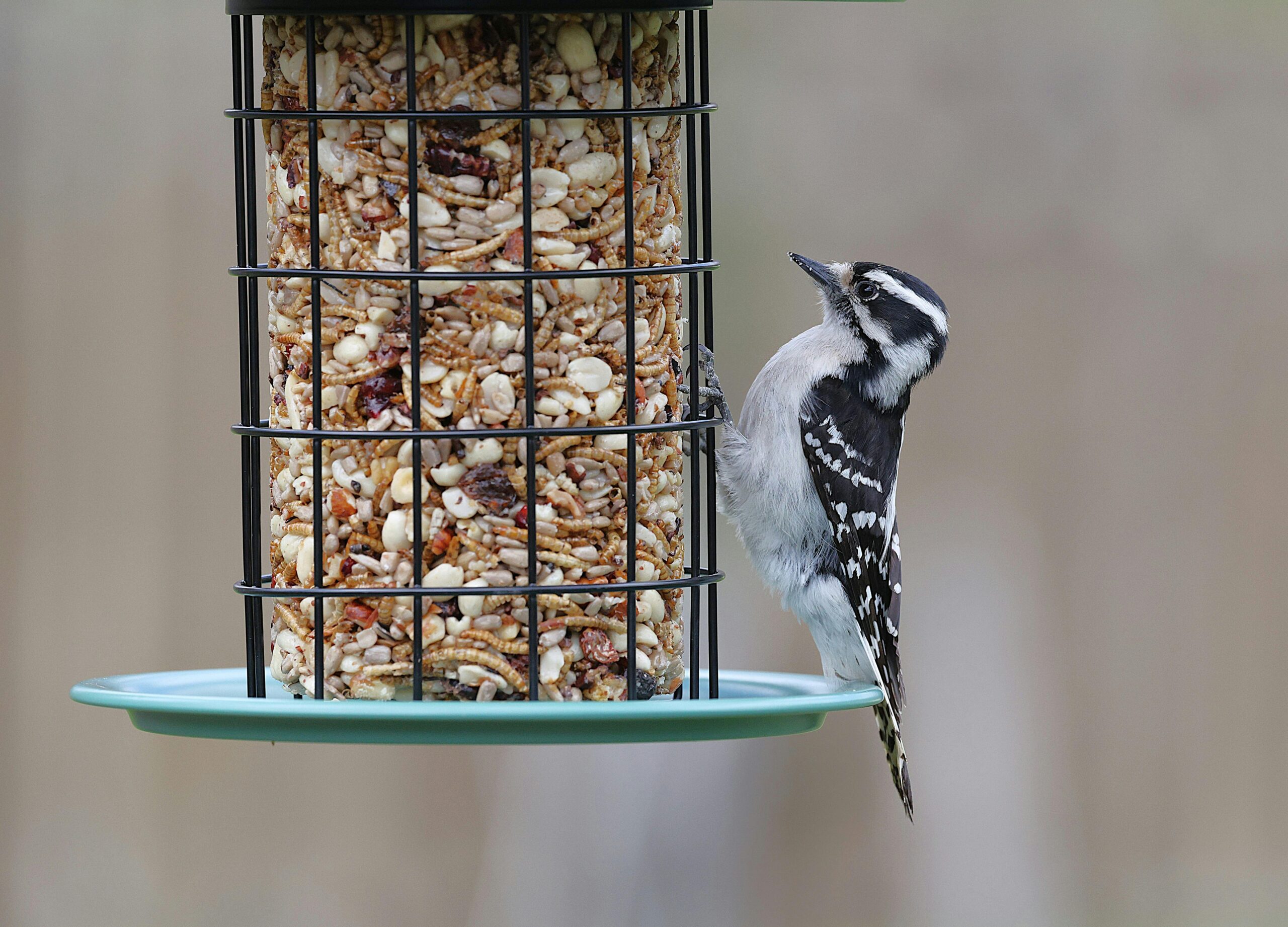
The subtle differences between the Downy Woodpecker and the Hairy Woodpecker often lead to confusion, particularly for those new to birdwatching. These two species appear remarkably similar at first glance, sharing a black-and-white patterned plumage. However, a closer examination of size is crucial for distinguishing them.

The Downy Woodpecker is the smaller of the two, typically measuring around 5.5 inches in length. It is often found in backyards, parks, and woodlands, and is known for its inquisitive nature and its tendency to forage on smaller branches and twigs. Its bill is notably small and delicate, in proportion to its head.
In contrast, the Hairy Woodpecker is significantly larger, often reaching 9 inches in length. This bird favors mature forests and larger trees, and its bill is considerably larger and more robust, often described as "dagger-like." This difference in bill size is a key field mark. While both species have a white stripe down their back and black barring on their outer tail feathers, the Hairy Woodpecker’s larger size and more substantial bill are the most reliable indicators for identification. The Downy Woodpecker’s shorter, stubbier bill is often the easiest distinguishing feature when viewed side-by-side, though this opportunity is rare for many observers.
The presence of these woodpeckers at bird feeders can also be a clue. Downy Woodpeckers are more frequent visitors to suet feeders and are generally more comfortable in close proximity to humans, while Hairy Woodpeckers may be more wary and prefer larger trees and natural food sources.
American Crow vs. Common Raven: The Giants of the Corvid Family
Large, all-black birds soaring overhead or perched prominently often spark debate between those who identify them as crows or ravens. While both are members of the Corvid family and share a dark coloration, significant differences exist that can aid in accurate identification.
Common Ravens are substantially larger than American Crows, often comparable in size to a Red-tailed Hawk. Their bills are thick and heavy, with a noticeable curve and shaggy feathers at the base (rictal bristles). Ravens also possess a wedge-shaped tail in flight, and their wingbeats are deeper and more deliberate. Their vocalizations are a repertoire of deep croaks, clicks, and even mimicry, contrasting with the crow’s more familiar "caw." Ravens are also known for their acrobatic flight, including soaring and gliding.
American Crows, on the other hand, are smaller, with a more evenly proportioned bill that is less massive. Their tails are typically squared or slightly rounded at the end. Their flight is characterized by steady, consistent wingbeats, and their calls are the iconic, high-pitched "caw-caw." While crows can also be found in a variety of habitats, they are often more associated with open country, agricultural areas, and suburban environments.

The geographic distribution also plays a role. While American Crows are widespread across much of North America, Common Ravens are found in a wider range of habitats, including wilderness areas, coastlines, and mountains, though they are also making a comeback in some formerly abandoned territories. Observing flight patterns—soaring versus steady flapping—and listening to the distinct vocalizations are key to differentiating these intelligent birds.
American Robin vs. Northern Mockingbird: Masters of the Lawn and Song
The American Robin and the Northern Mockingbird, both familiar backyard visitors, can easily be confused due to their similar size and their preference for foraging in open areas like lawns. Both are medium-sized birds with an upright posture, and from a distance, their general silhouettes can appear alike.
The most significant distinguishing factor between these two species is their behavior and vocalization. American Robins are famously known for their habit of hopping across lawns, head cocked, searching for earthworms and other invertebrates. Their song, while pleasant, is typically a series of cheerful, clear whistles. Robins have a distinctive reddish-orange breast and a dark gray back.

Northern Mockingbirds, while also found on lawns, are perhaps more renowned for their extraordinary vocal abilities. They are tireless singers, capable of mimicking a vast array of sounds, including other birds, insects, amphibians, and even mechanical noises. Their songs are complex and varied, often delivered from prominent perches like rooftops, trees, or fences. Mockingbirds are generally more uniformly gray, with lighter undersides and distinctive white patches on their wings and tail that are visible in flight. Their behavior is often more bold and territorial than that of robins.
The presence of a bird meticulously probing the ground for food is more indicative of a robin, while a bird perched high, delivering an elaborate and varied song, is more likely a mockingbird.
House Sparrow vs. House Finch: Common Feeder Visitors
House Sparrows and House Finches are two of the most common birds to frequent bird feeders and suburban yards, leading to frequent misidentification. While both are small, seed-eating birds, their physical characteristics and origins differ significantly.

The House Sparrow, an introduced species from Europe, is a relatively plump bird with a streaky brown and gray appearance. Males have a black bib, gray crown, and chestnut nape, while females are more uniformly drab brown. They tend to be somewhat bolder and more gregarious than finches, often congregating in noisy groups.
The House Finch, native to the western United States but now established in the East, is a more slender bird. Adult males are particularly striking, with reddish or rosy coloration on their forehead, throat, and breast, contrasting with their streaky brown body. Females are a plainer brown streaked all over, making them harder to distinguish from female House Sparrows at first glance. However, the male House Finch’s vibrant red markings are a clear indicator.
A key behavioral difference is also the shape of their bills. House Finches have a more conical, finch-like bill adapted for cracking seeds, while House Sparrows have a stouter, more sparrow-like bill. Observing the subtle differences in coloration, particularly in the males, and the overall body shape—chunkier for sparrows, slimmer for finches—are crucial for accurate identification. The Cornell Lab of Ornithology notes that House Finches are increasingly common at feeders across the country, expanding their range and thus their overlap with House Sparrows.

Mourning Dove vs. Rock Pigeon: The Urban Dwellers
The Mourning Dove and the Rock Pigeon, both familiar sights in urban and suburban landscapes, are often mistaken for one another. Their presence around human structures and open spaces can lead to the assumption that they are the same species.
Rock Pigeons, also known as Rock Doves, are the classic city pigeons, typically found in flocks around buildings, statues, and plazas. They exhibit a wide range of plumage variations, from iridescent grays and blues to whites and browns. They are generally stockier birds with shorter, square tails. Their behavior is often social and somewhat boisterous, and they are adept at navigating busy urban environments.
Mourning Doves, in contrast, are more slender and graceful. They are distinguished by their long, elegantly pointed tails and their soft, cooing vocalizations. Their plumage is a delicate buffy-brown with black spots on their wings. Mourning Doves tend to be more solitary or found in pairs, and their movements are often described as gentle and deliberate. When foraging, they are more likely to be seen on the ground or perched on wires and fences, often appearing more delicate than the robust pigeon.

The most striking visual difference is the tail shape: long and pointed for the Mourning Dove, short and square for the Rock Pigeon. Their demeanor also differs; the dove’s quiet, gentle presence contrasts with the pigeon’s more social and sometimes assertive nature.
Chickadee vs. Titmouse: Tiny Flurry of Gray
Small, active gray birds flitting through trees and visiting feeders are often a source of confusion between chickadees and titmice. Both species are common and energetic, contributing to their frequent mix-ups.
Chickadees, such as the Black-capped Chickadee or Carolina Chickadee depending on the region, are characterized by their distinct black cap and bib, which stand out against their white cheeks. They are small birds with short, rounded tails and a lively, inquisitive demeanor. Their high-pitched "chick-a-dee-dee-dee" call is a familiar sound in many wooded areas and backyards.

Tufted Titmice, on the other hand, are slightly larger and lack the distinct black cap. They possess a prominent crest on their head, a gray back, and a paler underside. Their calls are typically a clear, whistled "peter-peter-peter." While both species are agile and often forage in mixed flocks, paying attention to the head markings—the chickadee’s bold cap and bib versus the titmouse’s crest and overall gray coloration—is the easiest way to differentiate them. Their flight styles can also differ, with chickadees often exhibiting more fluttering movements.
Blue Jay vs. Other Blue Jays: A Spectrum of Azure
The vibrant Blue Jay is a familiar sight in many parts of the United States, but its striking blue plumage can lead to confusion with other jays, particularly in regions where its range overlaps with other species.
In the eastern and central United States, the bird with bright blue, black, and white markings, a prominent crest, and a loud, raspy call is almost certainly a Blue Jay. These birds are bold and conspicuous, often visiting feeders and easily identifiable by their distinctive appearance.

However, in western parts of the country, other jay species exhibit similar brilliant blue coloration but with different patterns. Steller’s Jays, for example, are a common western counterpart. They typically have a dark, slaty-blue head and breast that contrasts sharply with their brighter blue wings and tail, creating a striking two-toned effect. California Scrub-Jays, also found in the west, are a more uniform bright blue above and pale gray below, with a distinct white throat and eyebrow.
The key differentiator for Blue Jays is their overall pattern: a combination of bright blue, black barring on the wings and tail, a black necklace, and a prominent crest. When observing blue birds in the west, looking for these specific patterns, as well as considering regional distribution, becomes essential for accurate identification.
The Psychology of Misidentification: A Natural Part of Learning
It is important to recognize that misidentifying birds is not a sign of failure but rather an integral part of the learning process in birdwatching. The act of questioning a bird’s identity is, in itself, an indication of growing observational skill. Birdwatching is fundamentally about repeated observation, and with each sighting, a birder’s ability to discern subtle differences in morphology, behavior, and vocalizations improves.

Even seasoned ornithologists and experienced birders occasionally misidentify species, particularly when faced with challenging conditions such as poor lighting, distant views, or fleeting glimpses. The dynamic nature of bird behavior, coupled with the vast diversity of avian species, ensures that there is always more to learn and refine.
A Reassuring Perspective for Aspiring Ornithologists
For anyone who has ever questioned their initial identification of a bird and later discovered they were calling it by the wrong name, this experience is a shared journey among birdwatchers. The path to mastering bird identification is not about achieving immediate perfection but about cultivating a habit of careful observation, pattern recognition, and a gradual deepening of familiarity with the avian life that inhabits our surroundings. The very act of questioning what is seen signifies an engagement with the natural world that is the hallmark of a budding observer. This curiosity and attention to detail are the foundations upon which expertise is built, transforming common encounters into moments of genuine discovery and understanding. The journey of identifying birds is a continuous process of learning and appreciation, making every sighting an opportunity for growth.
