


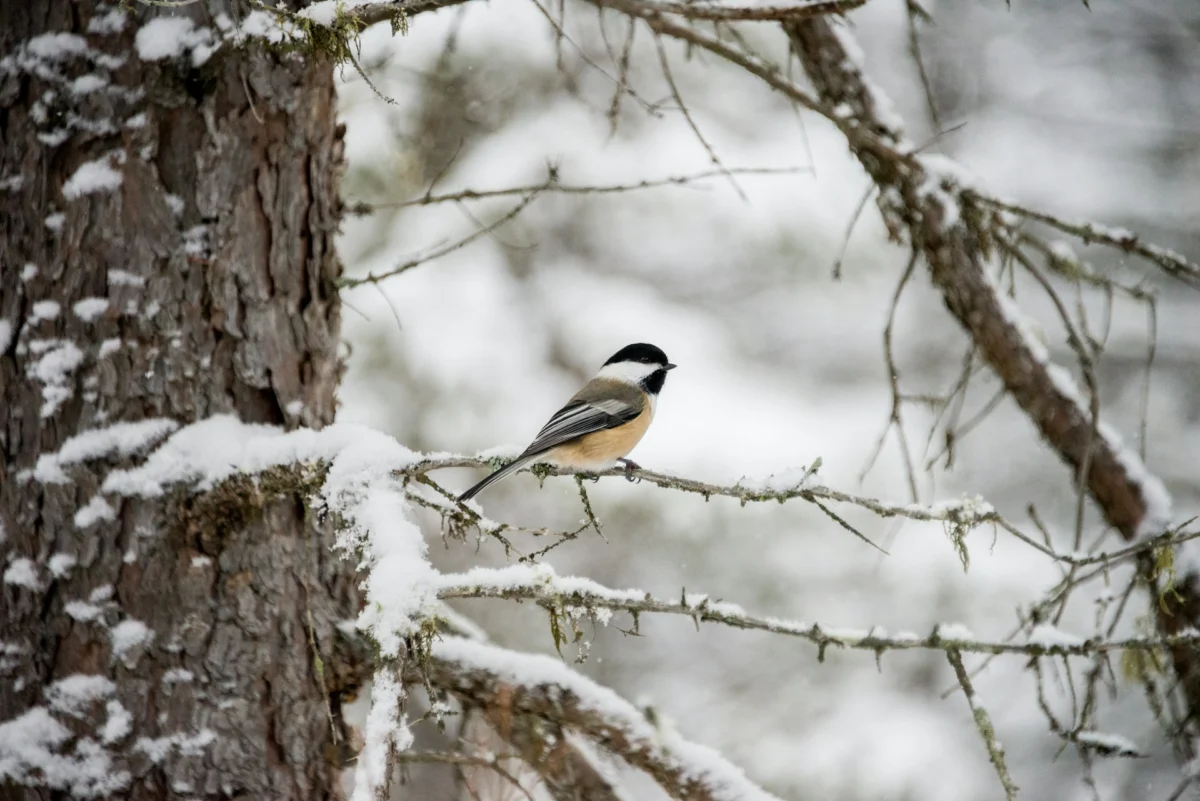
The countryside, often hushed and softened in winter’s embrace, reveals a different kind of beauty as the days shorten and the landscape strips back to its essentials. With leaves fallen and ground cover thinned, birds become more visible, their songs more audible, and their presence often more revealing than at any other time of year. The Christmas season, in particular, offers a rare gift: unhurried daylight, reflective moods, and the precious space to notice the natural world that might otherwise be missed. This is not a guide to chasing elusive rarities, but rather an invitation to seek out those brief, memorable encounters that feel intrinsically woven into the fabric of winter and the festive period.
This exploration delves into twelve distinct birdwatching experiences that are particularly rewarding during the Christmas period, accessible from the warmth of a kitchen window, during a crisp morning walk, or within quiet moments between celebrations. These are the moments that connect us to the enduring rhythm of nature, even as we celebrate human traditions.

The Familiar Robin: More Than Just a Festive Icon
Few birds are as intrinsically linked to the imagery of Christmas as the robin (Erithacus rubecula). However, their behaviour in winter diverges significantly from their more territorial spring counterparts. These birds become notably bolder, often approaching within mere feet as one tends to gardens, walks through woodlands, or pauses by a hedgerow. This proximity is not merely a sign of festive friendliness but a manifestation of fierce winter territoriality. With food sources becoming scarcer, robins vigorously defend their feeding grounds. This defence can extend to humans, especially if their presence inadvertently disturbs invertebrates hidden within the soil or leaf litter. This behaviour, while seemingly curious, is a stark reminder of the survival strategies at play during the colder months.
The robin’s iconic status in British culture, particularly around Christmas, is deeply rooted in Victorian-era traditions. The Post Office workers, who wore red waistcoats, were nicknamed "Robins," and their association with delivering Christmas mail cemented the bird’s festive connection. This cultural resonance, combined with their increasingly bold winter behaviour, makes encountering a close-quarters robin a particularly poignant Christmas experience.
Dawn Chorus of the Geese: An Ancient Auditory Spectacle
One of winter’s most profound auditory experiences unfolds before many are even awake. On cold, crisp mornings, skeins of geese, which can include species such as pink-footed geese (Anser brachyrhynchus), greylag geese (Anser anser), or the less common white-fronted geese (Anser albifrons), lift from their nocturnal roosts. They ascend into the pale, pre-dawn sky, often in purposeful V-formations. Their calls, carried far in the still winter air, echo across fields and estuaries, transforming the first light of day into something ancient and deeply stirring.

The sight and sound of migrating geese in winter are a testament to the vast migratory journeys undertaken by these birds. Many species spend the summer breeding in Arctic regions and undertake long flights to overwinter in milder climes. Their arrival signals the deepening of winter and provides a dynamic natural spectacle that contrasts with the static beauty of a frosted landscape. The sheer volume of their calls, particularly when thousands are involved in a mass exodus from a roost, is a powerful reminder of nature’s scale and resilience.
The Ethereal Flight of the Barn Owl
Few birds embody the profound stillness of the winter season more perfectly than the barn owl (Tyto alba). As daylight wanes, their pale, ghost-like forms appear over frost-rimmed fields, quartering the ground with an almost supernatural precision. Their flight is silent, a testament to their specialized feather adaptations that allow for near-noiseless movement through the air, essential for hunting.
Winter’s reduced vegetation makes the small mammals that form the barn owl’s diet more visible and accessible. The owl’s unhurried, deliberate flight pattern seems to suspend time itself, creating a mesmerizing and tranquil scene. This silent hunter, often seen in the twilight hours, adds an element of mystery and grace to the winter landscape. Barn owls are crucial indicators of healthy farmland ecosystems, as they rely on abundant rodent populations. Their presence signifies a balanced environment, a subtle but significant aspect of winter’s natural bounty.

Redwings in the Rowan: A Fleeting Winter Feast
For many, the definitive arrival of winter birdlife, and by extension, the unofficial start of the Christmas season, is marked by the appearance of redwings (Turdus iliacus). These migratory thrushes bring a surge of movement and sound to otherwise quiet landscapes. They descend suddenly upon berry-laden trees, particularly rowan trees (Sorbus aucuparia), their bright red flanks a vivid contrast against the wintery backdrop. At the slightest disturbance, they erupt into flight, a flurry of wings and excited calls.
Their presence is often characterized by a "feast and move on" pattern, as they consume berries before moving to new locations. Their high, thin "seep" calls are among the most evocative sounds of the season, a constant reminder of the natural world’s persistent activity. Redwings are often seen in mixed flocks with fieldfares (Turdus pilaris), another winter thrush species, and observing these gatherings can be a rewarding experience. Their migratory behaviour is driven by the availability of food, and their arrival in large numbers often correlates with harsh winter conditions in their northern breeding grounds.
The Kingfisher: A Jewel Against the Grey
In winter’s muted palette, the colours of a kingfisher (Alcedo atthis) appear almost unreal, a breathtaking flash of electric blue and vibrant orange against the subdued tones of bare branches, dark water, and often grey skies. Cold weather can concentrate birds along unfrozen streams and waterways, making winter one of the most opportune times to spot a perched kingfisher, provided patience and a keen eye are employed.

The kingfisher’s specialized hunting technique, involving a swift plunge into the water to catch fish, is a dynamic spectacle. Their territorial nature means they often remain in specific areas along suitable watercourses, making them predictable if you know where to look. The bright plumage of the kingfisher serves not only as a visual marvel but also plays a role in territorial displays and mate attraction, even during the winter months. Their presence signifies healthy aquatic ecosystems, free from pollution and with a sufficient supply of small fish.
Long-Tailed Tits: Tiny Baubles in the Hedgerow
A winter hedgerow truly comes alive when long-tailed tits (Aegithalos caudatus) pass through. These small, social birds travel in tight-knit family groups, constantly communicating with soft, excited contact calls as they meticulously forage along branches, often inch by inch. They move like a rolling wave of tiny bodies, their long tails giving them an almost whimsical appearance.
These birds are masters of togetherness, with siblings often staying close throughout the winter, forming cohesive flocks that forage for insects and spiders. Watching them flit and call feels deeply appropriate during the Christmas season, a time that often emphasizes family and connection. Their foraging behaviour is crucial for controlling insect populations, and their presence indicates a healthy and diverse invertebrate food source within the hedgerow. Mixed flocks of long-tailed tits may also include other small species like goldcrests and treecreepers, adding to the visual and auditory richness of the encounter.

The Elusive Woodcock: A Surprise Flush
The woodcock (Scolopax rusticola) is one of Britain’s most secretive winter visitors, and the Christmas period offers some of the best chances to encounter one, often by surprise. A dusk walk along the edges of damp woodlands or dense undergrowth may suddenly trigger an explosive flush, the bird zigzagging away on whirring wings, leaving the observer with a racing heart and a profound sense of having witnessed something special.
Woodcocks are crepuscular, meaning they are most active at dawn and dusk, feeding on earthworms and other invertebrates. Their cryptic plumage provides excellent camouflage against the leaf litter, making them incredibly difficult to spot until they are disturbed. Peak wintering numbers in many regions mean that the chances of encountering one are higher during this period. The presence of woodcock indicates the availability of suitable damp habitats and a healthy population of their preferred food sources.
Starlings at Sundown: The Theatre of the Murmuration
Murmurations of starlings (Sturnus vulgaris) represent winter theatre at its finest. As daylight fades, thousands of starlings converge and twist above their chosen roost sites, forming breathtaking, ever-shifting shapes against the darkening sky before dropping en masse into reeds, buildings, or other sheltered locations.

The spectacle of a starling murmuration is a truly awe-inspiring natural phenomenon. The coordinated movements of these large flocks are thought to be a defence mechanism against predators, such as peregrine falcons (Falco peregrinus). The sheer density and synchronized aerial acrobatics of the flock create a mesmerizing visual display. Cold weather often intensifies the spectacle, bringing more birds together and making Christmas one of the most reliable times to witness this natural wonder. The exact mechanisms and purpose behind murmurations are still areas of active scientific study, adding to their mystique.
Goldfinches at the Feeder: A Cheerful Winter Presence
Goldfinches (Carduelis carduelis) are often overlooked as everyday garden birds, but winter reveals their highly sociable side. Small flocks gather at bird feeders, their constant, tinkling calls creating a cheerful and lively soundtrack to the colder months. Their distinctive red faces and bright golden wing bars appear particularly festive against the backdrop of frost and bare branches.
Winter conditions often drive goldfinches to seek out supplementary food sources, making garden feeders a vital resource. Their preference for nyjer seed and sunflower hearts means that well-stocked feeders can attract significant numbers. The social dynamics within these feeding flocks, as they jostle for position and communicate with their characteristic calls, offer a delightful and accessible birdwatching experience. The increase in garden visits during colder weather highlights the interconnectedness of urban and rural environments for wildlife.

The Grey Wagtail: A Splash of Yellow by Running Water
Despite its name, the grey wagtail (Motacilla cinerea) brings a surprising splash of colour to winter rivers and streams. Their bright yellow underparts gleam as they bob energetically along weirs and fast-flowing water, often found in urban settings where the water is less likely to freeze.
These agile birds are insectivores, foraging along the water’s edge and snatching insects from the surface or from the air. Their constant tail-wagging, a characteristic behaviour across all wagtail species, is a key identification feature. While they may not be as visually striking as some other winter visitors, their presence signifies healthy, flowing watercourses and the availability of aquatic insects. They are a testament to the fact that vibrant life can persist even in the seemingly starkest of winter environments.
The Sparrowhawk: A Moment of Frozen Time
Nothing sharpens winter birdwatching quite like the sudden appearance of a sparrowhawk (Accipiter nisus). One moment, garden feeders are alive with activity; the next, everything freezes, or erupts in a chaotic scattering. Winter brings these agile predators closer to gardens and other areas where prey congregates, making their appearances more frequent.

The sparrowhawk’s hunting strategy involves a swift, low flight through cover, ambushing smaller birds. Their appearances are brief, thrilling, and unforgettable, a stark reminder of the predator-prey dynamics that underpin the natural world. The intensity of the moment, as smaller birds react with alarm calls or freeze in place, is palpable. The sparrowhawk’s success is directly linked to the abundance of its prey, and their presence in urban and suburban areas indicates a healthy bird population.
The Christmas Walk Bird: The Unseen Presence
Every Christmas walk seems to hold the potential for a special avian encounter, a bird that might otherwise go unnoticed on an ordinary day. This could be a robust mistle thrush (Turdus viscivorus) calling from a bare tree, a plump bullfinch (Pyrrhula pyrrhula) a flash of crimson in a hedgerow, or even a Scandinavian brambling (Fringilla montifringilla) discovered among a flock of common chaffinches (Fringilla coelebs).
It is not necessarily rarity that defines these moments, but rather their presence and the context in which they are observed. The Christmas season provides the gift of time, and this temporal abundance allows for a deeper appreciation of the natural world. It is this unhurried observation, this willingness to pause and look, that transforms a simple walk into a rich birdwatching experience, connecting us to the enduring spirit of the wild even amidst our festive traditions. The diverse avian life present during winter, from resident species to migratory visitors, offers a constant source of wonder and a reminder of nature’s intricate resilience.
