


Birds are one of the few forms of wildlife that most people encounter on a daily basis, weaving themselves into the fabric of our daily lives. They flit across our lawns, perch on fences, gather in parking lots, and serenade us from nearby trees. While many of us notice their constant presence, few take the time to identify them or understand their prevalence. This article aims to demystify the common avian visitors that grace our backyards and urban landscapes across the United States, offering a guide to recognizing the twenty most frequently observed species.
The phenomenon of recognizing common birds is not merely an academic pursuit; it’s an entry point into a deeper appreciation of the natural world that surrounds us, regardless of our living environment. Whether you reside in a bustling metropolis, a quiet suburb, or a remote small town, the chances are high that you are sharing your space with the same familiar feathered friends. Understanding these common species provides a foundational knowledge that can unlock a greater understanding of local ecosystems and the intricate balance of nature.
The Ubiquitous Backyard Avifauna: A Closer Look
For those beginning their journey into bird identification, the sheer diversity can seem overwhelming. However, a focused approach on the most common species can quickly build confidence and familiarity. These birds have successfully adapted to human-dominated landscapes, thriving in close proximity to our homes and activities. Their resilience and adaptability are testaments to their evolutionary success.

1. The Familiar Friend: American Robin
For many budding bird enthusiasts, the American Robin is the first bird that truly captures their attention. Its presence is almost constant, often observed hopping across lawns with a characteristic sudden stop, head tilted as it listens for earthworms. This behavior is remarkably easy to follow visually, making the robin an accessible subject for novice observers. Its iconic reddish-orange breast, set against its darker back and upright posture, makes it readily distinguishable against the green of grass and the gray of pavement.
Robins are particularly prevalent in manicured yards, public parks, and along sidewalks—anywhere with open ground for foraging. They exhibit a remarkable tolerance for human presence, often continuing their feeding activities even when people are nearby. This accessibility, combined with their active and predictable nature, makes them a memorable introduction to bird identification. Once a robin is recognized, one begins to appreciate the frequency of its appearances and its preference for ground-level foraging, a behavior distinct from many other common bird species.
2. The Jewel of the Backyard: Northern Cardinal
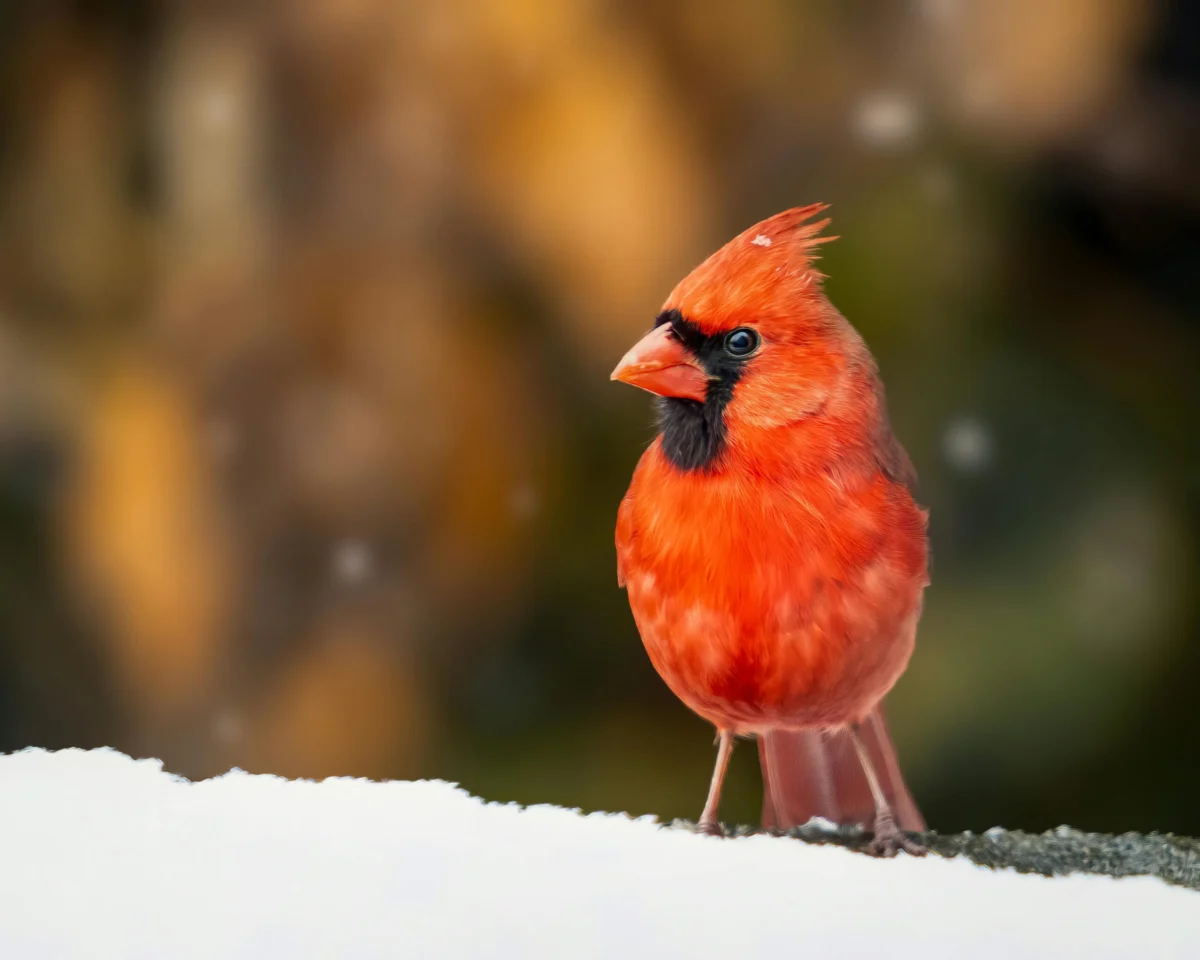
The Northern Cardinal is another striking avian resident that frequently graces our surroundings. The male’s brilliant red plumage is an immediate attention-grabber, whether it’s perched in a shrub, visiting a bird feeder, or navigating low-hanging branches. Even individuals with no prior interest in birds often notice cardinals due to their vivid and unmistakable coloration.

Cardinals are commonly found in yards that feature bushes, hedges, or bird feeders. They tend to linger in view longer than many smaller, more skittish birds, moving with a deliberate grace rather than darting away. Their distinctive crest and stout, conical bill are key identification features. For beginners, their prominent color and relatively calm demeanor make them easy to recognize and remember. Spotting one often leads to noticing pairs, recognizing their sharp, whistling calls, and appreciating them as regular visitors rather than occasional sights.
3. The Gentle Mourner: Mourning Dove
Mourning Doves are often appreciated for their serene and gentle presence. Larger than many common backyard birds, they exhibit a calm, slow gait when walking on the ground, a stark contrast to the hopping of robins. Their soft, descending "coo-OOO-ooo" call is a familiar sound in many neighborhoods, even if the source isn’t immediately identified.
These doves are frequently observed on lawns, driveways, fences, and even power lines. They seem comfortable in open spaces and are often seen in pairs or small flocks. Their slender, streamlined bodies and relatively long, pointed tails are distinguishing characteristics. Beginners often remember Mourning Doves for their peaceful demeanor and their tendency to move quietly through everyday spaces, making them a calming presence in the avian landscape.

4. The Bold Communicator: Blue Jay
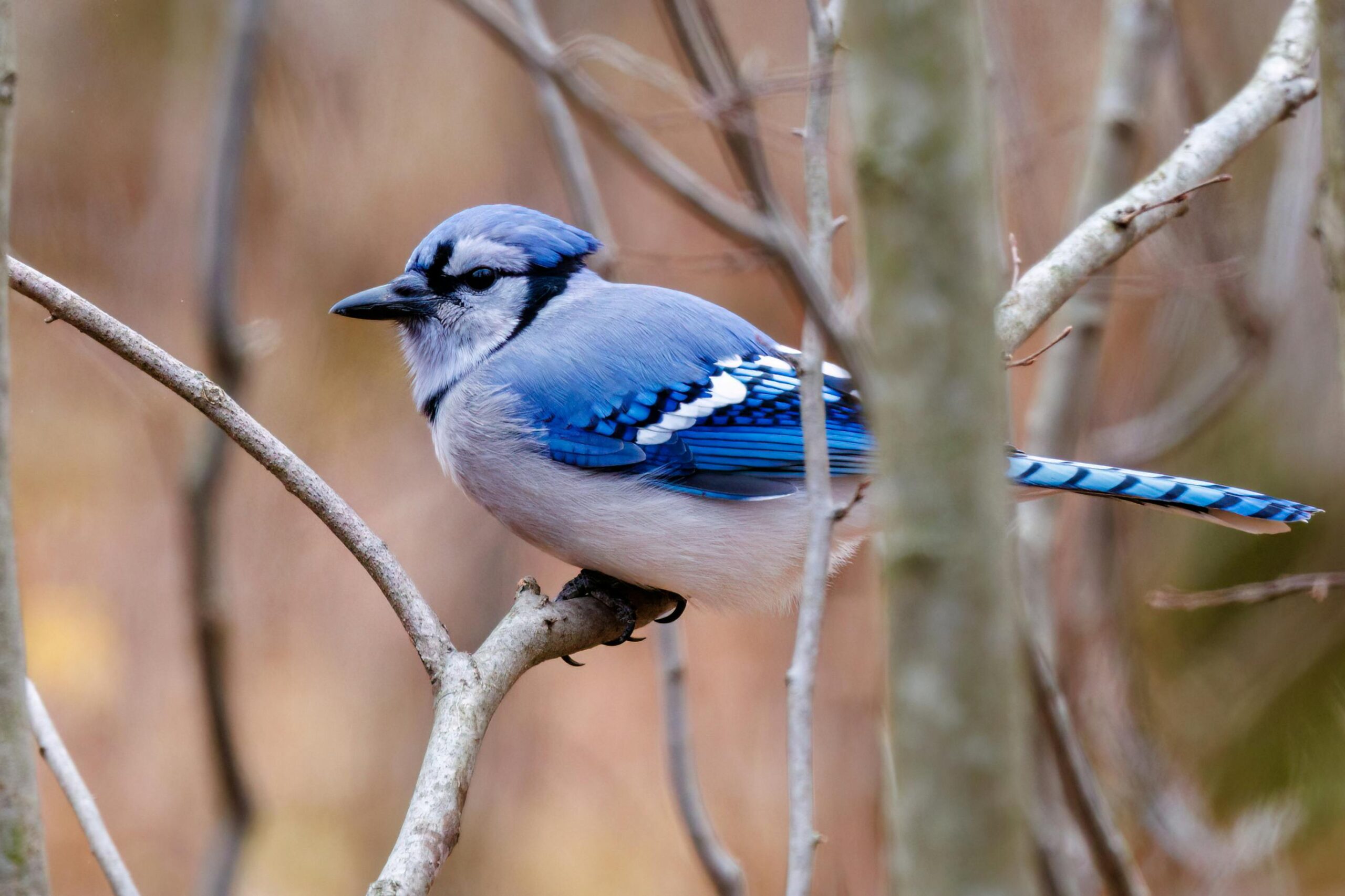
Blue Jays are birds that are difficult to ignore, thanks to their striking blue, white, and black plumage, prominent crest, and loud, raucous calls. Many people become aware of Blue Jays by hearing their distinctive "jay, jay" alarm calls echoing through their neighborhoods before they even see the bird.
These intelligent corvids are commonly observed flying between trees, visiting bird feeders, or perching high above open areas. They move with confidence and are often among the most vocal birds in a given area. Their assertive nature and strong presence distinguish them from smaller songbirds, making them easy to recognize once one begins to pay attention to their characteristics.
5. The Intelligent Observer: American Crow
American Crows are among the most recognizable birds across the United States due to their size, solid black coloration, and distinctive "caw-caw" calls. They are often seen flying overhead or gathering in open areas, their social behavior and vocalizations making them noticeable even to those not actively looking for birds.

Crows are highly adaptable and can be found in virtually any habitat, from urban streets to suburban yards and agricultural fields. They frequently travel in groups and are often seen perched on rooftops, in trees, or on utility poles. Their intelligence and expressive behavior make them memorable. Once recognized, their interactions within their social groups and their frequent appearances throughout the day become apparent.
6. The Constant Companion: House Sparrow
House Sparrows are so ubiquitous that many people overlook them entirely, mistaking their constant activity for background noise. They are often seen hopping along sidewalks, gathering near buildings, or foraging on the ground in small groups. Because they blend so seamlessly into everyday surroundings, it’s easy to notice their presence without identifying them as a specific species.
These non-native birds thrive in close proximity to humans, making them most common in yards, parking lots, and outdoor seating areas. Learning to recognize House Sparrows is a valuable step for beginners, as it helps differentiate background avian movement from intentional observation. Once identified, their sheer frequency becomes apparent.
7. The Iridescent Flockers: European Starling
European Starlings are often noticed for their distinctive movement patterns and gregarious behavior. They frequently appear in flocks, moving quickly across lawns, rooftops, and open spaces. Their dark feathers, which can appear glossy or speckled depending on the light, sometimes lead to initial confusion with other dark-colored birds.
Starlings are highly successful in urban and suburban environments and are commonly seen near buildings, fields, and parking lots. Their constant movement and social interactions make them difficult to miss once one starts observing them.
8. The Energetic Explorer: Black-Capped Chickadee
Chickadees are small birds with outsized personalities. They are known for their energetic, curious nature and their frequent visits to feeders, where they quickly grab seeds before retreating to nearby branches. Their distinctive black cap and bib, set against white cheeks and grayish body, make them relatively easy to recognize compared to other small birds.

Chickadees are most often found in yards with trees or bird feeders and are comfortable staying relatively close to people. Their boldness and vocalizations, including their signature "chick-a-dee-dee-dee" call, make them memorable. Once recognized, their constant activity and vocal presence throughout the day become evident.
9. The Persistent Drummer: Downy Woodpecker
The Downy Woodpecker is often the first woodpecker species that people learn to identify. It is the smallest North American woodpecker, characterized by its black and white checkered pattern. They are frequently seen climbing tree trunks, branches, or visiting suet feeders. Many beginners first notice the distinctive tapping sound before spotting the bird itself.
Downy Woodpeckers are common in yards with mature trees and are frequently observed moving vertically along trunks and branches. Recognizing a Downy Woodpecker can pave the way for easier identification of other woodpecker species.

10. The Colorful Visitor: House Finch
House Finches are common visitors to bird feeders and open yards. They are often seen in small groups, perching nearby or foraging together. Males are particularly noticeable, with their rosy red coloring on the head and breast, which stands out once they are identified.
These finches are comfortable in human-populated areas and are frequently seen near homes, gardens, and sidewalks. Their regular appearances and tendency to remain visible for extended periods make them easy for beginners to identify and remember.
11. The Ground Forager: Dark-Eyed Junco
Dark-Eyed Juncos are often most noticeable during the cooler months, though they can be present year-round in some regions. These small, slate-gray birds spend a significant amount of time hopping along the ground, often in groups. A key identifying feature is the flash of white outer tail feathers that becomes visible when they take flight.

Juncos are commonly observed in yards, parks, and near shrubs where they forage for seeds on the ground. Their distinctive ground-dwelling behavior sets them apart from birds that primarily stay in trees or at feeders, making them easy for beginners to distinguish.
12. The Upside-Down Climber: White-Breasted Nuthatch
White-Breasted Nuthatches are memorable for their unique method of movement. They often climb headfirst down tree trunks, a behavior that often surprises and intrigues novice birdwatchers. Their sharp, nasal "yank-yank" calls also help draw attention.
Nuthatches are commonly seen on trees in yards and parks and are frequent visitors to bird feeders. Once noticed, their unusual upside-down foraging behavior makes them easily recognizable upon subsequent sightings.

13. The Seasonal Gem: American Goldfinch
American Goldfinches are celebrated for their striking coloration. During the warmer months, males transform into a vivid yellow, making them highly conspicuous. This bright plumage becomes more muted in winter, a seasonal change that can sometimes surprise beginners.
These cheerful birds are often seen flying in small flocks between plants and feeders, particularly in open yards. Their seasonal color transformation is a unique characteristic that beginners often remember.
14. The Crested Companion: Tufted Titmouse
Tufted Titmice are small, gray birds easily identified by their prominent, pointed crest and their large, dark eyes. They are frequent visitors to bird feeders and often travel in mixed flocks with chickadees, moving quickly between trees and feeding stations.

Titmice are most commonly observed in wooded yards and suburban neighborhoods. Once beginners recognize their distinctive crest and their active foraging behavior, titmice become easy to identify.
15. The Shy Singer: Song Sparrow
Song Sparrows are small, streaky brown birds often found near shrubs and low vegetation. They spend much of their time foraging on the ground or within dense cover, frequently darting in and out of view. Their presence is often revealed by their cheerful, complex songs, though they can be shy and elusive.
These sparrows are common in yards, gardens, and parks but can be easy to overlook at first. Beginners begin to notice them once they start paying attention to movement near bushes and undergrowth.

16. The Mimicking Maestro: Northern Mockingbird
Northern Mockingbirds are often recognized first and foremost for their remarkable vocal abilities. They sing loudly and frequently, often from prominent perches such as rooftops, fences, or treetops. Their songs can be heard throughout the day and even into the night.
Mockingbirds are common in open yards and urban areas, where they are known for their territorial defense and their ability to mimic the songs of other birds and even artificial sounds. Their boldness and vocal activity make them memorable for beginners.
17. The Winged Signal: Red-Winged Blackbird
Red-Winged Blackbirds are frequently observed near open areas and wetlands. The males are particularly striking due to their glossy black plumage and the bright red and yellow shoulder patches, known as "epaulets," which flash conspicuously when they move or call.

They are commonly seen perched on fences or flying low over fields. Beginners remember them for their distinctive markings and their loud, gurgling calls.
18. The Glossy Gatherer: Common Grackle
Common Grackles are larger than many commonly observed songbirds and often gather in noisy, sometimes boisterous, flocks. They are frequently seen in parking lots, lawns, and open spaces. Their glossy, iridescent feathers catch the light, giving them a shimmering appearance that makes them stand out once noticed.
Beginners may initially confuse them with European Starlings until they begin to observe differences in size and behavior. Their distinctive "grackle" call is also a helpful identifier.

19. The Tiny Virtuoso: Northern House Wren
Northern House Wrens are small birds with surprisingly powerful voices. They are often heard singing their loud, bubbling songs from shrubs, fences, or small trees before they are seen. Their energetic behavior and prolific singing make them stand out.
House Wrens are common in yards with dense vegetation or available nesting boxes. Beginners often remember them because the volume and complexity of their songs seem disproportionate to their small size.
20. The Sky’s Jewel: Eastern Bluebird
Eastern Bluebirds are often spotted perched on open areas, such as fence posts or wires, in open yards and fields. Their brilliant blue upperparts and rusty orange underparts make them a visually stunning sight. Their calm presence and striking coloration make them a favorite among birdwatchers.

Beginners remember Eastern Bluebirds for their beautiful colors and their gentle, unobtrusive demeanor. Their preference for open habitats makes them relatively accessible for observation.
Why These Common Birds Matter
The appreciation of common birds is not merely a casual pastime; it represents the foundation upon which a deeper connection with the natural world is built. Most individuals do not intentionally set out to become birdwatchers. Instead, it often begins with a simple act of noticing the birds that share our everyday spaces, gradually learning to recognize them. These common species serve as the accessible entry points into the fascinating world of ornithology.
Once an individual can confidently identify these prevalent species, the ability to notice differences becomes significantly enhanced. New birds that enter the landscape immediately stand out. Seasonal changes in avian populations become more apparent. The environment around us begins to feel more vibrant and alive, richer with detail and natural wonder.

The fact that many of these birds look familiar to you is not a coincidence; it indicates that you are already engaging in the fundamental practice of birdwatching: paying attention. This act of observation, however casual, connects us to the intricate ecological processes at play in our own neighborhoods and beyond. Understanding these common birds provides a baseline for appreciating biodiversity and the health of our local ecosystems. They are not just background noise; they are integral components of our shared environment, offering constant reminders of the natural world’s enduring presence and resilience.
