

The winter of 2025-2026 has delivered an unrelenting assault of extreme weather to the Boston metropolitan area, posing unprecedented challenges to scientific research, particularly for Dr. Irene Pepperberg’s renowned avian cognition laboratory. Located in an apartment setting in Somerville, Massachusetts, the lab has been forced into an extraordinary operational struggle to maintain the critical environmental conditions necessary for its star subject, Griffin, an African Grey parrot whose health is paramount to ongoing groundbreaking studies. Blizzards, coupled with prolonged periods of sub-zero wind chills, have created a logistical and emotional crucible for the dedicated team, highlighting the often-unseen human element behind scientific discovery.
Boston’s Winter Fury: A Season of Unrelenting Cold
Boston’s reputation for formidable winters is well-earned, with historical records detailing formidable seasons. The winter of 2014-2015, for instance, saw an astonishing 109 inches of snow blanket the region, paralyzing daily life and testing infrastructure. More recently, a brutal cold snap in 2023 plunged temperatures to -10°F, excluding the biting wind chill, demonstrating the city’s vulnerability to extreme meteorological events. However, these past challenges often occurred when Dr. Pepperberg’s lab was situated on the Harvard campus, which boasted generator-protected facilities and diligently shoveled pathways, ensuring relatively uninterrupted access for student researchers to care for the birds.
This current winter, however, has proven particularly dreadful, a stark departure from the "typical" seasons characterized by manageable snowfalls and cold snaps. The apartment location, while providing a dedicated space for the lab, lacks the institutional resilience of a university campus. This season has been defined by a succession of severe blizzards, each dumping significant snow, followed by extended stretches of days and nights where wind chills plummeted far below zero. These extreme temperatures have prevented any snowmelt, transforming city streets into treacherous, uncleared labyrinths. Exacerbating the outdoor conditions, drafts within the older apartment building have significantly lowered indoor temperatures, making the lab environment inherently difficult to control and maintain, and adding layers of complexity to routine operations.
Griffin: A Scientific Ambassador Under Duress
At the heart of Dr. Pepperberg’s research is Griffin, an African Grey parrot who continues the legacy of Alex, the iconic parrot whose cognitive abilities revolutionized our understanding of animal intelligence. Dr. Pepperberg’s work, spanning decades, has provided compelling evidence that parrots are capable of complex cognitive tasks, including numerical concepts, categorisation, and communication using English words, challenging long-held anthropocentric views of intelligence. Griffin is not merely a research subject; he is a living testament to the potential for interspecies communication and a vital instrument in expanding the frontiers of avian cognition. His well-being is intrinsically linked to the continuity and integrity of the lab’s scientific output.
The extreme winter conditions directly threaten Griffin’s health and, by extension, the progress of this critical research. African Grey parrots, native to equatorial Africa, thrive in warm, stable environments. Griffin, moreover, suffers from arthritis, a condition common in older birds, which becomes particularly exacerbated by cold temperatures. Sustained exposure to temperatures below 68°F can trigger painful flare-ups, compromising his comfort and potentially affecting his ability to participate in research protocols. Adding another layer of urgency, Griffin has concurrently been undergoing a course of antibiotics to treat an intestinal issue. This confluence of a pre-existing medical condition, an acute illness, and severe environmental stress has elevated his care to an emergency level, demanding constant vigilance and temperature regulation that far exceeds typical lab requirements. The ethical imperative to ensure Griffin’s welfare is paramount, not just for his sake, but also for the scientific validity of the data collected from a healthy, comfortable subject.
Fortifying the Front Lines: Lab’s Defensive Measures
Faced with these severe environmental challenges, the research team immediately initiated a series of defensive measures to safeguard Griffin and the lab’s operational capacity. The apartment building’s older windows proved a significant vulnerability, allowing substantial drafts to penetrate. The initial plan to acquire standard plastic sheeting for insulation was thwarted by high demand, forcing the team to innovate. Instead, they procured large quantities of batting, typically used for quilting, to cover all windows. This improvised solution proved surprisingly effective in blocking drafts, though it significantly reduced the influx of natural light. To counteract this, the lab relies heavily on full-spectrum lighting, which is crucial for avian health and mood regulation, especially during periods of reduced natural light.
Further reinforcing the lab’s thermal defenses, the team incorporated light-shielding window curtains during overnight hours. These curtains, primarily designed to block light, serendipitously provided an additional layer of insulation against lingering drafts. A more unconventional but effective measure involved sealing an emergency exit door with gaffer’s tape. This heavy-duty, easily removable tape provided a quick and efficient way to eliminate drafts from a critical, but temporarily unused, exit point, demonstrating the team’s resourcefulness in a crisis. These ad-hoc solutions, born out of necessity, transformed the lab into a fortress against the encroaching cold, ensuring that the primary goal of maintaining Griffin’s optimal temperature remained achievable.
The First Major Storm: A Testament to Team Dedication
The true test of the lab’s resilience began with the season’s first major snowstorm. Anticipating the severity, the senior lab manager demonstrated remarkable foresight. On the evening preceding the storm, she brought an inflatable bed into the experiment room, preparing for an overnight stay. She strategically parked her car in Dr. Pepperberg’s reserved space, hoping it would be easier to access later. The assistant lab manager, after closing the lab at her usual 8 PM, faced an immediate struggle, having to borrow a shovel from a stranger to dig her car out of the rapidly accumulating snow. By 10 PM, with temperatures plummeting and drafts intensifying, the senior lab manager was already operating the array of space heaters, a task that required her to be awake multiple times throughout the night to monitor temperatures and adjust heating levels, ensuring Griffin’s environment remained consistently above the critical 68°F threshold.
The following morning brought no respite. The opening Research Assistant (RA) faced an arduous commute, navigating severely impacted public transport to reach the lab. While she diligently attended to Griffin’s immediate needs—feeding, administering medication, and providing essential care—the lab manager and post-doc embarked on the formidable task of excavating the senior lab manager’s car, which had become completely buried by the overnight snowfall. Streets in Somerville were barely passable, transformed into snowdrifts that swallowed parked vehicles. The dedication of the team was further exemplified when the post-doc, whose vehicle was equipped with All-Wheel Drive and who lived in a nearby town, undertook an hour-long round trip to pick up the RA scheduled for the afternoon/evening shift. This extraordinary effort was the only viable means of ensuring the continuous, uninterrupted care Griffin required.
Just as the team might have hoped for a reprieve, a second round of snow, accumulating 4 to 6 inches on top of the already significant 2 feet, descended upon the region. This meant the senior lab manager, once again, had to spend the night in the lab, tirelessly operating the space heaters to counteract the bitter cold. Amidst these Herculean logistical efforts, Griffin’s routine of feeding, antibiotics, supplements, physical therapy, and mental stimulation was meticulously maintained. The irony of the situation was not lost on Dr. Pepperberg, who had left for a conference in New York City the night before the first storm hit. Her challenging return journey, which she humorously attributed to her American Airlines Executive Platinum status, underscored the isolated yet heroic efforts of her team in her absence.
The Second Onslaught: Pushing Limits of Resilience
Before the streets of Somerville could even be properly plowed from the first series of storms, the region was hit by yet another winter onslaught. This storm, initially predicted to be a minor event delivering only 1 to 3 inches of snow, dramatically escalated, ultimately dumping a full 8 inches. The accompanying wind chills were even more severe, pushing temperatures overnight down to a staggering -16°F. This cumulative effect of unplowed streets, successive heavy snowfalls, and dangerously low temperatures created an environment of heightened hazard and profound fatigue for the entire research team.
The human toll of this relentless winter has been significant. The continuous demands of maintaining lab operations, ensuring Griffin’s well-being, navigating treacherous commutes, and performing physically demanding tasks like snow removal have left the research assistants, lab managers, and post-docs profoundly exhausted and stressed. Their resilience, while commendable, has been stretched to its limits. Each new weather forecast brings a mix of apprehension and hope, with the team desperately clinging to predictions of a "trivial" storm for the upcoming weekend, a term that now carries a deeply ironic weight in their strained reality. The desire for spring is palpable, a collective yearning for warmer weather and a return to less crisis-driven operations.
Broader Implications: Safeguarding Science in Adversity
The extraordinary circumstances faced by Dr. Pepperberg’s lab in Boston offer a poignant case study into the broader implications for scientific research conducted outside of large, well-resourced institutional frameworks. First and foremost is the critical issue of animal welfare in research. Maintaining optimal, stable living conditions for research animals, particularly highly intelligent and sensitive species like African Grey parrots, is not merely an ethical obligation but a scientific necessity. Environmental stress can profoundly impact an animal’s physiology, behavior, and cognitive function, potentially skewing research data and undermining the validity of findings. The lab’s efforts to ensure Griffin’s comfort directly uphold the highest standards of research ethics and scientific integrity.
Secondly, this experience underscores the paramount importance of operational resilience for research laboratories, especially those operating in urban environments prone to extreme weather or situated in facilities less robust than dedicated institutional buildings. While contingency plans are often in place, the true test comes when multiple unforeseen factors converge, as seen with the combined blizzards, sub-zero temperatures, infrastructural failures, and an animal’s concurrent medical needs. This situation highlights the need for comprehensive disaster preparedness strategies that account for everything from power outages and transportation disruptions to emergency housing for staff and advanced medical supplies for research subjects.
Finally, this narrative shines a spotlight on the unsung heroes of science: the dedicated research assistants, lab managers, and post-docs. Their commitment often extends far beyond contractual obligations, encompassing personal sacrifices, arduous physical labor, and round-the-clock vigilance. It is their unwavering dedication, resourcefulness, and sheer resilience that often serve as the bedrock for scientific continuity, allowing critical research to persist even in the face of profound adversity. This human element, though rarely publicized, is an indispensable component of the scientific enterprise. The challenges also subtly point to the broader struggles faced by independent research groups or those reliant on grant funding, where resources for robust infrastructure or emergency contingencies might be more limited compared to large, well-endowed universities.
A Glimmer of Hope: Anticipating Spring
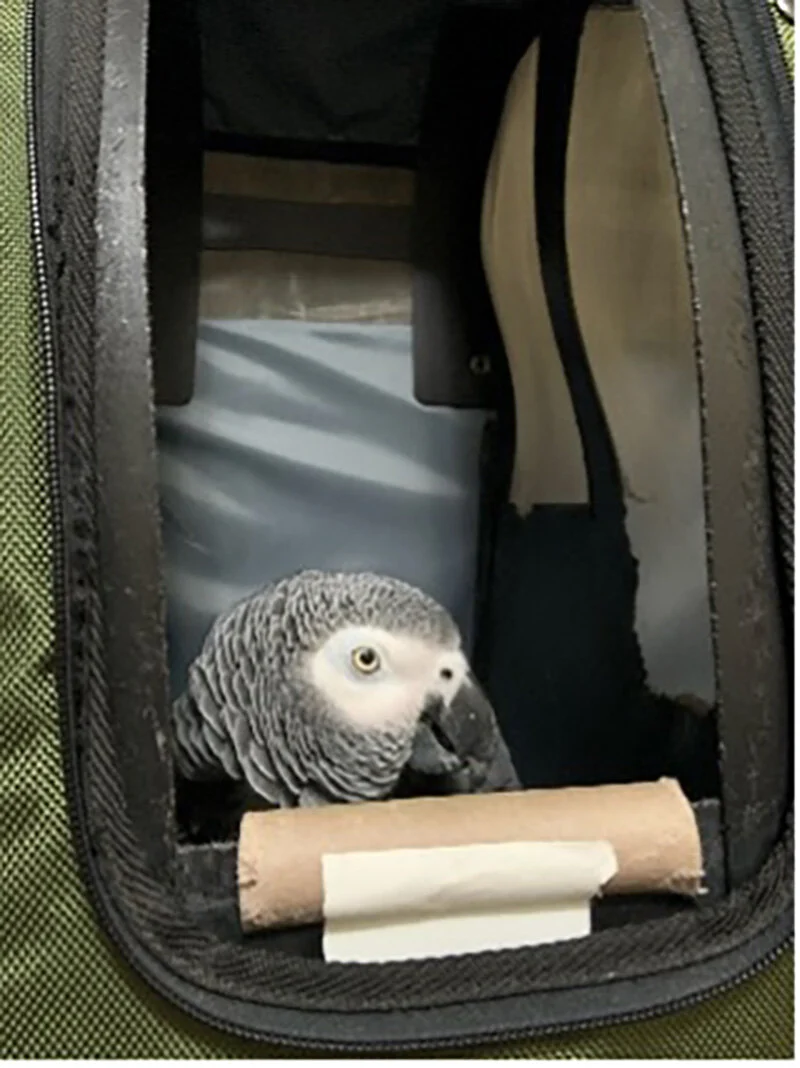
Despite the relentless onslaught of winter, a small but significant source of solace and inspiration for the team is Griffin himself. As captured in a recent image, the African Grey parrot appears remarkably unfazed by the chaos unfolding around him. Snuggled comfortably in his overnight sleeping backpack, he seems to be taking the entire ordeal in stride, a testament to the meticulous care and stable environment his dedicated human team has managed to maintain amidst the external pandemonium. His apparent calm provides a quiet affirmation of their strenuous efforts and sacrifices.
As the days slowly lengthen and the calendar inches towards a new season, the collective aspiration within Dr. Pepperberg’s lab is palpable: an eager anticipation for the arrival of spring. The hope is that the predicted "trivial" nature of any forthcoming storms will indeed hold true, allowing the team to transition from crisis management back to their primary focus of groundbreaking scientific inquiry. This harsh winter has been a profound test of endurance, ingenuity, and unwavering commitment, but it has also served as a powerful reminder of the deep dedication required to push the boundaries of knowledge, even when battling the most formidable forces of nature. The lessons learned in resilience and resourcefulness will undoubtedly inform future operations, ensuring that pioneering research, and the welfare of its extraordinary subjects, can withstand whatever challenges may come.
