


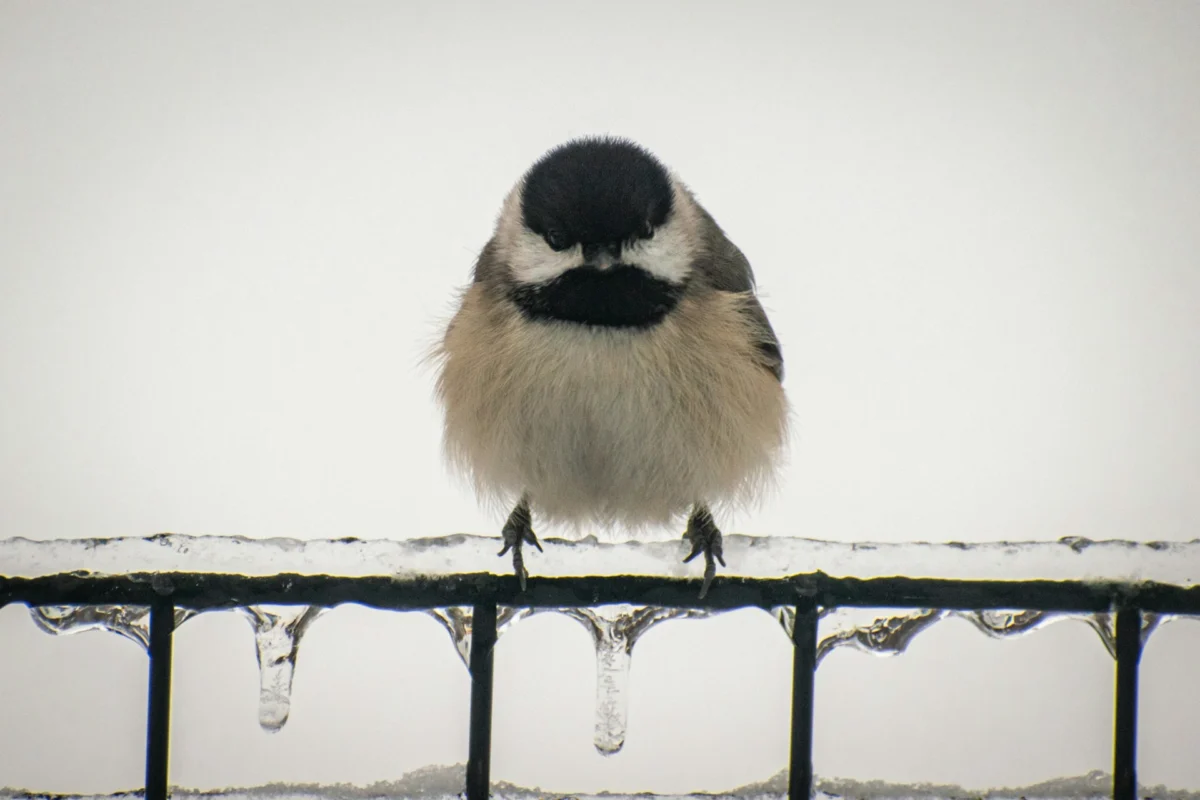
The romanticized image of avian migration—a grand, heroic sweep of feathered creatures undertaking epic journeys to warmer climes and bountiful landscapes—often overshadows a more complex evolutionary reality. For a surprising number of bird species, the most advantageous, and indeed the most challenging, survival strategy is not to migrate at all, but to remain rooted in the northern landscapes through the harsh grip of winter. This decision, far from being a simple act of defiance against seasonal change, represents a sophisticated balancing act, a testament to remarkable physiological adaptations and a keen assessment of risks versus rewards. Understanding the intricate factors that lead certain species to embrace the cold, the storms, and the inherent scarcity of winter, rather than embark on perilous journeys, reveals a nuanced perspective on survival that is increasingly shaped by environmental shifts.
The Perilous Path of Migration
The popular narrative often portrays migration as the default, safer option. However, the reality for millions of birds is a gauntlet of extreme dangers. The long-distance flights are far from leisurely excursions. Songbirds, for instance, face the daunting challenge of crossing vast bodies of water like the Gulf of Mexico in a single, non-stop effort that can last for days, pushing their physiological limits to the brink of exhaustion. Raptors, while possessing greater stamina, must navigate treacherous weather systems without the benefit of dense foliage for shelter, making them vulnerable to sudden storms and high winds.
Data paints a stark picture of the attrition rate associated with these journeys. Studies indicate that billions of birds undertake these migrations annually, with estimates suggesting that between 4.7 billion birds leave the United States each fall. While precise mortality figures are difficult to ascertain, it is widely acknowledged that millions perish each year due to a multitude of factors. Exhaustion is a primary killer, depleting energy reserves essential for survival. Predation increases significantly as birds become more vulnerable while traversing unfamiliar territories or resting in exposed areas. Disorientation, particularly in adverse weather or during artificial light pollution at night, can lead them off course, resulting in them perishing in inhospitable environments. Tragically, collisions with human-made structures, such as buildings, wind turbines, and vehicles, contribute substantially to avian mortality during migratory periods.
In light of these profound risks, the evolutionary logic of staying put becomes apparent for species possessing specific adaptations and access to reliable winter food sources. For birds that can find sufficient sustenance in the form of conifer seeds, lingering fruits, or even through human-provided bird feeders, the perceived threat of enduring a northern winter can be demonstrably lower than the actual dangers inherent in a long-distance migration. This pragmatic assessment of survival probabilities underpins the tenacity of species that choose to remain.
Masters of Winter: Species That Brave the Cold
The feathered residents that forgo the southern sojourn are not simply hardy; they are often masters of a specialized form of survival. Species such as the Northern Cardinal, the Downy Woodpecker, and the Blue Jay exemplify this strategy. These birds have evolved to thrive in environments where food sources, though potentially less abundant than in warmer climates, are consistently available within their established territories. Their predators are often familiar, and their ability to navigate the localized challenges of a northern winter has been honed over generations. While the cold and snow present significant hurdles, the energy expenditure and inherent risks associated with migration for these species could prove far more detrimental to their survival.
The Northern Cardinal, with its striking crimson plumage against a snowy backdrop, is a common sight at feeders throughout much of the United States and southern Canada during winter. Its diet, which includes seeds, fruits, and insects, can be supplemented by readily available food at backyard bird feeders, significantly reducing the need for extensive travel. Similarly, Downy Woodpeckers are adept at extracting insects and larvae from tree bark, and they also consume seeds and berries. Their ability to cache food during warmer months provides a vital resource during the lean winter period. Blue Jays, known for their intelligence and adaptability, are omnivores with a varied diet that includes nuts, seeds, insects, and even small vertebrates. Their habit of hoarding food, particularly acorns, ensures a reserve of sustenance even when natural food sources are buried under snow.
The Shifting Climate and the Expanding Northern Winter Range
The landscape of avian overwintering is not static. Over the past century, subtle yet significant changes in climate have begun to redraw the winter ranges of numerous bird species. Warmer winters, a direct consequence of global climate change, have played a pivotal role in enabling birds to survive further north than previously thought possible. The proliferation of backyard bird feeding stations, now a widespread phenomenon across North America, has also provided a crucial buffer against food scarcity, further supporting the northward expansion of wintering populations.
The American Robin, once a quintessential harbinger of spring, now frequently overwinters in large flocks across the northern United States. These adaptable birds have learned to exploit persistent winter berries and other available food sources, demonstrating a remarkable plasticity in their migratory behavior. In some regions, even species traditionally considered strictly migratory, such as certain warbler species, have been observed lingering through winter. This phenomenon is directly linked to the availability of food, suggesting that a reliable food supply can override the ingrained migratory impulse for these birds.

These observed shifts are not merely ecological curiosities; they carry profound implications for ecosystems. The altered distribution of bird populations can reshape predator-prey dynamics, introducing new pressures or alleviating existing ones. The composition of bird communities at feeders is changing, leading to increased competition for resources. Furthermore, the earlier arrival and extended presence of birds in northern regions can influence the timing of breeding seasons, as they may begin establishing territories and seeking mates earlier than anticipated, potentially creating mismatches with insect emergence or other critical seasonal events.
The Energetic Calculus of Winter Survival
Remaining in northern climes during winter demands an extraordinary level of physiological resilience and behavioral ingenuity. Birds that choose this path must master an unforgiving energy economy, where every calorie counts. The Dark-eyed Junco, for instance, exhibits remarkable thermoregulatory adaptations. During frigid nights, some junco populations can significantly lower their body temperature, entering a state of torpor to conserve precious metabolic energy. This physiological "hibernation" allows them to survive periods of extreme cold with minimal energy expenditure.
Black-capped Chickadees are renowned for their ability to cache food. Throughout the autumn, they meticulously store thousands of seeds and insects in numerous locations, relying on their impressive spatial memory to retrieve these caches throughout the winter. This meticulous planning and execution are vital for their survival. Similarly, woodpeckers, like the Downy Woodpecker, rely on a combination of stored food and their specialized foraging skills to access insects within tree bark.
Dietary shifts are another critical adaptation. Doves and finches, for example, often transition to high-fat food sources during winter. This change in diet allows them to build up fat reserves, which are then metabolized to generate heat and fuel their activities during long, frigid nights. The ability to efficiently convert food into energy and to conserve that energy is paramount for survival.
Winter as a Competitive Advantage: Claiming the Breeding Grounds
While the challenges are immense, successfully overwintering in northern territories can confer a significant competitive advantage. Birds that remain in place secure prime breeding territories long before their migratory counterparts return. This early arrival allows them to establish dominance, claim the most desirable nesting sites, and begin the breeding cycle unhindered by the competition that typically arises when migrants arrive in large numbers.
When spring finally arrives, these resident birds are already established. They have a head start in attracting mates and defending their chosen nesting areas. This can lead to earlier and potentially more successful breeding attempts. Migratory birds, on the other hand, must first expend considerable energy to complete their journey, then face the daunting task of finding suitable territories and mates amidst a landscape already largely claimed by the early arrivals. This temporal advantage can be a decisive factor in reproductive success and, consequently, in the long-term evolutionary fitness of a species.
A Strategic Imperative, Not a Misguided Instinct
The decision for certain bird species to remain in northern regions throughout winter is not an arbitrary or flawed instinctual response. Rather, it is a highly evolved strategy, meticulously shaped by a complex interplay of environmental pressures, inherent physiological capabilities, and a dynamic assessment of survival probabilities. Migration offers the promise of abundant resources, but it is fraught with inherent perils, from the exhaustion of flight to the dangers of predation and disorientation. Conversely, overwintering in northern climates demands exceptional resilience and mastery of challenging energetic and environmental conditions, but it offers a degree of safety from the rigors of long-distance travel.
As climate change continues to influence weather patterns and food availability, the delicate balance that dictates migratory behavior is being recalibrated. For an increasing number of species, the scales are tipping, making the seemingly arduous choice to stay north the more pragmatic and evolutionarily advantageous path to survival. This resilience, this quiet defiance of winter’s harshness, underscores the remarkable adaptability and strategic prowess of the avian world, challenging our romanticized notions and revealing a profound testament to the enduring power of natural selection.
