


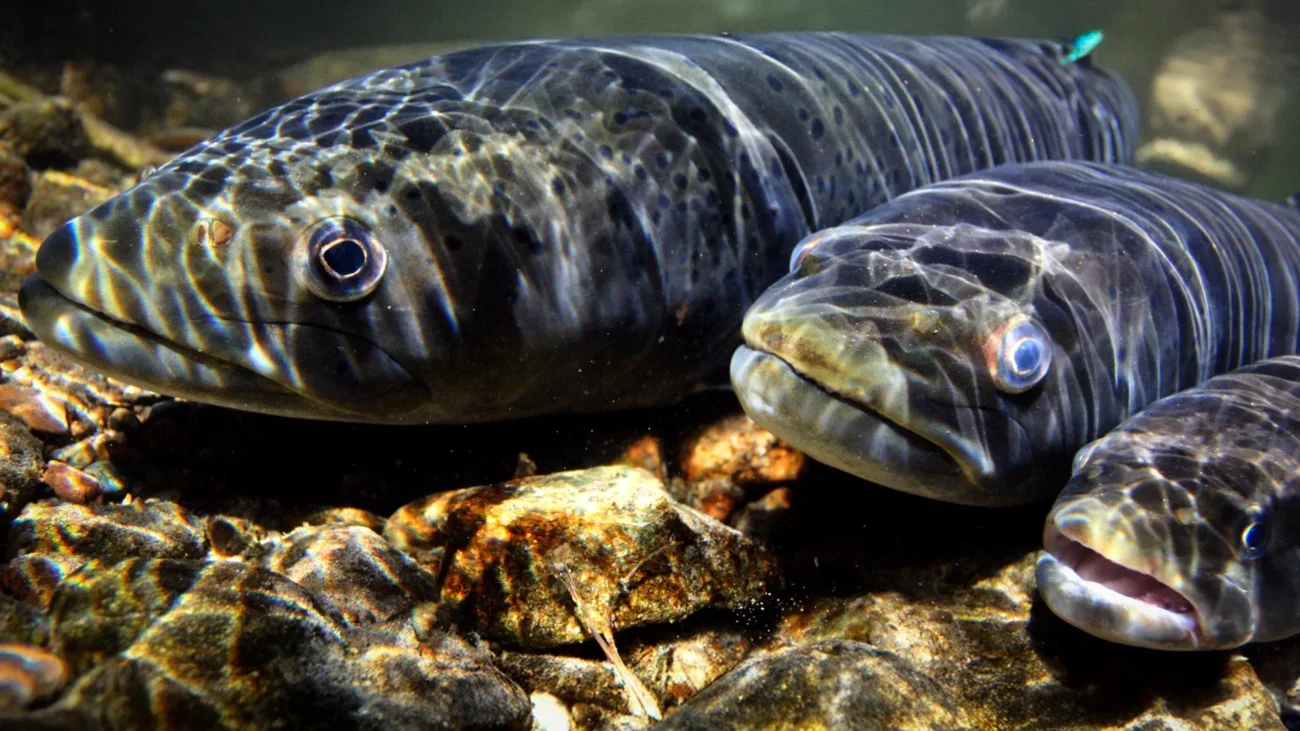
The planet’s most critical and awe-inspiring animal migrations are not unfolding on dusty plains or across vast oceans, but silently beneath the surface of its rivers. A landmark report, released by the Convention on the Conservation of Migratory Species of Wild Animals (CMS), a United Nations environmental treaty, delivers a stark warning: these essential freshwater fish migrations are rapidly disintegrating. The findings, presented at the CMS 15th Meeting of the Conference of the Parties (COP15) in Belém, Brazil, reveal a biodiversity crisis of immense proportions, with migratory freshwater fish emerging as some of the most imperiled species on Earth. Their decline poses a grave threat not only to riverine ecosystems but also to the food security and livelihoods of hundreds of millions of people worldwide.
A Freshwater Biodiversity Crisis Unveiled
The "Global Assessment of Migratory Freshwater Fishes," a comprehensive report stemming from extensive global datasets and IUCN assessments of nearly 15,000 freshwater fish species, paints a grim picture. It highlights that animals inhabiting freshwater ecosystems are experiencing population declines at a rate significantly faster than their terrestrial or marine counterparts. Yet, this critical collapse of migratory freshwater fish populations has, until now, received disproportionately little global attention.
These remarkable creatures depend on the integrity of vast, uninterrupted river systems to complete their life cycles. They navigate complex networks of waterways, traversing from spawning grounds to feeding areas and floodplain nurseries, often crossing national borders in the process. The report underscores that when human interventions such as dam construction, altered water flows, pollution, overfishing, and the compounding effects of climate change fragment these vital connections, fish populations can plummet with alarming speed.
The scale of the crisis is staggering. The report estimates that migratory freshwater fish populations have plummeted by an astonishing 81% globally since 1970. Furthermore, of the 58 migratory fish species (encompassing both freshwater and saltwater species) currently listed under the CMS, an overwhelming 97% are now facing extinction. This data point is a critical indicator of the severity of the threat, suggesting that the mechanisms driving these declines are pervasive and interconnected across the globe.
Hundreds of Species on the Brink: A Call for International Cooperation
The "Global Assessment of Migratory Freshwater Fishes" identifies 325 migratory freshwater fish species as candidates for international conservation efforts, pushing the total number of species requiring coordinated action well beyond the 24 already listed under the Convention’s Appendices. This revelation points to a vast, yet largely overlooked, biodiversity crisis unfolding within the world’s shared river systems.
The report categorizes these species based on their conservation status and the level of international protection they require. Appendix I of the CMS designates species that necessitate strict protection, while Appendix II focuses on species that require international cooperation for their conservation. The assessment’s regional breakdown reveals that a significant number of these at-risk species are found across major river basins, including South America’s Amazon and La Plata-Paraná systems, Europe’s Danube, Asia’s Mekong, Africa’s Nile, and the Ganges-Brahmaputra in the Indian subcontinent.
The total number of species identified for potential listing exceeds 325 because many species inhabit multiple continents, underscoring the transboundary nature of their migrations and the necessity for international collaboration. The identification of these specific river systems as priorities highlights areas where immediate and concerted conservation actions are most critical.
The Amazon Basin: A Critical Stronghold Under Threat
As the host nation for COP15, Brazil has taken a leading role in proposing conservation measures, with a particular focus on South America’s most extensive river systems: the Amazon and the La Plata-Paraná. The Amazon Basin, often referred to as the "lungs of the planet," is also a crucial sanctuary for a multitude of migratory freshwater fish species. However, this vital habitat is increasingly imperiled by mounting development pressures.
A parallel case study released alongside the global assessment spotlights 20 migratory fish species within the Amazon that meet the criteria for potential listing under CMS Appendix II. These species are not only integral to regional fisheries but also represent a significant economic driver. They constitute approximately 93% of total fish landings in the region, supporting an industry valued at an estimated US$436 million annually.
Among these Amazonian migrants is the dorado (gilded) catfish ( Brachyplatystoma rousseauxii ), a formidable bottom-dwelling species characterized by its metallic gold or silver sheen and impressive size, often reaching up to 2 meters (6.5 feet) in length. This species undertakes the longest known freshwater migration of any fish on Earth, embarking on a remarkable journey of 11,000 kilometers from its spawning grounds in the Andean headwaters to its nursery areas along the coast.
To bolster conservation efforts for these vital species, Brazil, in collaboration with other Amazonian nations, is spearheading the development of a Multi-species Action Plan for Amazonian Migratory Catfish (2026-2036). This initiative exemplifies the kind of regional cooperation essential for safeguarding species that traverse vast distances and multiple jurisdictions.
Furthermore, Brazil has proposed the inclusion of the spotted sorubim catfish (Pseudoplatystoma corruscans) in CMS Appendix II. This proposal underscores the urgent need for coordinated action within the La Plata Basin, where this species faces significant threats from dam construction, altered hydrological regimes, and intensive fishing practices. These proposed actions represent some of the most ambitious international endeavors to protect migratory freshwater fish, reinforcing the core principle of the CMS that conservation strategies must encompass the entire migratory range of species and depend on robust intergovernmental cooperation.
Expert Voices: A Unified Call for Integrated River Management
The urgency and significance of the report’s findings have been echoed by leading conservationists and scientists. Dr. Zeb Hogan, the lead author of the assessment, emphasized the hidden nature of these vital migrations and the profound implications of their decline. "Many of the world’s great wildlife migrations take place underwater," Dr. Hogan stated. "This assessment shows that migratory freshwater fish are in serious trouble, and that protecting them will require countries to work together to keep rivers connected, productive, and full of life."
Amy Fraenkel, the Executive Secretary of the CMS, highlighted the report’s role in elevating a previously under-recognized conservation priority. "This new assessment highlights a major priority for the conservation of migratory species and their habitats, that has not had adequate focus to date," Fraenkel commented. "By aligning science, policy and international cooperation, governments can safeguard the world’s remaining great freshwater fish migrations and the communities and ecosystems that depend on them."
Michele Thieme, Vice President and Deputy Lead of Freshwater at World Wildlife Fund-US, underscored the transboundary nature of river ecosystems and the critical need for immediate action. "Rivers don’t recognize borders — and neither do the fish that depend on them," Thieme remarked. "The crisis unfolding beneath our waterways is far more severe than most people realize, and we are running out of time. Rivers need to be managed as connected systems, with coordination across borders, and investments in basin-wide solutions now before these migrations are lost forever."
Immediate Steps and Broader Implications
The report not only details the crisis but also outlines practical, actionable steps that governments can implement immediately. These recommendations are designed to address the multifaceted threats facing migratory freshwater fish and aim to foster a paradigm shift in how rivers are managed.
The implications of the collapse of these migrations extend far beyond the ecological realm. Migratory freshwater fish are foundational to the health of riverine ecosystems, acting as indicators of water quality and the overall vitality of aquatic environments. Their decline can trigger cascading effects throughout the food web, impacting other species that rely on them for sustenance.
Economically, the loss of these fish populations jeopardizes inland fisheries that provide essential protein sources and economic opportunities for millions of people, particularly in developing nations. The estimated value of the Amazonian fishery alone, heavily reliant on migratory catfish, underscores the significant economic stakes involved.
A Timeline of Action and Hope
The release of the "Global Assessment of Migratory Freshwater Fishes" at COP15 in Brazil marks a pivotal moment in the global conservation dialogue. This meeting, held from November 26 to December 6, 2024, brings together governments, scientists, and conservation organizations to chart a course for the future of migratory species. The proposals put forth by Brazil, such as the Multi-species Action Plan for Amazonian Migratory Catfish and the proposed listing of the spotted sorubim catfish, represent concrete steps towards addressing the crisis. These initiatives, if adopted and effectively implemented, could serve as blueprints for similar conservation efforts in other critical river basins worldwide.
The report itself is the culmination of years of research and data collection, building upon existing knowledge from organizations like the IUCN and drawing from extensive global datasets. The timeline of decline, with populations dropping by 81% since 1970, highlights that this is not a nascent problem but a long-developing crisis that has reached a critical tipping point.
Looking Ahead: The Need for Basin-Wide Solutions
The core message from the report and its proponents is clear: fragmented, nationalistic approaches to river management are no longer sufficient. The interconnected nature of river systems demands integrated, basin-wide strategies that prioritize ecological connectivity and sustainable resource management. This includes investing in fish-friendly infrastructure, mitigating pollution at its source, implementing robust anti-poaching measures, and adapting to the challenges posed by a changing climate.
The "Global Assessment of Migratory Freshwater Fishes" serves as an urgent clarion call. It is a powerful reminder that the health of our planet’s freshwater ecosystems, and the myriad species that inhabit them, is intrinsically linked to our own well-being. The fate of these underwater migrations, so vital yet so vulnerable, now rests on the collective will of nations to cooperate and implement the urgent conservation measures required to ensure their survival for generations to come.
