

The American Association of Veterinary State Boards (AAVSB) Registry of Approved Continuing Education (RACE) program has officially reviewed and approved a comprehensive new webinar titled “Therapeutic Techniques in Reptile Patients,” marking a significant milestone in the availability of specialized education for veterinary professionals. Led by Dr. Doug Mader, a triple-board-certified specialist in canine, feline, and herpetological medicine, the program offers one hour of continuing education (CE) credit for veterinarians and veterinary technicians. This development comes at a critical juncture as the population of captive reptiles continues to surge globally, necessitating a more sophisticated understanding of reptilian physiology and pharmacology among general practitioners.
The webinar, hosted by the LafeberVet platform, addresses the unique challenges of treating ectothermic patients, where standard mammalian medical protocols often fail to produce desired outcomes. By focusing on the nuances of drug delivery, hydration, and thermal management, the program aims to bridge the gap between general veterinary knowledge and the highly specialized requirements of herpetological medicine.
A New Standard for Herpetological Care
The approval of this webinar by the AAVSB RACE program ensures that the content meets rigorous national standards for veterinary education. For practitioners in jurisdictions that recognize RACE approval, this session provides a vital resource for maintaining licensure while simultaneously enhancing clinical proficiency. The curriculum is designed to be practical, focusing on the "how-to" of reptile therapy—a field often underserved in traditional veterinary school curricula.
Reptiles, including various species of lizards, snakes, chelonians (turtles and tortoises), and crocodilians, possess physiological systems that differ fundamentally from those of birds and mammals. The webinar emphasizes that successful treatment is not merely a matter of adjusting dosages based on weight, but rather understanding the complex interplay between a reptile’s environment and its metabolic rate.
Key Clinical Focus Areas: Delivery and Metabolism
A central theme of Dr. Mader’s presentation is the various routes of medication administration and their specific applications in reptile patients. Unlike mammals, reptiles have a renal portal system, which can significantly affect the clearance of drugs injected into the caudal half of the body. The webinar provides an in-depth analysis of the following delivery methods:
Intravenous (IV) and Intraosseous (IO) Access
For critically ill or severely dehydrated reptiles, traditional subcutaneous or intramuscular injections may be insufficient. The program details the techniques for securing intravenous access in challenging species, such as the use of the jugular vein in chelonians or the ventral coccygeal vein in lizards and snakes. In cases where peripheral veins are collapsed due to hypovolemic shock, the webinar explores the use of intraosseous catheters, typically placed in the femur or tibia, to provide rapid fluid resuscitation and medication delivery.
Intracoelomic (ICe) and Subcutaneous (SC) Administration
The webinar clarifies the distinctions between the mammalian abdominal cavity and the reptilian coelomic cavity. Intracoelomic injections are often used for large-volume fluid therapy, but they require precise anatomical knowledge to avoid damaging the lungs or large bladders found in certain species. Subcutaneous injections, while common, are discussed with caveats regarding the slow absorption rates in reptiles with thick scales or minimal subcutaneous space.
The Role of POTZ in Therapeutics
Perhaps the most critical factor highlighted in the training is the Preferred Optimal Temperature Zone (POTZ). As ectotherms, reptiles rely on external heat to drive their biochemical processes. The webinar provides data showing that if a reptile is kept outside its POTZ, its ability to metabolize and excrete medications is severely compromised. This can lead to either sub-therapeutic levels of a drug or, conversely, toxic accumulation. The training provides a framework for clinicians to ensure patients are maintained at appropriate temperatures before and during treatment.
Chronology of Educational Development
The release of this webinar is the culmination of several years of data collection and clinical refinement.
- 2023-2024: Initial clinical trials and retrospective studies conducted by herpetological specialists identified a high rate of treatment failure in general practice due to improper administration techniques and environmental mismanagement.
- Early 2025: Dr. Doug Mader and the LafeberVet team began synthesizing these findings into a modular educational format, focusing on the most common errors seen in emergency and critical care settings for reptiles.
- Late 2025: The program was submitted to the AAVSB for RACE review. This process involved a peer-review of the scientific accuracy of the materials and the pedagogical effectiveness of the testing components.
- January 11, 2026: The webinar was officially launched and recognized for CE credit, providing a modernized resource for the global veterinary community.
Supporting Data and Veterinary Trends
The necessity for such specialized training is supported by recent veterinary market data. According to a 2025 report on pet ownership, reptiles are now the fastest-growing pet category in North America and Europe, with an estimated 13% increase in ownership over the last five years. Despite this, a survey of veterinary graduates indicated that less than 15% felt "very confident" in treating a reptile for an emergency condition.
Furthermore, data from the Association of Reptilian and Amphibian Veterinarians (ARAV) suggests that nearly 70% of reptile illnesses seen in clinics are related to "husbandry-induced" factors, which often manifest as chronic dehydration or metabolic bone disease. The "Therapeutic Techniques in Reptile Patients" webinar directly addresses these statistics by providing clinicians with the tools to reverse these conditions through aggressive and scientifically sound therapeutic intervention.
Official Responses and Professional Impact
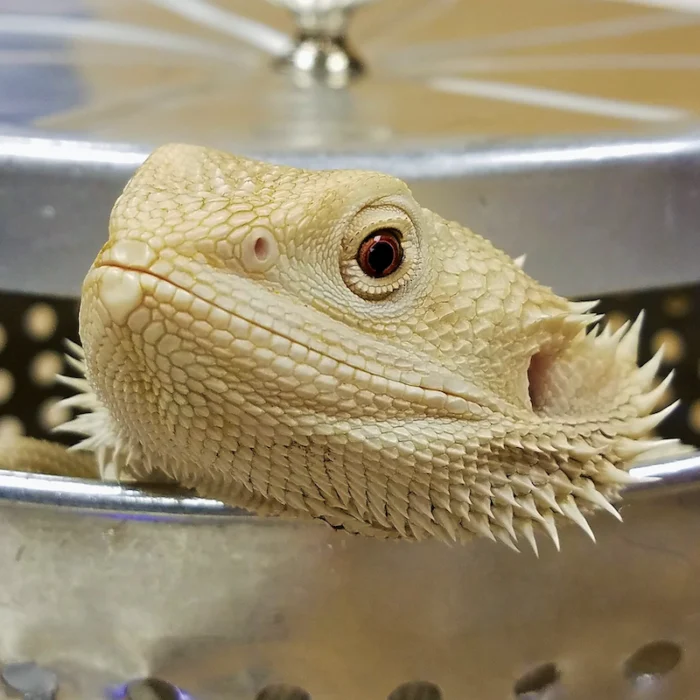
The veterinary community has responded positively to the accreditation of the webinar. Dr. Elena Vasquez, a specialist in exotic animal medicine, noted that "the inclusion of specific techniques for crocodilians and less common reptile pets fills a massive void in our current educational landscape. Most general practitioners see a bearded dragon or a ball python, but when a more complex species arrives, there is often a hesitation that can delay life-saving care."
The AAVSB’s decision to approve the course for one hour of credit is seen as an acknowledgment of the increasing complexity of herpetological medicine. By requiring a post-test with a passing grade to receive the certificate, the program ensures that the knowledge is not just presented but mastered by the participants.
Broader Implications for Animal Welfare
Beyond the immediate benefit to veterinary professionals, the widespread adoption of these therapeutic techniques has profound implications for animal welfare. Improved hydration protocols and a better understanding of the POTZ will likely lead to higher survival rates for reptiles undergoing surgery or recovering from infectious diseases.
Moreover, this webinar sets a precedent for the future of "tele-education" in specialized veterinary fields. By making high-level expertise from specialists like Dr. Mader accessible to any practitioner with an internet connection, the barrier to entry for high-quality exotic animal care is significantly lowered.
As the veterinary field continues to evolve, the integration of specialized herpetological knowledge into the mainstream will be essential. The "Therapeutic Techniques in Reptile Patients" webinar represents a vital step in that evolution, ensuring that the "silent" patients of the veterinary world—reptiles—receive the same standard of evidence-based care as their canine and feline counterparts.
The course remains available on the LafeberVet platform for members, offering an ongoing resource for those looking to refine their skills in this challenging yet rewarding area of veterinary medicine. With the ability to take the post-test up to three times to ensure a passing grade, the program emphasizes genuine learning and the practical application of advanced therapeutic concepts.
