


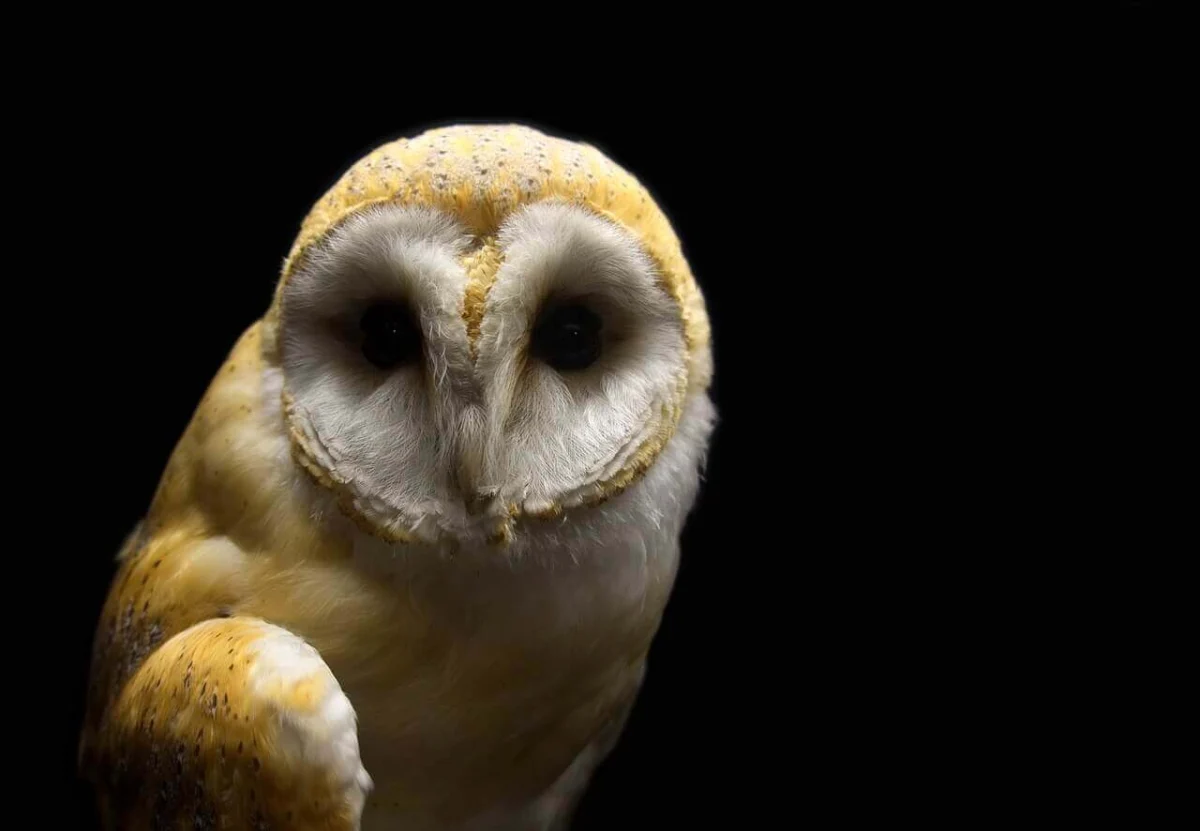
The debate over animal experimentation at Johns Hopkins University (JHU) has reached a critical juncture as public scrutiny intensifies regarding the neurobiological research conducted by experimenter Shreesh Mysore. At the center of the controversy are invasive procedures performed on barn owls, intended to provide insights into human Attention-Deficit Disorder (ADD). With federal funding for these projects reportedly set to expire on May 31, 2026, animal rights organizations and members of the scientific community are questioning the ethical validity, legal compliance, and clinical relevance of the research.
The experiments, which have received more than $3.7 million in taxpayer-funded grants through the National Institutes of Health (NIH), involve a series of highly invasive surgical and experimental protocols. Documents obtained through public records requests and investigative efforts by People for the Ethical Treatment of Animals (PETA) reveal a methodology that includes cutting into the skulls of barn owls, inserting electrodes into their brain tissue, and fixing their heads in place with metal bolts and industrial-strength adhesive.
Experimental Methodology and Avian Physiology
The research protocol spearheaded by Mysore involves the use of 50 to 60 barn owls for the current set of experiments. Within this cohort, approximately six birds are designated specifically for surgical practice by laboratory staff. The primary objective of the research is to study how the brain selects specific stimuli while ignoring others—a process known as competitive stimulus selection.
The procedures begin with invasive surgeries where the owls’ skulls are exposed to allow for the attachment of head-restraint devices. Because barn owls are nocturnal hunters with highly specialized auditory and visual systems, they are subjected to sensory bombardment. During the trials, the birds are placed inside plastic tubes that are sufficiently cramped to prevent them from moving their wings. Their heads are then bolted into a fixed position to ensure stability for the electrodes.
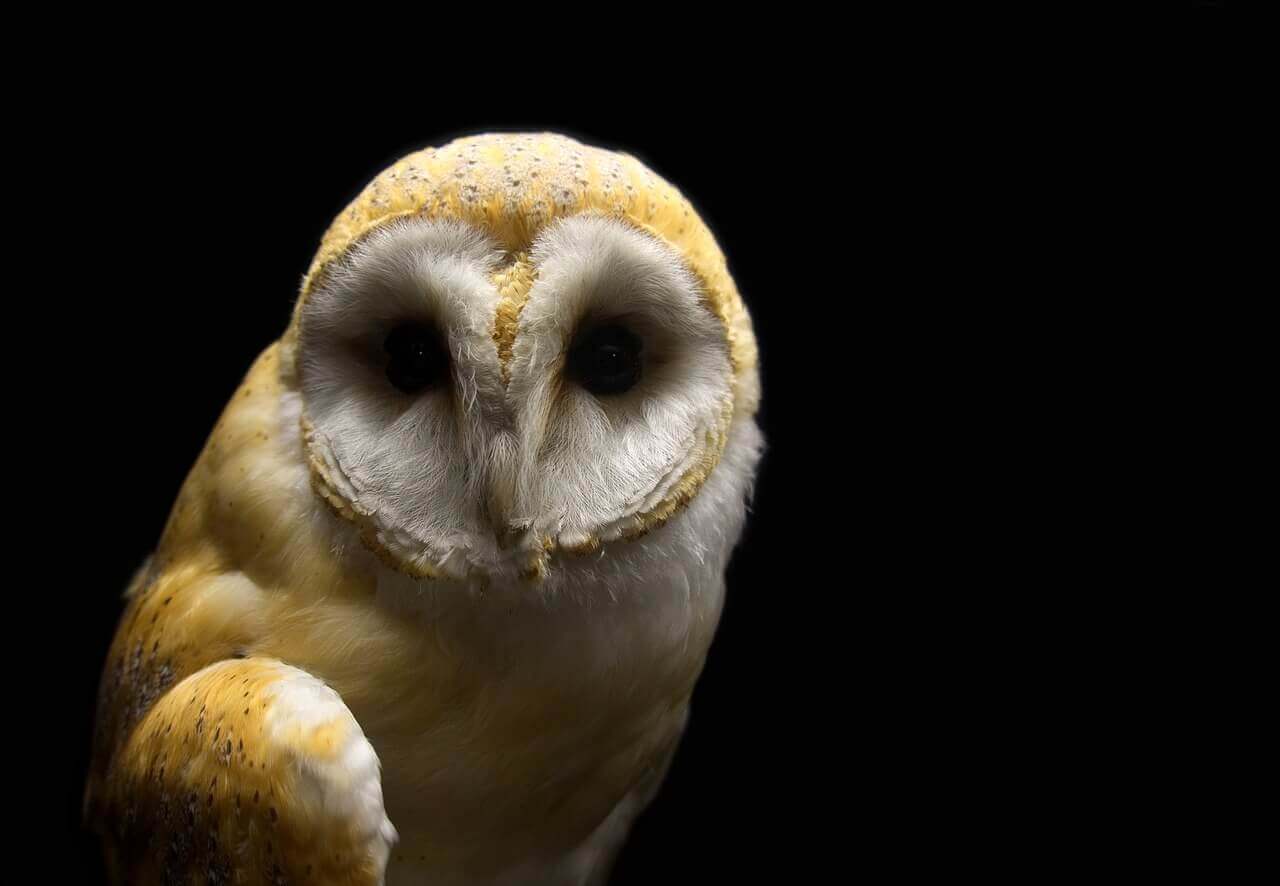
While fully conscious, the owls are subjected to hours of visual and auditory stimuli. Mysore’s team pokes electrodes into various regions of the brain to measure neuronal activity. These procedures often lead to the significant mutilation of brain tissue. Once an owl’s brain is deemed "unusable" due to the cumulative damage from the electrodes, the animal is euthanized. Mysore himself has acknowledged the limitations of this model, noting in previous statements that fixing an animal’s head in place could fundamentally alter how its brain processes information, potentially leading to a misunderstanding of the neurological data.
The Scientific Validity Gap: Owls vs. Humans
A significant portion of the controversy stems from the "translational gap"—the difficulty of applying findings from one species to another. Critics, including independent research scientist Dr. Pandora Pound, argue that the evolutionary divergence between avian and human brains renders the data from Mysore’s lab largely irrelevant to human health.
Barn owls have evolved specialized neural maps for localization and hunting, which differ structurally and functionally from the prefrontal cortex-driven attention mechanisms in humans. Dr. Pound has stated that the refusal to acknowledge these species-specific differences violates fundamental biological concepts. While JHU’s promotional materials often refer to "the brain" as a monolithic entity across species, modern neuroscience suggests that the independent evolutionary histories of humans and owls have resulted in distinct adaptations that cannot be easily reconciled in a laboratory setting.
Furthermore, the scientific community has seen a shift toward 21st-century methodologies for studying ADD and other cognitive disorders. These include non-invasive neuroimaging techniques such as functional Magnetic Resonance Imaging (fMRI), Positron Emission Tomography (PET), Transcranial Magnetic Stimulation (TMS), and Electroencephalography (EEG). These human-based methods allow researchers to observe the human brain in action without the confounding variables of inter-species differences or the extreme stress associated with laboratory restraint.
Financial Oversight and Taxpayer Funding
The financial scale of the research has also drawn criticism. The NIH, the primary federal agency responsible for biomedical and public health research, has funneled millions into Mysore’s laboratory. According to grant tracking data, the funding supports not only the experimental trials but also the maintenance of the laboratory facilities and the procurement of the owls.
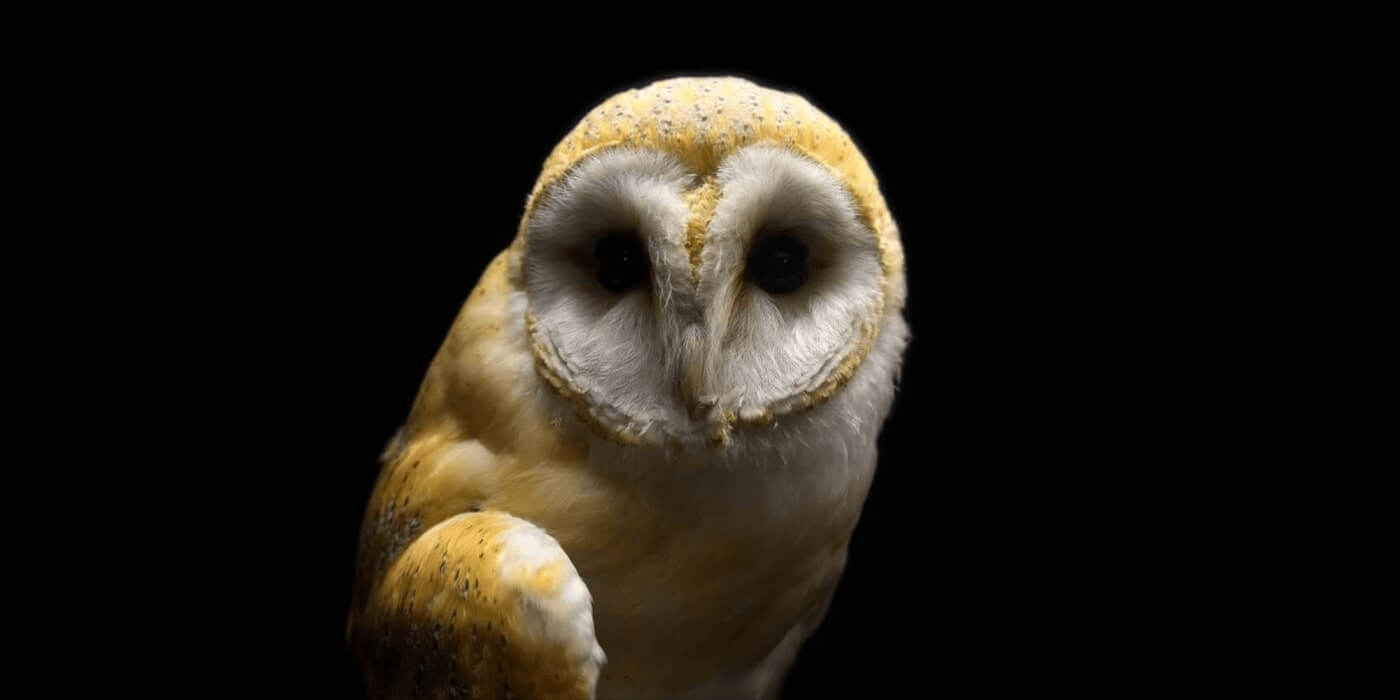
Advocates for research reform argue that these funds would be more effectively utilized if redirected toward clinical studies involving human subjects or the development of advanced computational models. The $3.7 million figure represents a significant investment of public resources into a project that has yet to produce a clinical treatment or a breakthrough in the management of ADD in humans.
A Chronology of Legal and Regulatory Challenges
The timeline of the controversy at Johns Hopkins is marked by a series of legal challenges and regulatory complaints. In recent years, the lab faced scrutiny over its compliance with state and federal laws regarding the possession and use of migratory birds.
- Early Grant Awards: Shreesh Mysore began receiving significant NIH funding for his work on avian midbrain structures, positioning the barn owl as a model for "bottom-up" attention.
- 2018–2020: Increased Scrutiny: PETA and other advocacy groups began filing Freedom of Information Act (FOIA) requests to uncover the specifics of the experimental protocols.
- The Permit Controversy: In 2020 and 2021, it was revealed that Mysore had been conducting experiments on barn owls without the required Maryland state permits for several years. This led to a formal warning from the Maryland Department of Natural Resources, though the experiments were allowed to continue once the paperwork was retroactively addressed.
- Public Advocacy Campaigns: By 2022, the campaign against the experiments gained momentum, with over 500,000 people signing petitions and sending letters to JHU leadership and NIH officials.
- 2024–2026: The Funding Deadline: The current grant cycle is nearing its conclusion. The May 31, 2026, deadline serves as a focal point for activists who are urging the NIH to deny any requests for renewal or extension.
Institutional Response and Ethical Oversight
Johns Hopkins University has historically defended the research, maintaining that animal models are essential for understanding the fundamental principles of neuroscience. The university emphasizes that all research is reviewed by the Institutional Animal Care and Use Committee (IACUC), a body mandated by federal law to ensure that animal welfare standards are met.
However, critics argue that the IACUC system is prone to institutional bias, as the committees are composed primarily of university staff and fellow researchers. The "curiosity-driven" nature of the owl experiments—where the primary goal is to understand basic brain function rather than to cure a specific disease—is a frequent point of contention. Opponents argue that the high level of suffering inflicted on the owls outweighs the theoretical knowledge gained.
Broader Implications for Animal Research
The outcome of the Johns Hopkins owl experiments could have far-reaching implications for the future of avian research in the United States. If the NIH decides to allow the funding to expire, it may signal a shift in federal priorities away from highly invasive "basic science" experiments on animals and toward more human-relevant, non-animal methodologies.
The case also highlights the growing influence of public opinion on scientific funding. With more than half a million people taking action against the Mysore lab, the pressure on federal agencies to justify the use of taxpayer money for such experiments is at an all-time high. The controversy reflects a broader societal debate about the morality of using sentient beings as "tools" for research, especially when those beings are subjected to conditions that bear no resemblance to their natural environments.
As the 2026 deadline approaches, the scientific community remains divided. Supporters of the lab argue that stifling this research could hinder our understanding of the midbrain’s role in sensory processing. Conversely, opponents maintain that continuing to fund the "mutilation" of owls is a step backward for both science and ethics.
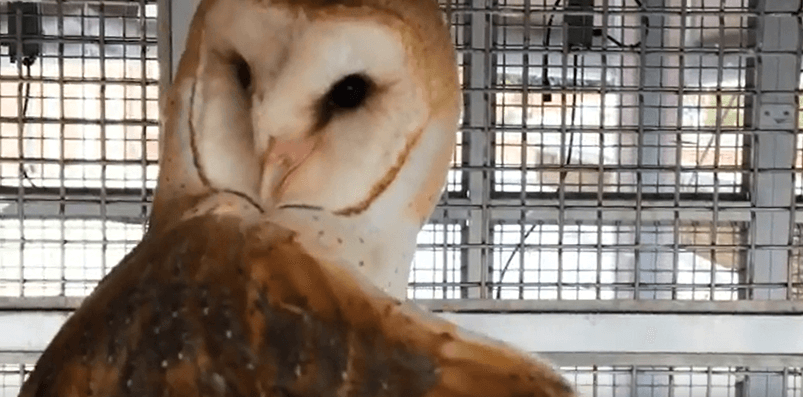
The decision regarding the renewal of Shreesh Mysore’s grants will likely serve as a litmus test for the NIH’s commitment to its own "Research Plan to Advance the Development of Alternatives to Animals in Research." For the barn owls currently held in the cinderblock laboratories of Johns Hopkins, the clock continues to tick toward a deadline that will determine whether this chapter of neurobiological research concludes or continues into another decade.
