


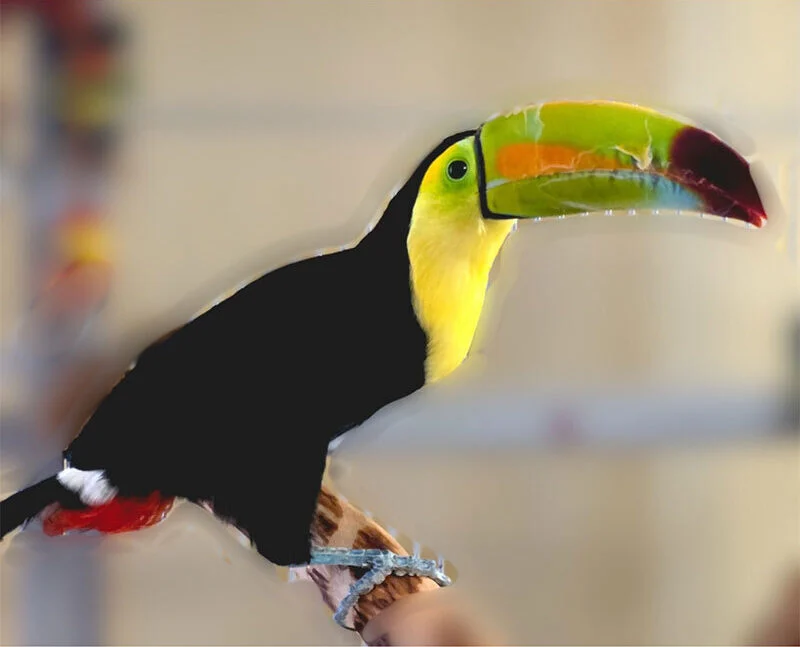
The extraordinary saga of Toucan Sam, a vibrant exotic bird that captivated the Las Vegas community for over three months after escaping his enclosure in November 2025, reached its hopeful conclusion on February 26, 2026. His capture by the dedicated team at Southwest Exotic Avian Rescue (SWEAR) not only brought an end to his precarious journey through the urban desert landscape but also cast a significant spotlight on the intricate challenges of exotic pet ownership, the remarkable adaptability of wildlife, and the critical role of specialized rescue organizations. Sam’s prolonged freedom in an environment starkly different from his natural tropical habitat posed numerous survival risks, from the harsh desert climate to the scarcity of appropriate food sources, making his successful rescue a testament to both his resilience and the persistent efforts of those who monitored his whereabouts.
Toucans, belonging to the family Ramphastidae, are renowned for their striking plumage and distinctive, oversized bills. These captivating birds are native to the tropical and subtropical regions of Central and South America, thriving in humid rainforests where abundant fruit, insects, and small vertebrates form their natural diet. While their exotic beauty often appeals to prospective pet owners, the reality of caring for a toucan in a domestic setting, particularly outside its natural range, is fraught with complexities that many underestimate. Their specialized physiological needs, coupled with specific behavioral patterns, demand an unparalleled level of commitment and expertise.
The Complexities of Toucan Care
One of the most significant challenges in toucan husbandry is their highly specialized diet. Unlike many common pet birds, toucans require a low-iron diet, primarily consisting of fresh, ripe fruits and specially formulated low-iron pellets. A diet rich in iron, often found in many common fruits, vegetables, or standard birdseed mixes, can lead to hemochromatosis, a fatal iron storage disease that damages the liver and other organs. This metabolic vulnerability means that even seemingly benign food items can pose a serious health risk, requiring owners to meticulously research and adhere to strict dietary guidelines. In the wild, their diet consists largely of the fleshy pulp of various fruits, supplemented by insects, spiders, small lizards, and even the eggs and nestlings of other birds. This varied natural intake ensures a balanced nutrient profile, something incredibly difficult to replicate in a domestic, let alone an escaped urban, environment.
Beyond diet, the toucan’s most iconic feature, its large, colorful beak, presents its own set of care considerations. While seemingly robust, the toucan’s beak is surprisingly lightweight, composed of keratin over a bone scaffolding, making it susceptible to injury. It serves multiple crucial functions, including foraging for fruit, deterring predators, and, notably, thermoregulation. The intricate network of blood vessels within the beak allows toucans to dissipate excess body heat, an essential adaptation in their warm native climates. In a captive environment, this means enclosures must be free of sharp edges or hazards that could damage the beak. Furthermore, the beak’s size necessitates specific perching arrangements that allow the bird to maneuver comfortably without impediment. Owners must also understand that despite their formidable appearance, toucans are not inherently aggressive, but they can be territorial or display strong personalities, sometimes resulting in nips or pecks if not properly socialized or if their boundaries are not respected. The social complexity of these intelligent birds also means they thrive on interaction and stimulation, often requiring large aviaries and varied enrichment to prevent boredom and behavioral issues.
Legally, the ownership of toucans and other exotic birds is often regulated by international treaties such as CITES (the Convention on International Trade in Endangered Species of Wild Fauna and Flora), as well as by national, state, and local laws. While toucans as a whole are not typically endangered, certain species within the family may be, and their trade is strictly controlled. Prospective owners must navigate a labyrinth of permits and regulations, ensuring their acquisition and ownership are legal and ethical. The average lifespan of a toucan in captivity can range from 15 to 20 years, some even longer, underscoring the long-term commitment involved.
Chronology of Sam’s Las Vegas Adventure
Sam’s perilous journey began in November 2025, when he managed to escape his enclosure in the sprawling urban expanse of Las Vegas. The exact circumstances of his escape remain undisclosed, but the incident initiated a months-long vigil by concerned citizens and avian rescue organizations. The immediate concern for Sam’s welfare was palpable. A toucan, accustomed to the dense, humid canopy of a tropical rainforest, found himself thrust into the stark, arid environment of the Mojave Desert. The climatic contrast could not have been more extreme. Las Vegas winters, while often mild during the day, can plummet to near-freezing temperatures at night, a stark departure from the consistently warm, humid conditions toucans are adapted to. Average low temperatures in Las Vegas during winter months can range from 30-40°F (0-4°C), with occasional dips below freezing. For a tropical bird, prolonged exposure to such cold can quickly lead to hypothermia, frostbite, and eventually, death.
However, a critical factor in Toucan Sam’s extraordinary survival was the unusually mild winter experienced in the Las Vegas region during late 2025 and early 2026. This atypical weather pattern, characterized by fewer extreme cold snaps and generally higher ambient temperatures than average, significantly reduced the immediate threat of hypothermia that would typically be a paramount concern for an escaped tropical bird. This stroke of luck provided Sam with a vital window of opportunity to adapt and forage, albeit precariously, for sustenance. Without this meteorological anomaly, Sam’s chances of enduring the desert nights would have been drastically reduced.
Throughout his time on the loose, Sam became a local celebrity of sorts. Sightings were frequently reported across various neighborhoods in the Las Vegas Valley, with numerous photos circulating on social media. These public observations were invaluable to organizations like SWEAR, who meticulously tracked his movements. Southwest Exotic Avian Rescue, a non-profit organization dedicated to the rescue, rehabilitation, and rehoming of exotic birds in the region, played a pivotal role in this ongoing monitoring effort. Their experienced volunteers understood the critical nature of the situation and the specialized knowledge required to safely capture such a unique species without causing further stress or injury. While many attempts were made to lure or net Sam, his natural wariness and agility in flight made direct intervention exceedingly difficult. The challenge lay in capturing him safely, without risking injury to the bird or the rescuers, a task that often requires patience, strategic planning, and the right opportunity.
The breakthrough finally arrived on February 26, 2026. In a fortunate turn of events, Sam, likely driven by hunger or seeking shelter, ventured into a homeowner’s open garage. The alert residents, who were aware of the local toucan saga, quickly recognized him. Demonstrating remarkable presence of mind and understanding the urgency of the situation, they promptly closed their garage door, safely containing the weary bird. This quick action prevented another escape and created the ideal environment for a secure capture. SWEAR was immediately contacted, and their rapid response team arrived on the scene, equipped with the necessary tools and expertise to handle an exotic bird of Sam’s size and species. The capture was executed smoothly, bringing an end to his dangerous months-long odyssey.
Post-Capture Care and Rehabilitation
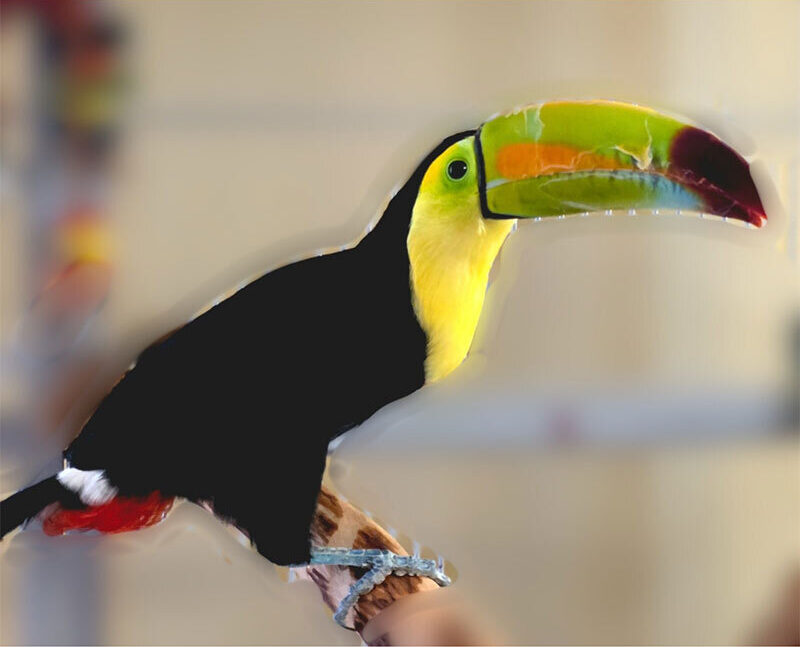
Upon his safe retrieval, Toucan Sam was transported to the SWEAR facility for a comprehensive veterinary assessment. The immediate priorities were to stabilize his condition, assess for injuries or illness, and begin the process of nutritional rehabilitation. Initial examinations revealed a minor chip on the tip of his long beak, likely sustained during foraging or an accidental impact, and a small patch of missing feathers, possibly due to stress, a minor scuffle, or environmental factors. While these injuries were relatively minor, they underscored the inherent dangers he faced in an unfamiliar environment. Blood samples were promptly drawn to screen for a range of potential health issues, including parasitic infections, nutritional deficiencies, and critically, avian influenza.
Avian influenza, or bird flu, is a highly contagious viral disease that can affect many species of birds, both wild and domestic. Its potential to spread rapidly and cause severe illness or death makes it a significant concern for avian rescue operations. Given Sam’s extended exposure to wild bird populations and potentially contaminated food or water sources during his time on the loose, a mandatory quarantine period was immediately initiated. This isolation protocol, typically lasting between 30 to 45 days, is standard practice in exotic bird rescues to prevent the potential transmission of diseases to other birds within the facility. During this time, Sam is under close observation, with his appetite, activity levels, droppings, and overall demeanor continuously monitored by SWEAR’s experienced veterinary staff and caregivers. The primary focus of his care during quarantine is to restore him to optimal health, address any underlying conditions, and ensure he is free of infectious diseases before he can be safely integrated with other birds.
A spokesperson for SWEAR, commenting on Sam’s condition, indicated cautious optimism: "Toucan Sam has shown remarkable resilience. While he endured some minor injuries and stress from his ordeal, his overall condition is improving daily. The quarantine period is critical for us to ensure he is fully healthy and poses no risk to other birds. We are meticulously monitoring his diet to correct any nutritional imbalances he may have developed while foraging independently."
The Search for Original Owners and Future Prospects
SWEAR’s dedicated team is committed to providing Toucan Sam with the best possible care, aiming to help him "live his best life" regardless of his future placement. Despite the challenges of his escape, the hope remains that his original owners will come forward to reclaim him. Organizations like SWEAR strongly advocate for microchipping or banding exotic birds, as these identification methods are crucial for reuniting lost pets with their families. Without such identification, proving ownership can be difficult.
In the absence of an owner, Sam’s future would involve either placement in a suitable, experienced home equipped to handle the unique needs of a toucan, or, more likely given his species’ specialized care requirements, a permanent sanctuary where he can receive lifelong professional care in an appropriate aviary setting. SWEAR’s primary goal is always to ensure the animal’s long-term welfare, which may mean a carefully vetted adoption or a dedicated sanctuary placement that can provide the extensive space, specialized diet, and environmental enrichment essential for a toucan’s well-being.
Broader Implications: Exotic Pet Ownership and Community Role
Toucan Sam’s extraordinary story resonates beyond the immediate relief of his safe capture. It serves as a powerful reminder of the profound responsibilities that come with owning exotic pets. The decision to bring an exotic animal into one’s home carries an obligation to provide an environment that meets its complex biological and behavioral needs, a task that often requires significant financial investment, specialized knowledge, and a commitment spanning decades, as many exotic birds have long lifespans. The challenges Sam faced in the Las Vegas desert – from the unsuitable climate and lack of proper diet to the constant threat of urban hazards – highlight the stark contrast between a captive existence and the harsh realities of survival outside a managed environment.
Furthermore, Sam’s adventure underscores the vital role played by specialized animal rescue organizations like SWEAR. These groups are often the unsung heroes, stepping in where general animal shelters lack the expertise or resources to care for unique species. Their volunteers dedicate countless hours and resources to rescuing, rehabilitating, and advocating for exotic animals, filling a critical gap in animal welfare services. The community’s engagement, from reporting sightings to providing temporary safe havens, also proved instrumental in Sam’s eventual rescue, demonstrating the power of collective action in animal welfare.
The long-term implications of Toucan Sam’s ordeal extend to broader discussions surrounding exotic pet legislation and public education. Many jurisdictions have varying regulations regarding the ownership of exotic animals, often attempting to balance individual freedoms with public safety and animal welfare concerns. Stories like Sam’s can catalyze conversations about strengthening these regulations, improving enforcement, and increasing public awareness campaigns about the specific requirements and potential dangers associated with exotic pet ownership. Educational initiatives emphasizing the commitment, resources, and knowledge required for species like toucans can help prevent future escapes and abandonment, ensuring that these magnificent creatures are not placed in situations where their survival is jeopardized.
As Toucan Sam navigates his recovery and quarantine period, his journey from a tropical forest native to a Las Vegas escapee and back into caring hands offers a compelling narrative of resilience and community spirit. His story will undoubtedly continue to educate and inspire, reinforcing the message that while exotic animals like toucans are undeniably beautiful and fascinating, their welfare depends entirely on responsible ownership and the dedicated efforts of those committed to their protection. The hope for Toucan Sam is not merely survival, but a future where his unique needs are fully understood and met, allowing him to thrive in a safe and enriching environment, far removed from the perils of the urban desert. His tale serves as an enduring symbol of the intricate relationship between humans, exotic wildlife, and the shared responsibility for their well-being.
