


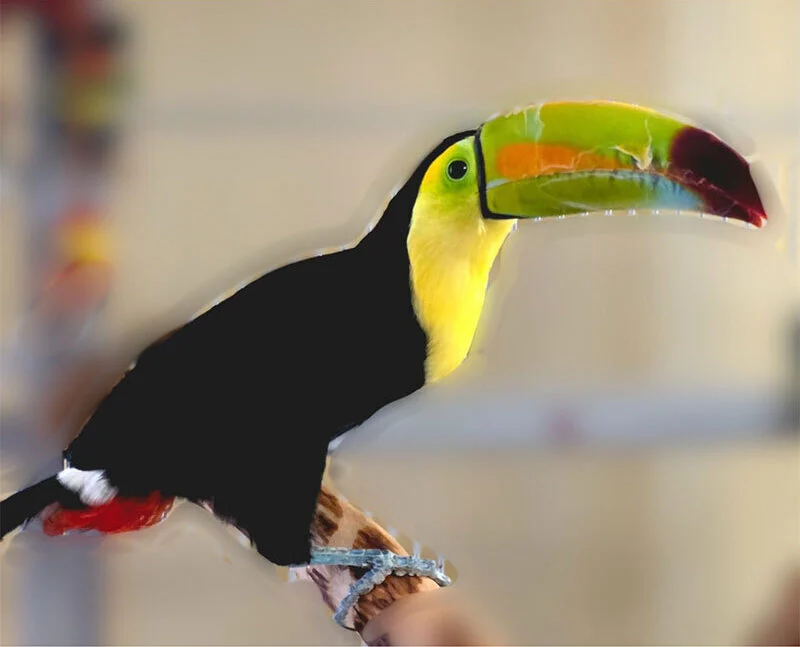
After an extraordinary four-month journey navigating the urban landscape and harsh desert fringes of Las Vegas, Toucan Sam, a vibrant exotic bird, was safely recaptured on February 26, 2026. His remarkable odyssey, which began with an escape from his enclosure in November 2025, captivated local residents and drew the sustained attention of dedicated avian rescue organizations. The Southwest Exotic Avian Rescue (SWEAR) played a pivotal role in monitoring the toucan’s movements and ultimately orchestrating his safe recovery, bringing an end to a period fraught with peril for the tropical bird.
The Perils of Pet Ownership: The Toucan’s Unique Demands
Toucans, with their striking plumage and famously oversized, colorful beaks, are undeniably captivating creatures. Their exotic allure often leads individuals to consider them as pets, yet the reality of toucan ownership is far more complex and demanding than many anticipate. Unlike more common companion birds such as parakeets or cockatiels, toucans are highly specialized animals with distinct needs that pose significant challenges for even experienced avian enthusiasts.
Firstly, their dietary requirements are exceptionally specific. Toucans in their natural rainforest habitats consume a diet rich in fresh fruits, insects, and small vertebrates. In captivity, this translates to a meticulously balanced diet primarily composed of low-iron fruits, supplemented with specialized low-iron pellets and occasional protein sources. Excessive iron intake, common in many standard bird foods and even some fruits, can lead to a fatal condition known as hemochromatosis or iron storage disease, where iron accumulates in their liver and other organs. This necessitates constant vigilance and careful sourcing of appropriate food, a task that can be both time-consuming and expensive.
Beyond diet, toucans demand considerable space. Their active nature and powerful flight require expansive aviaries, far larger than typical household cages. They are not birds suited for small confines; prolonged restriction can lead to stress, behavioral issues, and physical ailments. Furthermore, their large beaks, while visually impressive, are formidable tools. While often used for foraging and display, they can also deliver a powerful bite, making them potentially aggressive, especially if not properly socialized or if feeling threatened. This potential for aggression, coupled with their intelligence and natural wild instincts, means they are not easily "domesticated" in the same way as some other avian species. Their average lifespan, often 15-20 years in captivity with proper care, also represents a significant long-term commitment.
The legal landscape surrounding exotic pet ownership varies, but in many parts of the United States, including Nevada, while toucans are not typically regulated under CITES (Convention on International Trade in Endangered Species of Wild Fauna and Flora) Appendix I or II for immediate endangered status, their ownership still comes with ethical considerations. The challenges of providing an environment that truly meets their complex physical and psychological needs often mean that many toucans end up in rescue facilities or, tragically, are abandoned or escape. Toucan Sam’s story serves as a stark reminder of these inherent difficulties and the profound responsibility that comes with keeping such magnificent, wild-at-heart creatures.
A Winter’s Tale: The Months-Long Escape Across the Desert Sky
Toucan Sam’s unscheduled sabbatical began in November 2025, when he managed to escape his enclosure in the sprawling Las Vegas metropolitan area. For nearly four months, the striking bird became an unlikely celebrity, his bright plumage a vivid contrast against the muted desert backdrop. Sightings poured in from various neighborhoods, ranging from suburban backyards to commercial districts, often accompanied by photographs shared across local social media platforms. Each sighting fueled public fascination, but also mounting concern for the bird’s well-being.
The dangers faced by an escaped toucan in the Nevada desert are manifold and severe. Accustomed to the warm, humid, and fruit-rich rainforests of Central and South America, Toucan Sam was thrust into an environment utterly alien to his species. Food scarcity was a primary concern; while he might have found some edible berries or insects, the specialized, low-iron diet essential for his health would have been virtually impossible to maintain. Dehydration in the arid climate posed another critical threat, especially given the toucan’s need for consistent access to fresh water.
Predation was also a constant menace. Urban and desert environments are home to various predators, including raptors like hawks and owls, as well as terrestrial threats such as coyotes and domestic cats, all of which would view a brightly colored, disoriented bird as potential prey. Furthermore, the extreme temperature fluctuations of the desert, particularly the cold winter nights, presented a formidable challenge. Toucans are not equipped to withstand freezing temperatures, and fears that Sam would succumb to hypothermia were a constant worry among those monitoring his plight.
Fortunately, nature provided an unexpected reprieve. The winter of 2025-2026 in the Las Vegas region was uncharacteristically mild. While typical winter nights can see temperatures drop significantly, often below freezing, this particular season experienced higher-than-average temperatures. This anomalous weather pattern proved to be a critical factor in Toucan Sam’s survival, mitigating what would otherwise have been a near-certain fatal exposure for a bird adapted to tropical climates.
Throughout this period, the Southwest Exotic Avian Rescue (SWEAR) played an indispensable role. The organization, comprising dedicated volunteers and avian experts, maintained a continuous watch. They meticulously logged sightings, analyzed movement patterns, and formulated various strategies for a safe capture. While numerous attempts were made, Toucan Sam’s agility, flight capability, and natural wariness made him an elusive target. The challenge was compounded by the vastness of the area and the necessity of ensuring the bird’s safety during any capture attempt. SWEAR’s sustained effort, driven by a deep commitment to animal welfare, kept hope alive for Sam’s eventual recovery.
The Breakthrough: A Homeowner’s Vigilance Leads to Capture
The months-long saga reached its decisive turning point on the afternoon of February 26, 2026. The breakthrough came not from a planned trap or a complex pursuit, but from the keen observation and quick thinking of a Las Vegas homeowner. Toucan Sam, likely driven by hunger or seeking shelter, ventured into an open garage. The homeowners, who had been aware of the local toucan sightings, immediately recognized the distinctive bird. Acting swiftly and prudently, they managed to close the garage door, effectively containing Sam without causing him harm or distress.
Their immediate next step was to contact SWEAR, the organization widely known for its efforts in tracking the toucan. The rescue team mobilized rapidly, understanding the critical nature of the situation. Within a short time, experienced SWEAR personnel arrived at the residence, equipped with the necessary tools and expertise for a safe avian capture. Using specialized nets and gentle handling techniques, they successfully secured Toucan Sam, bringing an end to his prolonged period of precarious freedom.
The relief among the SWEAR team and the homeowners was palpable. Capturing an exotic bird that has been free for an extended period presents significant challenges, not least the risk of injury to the bird or rescuer. The homeowners’ calm demeanor and swift action were instrumental in ensuring a stress-free containment, allowing the professionals to execute the final stage of the rescue efficiently. The recapture represented a triumph of community vigilance combined with the unwavering dedication of specialized animal welfare organizations. Toucan Sam, now safely in human care, was transported to the SWEAR facility, where a comprehensive assessment of his health and well-being could finally begin.
From Wild to Ward: Toucan Sam’s Road to Recovery
Upon arrival at the SWEAR facility, Toucan Sam immediately entered a crucial phase of rehabilitation, beginning with a mandatory quarantine period of 30 to 45 days. This isolation is a standard protocol for any newly admitted animal, particularly those with an unknown history or prolonged exposure to the wild. The primary objective is to prevent the potential spread of diseases to other birds in the facility, a vital measure in avian rescue operations where populations can be vulnerable. During this time, Sam is under close observation, allowing veterinary staff to monitor his behavior, appetite, and any signs of illness or stress.
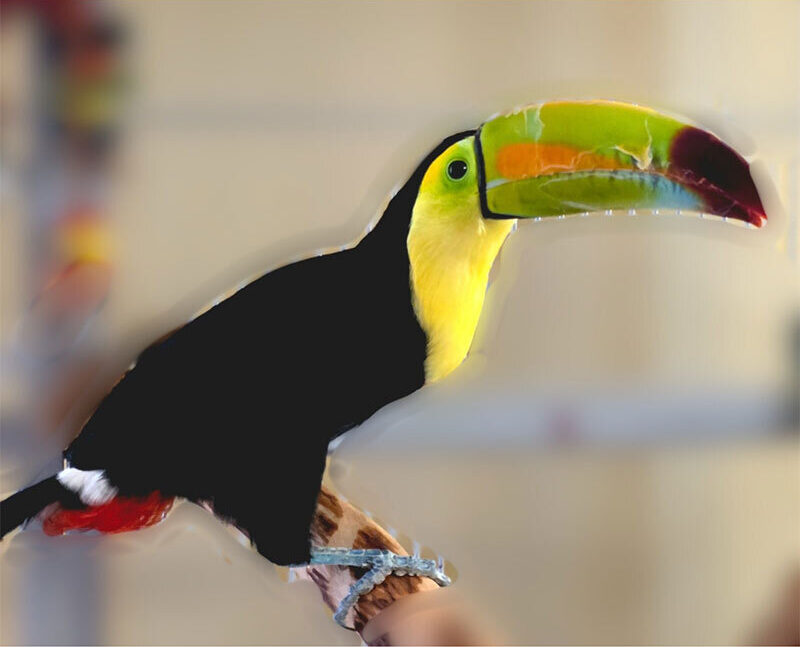
Initial veterinary examinations revealed several indicators of his challenging time outdoors. Sam had sustained a chip off the tip of his distinctive beak, a common injury for foraging birds in unfamiliar environments or through accidental impact. While not immediately life-threatening, such an injury can affect his ability to eat effectively and may require monitoring or, in some cases, professional shaping by an avian veterinarian. He also exhibited a small patch of feather loss, which could be attributed to stress, nutritional deficiencies, or minor physical trauma during his escape.
Blood samples were meticulously drawn for comprehensive analysis. This critical diagnostic step screens for a range of potential health issues, including parasites, bacterial infections, nutritional deficiencies, and exposure to various avian diseases. Of particular concern is Avian Influenza (bird flu), given the increasing prevalence of outbreaks and the bird’s contact with wild populations during his months on the loose. Other diseases such as Psittacosis (Chlamydiosis) and Pacheco’s Disease, while more common in parrots, are also part of a standard comprehensive screening for exotic birds. The results of these tests will guide his specific treatment plan and inform decisions about his long-term care.
Beyond physical injuries, the psychological impact of prolonged survival in an unfamiliar and often hostile environment cannot be understated. Toucan Sam likely experienced significant stress, fear, and instinctual survival behaviors. The quiet, controlled environment of the quarantine facility is designed to minimize further stress, allowing him to acclimate to human interaction and a regular feeding schedule. Dietary rehabilitation is a key component, ensuring he receives the specialized low-iron fruit and pellet diet crucial for his species’ health, correcting any nutritional imbalances incurred during his escapade. The dedicated care team at SWEAR is focused on not just healing his physical wounds, but also on helping him regain a sense of security and well-being, paving the way for his full recovery.
The Guardians of Avian Welfare: Inside SWEAR’s Mission
The successful recapture and ongoing rehabilitation of Toucan Sam underscore the invaluable role played by organizations like the Southwest Exotic Avian Rescue (SWEAR). SWEAR is a non-profit entity dedicated to the rescue, rehabilitation, and rehoming of exotic birds, primarily focusing on those in the southwestern United States. Their mission extends beyond immediate rescue to encompass public education on responsible pet ownership and the complex needs of exotic avian species.
Operating an avian rescue is a challenging endeavor, requiring specialized knowledge, significant financial resources, and an unwavering commitment. Exotic birds often arrive with a myriad of issues, including severe malnutrition, untreated medical conditions, behavioral problems stemming from neglect or improper housing, and psychological trauma. SWEAR’s team, comprising experienced avian specialists, veterinarians, and dedicated volunteers, possesses the expertise to address these complex needs. From intricate dietary plans to administering specialized medical treatments and providing behavioral enrichment, their work is comprehensive and often extends for months or even years for individual birds.
In the case of Toucan Sam, SWEAR’s involvement was continuous from the moment of his escape. Their proactive monitoring, public outreach for sightings, and eventual precise coordination for his capture exemplify their professional approach. A spokesperson for SWEAR, who wished to remain anonymous to maintain focus on the bird’s welfare, expressed immense relief at Sam’s safe return. "We were incredibly concerned for Toucan Sam’s survival, especially with the fluctuating temperatures and lack of suitable food sources," they stated. "His recovery is a testament to the community’s vigilance and our team’s dedication. This incident also highlights the ongoing challenges exotic bird rescues face, from securing funding for specialized care to educating the public about the immense commitment required to own these magnificent animals."
The broader impact of exotic pet abandonment and escapes places an immense burden on such rescue organizations. Many exotic birds are purchased impulsively, without a full understanding of their long-term needs, leading to surrender or escape when owners become overwhelmed. SWEAR, along with other similar organizations nationwide, serves as a critical safety net, working tirelessly to provide a second chance for these often misunderstood and neglected creatures. Their efforts are not just about individual animal welfare but also about promoting a more responsible and humane approach to exotic pet stewardship.
The Question of Ownership: Toucan Sam’s Uncertain Future
As Toucan Sam continues his recovery under quarantine at the SWEAR facility, a significant question looms regarding his long-term future: the identity and intentions of his original owners. To date, no one has publicly come forward to reclaim the bird. This situation is not uncommon in exotic pet rescues, where owners may be hesitant to step forward due to fear of legal repercussions, embarrassment, or an inability to continue providing appropriate care.
SWEAR has established protocols for identifying original owners. These typically involve scanning for microchips (though many exotic birds, especially older ones, may not be chipped), reviewing historical lost pet reports, and making public appeals with detailed descriptions of the bird. If an owner does come forward, they would be required to provide irrefutable proof of ownership, such as veterinary records, purchase receipts, or photographs clearly identifying the bird, to ensure Sam is returned to his rightful home. A thorough assessment of the owner’s ability to provide a secure and suitable environment would also be conducted, particularly given the circumstances of his escape.
However, if Toucan Sam remains unclaimed after a reasonable period, SWEAR will then determine the best course of action for his long-term placement. Several options exist, each with its own considerations. One possibility is placement in a specialized avian sanctuary, particularly if Sam’s history or any lingering health issues necessitate a high level of ongoing care that a typical private owner might struggle to provide. Sanctuaries offer expansive, species-appropriate environments and expert care, allowing birds like Sam to live out their lives in comfort.
Another option is adoption by a private individual or family. However, the adoption process for a toucan is exceptionally stringent. Prospective adopters would undergo extensive vetting, including home visits to assess the suitability of their enclosure (requiring a large, secure aviary), demonstrated knowledge of toucan-specific dietary needs and care, and a commitment to providing long-term veterinary attention. SWEAR’s priority will be to find a home that can not only meet but exceed the complex needs of a toucan, ensuring that Sam never faces the dangers of escape or neglect again.
Regardless of whether his original owners are identified or if he is placed in a new home, the ultimate goal for Toucan Sam is to provide him with an environment where he can thrive. This includes a spacious and enriching enclosure, a meticulously balanced low-iron diet, access to specialized avian veterinary care, and appropriate social interaction, whether with other birds or with knowledgeable human caregivers. His journey from escape to recovery highlights the challenges and responsibilities inherent in the ownership of exotic species and the dedication required to ensure their welfare.
Beyond Sam: Lessons in Exotic Pet Stewardship and Community Action
Toucan Sam’s epic journey through the Las Vegas landscape offers more than just a captivating animal story; it provides crucial insights into the broader implications of exotic pet ownership and the power of community engagement in animal welfare. His survival, against considerable odds, serves as a poignant reminder that exotic animals, even those raised in captivity, retain their wild instincts and are ill-equipped for independent survival in non-native environments.
The incident underscores the urgent need for greater public awareness and education regarding the realities of owning exotic pets. Unlike domesticated animals, exotic birds like toucans are not inherently suited for life in a typical home. Their complex dietary, spatial, and social requirements demand a level of commitment and specialized knowledge that often surpasses the capabilities of the average pet owner. This frequently leads to situations where birds are surrendered to rescues, neglected, or, as in Sam’s case, escape due to inadequate enclosures or lack of understanding of their behaviors. Responsible pet stewardship, therefore, begins with thorough research and a realistic assessment of one’s ability to meet these extraordinary needs for the animal’s entire lifespan.
Furthermore, Toucan Sam’s story is a testament to the invaluable role of dedicated animal rescue organizations and the vigilance of the community. Without the sustained efforts of SWEAR, tracking his movements and preparing for his capture, and without the alert actions of the homeowners who contained him, Sam’s fate might have been far more tragic. This collaborative spirit—where citizens report sightings and specialized groups provide expert intervention—is critical in safeguarding the welfare of both domestic and exotic animals.
The incident also subtly brings to light the ethical debate surrounding the exotic pet trade itself. While Sam is a captive-bred bird, his escape highlights the artificiality of his situation and the challenges of replicating a natural habitat. It prompts reflection on whether certain wild species are truly appropriate as "pets," regardless of their legal status.
As Toucan Sam moves forward into whatever direction his future takes, his experience serves as a compelling narrative. It’s a story of resilience, survival, and the profound impact of human compassion and expertise. His journey from a precarious existence on the wing to the safety of dedicated care offers valuable lessons for all stakeholders in the complex world of exotic pet ownership, emphasizing responsibility, education, and the enduring commitment to animal welfare.
