


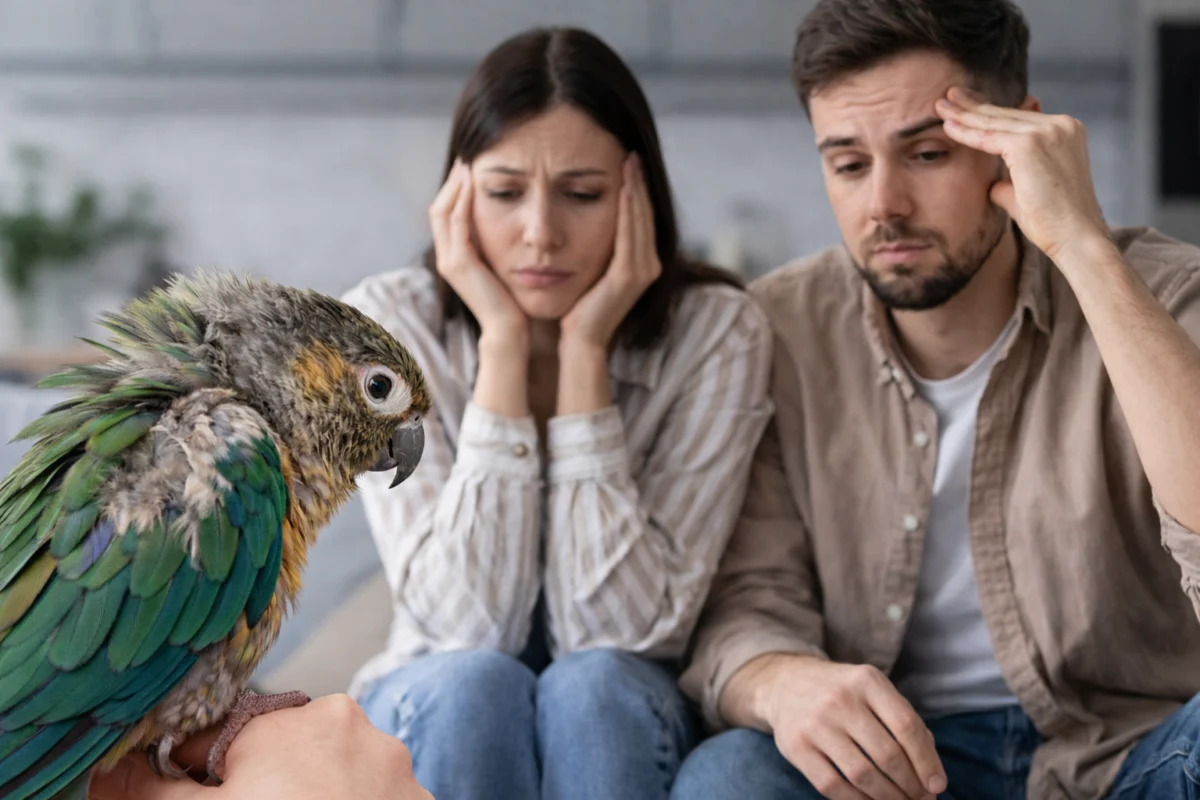
Chronic feather, skin, or what often feels like a “never-ending molt” in pet birds are not sudden occurrences. Owners typically arrive at this point after weeks or months of observing persistent feather loss, poor feather regrowth, or ongoing skin irritation that troubles their avian companions. This prolonged distress often prompts uneasy questions: “Is this normal molting or plucking?”, “Why does this cycle never seem to end?”, and “Why won’t the feathers simply heal?” This comprehensive guide is designed for that critical juncture, moving beyond initial panic or basic advice to provide a structured approach for recognizing when a bird’s natural repair mechanisms are failing and outlining the most effective next steps. It delves into observable bird behavior patterns and clarifies where behavior modification fits into the recovery process, strictly emphasizing its application only after all potential medical causes have been thoroughly ruled out by a qualified avian veterinarian.
The Pervasive Challenge of Avian Dermatological and Feather Disorders
Feathers are not merely aesthetic features; they are complex, vital integumentary structures essential for flight, thermoregulation, protection, and sensory perception. A healthy plumage is a primary indicator of a bird’s overall well-being. Consequently, chronic issues affecting feathers and skin represent a significant welfare concern for captive birds and a source of considerable distress for their caregivers. These conditions can range from persistent poor feather quality and delayed molts to severe feather destructive behaviors (FDB), including plucking, chewing, and barbering, which can lead to self-mutilation and secondary infections.
According to the Merck Veterinary Manual, skin and feather disorders are among the most common reasons pet birds are presented to veterinarians. While exact prevalence varies by species and captive conditions, studies and clinical observations suggest a substantial portion of captive psittacine (parrot) species, for instance, may exhibit some form of feather or skin abnormality at some point in their lives. The complex interplay of physiological, environmental, and psychological factors often makes diagnosis and treatment challenging, demanding a methodical and patient approach.
Observing Bird Behavior: Identifying Concerning Patterns
What owners typically notice is not an isolated incident but a recurring pattern: feathers drop, new ones emerge poorly or are immediately damaged, skin becomes irritated, and the cycle repeats. Before prematurely labeling the issue as "molt" or "plucking," the crucial first step is to slow down and objectively document the bird behavior observed daily, resisting the urge to jump to conclusions.
Common observations that raise concern include:
- Excessive or Persistent Preening: While normal preening is essential, an increase in its duration, intensity, or the bird’s apparent fixation on specific areas can indicate discomfort.
- Feather Damage: This may manifest as frayed edges, bent shafts, broken barbs, or complete removal of feathers. Damage can be localized (e.g., chest, wings, legs) or generalized.
- Skin Irritation: Redness, inflammation, flaking, scabs, or lesions on the skin, often revealed by feather loss.
- Vocalizations or Body Language Indicating Discomfort: Increased squawking, grunting, shivering, or a hunched posture while self-preening.
- Presence of "Stress Bars": These are visible lines or bands across the width of a feather, indicating periods of nutritional deficiency, illness, or severe stress during feather growth. Their presence suggests past physiological disturbances.
- Incomplete Molts: Patches of old feathers remaining, or new feathers failing to emerge properly.
- Regrowth of Abnormal Feathers: Feathers that are dull, discolored, misshapen, or brittle upon regrowth.
Action Plan for Observation: The key to accurate assessment is systematic observation. Owners should define when fully healthy feathers were last observed and then routinely photograph the affected areas weekly under consistent lighting conditions. This objective photographic record provides tangible evidence to confirm whether the issue is ongoing, preventing subjective guesswork about whether it’s a "molt vs. plucking" scenario without data. A detailed log of diet, sleep patterns, environmental changes, and any observed behaviors can further aid in identifying triggers or patterns.
Distinguishing Normal Molt from Concerning Issues
Understanding the natural molting process is fundamental to identifying when something is amiss.
What’s Considered Normal Molt:
A normal molt is a physiological process where birds shed old, worn-out feathers and replace them with new ones. This usually occurs in a predictable, seasonal cycle, often triggered by changes in photoperiod (daylight length) and temperature. Molting typically occurs in waves, ensuring the bird retains sufficient plumage for flight and insulation. During a normal molt, owners will observe feathers dropping, new pin feathers emerging (which can appear spiky and sometimes itchy), and then a period of calm as these new feathers mature and unfurl. The entire process for an individual feather takes several weeks, and the overall molt period for a bird can last a few weeks to several months, depending on the species and environmental factors. Healthy molting results in a full, vibrant, and intact new plumage.
What Raises Concern:
Several indicators should prompt concern and warrant closer investigation:
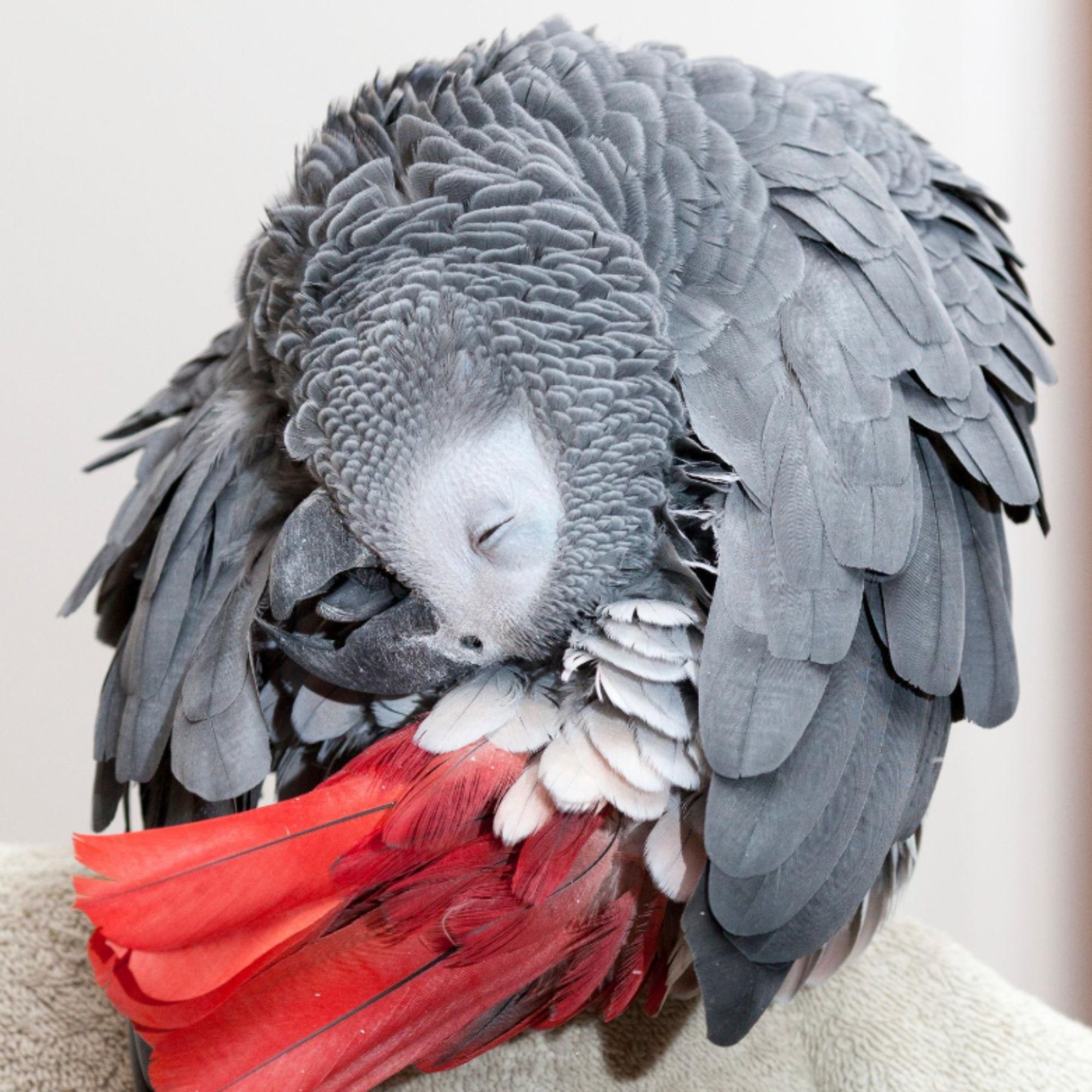
- Prolonged or Constant Molting: A "never-ending molt" where the bird seems to be continuously shedding feathers without a clear period of cessation, or new feathers are immediately damaged.
- Poor Feather Quality: New feathers that are dull, discolored, malformed, brittle, or exhibit persistent stress bars. These issues suggest underlying problems with keratin production or nutrient absorption.
- Exposed Skin: Areas where feathers are consistently missing, leaving skin bare, especially in regions not typically exposed during a normal molt (e.g., chest, abdomen).
- Skin Lesions or Inflammation: Red, irritated, broken, or scabbed skin, which can indicate excessive scratching, plucking, or an underlying dermatological condition.
- Self-Mutilation: Any behavior where the bird is actively damaging its own skin, even in the absence of feathers.
- Concurrent Systemic Signs: Lethargy, decreased appetite, weight loss, changes in droppings, or other signs of illness accompanying feather problems. These are red flags for underlying medical conditions.
Action Plan for Assessment: While it is natural to compare one’s bird to others, the most important comparison is between the bird’s current feather and skin health and its own historical state. How do today’s feathers look compared to how they looked six months or a year ago? How long has this rough cycle persisted without a break? When a pattern of poor feather quality or persistent feather loss doesn’t resolve naturally, it typically signifies that the bird’s body has not had adequate time or resources to heal and rejuvenate. This can be due to chronic stress, nutritional deficiencies, or an underlying medical condition preventing proper physiological function.
Immediate Steps: Focusing on Stabilization, Not Fixing
When chronic feather or skin issues are observed, the immediate priority is to stabilize the bird’s physiological state and environment, rather than attempting to "fix" specific behaviors. This initial phase aims to reduce the overall burden on the bird’s body, allowing it to redirect energy towards healing and maintenance.
Focus on Stabilization:
- Optimize Environmental Conditions: Ensure a consistent, quiet, and predictable environment. This includes a stable temperature (avoiding drafts or extreme heat), appropriate humidity levels (especially crucial for tropical species), and a consistent light cycle (10-12 hours of uninterrupted darkness for sleep is vital).
- Nutritional Review: Transition to a high-quality, species-appropriate pelleted diet supplemented with a variety of fresh vegetables, fruits, and some healthy grains. Eliminate or severely limit seed-heavy diets, which are often nutritionally deficient. Consider consulting an avian vet about specific dietary supplements if deficiencies are suspected.
- Stress Reduction: Minimize sudden changes, loud noises, or excessive handling. Provide enriching activities that encourage natural behaviors like foraging, chewing, and playing, diverting focus from feathers.
- Hygiene and Bathing: Offer regular opportunities for bathing (misting, shallow dish, or shower per preference) to keep feathers and skin clean and hydrated. Ensure clean cage conditions to prevent bacterial or fungal growth.
- Adequate Rest: Strict adherence to a consistent sleep schedule is paramount. Uninterrupted darkness and quiet are essential for the bird’s endocrine system and overall recovery.
What this Phase is Not:
- Not a Diagnostic Phase: While observations are made, this is not the time for self-diagnosis or attempting to definitively identify the root cause without professional input.
- Not a Behavioral Intervention Phase: Directly trying to stop plucking or other feather destructive behaviors through punishment or restraint is counterproductive at this stage. The focus is on underlying well-being.
- Not a "Quick Fix": Stabilization is a foundational, ongoing process, not a temporary measure. Patience and consistency are crucial.
Why Stabilization Matters:
The primary goal of stabilization is to provide the bird’s body with the necessary support and a calm environment to foster the growth of healthier feathers. When a bird is under chronic stress—whether nutritional, environmental, or psychological—its body remains in a "fight or flight" state. This state diverts physiological resources away from non-essential functions, including optimal feather development and skin health. By reducing stressors and optimizing basic needs, the bird’s body can exit this stress state, allowing metabolic energy and nutrients to be allocated more effectively towards repair and regeneration. Rushing into "fixing" specific symptoms without addressing the underlying physiological and environmental stability often perpetuates the stress cycle, hindering true recovery.
Behavioral Study: Why Feather Problems Don’t Self-Correct
Feather regrowth is one of the most energetically demanding processes a bird’s body undertakes. It requires a significant allocation of nutrients, energy, and precise hormonal signaling. In healthy birds, this process is managed efficiently, but even then, it can be taxing. When a bird is already expending considerable energy on feather growth, adding additional stressors—such as disrupted sleep, constant environmental changes, inappropriate handling, or a nutritionally inadequate diet—can overwhelm its physiological systems. The feathers, being indicators of overall health, often show the first signs of compromise.
Consider the analogy of human recovery from illness or exhaustion. Individuals do not typically immediately resume strenuous activities; they prioritize rest, gentle nutrition, and a simplified routine. Birds, when under strain from chronic feather issues, require a similar level of supportive care. Their body language provides valuable insights into their state. A bird that is constantly agitated, restless, or fixated on its feathers is signaling distress.
The Impact of Stress on Feather Health:
- Nutrient Depletion: Chronic stress can impair digestion and nutrient absorption, leading to deficiencies even if a seemingly adequate diet is provided. Feather growth requires high levels of protein (amino acids), vitamins (especially A, D, E, B-complex), and minerals (calcium, zinc, selenium).
- Hormonal Imbalance: Stress hormones (corticosteroids) can directly interfere with normal follicular development and feather keratinization, leading to weaker, malformed feathers.
- Immune Suppression: Chronic stress weakens the immune system, making birds more susceptible to infections (bacterial, fungal, parasitic) that can further exacerbate skin and feather problems.
- Behavioral Feedback Loop: Irritated skin or itchy pin feathers can lead to excessive preening or plucking. This behavior, if it becomes habitual, can perpetuate the cycle of damage, even after the initial physical irritant is resolved.
By adopting a "behavior study" lens, it becomes clear that bodies cannot focus on healing when constantly bracing for the next perceived threat or challenge. Reducing day-to-day stress doesn’t magically fix feathers overnight, but it creates the essential conditions under which the next generation of feathers has a significantly better chance of growing in healthy and strong.
Common Ways Stress is Unintentionally Added:
- Inconsistent Schedules: Erratic feeding times, variable sleep/wake cycles, and unpredictable interaction can heighten anxiety.
- Environmental Instability: Frequent cage moves, exposure to loud noises (TVs, stereos, arguments), or changes in household dynamics.
- Nutritional Deficiencies: Diets heavy in seeds, lack of fresh produce, or reliance on low-quality commercial foods.
- Lack of Enrichment: Boredom due to insufficient toys, foraging opportunities, or mental stimulation can lead to obsessive behaviors.
- Inappropriate Handling: Forcing interaction, excessive restraint, or inconsistent training methods can induce fear and stress.
- Poor Air Quality: Exposure to cigarette smoke, harsh cleaning chemicals, or airborne allergens can irritate respiratory systems and skin.
Recognizing these potential stressors in the bird’s environment is not about assigning blame but about identifying areas where subtle adjustments can significantly reduce the bird’s overall physiological burden.

Where Behavior Modification Fits:
True behavior modification involves reinforcing desired behaviors rather than reacting to undesirable ones. Once all medical issues have been definitively ruled out by an avian veterinarian, behavioral intervention shifts focus from "correcting" feather destructive behavior to strengthening normal, species-appropriate parrot activities. This includes encouraging natural behaviors such as foraging, eating, bathing, chewing on safe items, exploring, and engaging in positive social interactions.
Natural Parrot Behaviors as Stress Relief:
Engaging in natural behaviors acts as a powerful form of stress relief for parrots. Calm, deliberate preening (not obsessive plucking), consuming a nutritious diet, regular bathing, destructive chewing on appropriate toys, and active exploration of their environment help birds regulate stress. When these positive behaviors occur more frequently and are positively reinforced, the intensity and duration of feather-focused destructive habits often diminish. As overall stress levels decrease and environmental predictability increases, improvements in both behavior and feather quality frequently occur in tandem.
When to Seek Professional Help
Knowing when to transition from home stabilization to professional intervention is critical. Delaying veterinary care can lead to worsening conditions and more complex treatments.
Call a Professional When:
- Physical Changes: Any observable physical changes beyond feather issues, such as weight loss, prominent keel bone, skin damage (open sores, scabs), noticeable low energy, or significant shifts in appetite.
- Persistent or Worsening Issues: If the feather or skin problems persist despite diligent stabilization efforts for several weeks, or if they worsen.
- Sudden Onset of Severe Damage: Rapid onset of extensive feather loss or self-mutilation.
- Changes in Droppings or Respiration: Any signs of systemic illness, such as unusual droppings, sneezing, nasal discharge, or labored breathing.
- Any Sign of Pain or Discomfort: The bird vocalizes in pain, avoids being touched in certain areas, or exhibits limping or other signs of physical discomfort.
Who to Call First Matters:
If physical changes—such as weight loss, keel prominence (indicating muscle wasting), visible skin damage, profound lethargy, or marked appetite shifts—are observed, the immediate and unequivocal first call should be to an avian veterinarian. An avian vet possesses specialized knowledge to diagnose and treat conditions unique to birds, ranging from infectious diseases and nutritional deficiencies to organ dysfunction and hormonal imbalances that can manifest as feather or skin issues. They can perform diagnostic tests such as blood work, radiographs, feather biopsies, skin scrapings, and viral panels to identify underlying medical causes.
Once medical causes have been thoroughly investigated and ruled out, and the issue appears primarily habit-driven or psychologically rooted, a qualified avian behaviorist can provide invaluable assistance. A behaviorist will focus on analyzing environmental triggers, developing enrichment strategies, implementing positive reinforcement training, and guiding owners in creating an environment that reduces stress patterns and reinforces healthier, species-appropriate coping behaviors. This two-tiered approach ensures that both the physiological and psychological dimensions of the bird’s health are addressed comprehensively.
Key Takeaway: A Multi-Faceted Approach to Avian Feather and Skin Health
With chronic feather and skin issues in pet birds, the sequence and nature of interventions are paramount. The journey to recovery begins with a foundational commitment to supporting the bird’s basic physiological needs: optimizing physical health through a balanced diet, ensuring adequate rest, providing a predictable and low-stress environment, and maintaining consistent routines. This stabilization phase is not merely a precursor but an ongoing component of care.
If feather problems persist, worsen, or are accompanied by alarming symptoms such as weight loss, signs of pain, or significant skin damage, an avian veterinarian must be the first point of contact. Their expertise is indispensable for diagnosing and treating any underlying medical conditions. Behavioral support, provided by a certified avian behaviorist, follows this critical medical clearance. This support is most effective when it focuses on reducing environmental and psychological stressors and actively reinforcing natural, positive parrot behaviors, rather than attempting to forcibly alter the feather-destructive behavior itself. By understanding the intricate connections between physical health, environment, and behavior, owners can provide a holistic and effective pathway to recovery for their cherished avian companions, ultimately enhancing their welfare and promoting a life of vibrant plumage and robust health.
Published On: Feb 1, 2026
Last updated on: Feb 02, 2026
By Diane Burroughs
