

The cyclical process of molting is a fundamental biological imperative for all birds, serving to replace worn or damaged feathers with new, healthy ones essential for flight, insulation, and communication. A key component of this renewal is the emergence of "pin feathers," which are newly growing feathers encased in a protective keratin sheath. While a natural part of avian physiology, the appearance of these spiky structures, particularly in clusters, often raises questions and concerns among bird owners regarding their pet’s comfort and health. This guide aims to provide a detailed understanding of pin feathers, differentiate them from more serious conditions, and outline best practices for supporting a bird through this vital, yet sometimes uncomfortable, phase of its life.
The Physiology of Feather Renewal: What Are Pin Feathers?
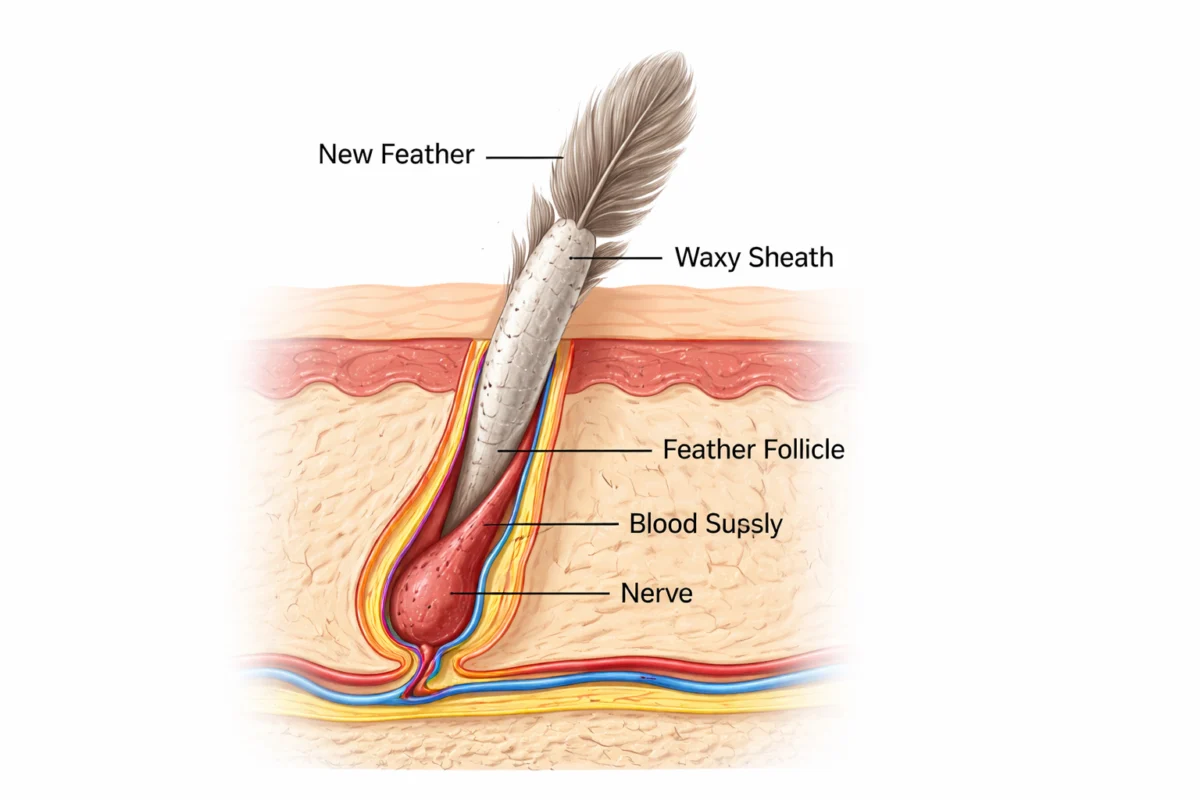
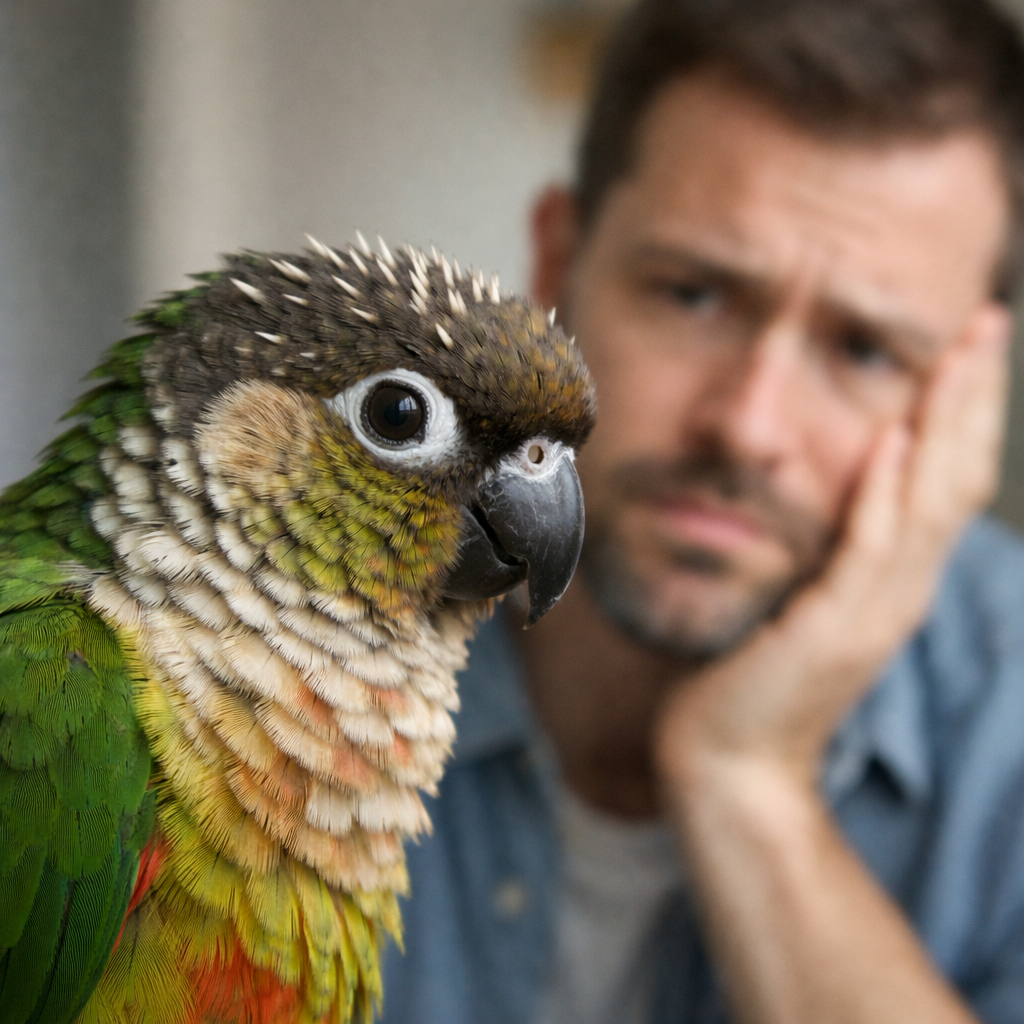
Pin feathers are, in essence, developing feathers. As an old feather is shed, the follicle beneath the skin initiates the growth of a replacement. Each new feather emerges wrapped in a hard, waxy keratin sheath, which serves as a protective barrier during the delicate early stages of development. This sheath protects the nascent feather, which is still connected to a blood supply, from damage as it pushes through the skin. Visually, these nascent feathers appear as pale, whitish, or even dark "spikes" protruding from the bird’s skin, often most noticeable on areas like the head and neck where they are less obscured by mature plumage.
The appearance of pin feathers is not a singular event but typically occurs in coordinated bursts during a molt. Birds do not replace feathers one by one across their entire body; rather, the body activates groups of feather follicles in specific regions simultaneously. This synchronized growth ensures that old feathers drop and new ones begin to develop on a similar timeline, leading to the sudden proliferation of pin feathers that can make a bird appear dishevelled or "spiky" in a short period. This clustering is a normal physiological response, indicating a healthy and active molting process. The sensation for the bird can be one of generalized skin irritation or "busyness" as numerous feathers push through the epidermal layer, even in the absence of any underlying medical condition.
Distinguishing Normal Molt from Concerning Conditions
While pin feathers are a sign of normal physiological renewal, it is crucial for owners to differentiate this natural process from signs of distress or illness. This guide is specifically for birds exhibiting normal molting patterns, characterized by the gradual emergence of pin feathers and healthy, intact skin. It is emphatically not intended for situations involving open skin lesions, active or uncontrolled bleeding, rapidly expanding areas of baldness, obvious feather destruction (plucking), or systemic signs of illness such as lethargy, weakness, or loss of appetite. These latter symptoms are indicative of underlying medical issues that warrant immediate consultation with an avian or exotics veterinarian. Timely professional intervention is critical in such cases to prevent complications and ensure the bird’s well-being.
The Chronology of Pin Feather Development: From Tenderness to Release
The development of a pin feather unfolds through distinct stages, each presenting different sensations and needs for the bird. Understanding this chronology helps owners provide appropriate support.
Stage 1: Early Growth and Tenderness
In its earliest phase, a pin feather is intensely sensitive. Each feather follicle is richly supplied with blood vessels, making the surrounding skin and the developing feather itself tender to the touch. During this period, the keratin sheath is still soft and pliable, and the feather is actively drawing nutrients from its blood supply to grow.
- How it feels: Tender, sensitive, potentially painful if disturbed.
- What this looks like: Bird may guard the affected area, flinch from touch, or exhibit subtle signs of discomfort when preening. Direct handling of these areas should be avoided.
- What helps: Minimal physical intervention. Focus on providing a calm environment and ensuring optimal nutrition to support robust feather growth.
Stage 2: The Itchy Phase
As the pin feather matures and its growth slows, the blood supply recedes, and the keratin sheath begins to dry out and harden. This drying process often leads to significant pruritus, or itchiness. This is the stage most commonly noticed by bird owners, as their pet’s efforts to relieve the itch become more pronounced.
- How it feels: Intense itching, leading to increased preening, scratching, and rubbing.
- What this looks like: Vigorous scratching with feet or objects, rubbing against cage bars or perches, extended periods of focused preening, often accompanied by agitated vocalizations or body language. This can sometimes be mistaken for behavioral issues, but it is primarily a physical irritation.
- What helps: Increased opportunities for bathing and access to high humidity. Bathing helps soften the keratin sheath, making it easier for the bird to remove and providing temporary relief from the itch. Providing safe, textured surfaces for rubbing can also offer relief.
Stage 3: The Release Phase
Once the feather inside the sheath is fully formed, the keratin sheath becomes completely dry and brittle. At this point, the bird’s preening efforts, aided by bathing and humidity, cause the sheath to flake away, allowing the new feather to unfurl and settle into its final position.
- How it feels: Significant improvement in comfort as the sheath is removed.
- What this looks like: Fine white flakes of keratin dust appearing on the bird’s body, in the cage, or during preening. The bird will continue to preen, meticulously cleaning and arranging the new feathers.
- What helps: Continued access to bathing and humidity to facilitate the removal of remaining sheath fragments. Gentle, supervised assistance from an owner (as detailed later) may be considered for difficult-to-reach areas.
Pin Feathers Versus Blood Feathers: A Critical Distinction
A common point of confusion for bird owners is the difference between a "pin feather" and a "blood feather." While all pin feathers are, by definition, blood feathers in their early stages (connected to a blood supply), the term "blood feather" is often used to refer specifically to larger, more substantial growing feathers that contain a significant, active blood supply.
- Pin Feathers: These are simply any new feathers growing through the skin, wrapped in their protective sheath. Early in their growth, they have a small blood supply. Breaking a small pin feather might cause minor bleeding and discomfort.
- Blood Feathers (in the specific context of risk): This term is typically applied to larger, actively growing feathers—most commonly those of the wings and tail—that have a robust blood supply. Because these feathers are thicker and take longer to grow, their blood vessels are larger and more extensive.
Why This Distinction Matters:
If a larger "blood feather" (e.g., a primary flight or tail feather) is broken or severely damaged while still actively growing, it can lead to substantial and potentially dangerous bleeding. In smaller avian species, even a moderate amount of blood loss can quickly become life-threatening. The exposed follicle can also be an entry point for infection.
What to Do if a Blood Feather Breaks:
Immediate action is crucial.
- Assess: Determine the extent of the bleeding.
- Apply Pressure: Gently but firmly apply direct pressure to the bleeding site with a clean cloth or gauze for several minutes.
- Use a Clotting Agent: If available, apply a styptic powder (like Kwik Stop) or cornstarch directly to the bleeding tip of the feather and continue to apply pressure.
- Monitor: If bleeding stops after 10-15 minutes of steady pressure and clotting agent application, monitor the bird closely for the next 30-60 minutes for any re-bleeding.
- Seek Veterinary Care: If bleeding is heavy, continues beyond 10-15 minutes, or if you are uncertain about controlling it, contact an avian or exotics veterinarian immediately. They may need to remove the broken feather to prevent further bleeding and ensure proper healing of the follicle.
What NOT to Do:
Never attempt to pull a blood feather yourself. Feather removal is an extremely painful procedure that requires specialized technique and tools. Improper removal can worsen bleeding, cause severe trauma to the follicle, and potentially lead to permanent feather growth problems or infection. This procedure should only be performed by a qualified avian veterinarian or a trained professional under veterinary guidance.
Effective Strategies for Alleviating Molt Discomfort
The primary goal during a molting period is to ease skin irritation, prevent the natural scratching from escalating into obsessive behaviors, and protect the delicate new feathers as they grow.
1. Environmental Enrichment and Humidity:
- Bathing: Regular bathing is perhaps the most effective home remedy. Water helps soften the keratin sheaths, making them less rigid and easier for the bird to preen off. Offer baths daily or every other day, using a shallow dish, misting bottle, or even a shower perch, depending on the bird’s preference. Ensure the water is lukewarm.
- Humidity: Indoor environments, especially during colder months with heating, can be very dry. Increased ambient humidity can significantly aid in softening pin feather sheaths. Using a humidifier in the bird’s room or placing the cage in a steamy bathroom for short periods can be beneficial.
- Lighting: Maintain a consistent and appropriate light cycle (e.g., 10-12 hours of light, 12-14 hours of darkness). Natural light exposure, if safe, can help regulate hormonal cycles that influence molting.
2. Nutritional Support for Feather Health:
Feather growth is one of the most metabolically demanding processes for a bird. A nutritionally complete diet is paramount during molt.
- Vitamin A: Crucial for epithelial tissue health, including skin and feather follicles. Deficiencies can lead to poor feather quality and skin issues.
- Vitamin E: An important antioxidant that protects cells from damage and supports skin health.
- Omega Fatty Acids (e.g., Omega-3 and Omega-6): These essential fatty acids are vital for skin integrity, reducing inflammation, and producing healthy, shiny feathers. Sources include flaxseed, chia seeds, and certain avian supplements.
- Protein: Feathers are primarily composed of keratin, a protein. Ensuring adequate high-quality protein in the diet (from pellets, legumes, lean cooked meats for some species) is essential for robust feather growth.
- Balanced Diet: Avoid an all-seed diet, which is typically deficient in many critical nutrients. A high-quality pelleted diet supplemented with fresh vegetables, fruits, and small amounts of healthy grains is ideal. Consultation with an avian veterinarian can help tailor dietary recommendations.
3. Gentle Owner Assistance (When Appropriate):
While most birds manage their pin feathers independently, some, especially those with limited mobility or difficulty reaching certain areas (like the head and neck), may benefit from careful owner assistance.
- When Help May Be Appropriate:
- Bonded Birds: For birds that actively seek interaction and are comfortable with gentle handling.
- Difficult-to-Reach Areas: Head and neck pin feathers are often the most bothersome as birds cannot preen them themselves.
- Mature Sheaths: Only attempt to assist when the pin feather sheath is dry, flaky, and ready to be removed.
- Technique: Gently roll the pin feather between your thumb and forefinger (do not squeeze or pull). The goal is to break the dry keratin sheath, allowing the feather to unfurl. Observe your bird’s body language closely; any sign of discomfort, flinching, or agitation means you should stop immediately.
- When Not to Help:
- Tender Pins: If the feather is still dark at the base (indicating an active blood supply) or the bird reacts with pain, do not touch it.
- Stressed Birds: If your bird shows any signs of fear, aggression, or discomfort with handling, refrain from attempting assistance.
- Open Wounds/Bleeding: Never attempt to "help" a pin feather that is bleeding or associated with open skin.
Many experienced bird owners opt not to assist at all, relying solely on environmental support like bathing and humidity, recognizing that birds are naturally equipped to manage this process.
Recognizing When Molt Discomfort Becomes Abnormal
While some level of discomfort and increased preening is normal during molt, certain signs suggest that the situation has escalated beyond routine physiological irritation and requires professional veterinary attention.
- Persistent or Escalating Itchiness: If itchiness does not gradually improve or seems to intensify over time, or if it becomes a constant fixation rather than intermittent relief-seeking.
- Skin Damage: Any development of open sores, scabs, redness, inflammation, or infection on the skin, particularly in areas where pin feathers are emerging.
- Rapidly Expanding Bald Areas: While some temporary patchiness can occur during molt, large or rapidly expanding bald spots that are not quickly filled by new feathers are concerning.
- Feather Destruction: If the bird begins to chew, pull, or mutilate its developing or mature feathers, moving beyond normal preening to self-mutilation or plucking.
- Bleeding: Any significant or uncontrolled bleeding from pin or blood feathers.
- Systemic Signs of Illness: Lethargy, changes in appetite or droppings, weight loss, difficulty breathing, or any other signs that the bird is generally unwell.
If any of these symptoms appear, discontinue home-based troubleshooting and contact an avian veterinarian promptly. These could indicate underlying nutritional deficiencies, parasitic infestations, bacterial or fungal infections, hormonal imbalances, or behavioral issues that require professional diagnosis and treatment.
Expert Perspectives and Broader Implications
Avian experts, such as Diane Burroughs, LCSW, a licensed psychotherapist and avian behavior specialist, emphasize that understanding the nuances of molting is crucial for responsible bird ownership. "Pin feather discomfort, if not properly managed, can contribute to chronic irritation and even escalate into feather plucking or other self-destructive behaviors," notes Burroughs, highlighting the importance of early comfort support. She underscores that while a balanced diet is foundational for long-term feather health, acute itchiness during an active molt requires immediate environmental and supportive interventions.
The implications of a well-managed molt extend beyond mere comfort. A successful molt results in a complete, healthy, and vibrant plumage, which is critical for a bird’s ability to fly efficiently, regulate its body temperature, protect itself from environmental elements, and engage in social displays. Poor feather quality resulting from nutritional deficiencies or chronic stress during molt can compromise these vital functions, impacting the bird’s overall quality of life and potentially shortening its lifespan. Therefore, proactive and informed care during this natural cycle is a cornerstone of comprehensive avian husbandry.
Frequently Asked Questions (FAQ)
-
Is it too late to help if my bird already has itchy pin feathers?
No, it’s never too late to provide support. While the process of feather growth has already begun, environmental interventions like bathing and humidity can offer immediate relief. Additionally, ensuring a diet rich in vitamin A, vitamin E, and omega fatty acids supports the healthy development of current feathers and primes the bird for a better molt cycle in the future. -
How long should pin-feather itchiness last?
Itchiness typically comes in waves, peaking as sheaths dry and then gradually subsiding as feathers unfurl. The entire molting process can last several weeks to months, depending on the species and individual bird. Persistent or escalating itchiness that becomes a fixation is a red flag for a potential problem. -
Is it normal for head pin feathers to bother birds more?
Yes, this is very common. Birds cannot preen their own heads or necks effectively, leaving them reliant on rubbing against objects or receiving assistance from a flock mate or their human caregiver. This makes head pin feathers a frequent source of visible irritation and focused scratching. -
Can pin feathers turn into plucking?
Yes, unfortunately. Persistent, unrelieved irritation from molting, especially when coupled with other stressors, can contribute to a bird developing a fixation on feather pulling. Providing early and consistent comfort support helps reduce this risk significantly.
In conclusion, understanding pin feathers as a normal, albeit sometimes uncomfortable, aspect of avian life is crucial for bird owners. By providing a supportive environment, optimal nutrition, and watchful care, caregivers can ensure their feathered companions navigate the molting process with minimal stress and emerge with a healthy, beautiful new coat of feathers. When in doubt, consulting an avian veterinarian remains the best course of action to safeguard the health and well-being of these remarkable creatures.
